Cooking in a Cretan village feels like family.
This Rethymno cooking class puts you in the home kitchen of Chrysoula, with real Cretan food cooked in a traditional wood oven and served straight from the same space where you learn.
What I like most is the hands-on approach and the fact that you’re not just tasting—you’re actually cooking Cretan staples. I also love that the menu is structured as starter, main, and dessert, so you leave full and with recipes you can repeat.
One thing to consider: this is a 3.5-hour home experience, and the food plus wine and raki is part of the deal. If you want a light snack-and-run activity, it may feel like a lot.
In This Review
- Key points to know before you go
- A Cretan village home kitchen, not a staged demo
- What you’ll cook: dakos, tzatziki, gemista, moussaka, and more
- Starters: bright, simple, and very Cretan
- Mains: stuffed, baked, and comfort-food ready
- Dessert: pies, honey, cinnamon, ice cream, and seasonal fruit
- Vegetarian and allergy options
- How the instruction works in Chrysoula’s kitchen
- The wood oven experience (and why it’s more than a prop)
- Drinks, raki, and the real reason to come hungry
- Is it good value at $110 per person?
- Who this cooking class fits best
- Quick practical planning tips before you book
- Should you book this Rethymno cooking class?
- FAQ
- How long is the cooking class?
- How much does it cost?
- What dishes will I learn to cook?
- Is the menu suitable for vegetarians or allergies?
- What’s included with the class?
- Will the class be taught in English?
- Is the experience wheelchair accessible?
- Do I have to pay right away to reserve?
- Can I cancel for a refund?
Key points to know before you go
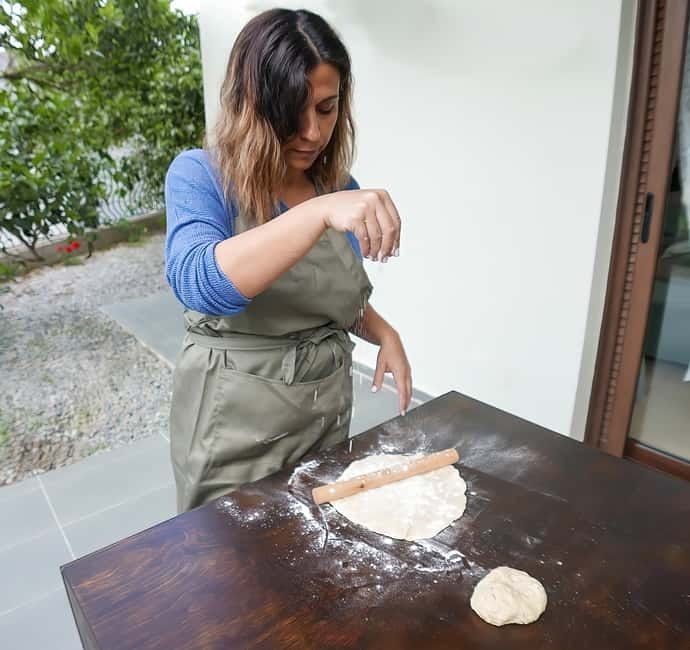
- Chrysoula’s wood-oven setup means your dishes are cooked the way they do at home
- You make a full menu: starter(s), main(s), and dessert
- Local ingredients come from her family farm or nearby farmers when possible
- Dietary adjustments are available for vegetarians and for allergies (ask ahead)
- Wine and raki are included, so plan your evening accordingly
A Cretan village home kitchen, not a staged demo
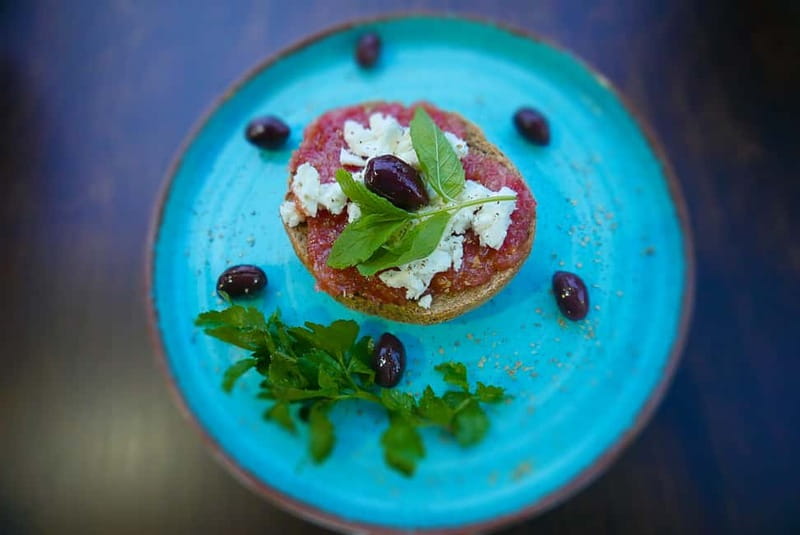
The first big “wow” is the setting. This class happens in the cook’s own home, in a space that feels lived-in and warm rather than like a classroom. You’ll get a welcome that sets the tone right away: Greek coffee or herbal tea, plus homemade lemonade and small bites like ladokouloura (olive oil rolls) and loukoumakia.
From what you’ll experience on the day, that welcome isn’t just a nicety—it helps you settle in before the real work starts. It also frames what makes this kind of cooking class valuable in Crete: food isn’t separated from daily life. You’re not watching someone else do everything. You’re joining the rhythm of the kitchen and learning why certain ingredients and steps matter.
Another practical upside: the instruction is in English, so you won’t spend the whole time translating in your head. And since it’s described as wheelchair accessible, it’s built with access in mind, not just a “comes with stairs” situation.
You can also read our reviews of more cooking classes in Rethymno


What you’ll cook: dakos, tzatziki, gemista, moussaka, and more
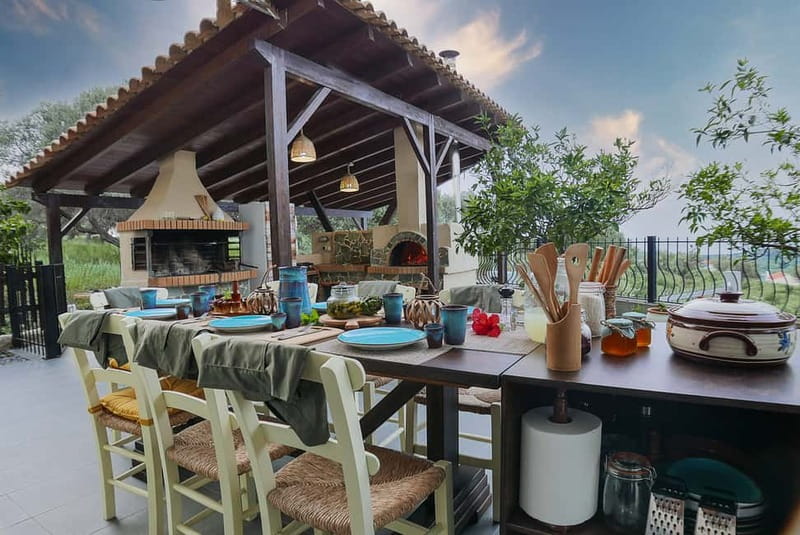
This is one of those classes where the menu is specific enough to get you excited—and structured enough that you won’t feel lost. You’re guided through starters, mains, and dessert, and you’ll cook multiple dishes rather than just one showpiece.
Starters: bright, simple, and very Cretan
You can expect to make starters such as:
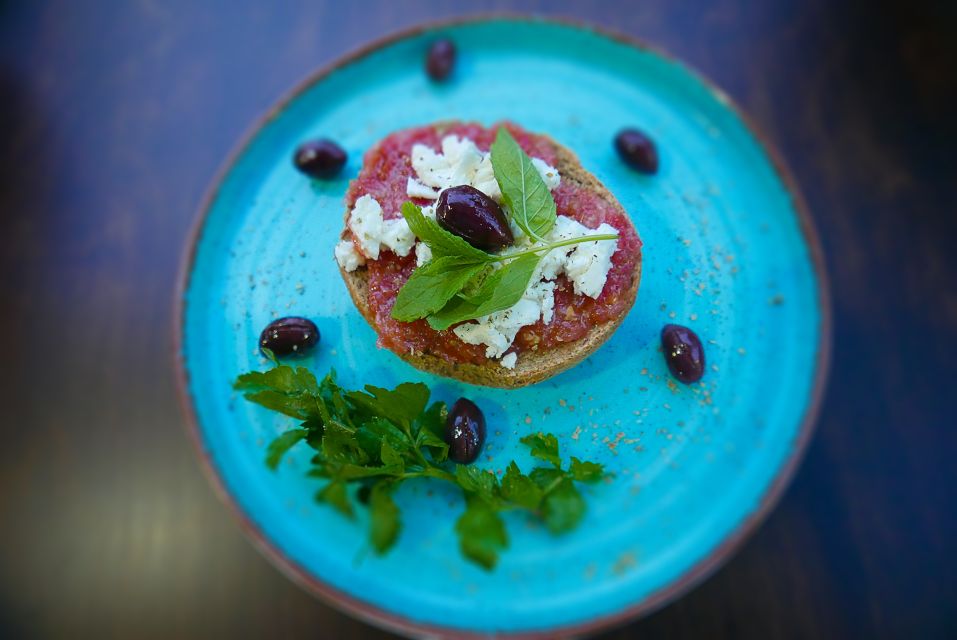
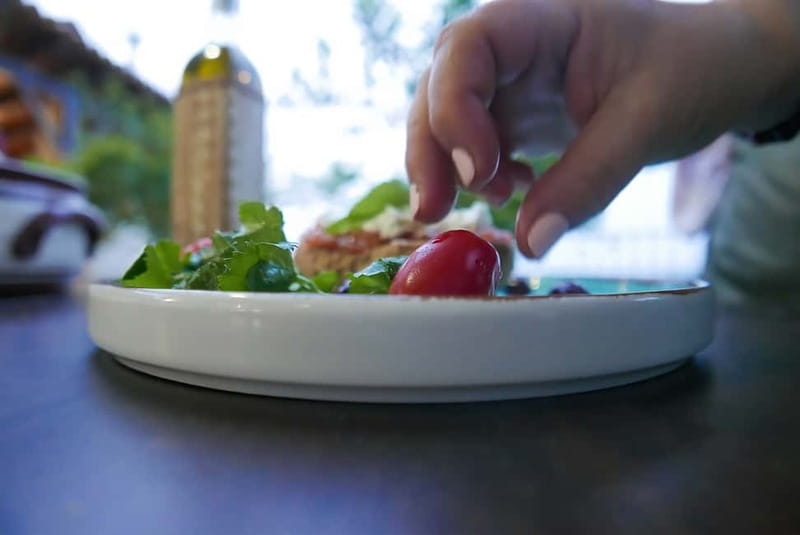
- Dakos (Cretan salad with tomato, cheese, olive oil, and herbs)
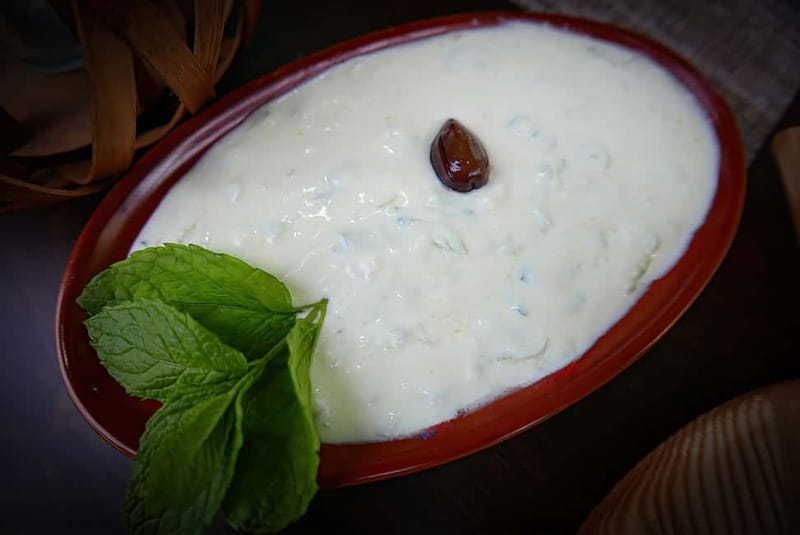
- Tzatziki (the classic Greek yogurt dip)
- Greek salad
The point of these starters goes beyond flavor. They teach you the Cretan approach to “fresh, not fussy.” You’ll learn how herbs, olive oil, and basic ingredients create a dish that tastes whole and balanced. Even if you only cook at home occasionally, these are the recipes that tend to translate well to your own kitchen.
Mains: stuffed, baked, and comfort-food ready
For the main course, you’ll work with dishes like:
- Gemista (stuffed vine leaves, zucchini flowers, tomatoes, zucchini, and pepper)
- Moussaka
This is where the cooking class shifts from “easy to assemble” to “real technique.” Stuffed dishes and moussaka teach you how to build layers and how to handle timing. And since the class is centered on a wood oven, you also get exposure to a cooking method that feels different from a standard modern oven—heat behaves a little differently, and that affects the outcome.
Dessert: pies, honey, cinnamon, ice cream, and seasonal fruit
Dessert is not an afterthought here. You’ll be able to try traditional options such as:
- Tyropitakia (traditional pies made with homemade cheese)
- Local honey and cinnamon
- Homemade ice cream
- Seasonal fruit
The practical takeaway: you’ll see how a meal in Crete often ends with flavors that are straightforward—cheese, honey, cinnamon, and fruit—rather than overly complicated pastry tricks. It’s the kind of dessert you can recreate without needing rare ingredients or specialized equipment.
You can also read our reviews of more tours and experiences in Rethymno

Vegetarian and allergy options
The class is designed so the menu can be adapted for vegetarians and people with allergies. That matters because it means you’re not stuck with a separate “leftover plate” while everyone else cooks. If you have allergies, it’s smart to message ahead and be very clear about what to avoid.
How the instruction works in Chrysoula’s kitchen
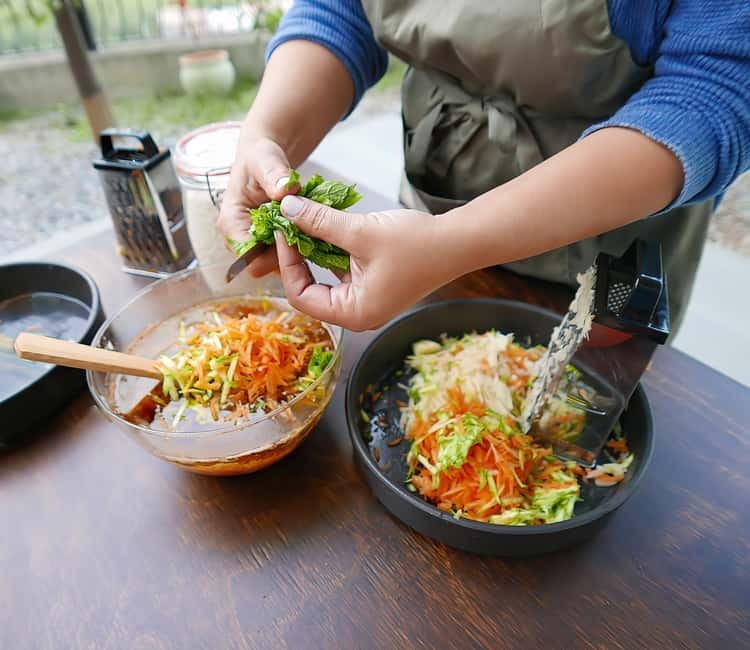
This isn’t a silent, watch-from-the-sidelines setup. Chrysoula’s teaching style is described as warm and interactive, and the vibe is often more like spending time with a Cretan family than attending a formal class.
A few details that make the instruction feel grounded:
- You learn recipes using old traditional practices
- The cooking happens in the actual home environment where dishes are normally prepared
- You’ll be taught with an emphasis on what to look for as you cook, not just a checklist of steps
In the reviews, Chrysoula is repeatedly singled out as the driving force behind the experience—friendly, funny, and genuinely enthusiastic about Cretan food. Other names show up too, including Kostas and Dee, which suggests the hosting team keeps things moving and helps guests throughout.
That support matters for first-time cooks. When you’re chopping, mixing, stuffing, or assembling components, you want feedback that’s quick and clear. Here, the class is set up so you’re not just sent back to your station and forgotten.
The wood oven experience (and why it’s more than a prop)
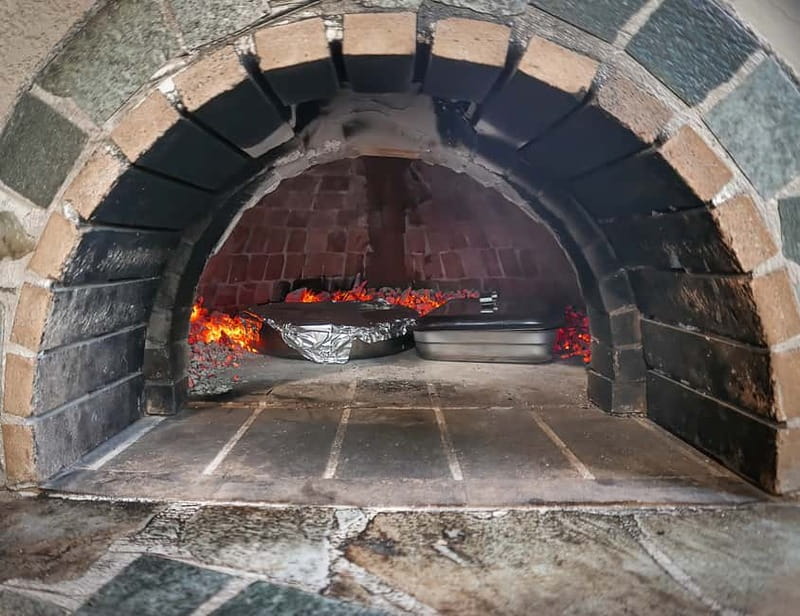
The wood oven is central to the experience, not just a photo opportunity. You’re cooking in a traditional oven using the method that’s part of the local rhythm of home cooking. Even if you’ve baked bread or roasted meat before, a wood oven can change how you think about heat—how it spreads, how quickly things color, and how the oven “feels” during the process.
The practical value for you is that you’ll come away with a more realistic understanding of what makes Cretan home cooking different from a generic Greek cookbook. It’s not only about ingredients; it’s about how food gets cooked and served in the same living space.
And yes, the setting helps. When the oven, the garden/view, and the meal all share the same environment, it makes the whole afternoon feel like one continuous experience rather than separate activities.
Drinks, raki, and the real reason to come hungry
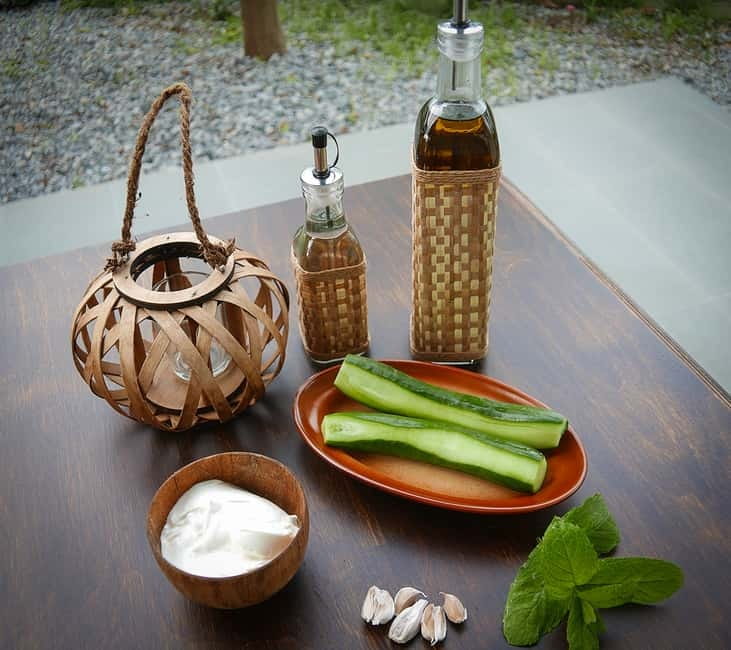
Food is a big part of why this class earns so much love. You’re served a complete meal, and the included drinks are part of the flow: local wine and raki along with the earlier welcome drinks. The raki shows up near the end, and it’s described as something to be prepared for—so don’t plan on driving right after.
Here’s the useful planning tip: if you’re going to do this class, it’s smart to avoid booking a heavy dinner the same evening. You’ll be fed. That sounds obvious, but it’s worth saying because the menu covers starter(s), mains, and dessert plus drinks.
Also keep in mind pacing. A 3.5-hour class means you’re cooking and eating at a steady rhythm. If you’re the type who needs lots of quiet breaks or you’re prone to getting overwhelmed in kitchens, you might find the time feels packed. Most people, though, seem to like it because it keeps the energy up and the learning hands-on.
Is it good value at $110 per person?
At $110 per person, this isn’t the cheapest cooking class on the island. But it also isn’t charging you just for instruction. You’re paying for:
- A hands-on class led by a local home cook
- A full menu you make and eat: starter(s), main(s), dessert
- Cooking in a traditional wood oven in a family setting
- Included drinks, including local wine and raki
- Ingredients sourced from the cook’s family farm or local farmers, when possible
When you break it down, the value comes from the combination: you’re not just learning one dish, and you’re not just tasting. You leave with a meal’s worth of recipes and techniques, plus an experience that feels personal and local.
If you’re already planning a meal out in Rethymno, you can treat this as a “meal with lessons attached.” And if you’re the kind of traveler who remembers trips based on what you learned and ate—not just what you photographed—this price is easier to justify.
Who this cooking class fits best
This class is a good match if you want:
- Traditional Cretan cooking, cooked in a home setting
- A class that’s structured enough to guide you (starter → main → dessert)
- A social, welcoming environment with hosts who make it feel relaxed
- An experience in English
It can also work well for families and mixed groups because the overall approach is interactive, and the hosts provide support while you cook. If you’re traveling with someone who loves food, this is the kind of activity that turns into a shared memory fast.
And since it’s marked wheelchair accessible, you don’t have to assume the experience will be blocked by stairs.
Quick practical planning tips before you book
A few smart moves will make the day smoother:
- Come with an appetite. This class is built for eating—by the end, you’ll likely feel stuffed in the best way.
- If you’re vegetarian or have allergies, plan to confirm how the menu gets adapted before the class day.
- If you don’t want alcohol, note that wine and raki are included, so your evening plans should reflect that.
Should you book this Rethymno cooking class?
If you want a Cretan experience that’s more than tasting—something hands-on, local, and tied to a home kitchen—this is a strong choice. The combination of Chrysoula’s teaching, the wood oven, the full starter/main/dessert menu, and the included wine and raki makes it feel like a complete afternoon, not a quick gimmick.
Book it if you’re excited to cook dakos, tzatziki, gemista, moussaka, and tyropitakia (plus dessert options with honey and ice cream). Pass if you prefer a low-effort food tour, or if the idea of cooking for 3.5 hours and enjoying the meal and drinks sounds like too much.
FAQ
How long is the cooking class?
The class lasts 3.5 hours.
How much does it cost?
It costs $110 per person.
What dishes will I learn to cook?
You’ll cook traditional Cretan dishes such as dakos, tzatziki, Greek salad, gemista, moussaka, and desserts like tyropitakia.
Is the menu suitable for vegetarians or allergies?
The menu can be adapted for vegetarians and for guests with allergies.
What’s included with the class?
You get cooking lessons, a starter, a main dish, a dessert, plus local wine and raki.
Will the class be taught in English?
Yes. The host or greeter provides English.
Is the experience wheelchair accessible?
Yes, it is listed as wheelchair accessible.
Do I have to pay right away to reserve?
You can reserve now & pay later, meaning you pay nothing today.
Can I cancel for a refund?
Yes. You can cancel up to 24 hours in advance for a full refund.