Olive oil, soap, wine, and raki in one day. This Heraklion-area tour strings together family-run producers, from press-fresh olive oil to wine and barrel-aged raki, and finishes with a handmade soap workshop. I love that you get real production context, not just sips and photos, and I also love the small-group pacing. The only catch: it’s a hot, long 6 hours, and some people find water and chilled wine not guaranteed.
If you care about learning what you’re drinking and tasting, you’ll like the way the day teaches you to ask better questions next time. The vibe also depends on your driver—Tony and Yanni in particular have a gift for storytelling, and Eleni shows up in the mix as well. One possible drawback to plan around is lunch timing (it can feel late), plus uneven availability of water at stops in summer.
In This Review
- Why This Crete Flavors Tour Feels Different Around Heraklion
- What I like most
- A consideration
- Key Highlights Worth Waking Up For
- Following the Craft: Olive Mill, Wine, Raki, and Soap in Sequence
- 1) Family-run olive mill and olive oil tasting
- 2) Micro-winery and Cretan wine tastings (indigenous varieties)
- 3) Raki distillery and barrel-aged raki tasting
- 4) Handmade soap workshop (and participation)
- Lunch in Peza Village: Good Food, Timing to Plan For
- Tastings That Teach You What to Notice Next Time
- Small-Group Size and Drivers: The Day’s Real Social Engine
- Heat, Walking, and What to Pack (So the Day Stays Fun)
- Value for Money: Why $111.26 Can Be a Good Deal
- Who Should Book This Tour (And Who Might Skip It)
- Should You Book This Olive Oil, Soap, Wine, and Raki Day?
- FAQ
- What’s the duration of the tour?
- Is pickup available from Heraklion?
- How big is the group?
- What tastings and workshop are included?
- What’s included in lunch?
- Can I cancel for a refund?
Why This Crete Flavors Tour Feels Different Around Heraklion
This isn’t the kind of tour where you hop out for a quick look and rush back into the van. The point here is craft—how olives become oil, how oil becomes soap, and how grapes become wine and raki becomes its own cultural ritual. You’ll move through the countryside around Heraklion with air-conditioned transport and short walks that keep the day manageable.
And yes, you’ll taste a lot. But the better payoff is learning what makes each taste different—freshly pressed oil versus aged products, indigenous Cretan grape varieties versus whatever you’re used to at home.
What I like most
First: the olive oil production stop. Many visitors miss the inland side of Crete, where olive trees and mills are the backbone. Second: the raki-and-wine sequence. It’s one thing to drink; it’s another to understand the process and why Cretans treat these spirits like social glue, not just alcohol.
You can also read our reviews of more wine tours in Heraklion



A consideration
Expect a full day outdoors and inside workshops. Bring a plan for heat, hunger, and hydration, because the pacing can put lunch later than you’d guess.
Key Highlights Worth Waking Up For
- Press-fresh olive oil tasting tied directly to how the oil is made, not just sold
- Barrel-aged raki tasting paired with a real look at raki distillation
- Wine tasting of indigenous Cretan varieties so you taste local grapes, not generic labels
- Hands-on soap making where olive oil becomes something you can take home
- Small group size (max 15) that leaves room for questions and actual conversation
- Cretan summer reality: it can be very hot, and water may not appear automatically
Following the Craft: Olive Mill, Wine, Raki, and Soap in Sequence
This tour runs about 6 hours and uses a comfortable, air-conditioned vehicle. Most of the stops include short walks around properties, so you’re not trekking for hours. Still, you’ll want decent shoes, because some routes involve uneven, sloping ground depending on where you are.
1) Family-run olive mill and olive oil tasting
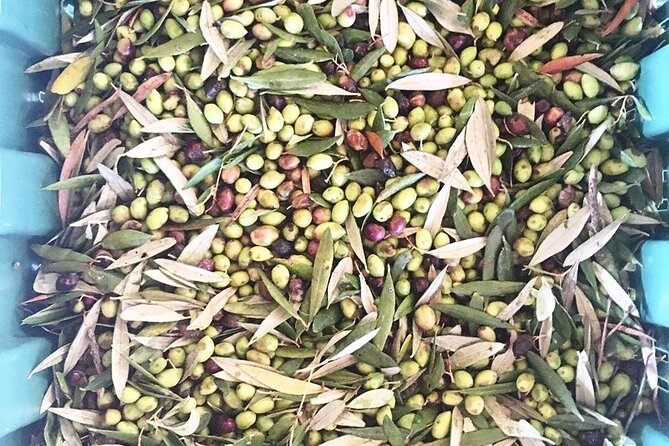
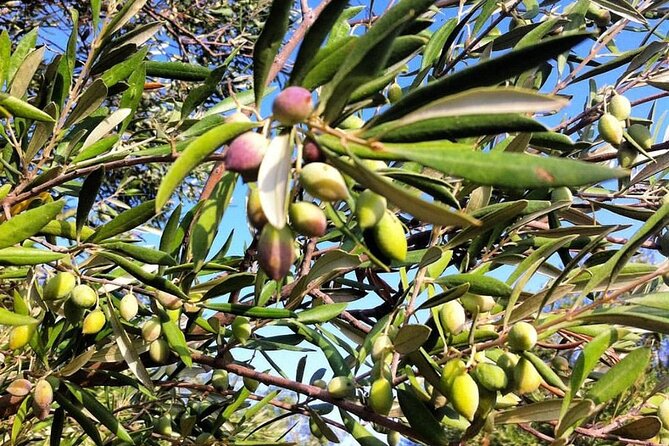
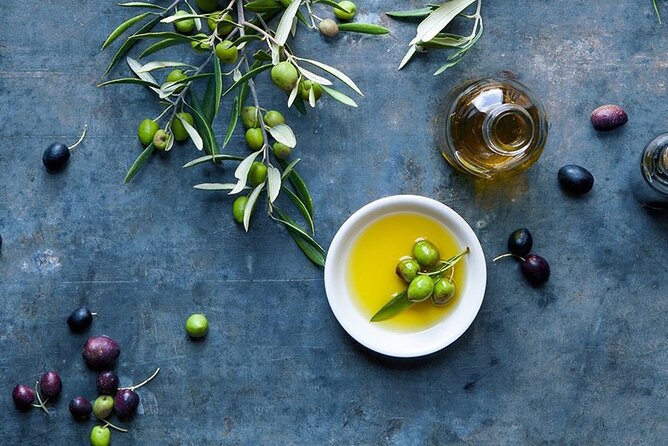
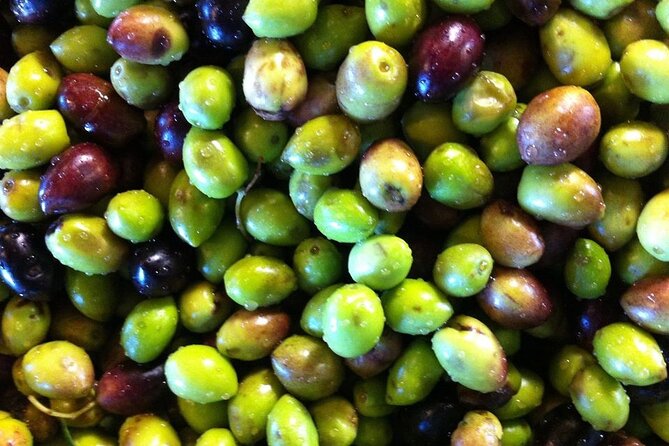
Your day starts where Crete’s “liquid gold” begins: a family-run olive mill. The value here is simple. You see how olives turn into oil, then taste it fresh from the process. That pairing—watching production + tasting immediately—is what makes the flavor make sense.
One extra bonus that can show up at the farm-style stop: some days include an offbeat crop alongside olives, like dragon fruit. When it’s included, you might get small extras to taste alongside olive oil, like olive marmalade or herbal tea made from local plants. Even if that’s not on your exact route, the core idea stays the same: oil is the foundation, and you’ll taste differences by type and freshness.





2) Micro-winery and Cretan wine tastings (indigenous varieties)
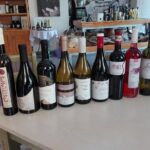
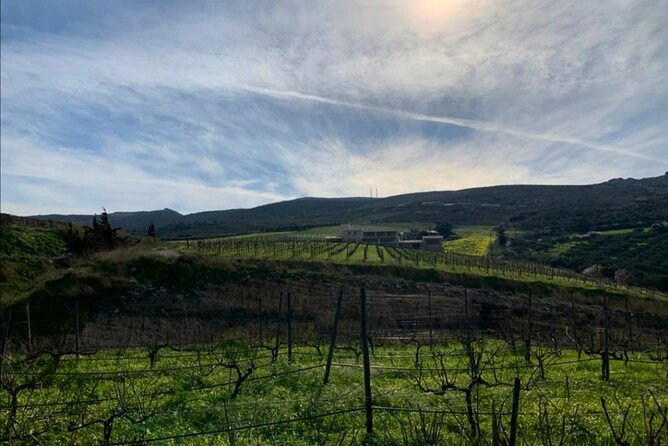
Next comes the wine side. You’ll visit a winery or micro-winery setting and taste multiple wines—this includes 3 indigenous varieties. The best part is hearing how the producers talk about grapes and aging, and then tasting what they say.
Some schedules also include a contrast between a smaller, more intimate winery and a larger producer. If you get that mix, you’ll start to recognize why one place feels more hands-on while another feels like a higher-volume operation. Either way, don’t treat wine as “just wine.” Try it slowly and pay attention to what changes between pours.
3) Raki distillery and barrel-aged raki tasting
Then you shift from wine to raki—Crete’s famously fiery spirit. You’ll visit a raki distillery, learn how it’s made, and taste raki aged in a barrel (the included tasting is 1). This is one of the most memorable stops because raki is less about marketing and more about ritual.
Depending on your stop, you may also encounter liqueurs served alongside raki, sometimes with honey-based flavors. Even people who don’t usually buy raki often end up enjoying the sweeter rounds once they understand what they’re tasting.
4) Handmade soap workshop (and participation)
Finally, the day gets surprisingly practical: a handmade soap workshop built around olive oil. Instead of just watching, you’ll participate in a demonstration—so you’re not only smelling and hearing, you’re doing.
This stop is one of the most “take-home” parts of the tour. You can buy bars as gifts, but the bigger value is understanding why olive oil soap works the way it does and how traditional methods survive in a modern world.
Lunch in Peza Village: Good Food, Timing to Plan For
Lunch is included as a traditional light lunch at a local tavern in Peza Village. That sounds straightforward, but the timing can be the curveball. Some people report lunch landing around 3:00 pm, which means you’ll want breakfast or an early snack before you start.
What you’ll likely notice: Cretan meals here tend to feel like sharing plates and local dishes rather than a heavy, multi-course restaurant production. It can be plenty of food, but the structure can feel more casual than formal—sometimes dishes show up in their own order, and wine service may be limited in what you’re given.
Also, hydration matters. A few people noted that water wasn’t always available at every stop. If you’re the type who gets headaches in heat, don’t wait for water to appear—bring your own bottle.
Tastings That Teach You What to Notice Next Time
A big reason people rate this tour so highly is that it doesn’t treat tasting like a party trick. You learn a framework in plain language.
Here’s what you can practice on the day:
- When you taste olive oil, notice freshness and texture. Fresh oil often tastes more grassy or peppery than what you’re used to buying.
- With wine, focus on indigenous varieties. You’ll start recognizing how local grapes express themselves in flavor and finish.
- With raki, think warmth and texture. Barrel aging adds a roundness that makes it feel less harsh than straight spirit.
One practical tip: if you’re a wine lover and you hate warm wine, keep expectations realistic. Some people felt the wine was not chilled and couldn’t fully enjoy it. You can’t always control temperatures on a tour day, but you can manage it—take small sips, pace your tastings, and drink water when you can.
And for raki drinkers-in-training: try it in small amounts first. The sweeter liqueur-style pours (including honey-based versions in some stops) can help you find your entry point.
Small-Group Size and Drivers: The Day’s Real Social Engine
This is a maximum 15-person tour, and that small size changes everything. You’re more likely to hear full explanations at each stop instead of catching fragments. You also get time for questions, which makes the tastings more fun.
The human factor shows up in the driving and guiding. Tony is frequently praised for being friendly and fun to talk with, and Yanni also gets called out for turning transfers into mini-lessons about Crete. Eleni pops up as part of the operation, and other guides like Angelica can bring a structured, respectful vibe.
Two things that matter to you:
1) Small groups reduce the feeling of being herded.
2) A good driver helps you understand what you’re seeing beyond the menu.
If you’re traveling solo, this kind of day can feel more social without being chaotic. People often describe the group atmosphere as turning into real conversation by the end of the day.
Heat, Walking, and What to Pack (So the Day Stays Fun)
Plan like you’re going to be outside. Crete in summer doesn’t care about your itinerary.
From what people experienced, here are the practical moves:
- Bring a fan (yes, really) for long stop-and-wait moments.
- Pack a water bottle because water may not be offered consistently at every stop.
- Eat breakfast or you’ll hit lunch starving. When lunch runs late, it can take the edge off the afternoon if you don’t start fueled.
On the walking side: the tour is described as manageable for most people, but some steps exist. In at least one description shared from the day, parts of the olive farm and winery involve walking over uneven, sloping dirt surfaces and dealing with steps or staircases. If mobility is an issue, wear supportive shoes and consider whether short-but-bumpy walking is okay for you.
Value for Money: Why $111.26 Can Be a Good Deal
At $111.26 per person for about 6 hours, you’re paying for transportation plus multiple included tastings and workshops. The value isn’t just that you get to drink—it’s that you get production access:
- Olive mill tour + tasting
- Wine tasting of 3 indigenous varieties
- Raki tasting of barrel-aged raki
- Soap making workshop with hands-on participation
- Traditional light lunch in Peza Village
You’d pay for these as separate activities around Heraklion, and you’d lose the convenience of a single route. The “value win” here is that your time stays efficient and your learning stays connected.
The only time value feels weaker is if the day includes wine you don’t like at temperatures you don’t prefer. If that’s you, adjust your strategy: pace tastings, focus on olive oil and raki education, and don’t force big pours.
Who Should Book This Tour (And Who Might Skip It)
Book it if you:
- Want an inland Crete day that isn’t beach-only
- Like food and drink with a story attached
- Prefer small-group pacing and conversation
- Want something practical to take home, like olive oil soap
You might skip if you:
- Need guaranteed chilled wine for enjoyment
- Get very uncomfortable in heat and don’t want to pack for it
- Have mobility limits and aren’t comfortable with uneven ground or steps at workshops
Should You Book This Olive Oil, Soap, Wine, and Raki Day?
If your goal is to leave Heraklion with flavors you actually understand, this tour makes sense. The standout strength is the production-to-tasting flow—olive mill first, then wine and raki, and finally soap that ties everything together with something you can use at home.
I’d book it especially if you’re the type who likes to ask questions, taste slowly, and learn what you’re consuming. Just go in with your heat plan: water bottle, fan, and food timing. Do that, and the day turns into more than a checklist—it becomes real Crete.
FAQ
What’s the duration of the tour?
The tour runs about 6 hours.
Is pickup available from Heraklion?
Pickup is offered. The exact pickup time is confirmed by text message or email after booking.
How big is the group?
The tour has a maximum group size of 15 people, and it’s described as a small-group format.
What tastings and workshop are included?
You’ll visit an olive mill for a tour and olive oil tasting, taste raki aged in a barrel, do a wine tasting of 3 indigenous varieties, visit a micro-winery and raki distillery, and participate in a handmade soap making demonstration.
What’s included in lunch?
Lunch is a traditional light lunch served at a local tavern in Peza Village.
Can I cancel for a refund?
Yes. You can cancel up to 24 hours in advance for a full refund.