Crete’s revolution story, told in stone and clay. I liked the Monastery of Arkadi the most: the guide sets the scene on the bus, then you get a full hour to walk the paths and see the rooms tied to the uprising. My other big draw was the working pottery stop, where Mrs Helen shows you how clay turns into everyday objects you can actually use. One drawback to plan for: entrance fees are extra (about €13 for Arkadi, the Eleftherna museum, and Melidoni), and the museum portion may feel less rewarding for some people.
This is a long, well-paced day built for first-timers who want more than a beach loop. You’ll ride in an air-conditioned van/bus with pickup and drop-off from a wide set of towns, and you’ll get a strong mix of history plus hands-on craft time. The route also works well if you want a break from Heraklion-area traffic and chaos, since you’re doing multiple sites in one go. Just expect that the day runs on a schedule, so bring comfy shoes and a calm attitude about transitions.
In This Review
- Key points before you go
- How this 8–9 hour craft-and-history day actually works
- Monastery of Arkadi: the revolution story you can walk through
- Archea Eleftherna: ancient life from 3000 BC to 1300 AD
- Margarites village: pottery town life plus a real lunch break
- Melidoni Cave: Cretan Revolution history underground
- Tsikalario Cretan ceramics: watching the making happen
- Price and value: what $36.05 buys you, and what costs extra
- Small gotchas: language mix, the museum mood, and timing
- Who should book this Cretan Stories tour
- Should you book Cretan Stories in Heraklion?
- FAQ
- How long is the Cretan Stories tour?
- Where is pickup offered?
- What time should I arrive for pickup?
- Is the tour ticket mobile?
- Are entrance fees included in the tour price?
- What is included in the price?
- What language is the tour in?
- How large are the groups?
- Can I cancel for a full refund?
Key points before you go

- Monastery of Arkadi gets real attention, with time to explore on foot after the onboard context
- Working pottery in Margarites area, with live demonstrations by Mrs Helen
- Melidoni Cave is short and sweet, but it’s not a beach stroll—bring layers and good footing
- Eleftherna museum time is limited, so go in with expectations set for highlights
- Pickup and drop-off cover many Cretan towns, keeping your day low-stress
- Entrance fees for three major stops are not included in the tour price
How this 8–9 hour craft-and-history day actually works
The tour runs about 8 to 9 hours, which is a sweet spot for covering a lot without feeling like you’re trapped on a bus all day. You’ll start with pickup at your hotel area—options include places like Panormo, Skaleta, Rethymno town, Platanias, Georgioupoli, and others listed by the operator. You need to be outside the reception about 10 minutes before your scheduled appointment. Then you settle in for the bus ride that connects the bigger landmarks.
The group size cap is 50, which usually means you can hear the guide and still get enough personal space at the stops. The ride is in an air-conditioned vehicle, a lifesaver in warm months. If you’re traveling with family or in a mixed group, this one tends to land well because the day alternates between history, walking, and craft viewing.
One practical note: your day includes a lunch window in Margarites where you can eat at small tavernas if you want. Plan on using that time. If you skip lunch, you may feel it later, especially before the cave segment.
You can also read our reviews of more historical tours in Heraklion

Monastery of Arkadi: the revolution story you can walk through
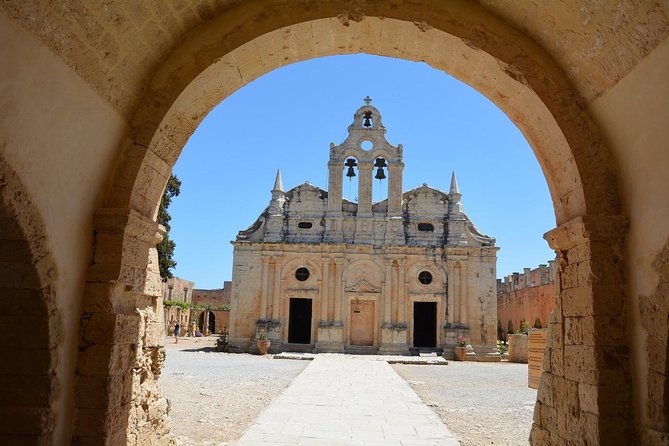
Arkadi is the emotional center of the day. You’ll spend about 1 hour at the Monastery of Arkadi, and you’ll get onboard context first. That matters. Without the story setup, a monastery is just stone. With the setup, you can connect what you’re seeing to why people fought, suffered, and remembered.
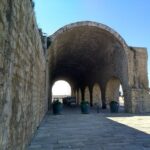
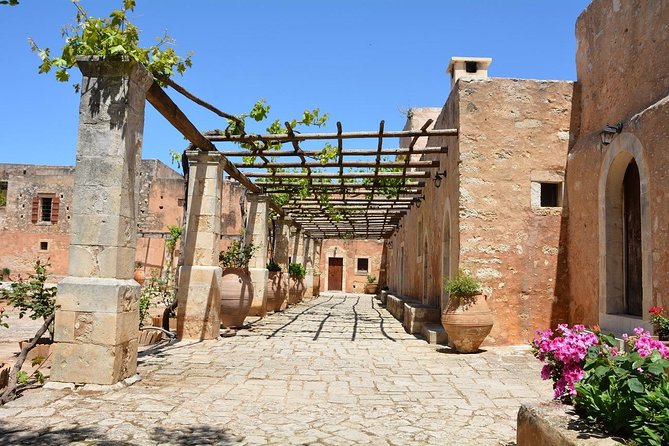
Once you arrive, you get free time to explore the site. This is where the visit becomes more than a photo stop. You can walk along the small stone paths, visit different rooms, and focus on the parts associated with the uprising, including the large room linked to the explosion during the conflict. It’s one of those places where your brain clicks into history faster because you’re moving through the actual grounds.
There is an admission fee here, and it’s not included in the base price. The good news is that you only pay the extra entrance fees once for the three paid sites later in the day. The mindset: budget a little extra, then enjoy the hour without rushing.
Tip: wear shoes with grip. Monastery walking is not hard, but the surfaces can be uneven, and you’ll appreciate traction when you’re exploring freely.
Archea Eleftherna: ancient life from 3000 BC to 1300 AD
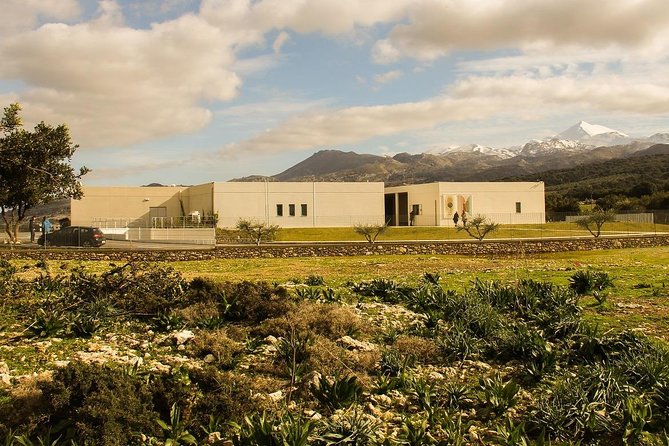
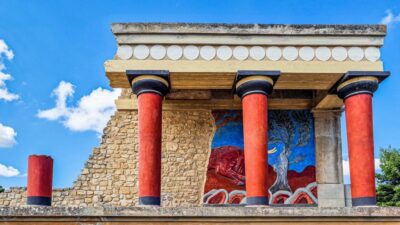
After Arkadi, you’ll head to Archea Eleftherna, a site that covers an extremely long span of time—from 3000 BC until 1300 AD. The stop is about 40 minutes, with a museum visit included in that time block. The idea here is to connect everyday religious and local life to the long arc of Cretan history.
The museum entrance involves a fee, and this is one of the paid stops that rolls into the extra amount you’ll need to budget (along with Arkadi and Melidoni). Because the time is short, you won’t see everything. That’s why it helps to approach it like a “best hits” museum: look for the themes that repeat across eras—religious use, daily life, and how the site shifted over centuries.
What you might miss if you don’t prioritize is the deeper, slower museum reading. If you love spending an hour-plus reading every placard, you may feel a pinch of time here. If, instead, you want context that makes the rest of the day click, you’ll likely appreciate the stop.
Margarites village: pottery town life plus a real lunch break
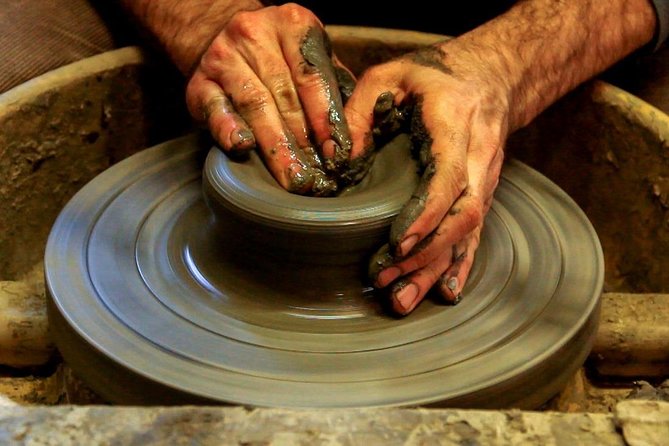
Next comes Margarites, a village known for pottery. You’ll have about 2 hours here, and that’s enough time to do two important things: take the village walk without feeling rushed, and actually pause for lunch.
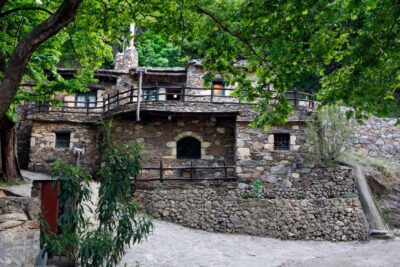
During your time in Margarites, you’ll walk through the traditional village area, and you’ll also have free time to eat in local tavernas if you want. This is where the day stops feeling like “tourist logistics” and starts feeling like a place you could return to. Even if you don’t buy anything, you’ll get a sense of how craft and daily life mix.
Two practical tips for Margarites:
- Bring a little patience. Village time moves slower than the bus schedule.
- If you want to shop pottery or olive-oil related products, set aside a bit of mental space. You’ll likely see items in different styles and price points once you start looking.
One small consideration: if you’re not interested in pottery at all, two hours can feel like a lot. But even then, it’s a nice break from pure history stops because the village has a lived-in rhythm.
Melidoni Cave: Cretan Revolution history underground
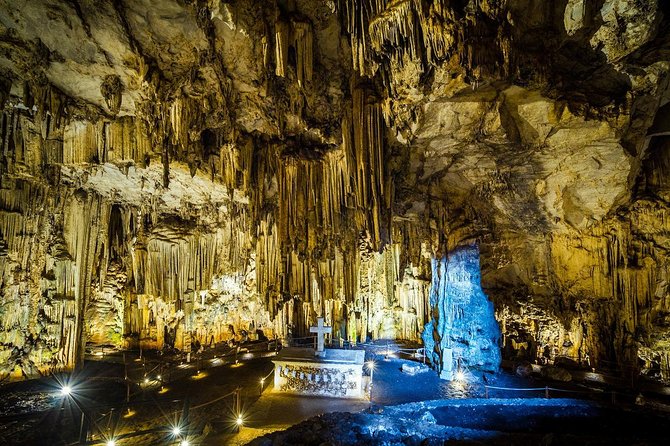
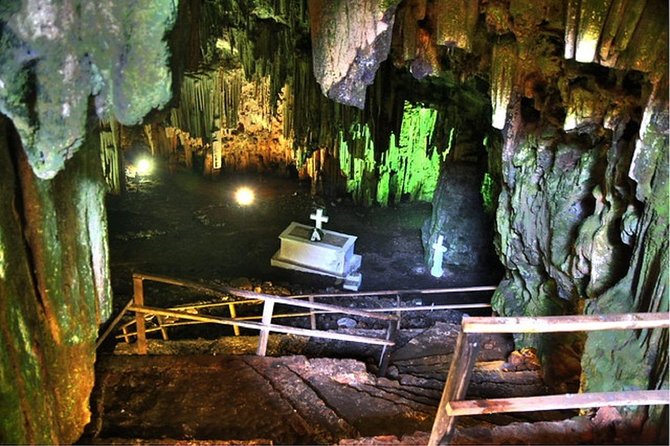
Then you’ll head to Melidoni Cave, with about 40 minutes on the site. The cave has major historical weight in the Cretan struggle during the Turks occupation, and the tour frames it that way. Coming here after Arkadi and Eleftherna makes the day feel like one continuous story: rebellion, survival, and memory.
Cave visits always come with a different kind of logistics. The admission fee here is again not included, so it’s part of the paid total you should plan for. Also, caves are cooler than the outside air. You might not need a heavy jacket in summer, but a light layer can make the time more comfortable.
From an emotional standpoint, caves can hit hard because they feel timeless. From a practical standpoint, they can also show signs of being made more accessible. In one critique, people pointed out that some of the cave’s natural formations may have been altered for easier access, including cuts to stalactites. Even if you don’t mind that, it’s smart to be mentally ready: caves are living nature, but they are also managed sites designed for visitors.
Tip: watch your step and go slow on any uneven ground. Quick walking is for the beach. Here, give your feet a second.





Tsikalario Cretan ceramics: watching the making happen
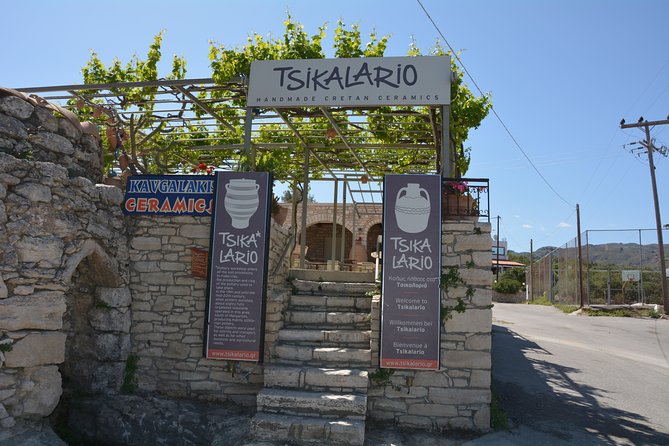
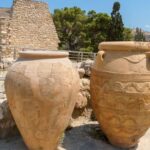
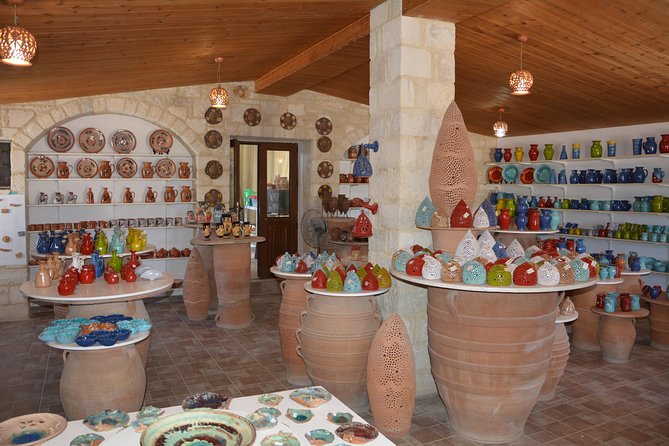
After the village, you’ll visit Tsikalario cretan ceramics, near Margarites. This is another about 40 minutes, and it’s one of the most satisfying parts of the day because it’s not just looking. It’s watching.
The workshop works like a live show of craft. The owner and artist, Mrs Helen, demonstrates how the clay becomes objects you can actually use. You’ll see the process in real time, which is far more meaningful than buying something at the end with zero context. It’s also a good way to understand why handmade pottery costs what it costs.
This is the moment to slow down and ask questions. If you’re thinking about bringing a piece home, look closely at what’s functional versus decorative. Ask about care. Even without a long talk, you’ll usually get enough explanation to make a smart purchase.
One more thing: if you’re traveling light, consider whether pottery is a good souvenir for you. The tour gives you time, but it won’t magically solve airline packing.
Price and value: what $36.05 buys you, and what costs extra
The listed price is $36.05 per person, and for a full day that includes transport, pickup, and drop-off across multiple towns, that can be a fair deal. You’re paying for the convenience: the air-conditioned vehicle, the route planning, and the fact you’re not driving yourself between several far-apart stops.
What’s not included are the main site entrances: Arkadi, the Eleftherna museum, and Melidoni for €13.00 per person. That means your real all-in cost is the base tour price plus those entrance fees.
Is it worth paying extra? In my view, yes—if those sites matter to you. Arkadi is a major Cretan revolution stop, and Melidoni Cave connects to that same historic thread underground. Eleftherna adds context that makes the other places feel part of a longer timeline rather than isolated monuments.
If your budget is tight and you’re only excited about one or two stops, then the extra entrances may tip the math. But for a “one-day highlights” approach, this itinerary spreads value across history, a museum segment, village craft, a cave, and a working ceramics workshop.
Small gotchas: language mix, the museum mood, and timing
This tour is offered in English, and that’s the main anchor for communication. Still, one practical caution: you may hear other languages on the day depending on the guide and group. If you’re counting on German specifically, don’t assume it. When the day was booked in German, the spoken languages were French and English. So if language is critical to you, stick to English expectations.
Another point to set right: the museum segment can be the one part that feels like a missed opportunity. The Eleftherna museum stop is short, and some people felt it was disappointing compared to the other sites. That doesn’t mean it’s bad. It just means the day is stronger when you’re ready for quick context rather than long museum immersion.
Finally, be aware that the day can include a craft-and-food style component, including olive-oil related tasting or shopping. One critique said the olive oil tasting selection wasn’t as good as hoped. If olive oil is a big priority for you, go in with lower expectations and treat it as a bonus, not a destination.
Who should book this Cretan Stories tour
I’d steer you toward this tour if you want:
- A full-day hit of Crete’s revolution landmarks plus crafts
- A strong pottery day in and around Margarites with a working workshop
- The convenience of pickup and drop-off across multiple towns in the Rethymno area
It’s also a good fit if you’re traveling with mixed interests. The day includes history-focused stops and craft-focused stops, with enough variety to keep the momentum.
You might skip it if:
- You strongly dislike paying extra entrance fees on top of the tour price
- You want long, slow museum time (Eleftherna is brief)
- You’re looking for a beach-only vacation day with minimal walking and zero timing pressure
Should you book Cretan Stories in Heraklion?
Book it if you want a day that explains Crete through both history and tradition, and you like the idea of seeing craft being made instead of just buying souvenirs. The combination of Arkadi, Margarites pottery, and Melidoni Cave is a smart way to understand the island’s identity without needing to rent a car or build your own route.
Hold off if you’re mainly chasing one type of experience—like pure archaeology with lots of reading time, or only food tasting, or only nature without any historical framing. In that case, you might prefer a more focused tour.
My best practical advice: budget the extra €13 for entrance fees, wear shoes you trust, and come ready to enjoy short stops done well. This one works when you see it as a guided “story day” rather than a checklist you rush through.
FAQ
How long is the Cretan Stories tour?
The tour lasts about 8 to 9 hours.
Where is pickup offered?
Pickup and drop-off are offered in multiple areas including Bali, Panormo, Skaleta, Adele, Platanias, Missiria, Rethymno town, Atsipopoulo, Kavros, and Georgioupoli.
What time should I arrive for pickup?
You should wait outside your hotel reception about 10 minutes before the scheduled appointment.
Is the tour ticket mobile?
Yes, you receive a mobile ticket.
Are entrance fees included in the tour price?
No. Entrance fees are not included for Arkadi, the Eleftherna museum, and Melidoni cave. The total listed is €13.00 per person.
What is included in the price?
The tour includes an air-conditioned vehicle and pickup & drop-off in the listed areas.
What language is the tour in?
The tour is offered in English. In at least one case, the spoken languages were French and English.
How large are the groups?
The tour has a maximum of 50 travelers.
Can I cancel for a full refund?
Yes. You can cancel for free up to 24 hours in advance for a full refund (local time applies).