A myth-and-motor day across Crete. This private adventure blends big-time ancient sights with very everyday Cretan stops, from the Aposelemis Dam to an olive oil factory tasting, then on to the Palace of Knossos. I especially liked the way the driver-host, often Leonidas (and sometimes George), keeps telling the stories between stops so the day feels connected instead of random errands.
Two things I really enjoyed: first, the variety. You go from modern engineering views to rural villages and monasteries, then end with the labyrinth-at-Knossos feeling. Second, the included, hands-on olive oil experience in Avdou where tastings are part of the day, not an afterthought. One consideration: the Knossos visit isn’t paired with an included on-site archaeological guide, so you’ll either rely on your own reading and the driver’s vehicle stories or add an onsite guide if you want deeper interpretation.
In This Review
- Key highlights worth circling
- Private Crete day with a car, A/C, and real variety
- Aposelemis Dam: views plus the story of a village that disappears
- Avdou olive oil factory: the tasting is part of the point
- Lassithi Plateau windmills: 19th-century grind culture
- Vidiani Monastery: a rural reset with birds, two churches, and a small museum
- Two hours on the Lassithi Plateau: villages, caves, and time to breathe
- Krasi Platanus tree and Mochos village: history you can touch
- Zeus Cave: myth plus the small reality check (shoes matter)
- Knossos Palace: the labyrinth feel, and what you should plan for
- Price and logistics: what you’re actually paying for
- Who this private adventure suits best
- Should you book this full-day Knossos-Zeus territory trip?
- FAQ
- How long is the full-day tour?
- What’s the group size limit for the private tour?
- Is pickup and drop-off included?
- Are admission tickets included for Knossos?
- Does the olive oil stop include tastings?
- Is there mobile ticket access?
- What’s the main footwear tip for Zeus Cave?
- Is free cancellation available?
Key highlights worth circling
- Aposelemis Dam and Sfendyli glimpses: See the partially submerged village when water levels are low.
- Avdou olive oil factory tasting: A real production tour (harvesting to pressing to bottling), with tasting included.
- Lassithi Plateau windmills: 19th-century structures with cylindrical bodies and wooden sails, plus broad plateau views.
- Vidiani Monastery pause: Two churches (including Saint Charalambos) plus a small natural history museum with stuffed animals and farm birds wandering around.
- Krasi Platanus, about 2,400 years old: A living landmark you can actually stand under.
- Zeus Cave needs good shoes: There’s walking and a climb to the entrance area before heading down into the cave.
Private Crete day with a car, A/C, and real variety
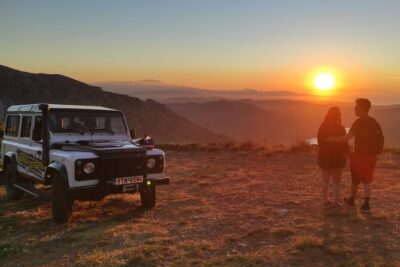
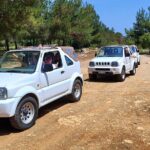
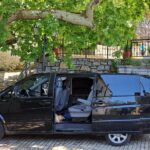
This is the kind of day you book when you want to see a lot without planning every turn yourself. You get private transportation with air-conditioning, bottled water, and USB ports for charging. Pickup and drop-off are handled with flexible timing, which matters in Crete where the day can run a bit warm, slow, and scenic.
The big win is balance. You’re not only chasing ruins; you’re also getting how Crete works—especially through food. The olive oil stop is timed into the day so it doesn’t feel like a rushed shop stop. And once you reach the plateau region, the pace changes. You get a true break from Heraklion traffic and into villages, windmills, and monastery quiet.
You can also read our reviews of more private tours in Heraklion

Aposelemis Dam: views plus the story of a village that disappears
Your day begins at Aposelemis Dam, Crete’s largest water reservoir. What makes this stop interesting is not just the view over the water and hills—it’s the partially submerged village of Sfendyli that can be visible when water levels drop.
This is a good early stop because it’s calming. Admission is free, and you’re given a short window to look around, take photos, and reset. If you like scenery that has a human story attached—people living in a place that later gets reclaimed by water—this one lands well.
Practical note: bring your phone camera. The dam area is one of those places where lighting can change fast, so you’ll want to snap a few angles rather than rely on one “perfect” shot.
Avdou olive oil factory: the tasting is part of the point
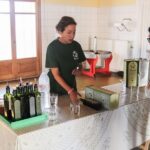
In Avdou, you visit Assargiotakis Yannis Olive Oil S.M.P.C., a small olive oil operation that lets you see the full chain of production. You can expect to learn what happens from harvesting through pressing and on to bottling, then finish with guided tastings of different oils.
This is where the tour earns its value. Many tours say they do food, then it’s mostly a quick stop. Here, you get time—about 45 minutes—for the process and the sensory part (smell and taste). That matters because olive oil on Crete isn’t just a product; it’s a daily ingredient with regional character.
If you’re the type who normally skips “factory tours,” you might still enjoy this one because it’s practical. You’re not just watching. You’re tasting, and you get a framework for why one oil can taste fresher or more pungent than another.
Lassithi Plateau windmills: 19th-century grind culture
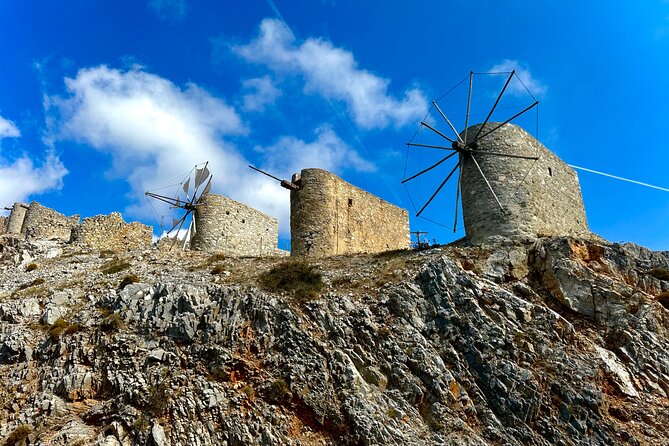
Next up are the Windmills of Lassithi Plateau. These are 19th-century windmills, cylindrical in shape with wooden sails. In their working days, they helped grind grain and support local farming life, which is a nice reminder that this plateau has long been about making food and water work together.
You’ll get a relatively short stop (around 20 minutes). Use it for two things: photos with the plateau behind you and a quick walk for perspective. The windmills look simple until you’re standing near them, then you notice the craft and the scale.
Also, plan for sun. Even when you’re on higher ground, it can still feel bright and warm, so bring water and something with a brim if you’re out for photos.
Vidiani Monastery: a rural reset with birds, two churches, and a small museum
Vidiani Monastery sits in the Lassithi Plateau region and feels like a pause button. The monastery grounds have two churches: one dedicated to Saint Charalambos, and another older church with historic significance.
What I liked in the description is the everyday warmth. Chickens and ducks roam around the grounds, and there’s also a small Museum of Natural History with a collection of stuffed animals native to the plateau. It’s not a huge museum, but it adds a local-science flavor to the day and helps you connect the plateau to the living environment around it.
Admission is included. The stop is about 30 minutes, which is just enough time to enjoy the calm without feeling like you’re stuck for hours.
You can also read our reviews of more tours and experiences in Heraklion

Two hours on the Lassithi Plateau: villages, caves, and time to breathe
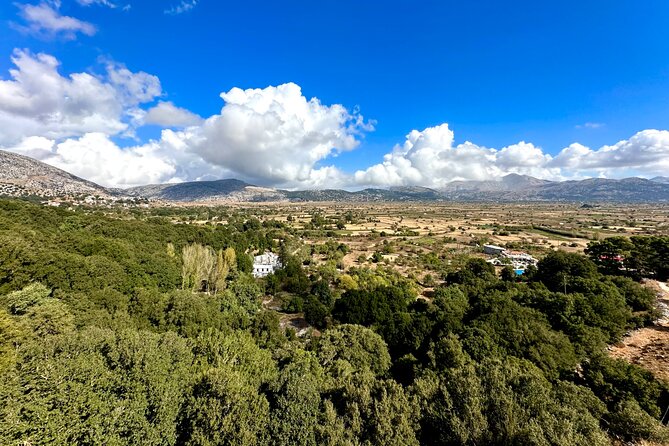
Lassithi Plateau itself is the heart of the rural part of this tour. You’ll be around the Dikti Mountains, with traditional villages, orchards, and fields. The tour gives you about two hours here, and you can choose among options like visiting villages, seeing stone architecture, tasting local Cretan cuisine, exploring ancient caves, or taking a scenic hike with mountain and valley views.
That flexibility is a big deal. It lets you match the plateau to your energy level. If you want calmer strolling, stick to villages and views. If you want movement, add a short cave or hike. Either way, you’re getting a different Crete than the cruise-ship rush around Heraklion.
If you’re traveling with kids or you prefer slower days, tell your driver what pace you want during this portion. A private setup works best when you communicate what “relaxed” means to you.
Krasi Platanus tree and Mochos village: history you can touch
After the plateau stops, the day includes two smaller, very memorable village moments.
In Krasi, you visit a Platanus tree estimated to be around 2,400 years old. It’s often described as the oldest of its kind on the island. The best part here is simple: shade. You can stand under the canopy and feel how the tree has acted like a meeting point across generations. It’s not a building you tour; it’s a living landmark.
Then you head to Mochos, a village in the Lasithi region with narrow winding streets and traditional stone houses. Mochos has a warm village feel, and it’s known for Byzantine churches with frescoes plus a village square that hosts festivals featuring Cretan music and cuisine (when timing lines up). This stop is about 30 minutes, long enough to take photos and soak in the setting without rushing.
These village moments are valuable because they give you the “Crete between attractions” feeling. You come away with fewer checkmarks, more memory.
Zeus Cave: myth plus the small reality check (shoes matter)
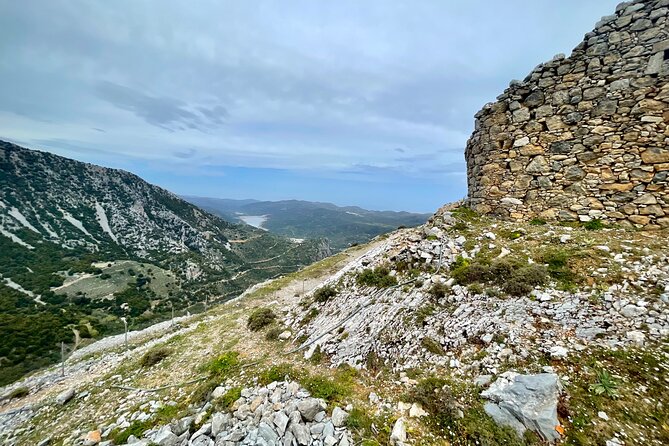
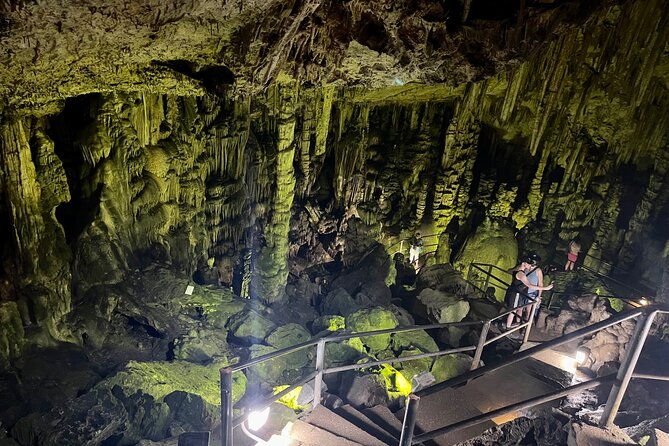
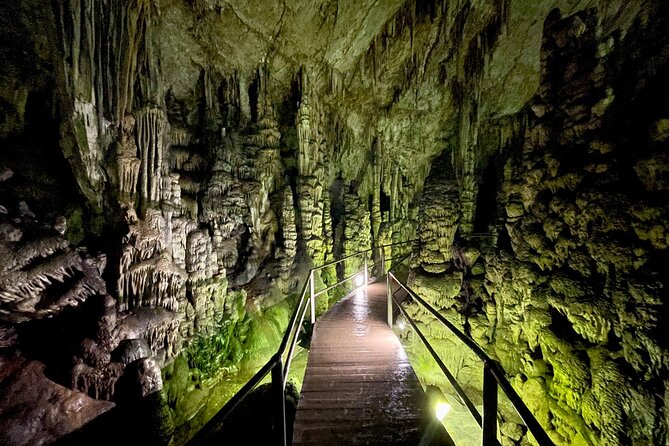
Crete has a lot of myth, but Zeus Cave is one of the spots where the legend feels physical. The tour includes a chance to see the Cave of Zeus, and it’s commonly a highlight.
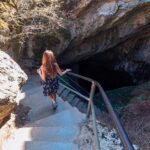
Here’s your practical reality check: good shoes matter. There’s walking with steps involved, and you climb up to the entrance area and then head down into the cave. If you show up in flat sandals or worn-out sneakers, you’ll feel it in your ankles and feet.
Also, timing is worth noting. The schedule can be affected by access conditions, so it’s smart to ask your driver about the current situation if you’re traveling close to seasonal changes or weather disruptions. The experience is meant to be a full day, but caves and stairs are always weather-sensitive.
Knossos Palace: the labyrinth feel, and what you should plan for
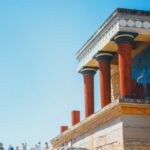
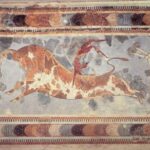
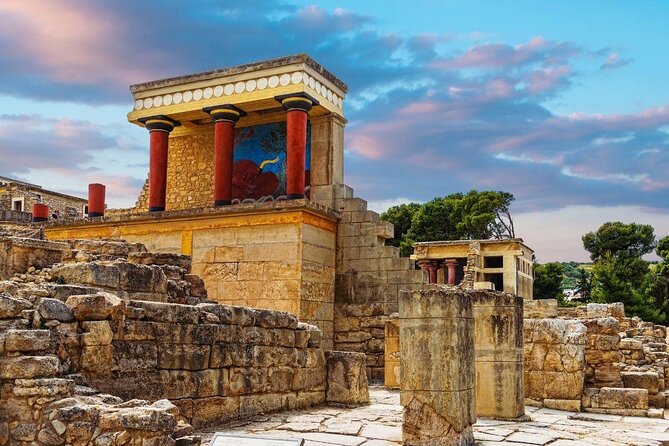
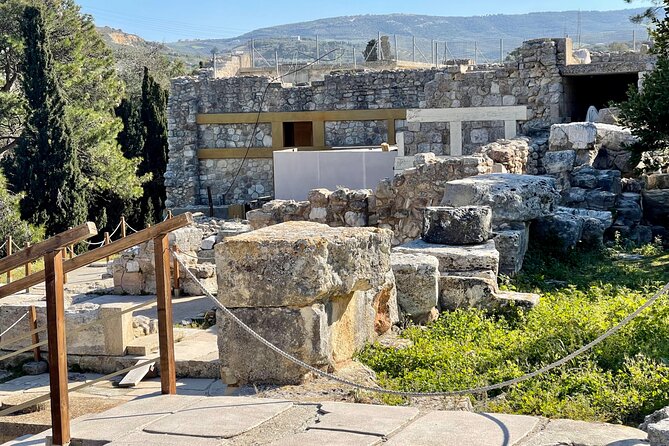
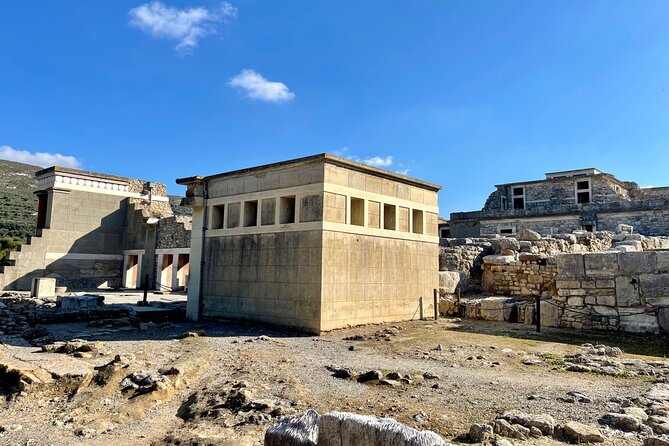
You finish at Knossos, the Palace of Knossos, often called the heart of Minoan civilization. Expect a sprawling archaeological complex with a labyrinth-like layout, big architecture elements, and vivid fresco-style storytelling. It’s tied to Greek mythology through the legendary labyrinth of King Minos, so even if you’re not a hardcore Minoan scholar, you’ll likely feel the myth working as you move around.
Your visit is about 1 hour 15 minutes, and the entrance ticket is not included. The ticket listed is 20€ per person.
Important expectation to set: the tour’s driver-host can share context between stops, but an on-site professional guide inside Knossos is not included in the tour price. If you want deeper interpretation—explaining the palace layouts, symbols, and what’s conjecture versus fact—you may want to hire an onsite guide at Knossos.
How to make Knossos feel worth your time anyway: go in with a simple goal. Pick one theme to watch for—power and administration, ritual spaces, or everyday life. Then walk the site looking for details that match your theme. Even in self-guided mode, it becomes a puzzle you solve instead of a list you race through.
Price and logistics: what you’re actually paying for
The price is $464.43 per group (up to 4). That’s not cheap on a per-person basis, but it’s priced for a private, full-day route that hits a spread of regions. This tour saves you the effort of hiring separate transport for each area and helps you cover multiple zones in one day.
Here’s where the value shows up:
- Private vehicle with A/C, bottled water, and charging.
- Stops include admissions for key experiences like the olive oil factory tastings and the Vidiani Monastery component.
- Several sightseeing stops have free admission, so you’re not buying tickets for every single viewpoint.
- Pickup and drop-off with flexible timing helps you avoid the “meet at 9 sharp, no matter what” problem.
The main extra cost you should budget is Knossos admission at 20€ per person. If you’re a group of four, that’s manageable, and it’s still likely cheaper than doing multiple transfers or paying for separate guided services for each area.
If you’re trying to decide between this and a more traditional guided tour, choose this one if you want control of pace, a private car, and the food/culture stops built into the day.
Who this private adventure suits best
This tour fits best if:
- You want a full-day sampler of Crete beyond Heraklion, mixing myth sites with rural village life.
- You like being able to ask questions while you travel.
- You enjoy food experiences and want to learn something practical—especially olive oil tasting and production.
It may not be ideal if:
- You want a specialist archaeology guide inside Knossos included in the price.
- You expect the driver to provide full on-site commentary at every archaeological stop.
That doesn’t mean you won’t learn. Many guests highlight hosts like Leonidas for storytelling and on-road context. It just means you should know where the boundaries are and plan your expectations.
Should you book this full-day Knossos-Zeus territory trip?
If your idea of a great day is a private car, a mix of modern and ancient stops, and time in rural Crete—this is a strong pick. The olive oil factory experience plus the plateau villages add real texture, and the day isn’t only about buildings.
I’d book it if you’re traveling in a group of up to four and you want one well-run route from Heraklion. I’d also book it if Knossos is a must, but you’re comfortable adding an onsite guide there if you crave deeper interpretation. And if Zeus Cave is a top priority, bring sturdy shoes and build in the mindset that caves and steps are part of the package.
FAQ
How long is the full-day tour?
It runs about 7 to 8 hours.
What’s the group size limit for the private tour?
The tour is priced for up to 4 people per group.
Is pickup and drop-off included?
Yes, pickup and drop-off are offered with a flexibly adjusted time, and bottled water is included.
Are admission tickets included for Knossos?
No. Knossos entrance tickets are not included and are listed at 20€ per person.
Does the olive oil stop include tastings?
Yes. The olive oil factory tour includes guided tastings of different oils, and it’s included in the price.
Is there mobile ticket access?
Yes, the tour includes a mobile ticket.
What’s the main footwear tip for Zeus Cave?
Bring good shoes. There’s walking with a climb to the entrance area and then down into the cave.
Is free cancellation available?
Yes, you can cancel up to 24 hours in advance for a full refund.