A sea-side break that fits any day. The CRETAquarium ticket is a simple way to see Mediterranean life up close, inside a major research-and-education park in Heraklion.
I especially like the mix of habitats—Mediterranean caves and open-ocean areas—because it feels like you’re walking through different real ecosystems, not just staring at one big room. I also love the shallow, open-topped tanks where you get a different viewing angle on familiar species like jellyfish and clownfish. One thing to consider: the full route is designed for about 1 hour, and in summer it can get crowded between 11:00 AM and 4:00 PM, so timing affects how pleasant it feels.
In This Review
- Key Things I’d Focus On Before You Go
- CRETAquarium in Heraklion: What You’re Really Buying
- Price and Value: Is $9 Good Here?
- How Long You’ll Need (and When Lines Get Real)
- Getting There From Heraklion (Fast, Simple, and Low-Stress)
- Your Walk Through the Mediterranean Habitats
- Mediterranean caves and crevices (the “hidden corners” stop)
- Open ocean display (where sharks circle and feeding moments happen)
- Shallow, open-topped tanks (jellyfish and clownfish viewing)
- The THALASSOKOSMOS Angle: Why This Aquarium Feels Different
- Education and awareness you can actually use
- Research and protection that’s tied to real concerns
- Facilities You’ll Notice on Arrival (Parking, Cafe, and Comfort)
- Small Rules That Can Affect Your Day
- Who Should Book CRETAquarium (and Who Might Want to Skip)
- Should You Book CRETAquarium?
- FAQ
- FAQ
- How long does it take to explore CRETAquarium?
- Is a guided tour included in the ticket?
- Do I need to buy an audio guide?
- How much is the admission ticket?
- Is transport to the aquarium included?
- Is CRETAquarium wheelchair accessible?
- Are pets allowed inside the aquarium?
- Are food and drinks included?
- When is the aquarium busiest?
- What is the cancellation policy?
Key Things I’d Focus On Before You Go
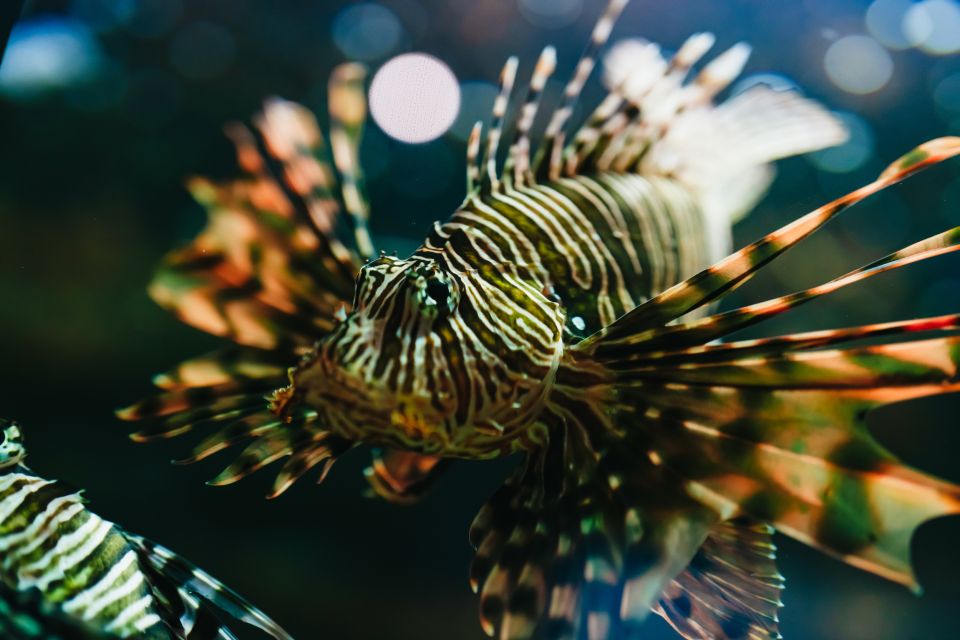
- 60 habitats with a lot of species variety in a route that’s easy to finish in a short day
- 2,000+ sea creatures (and 1,200+ marine organisms mentioned) gives you good density for the ticket price
- Mediterranean-specific exhibits like caves, crevices, stingrays, and scorpionfish
- Sharks you can see circling around the open-ocean area, tied to feeding-style moments
- Shallow open-topped tanks for a more direct look at jellyfish and tropical clownfish
- THALASSOKOSMOS/HCMR education mission so you’re not just entertained—you learn why the sea matters
CRETAquarium in Heraklion: What You’re Really Buying
For about $9 per person, you’re buying a one-day pass to one of Europe’s larger aquariums, located inside the THALASSOKOSMOS complex in Heraklion (part of the HCMR facilities). The selling point isn’t just the number of tanks—it’s the way the park blends recreation with a real science-and-education mission.
Practically, that means you’ll walk through 60 different habitats and see over 2,000 sea creatures spread across Mediterranean settings and related displays. You’ll also notice a lot of attention to how visitors learn: themed areas, clear layout, and information aimed at different ages.
You can also read our reviews of more tours and experiences in Heraklion

Price and Value: Is $9 Good Here?
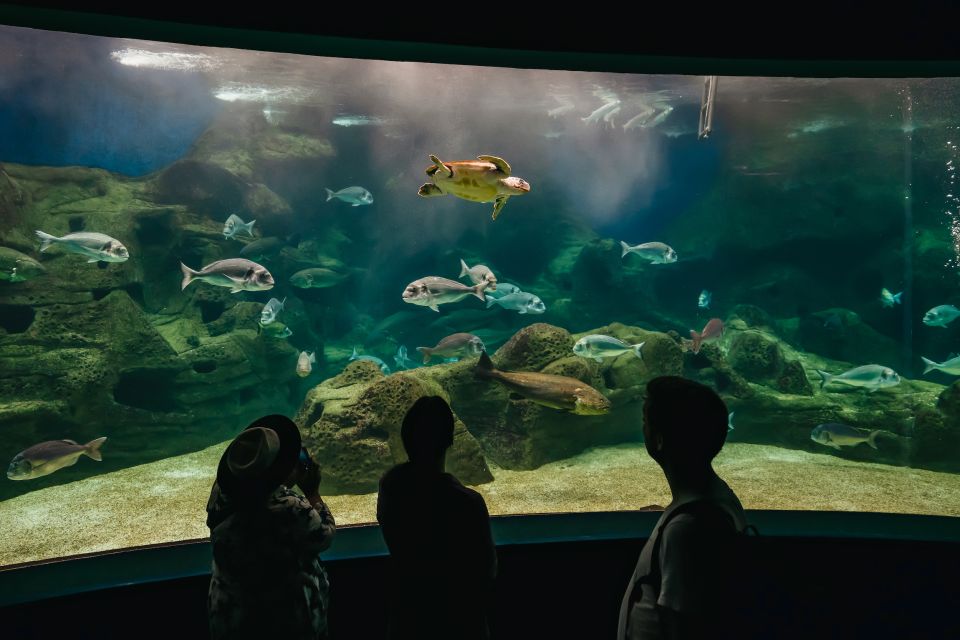
Yes—$9 is strong value for what you get: a full entry ticket to an aquarium complex that can easily fill a morning or a short afternoon. This isn’t one of those “one tank and done” setups. Even the reviews’ overall vibe lines up with the idea that you can cover a lot of ground quickly without feeling rushed.
Also, you’re not forced into extra costs. Your ticket includes entry only, and that’s usually enough to enjoy the route. If you want more context, you can rent an audio guide at reception for 3€ in 9 languages—handy if you like explanations while you walk.
How Long You’ll Need (and When Lines Get Real)
Plan on about 1 hour to explore. That matches the way the aquarium is set up, so it works well as a “pause button” in a day that’s otherwise all beaches, bus rides, and ruins.
In the real world, I’d still give yourself some breathing room. Some people naturally spend longer—especially if you stop for photos, linger at the big glass panels, or read signage. If you have kids, you might also slow down at the most animated areas.
Timing matters. In summer, the busiest window is 11:00 AM to 4:00 PM, and that’s when lines can run long. The easiest strategy is simple: go early or go later, and you’ll keep the visit calm and comfortable.
Getting There From Heraklion (Fast, Simple, and Low-Stress)
Transportation is on you, but it’s straightforward. The aquarium is about 25 minutes by car or taxi from Heraklion, and about 25 minutes from Malia or Hersonissos. The meeting point is reached via the national road, so you’re not dealing with a maze of side streets.
If you’re driving, you’ll likely appreciate that the site is visitor-friendly. If you’re taking a taxi, ask to be dropped at the THALASSOKOSMOS/CRETAquarium entrance and then you’ll follow the on-site signs once you’re in.
Bring comfortable shoes. You’ll be walking a fair amount indoors and moving between themed habitats.
Your Walk Through the Mediterranean Habitats
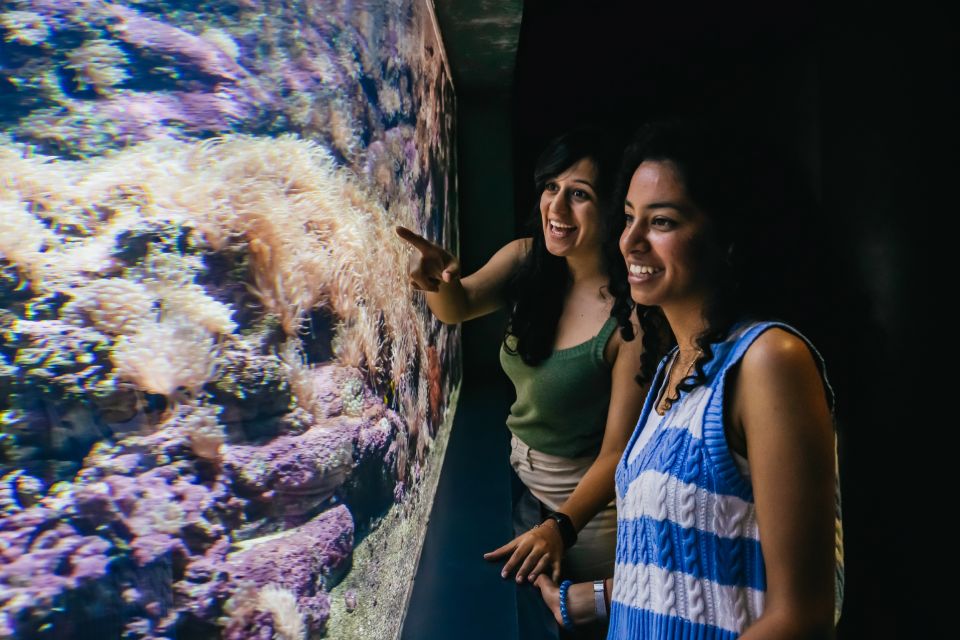
The route is built around a logical flow: Mediterranean life first, then open-ocean displays, then the shallow-tank viewing areas. Even if you don’t read every panel, the layout helps you keep your bearings.
Here’s what you can expect to see as you move through the aquarium:




Mediterranean caves and crevices (the “hidden corners” stop)
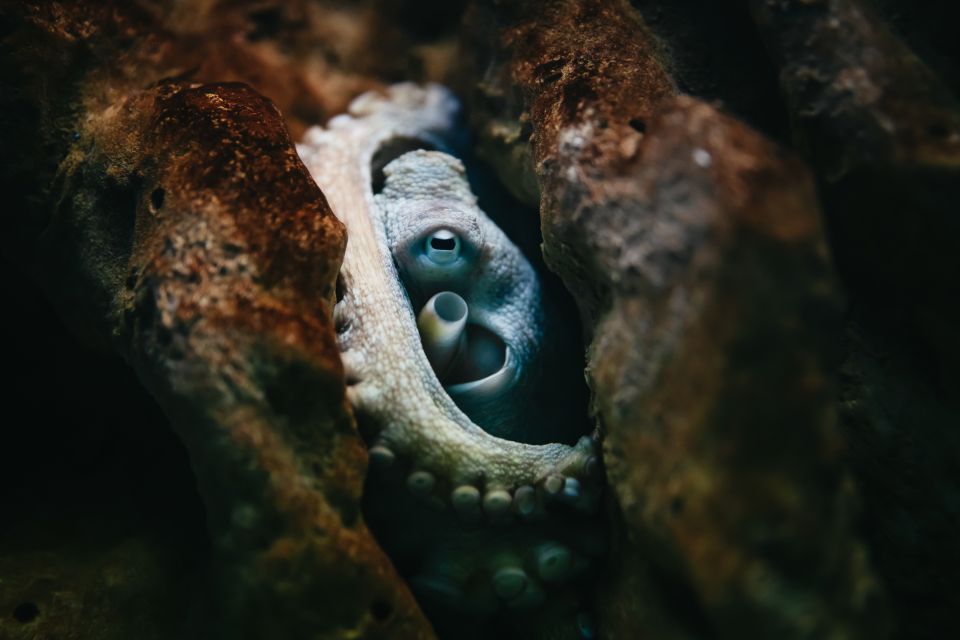
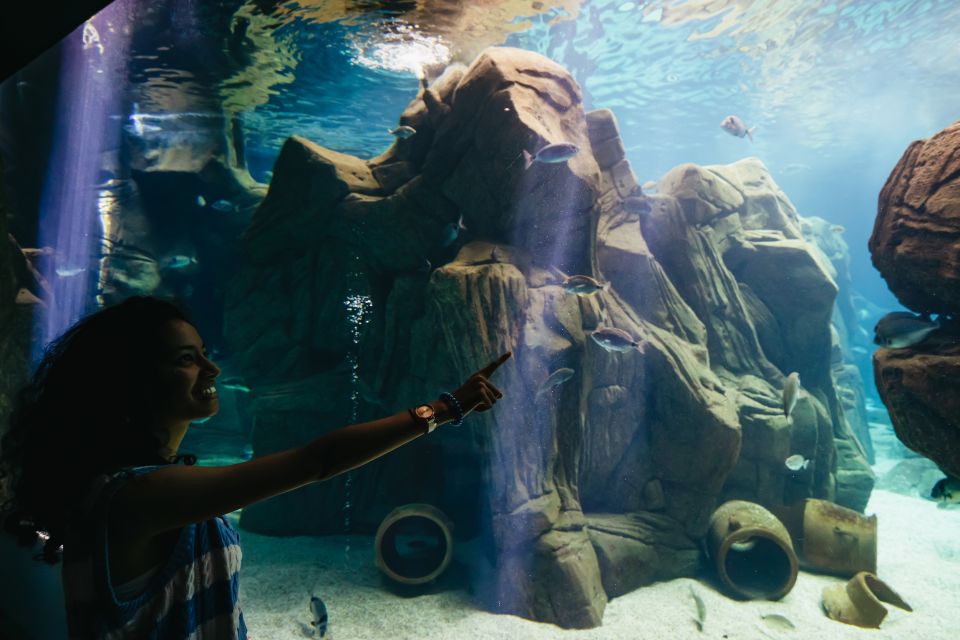
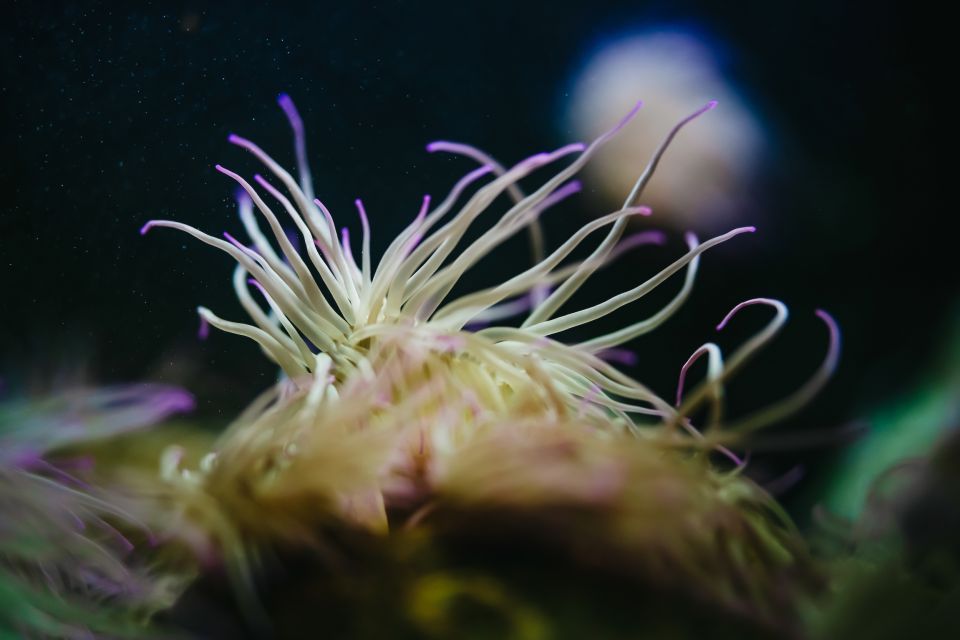
One of the coolest parts is the emphasis on Mediterranean micro-worlds—caves and crevices—with animals like stingrays and rock-like scorpionfish. This is a great stop if you like the feel of “camouflage habitat,” where the tank design tries to mimic the real seafloor look.
Why it’s worth your time: it’s not just about big, showy fish. These displays reward attention. If you slow down, you often notice small movement and subtle coloration that you’d miss at a rushing pace.
Open ocean display (where sharks circle and feeding moments happen)
Then you move into the open-ocean area. This is where the aquarium leans into spectacle: you’ll see sharks in a large space, and the setup is designed around feeding-style activity (you may catch them at those moments, depending on timing inside).
Drawback to keep in mind: feeding moments don’t mean you’ll always get a perfect view at the exact second you arrive. If you care about seeing it clearly, hang out for a bit rather than sprinting through.
Shallow, open-topped tanks (jellyfish and clownfish viewing)
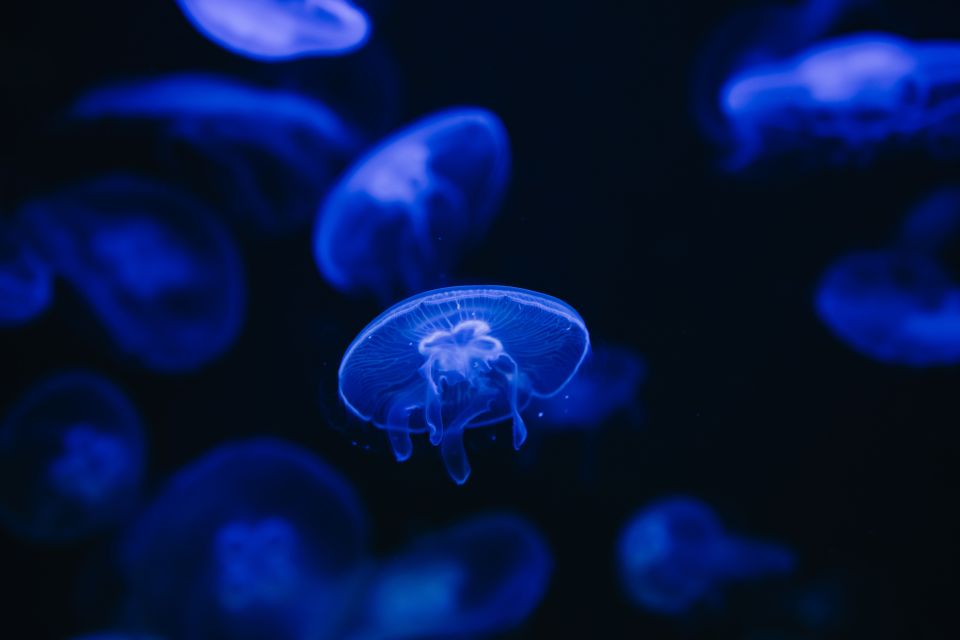
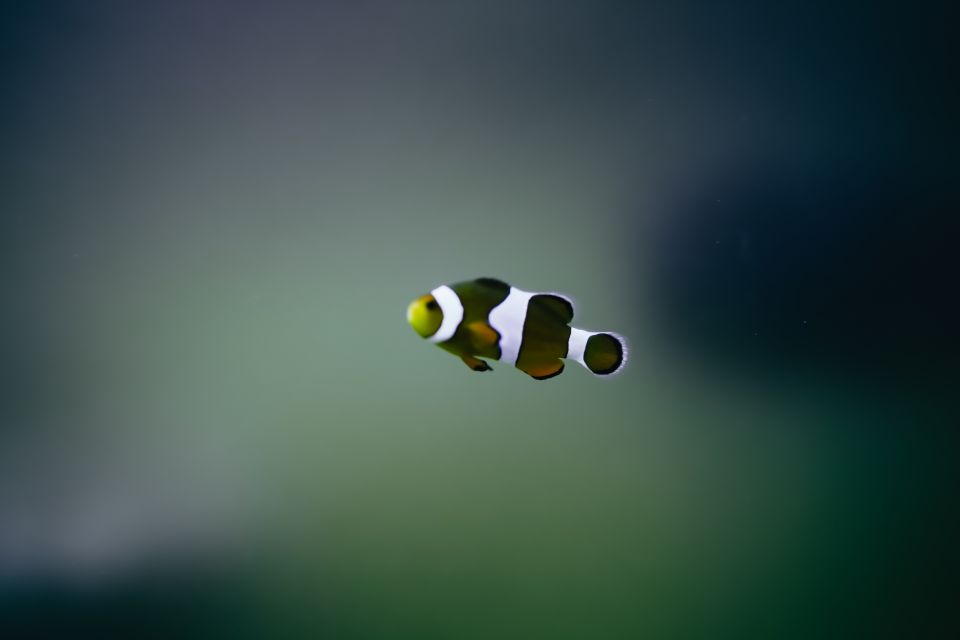
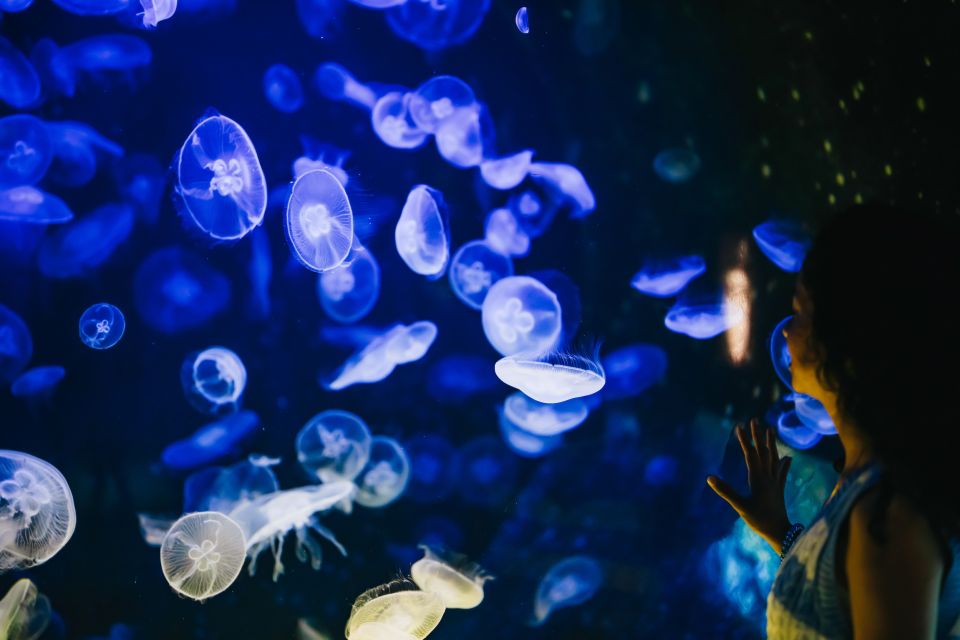
The aquarium also includes shallow, open-topped tanks that give you a different perspective on familiar species. Look for jellyfish and schools of tropical clownfish here.
This stop often feels more personal than the larger glass-panel areas because you’re closer to the animals in both height and viewing angle. It’s also a good “reset” between heavier exhibits—calmer, easier to watch, and great for kids who like to track movement rather than read.
The THALASSOKOSMOS Angle: Why This Aquarium Feels Different
CRETAquarium isn’t just a ticketed attraction plopped into a building. It’s part of the THALASSOKOSMOS complex, linked to HCMR (marine research and technology facilities). The whole place is meant to spread marine knowledge and make science approachable.
That shows up in the aquarium’s three broad pillars:
Education and awareness you can actually use
The aquarium runs interactive educational programs for different age groups. You’ll also see an emphasis on ethics and welfare—basically, the message that responsible care isn’t optional, it’s part of the mission. It’s the kind of context that makes the visit feel more purposeful, especially for families.
Research and protection that’s tied to real concerns
The aquarium and HCMR focus on research themes like the impact of climate change on marine organisms, plus tracking growth, reproduction, behavior, and life cycles for species that are less studied.
You’ll also notice special focus on threatened animals, including work connected to sea turtles. The idea is recovery, then return to the natural environment after treatment.
Facilities You’ll Notice on Arrival (Parking, Cafe, and Comfort)
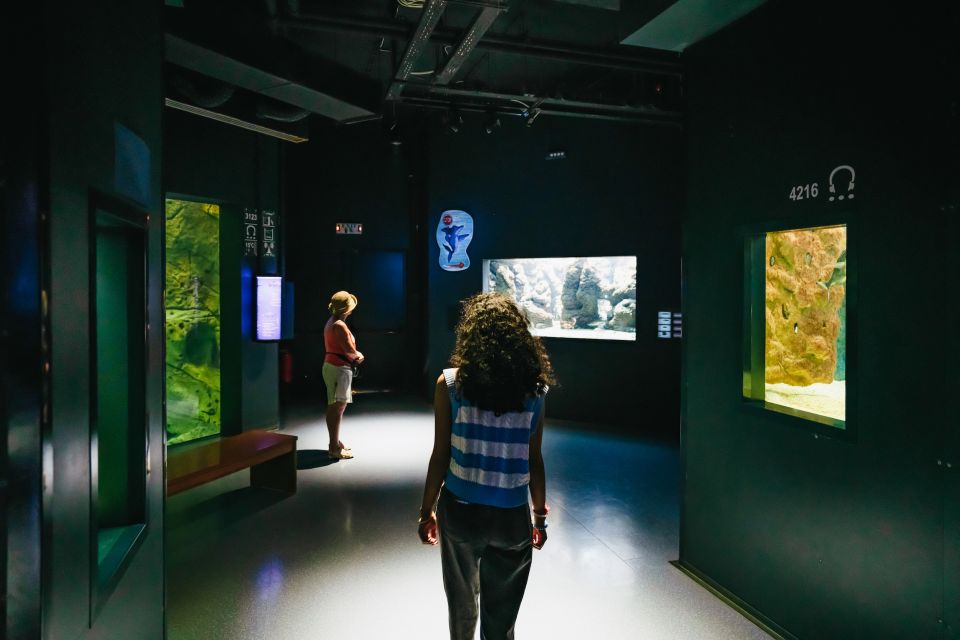
One reason this place gets recommended is that it’s not a pain to be there. You’re likely to appreciate visitor basics like clean facilities, good signage, and a route that makes sense without needing a guide.
There’s also a cafeteria on-site, and it’s a practical win if you don’t want to plan a full meal around your aquarium stop. Some visitors have praised the cafe food, and there’s a gift shop as well.
If you’re pairing it with a beach moment afterward, the location can work well. The area around the aquarium has been used as a springboard for an easy afternoon by the sea—especially when the water is calm and shallow near the shore.
Small Rules That Can Affect Your Day
Keep these in mind so you don’t hit a last-minute snag:
- No pets
- No smoking
- No alcohol and drugs
- Bring comfortable shoes
- The visit is planned for about 1 hour, so don’t schedule something stressful immediately after
Also, audio guide is optional (not included). If you want it, rent it at reception for 3€ in 9 languages.
Who Should Book CRETAquarium (and Who Might Want to Skip)
This is a great fit if you want a family-friendly stop in Heraklion that doesn’t eat your whole day. Because the route is short and focused, it works well for travelers with mixed interests—people who want something calm indoors, and people who still want time outside.
It’s also a smart choice if you like Mediterranean-specific content. The displays center on Mediterranean habitats like caves/crevices, plus open-ocean creatures, so it doesn’t feel like generic “tropical fish only.”
If you’re an aquarium superfan who wants long hours, lots of extremely rare species, and multiple deep specialty dives into one subject, this might feel a bit short. The upside is that you don’t get trapped for half a day either—you can keep moving.
Should You Book CRETAquarium?
Yes, book it if you want a high-value, low-commitment aquarium in Heraklion. With a ticket around $9, a clear route that typically takes about 1 hour, and Mediterranean-focused habitats plus open-topped viewing tanks, it’s one of those places that works for families, couples, and solo travelers who want something different from beaches and ruins.
If your travel timing lands you in summer peak hours (11:00 AM to 4:00 PM), plan to arrive earlier or later so you can enjoy it without fighting crowds.
FAQ
FAQ
How long does it take to explore CRETAquarium?
You should plan on about 1 hour to explore the aquarium.
Is a guided tour included in the ticket?
No, a guided tour is not included.
Do I need to buy an audio guide?
No. An optional audio guide can be rented at the reception for 3€ in 9 languages.
How much is the admission ticket?
The price is listed as $9 per person, and it covers the entrance fee.
Is transport to the aquarium included?
No. Transport to the aquarium is not included.
Is CRETAquarium wheelchair accessible?
Yes, it is wheelchair accessible.
Are pets allowed inside the aquarium?
No, pets are not allowed.
Are food and drinks included?
No. Food and drinks are not included, though there is a cafeteria on-site.
When is the aquarium busiest?
It usually gets very busy in summer between 11:00 AM and 4:00 PM.
What is the cancellation policy?
There is free cancellation up to 24 hours in advance for a full refund.