Wine in the hills beats any bar stop. This small-group tasting, themed Meet the Cretan Vineyard, brings you into a tranquil mountain-village setting near Chania (Kissamos) and turns wine into a guided story. You sample five wines plus local foods, while learning how Crete’s soils and winemaking shaped the island’s native grape varieties.
I especially loved the hands-on, people-first feel. A young woman oenologist (welcoming and friendly) explains what you’re tasting in plain language, with a strong focus on family character and respect for nature. And the food is not an afterthought: you get artisanal cheeses, savory pies, honey, and olive oil designed to match the wines.
One thing to consider: it’s about 1 hour 30 minutes, so it moves at a friendly pace but won’t replace a full day in the countryside. Also, the experience depends on good weather, so plan for the possibility of a different date if conditions aren’t right.
In This Review
- Key Things I’d Put on Your Radar
- Chania’s West Side Wine Mood: Kissamos, Mountains, and Quiet Air
- The 90-Minute Tasting Plan: What You’ll Drink and Eat
- Meet the Cretan Vineyard: How the Guide Brings the Wine to Life
- Pairing Real Crete: Cheese, Pies, Honey, Olive Oil
- Small Group Magic: Max 10 People, More Conversation
- Price and Value: Why $60.01 Can Make Sense Here
- Practical Tips to Enjoy It Fully (No Wine Snob Required)
- Where This Experience Fits Best in Your West Chania Day
- Should You Book the West Chania Wine Tasting?
- FAQ
- What’s the duration of the Meet the Cretan Vineyard wine tasting?
- Where does the experience start?
- How many wines are included?
- Is food included with the tasting?
- What language is the tour offered in?
- Is there an age requirement?
- What’s the group size?
- What happens if the weather is poor?
Key Things I’d Put on Your Radar
- Five wines for one ticket: You’re not just sampling a pour or two; you’ll taste through a lineup created by passionate winemakers.
- Native and rare Crete varieties: Expect an oenological journey that spotlights what makes the island’s grapes distinct.
- Local bites that match the pours: Cheese, savory pies, honey, and olive oil show up as real pairing support.
- Small group setup (max 10): Easier conversation, more back-and-forth about winemaking choices.
- English offered: Explanations come in a language most visitors can follow comfortably.
Chania’s West Side Wine Mood: Kissamos, Mountains, and Quiet Air
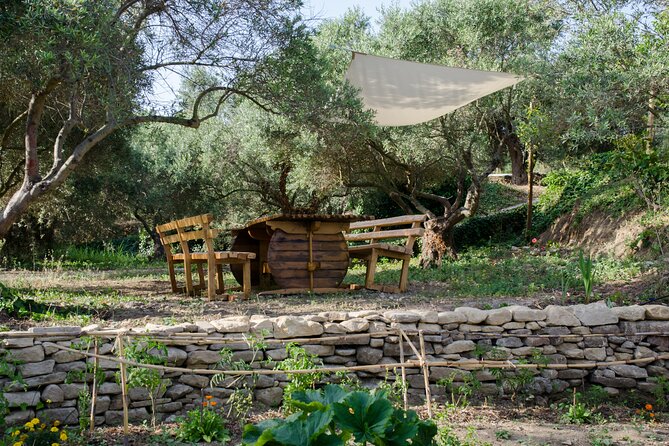
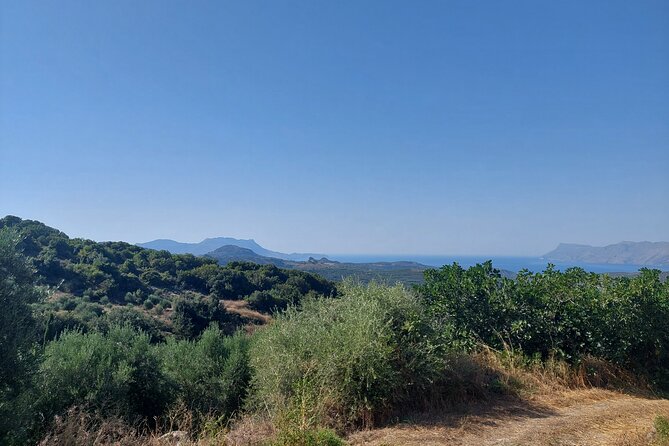
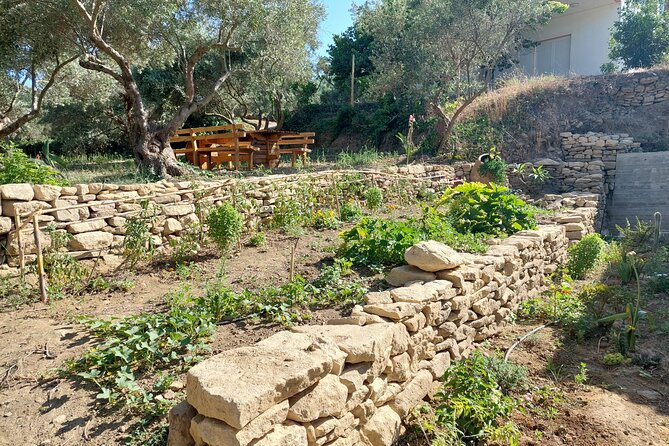
Chania is famous for its old town vibe, but this experience leans into a different side of Crete: calmer, higher ground and mountain air. The tasting happens in a peaceful mountain village in the Kissamos area, so the mood is slower and more grounded than what you’ll find in the busier waterfront stops.
That setting matters because wine tastings work better when you’re not rushing. When the air feels fresh and the pace is relaxed, you can actually notice differences between wines—like how acidity feels, how long flavors linger, and how the food changes what you taste. You also get a more authentic sense of local life, especially when the producers and food elements are tied to the surrounding villages.
This isn’t a “look at the view and leave” kind of activity. It’s more like a guided evening class, except you get to drink what you’re learning about—responsibly, of course, since there’s an age requirement (18+).
You can also read our reviews of more food & drink experiences in Chania


The 90-Minute Tasting Plan: What You’ll Drink and Eat
At a glance, you’re looking at about 1 hour 30 minutes. That timing is part of the value. You’ll get enough time to taste multiple wines, ask questions, and eat along the way, without the tour stretching into a whole afternoon you didn’t plan for.
Here’s the core of what’s included:
- Five wines chosen to represent Crete’s most representative native and some rare varieties
- Local pairings, including artisanal cheeses, savory pies, honey, and olive oil
- Explanations about the winemaking history of Crete and the processes used by the selected winemakers
A strong detail in the experience description is the “oenological journey” framing. In normal tastings, you might hear facts. Here, the goal is to connect those facts to what’s in your glass—so the wine doesn’t feel like random variety numbers.
One practical upside for you: with five wines, you’ll usually leave with a clear preference. Even if you don’t consider yourself a wine expert, you’ll likely find at least one style you want to remember later when you see it on menus or shop shelves.
Meet the Cretan Vineyard: How the Guide Brings the Wine to Life
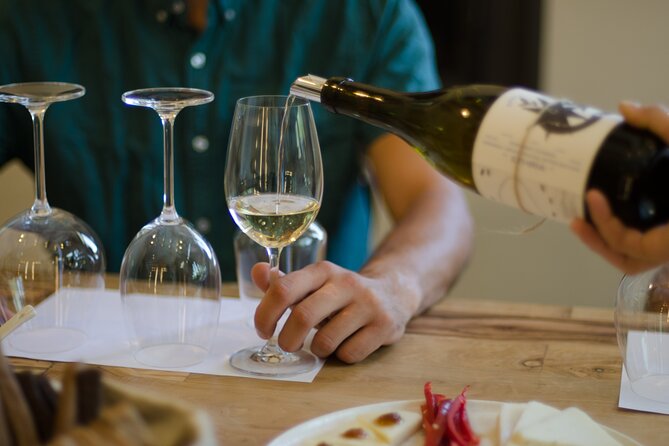
The theme, Meet the Cretan Vineyard, isn’t just branding. The experience is built around telling you why Crete’s wines taste the way they do. You’ll get insights into Crete’s winemaking history and how the selected winemakers approach their craft.
In the reviews you can feel what that teaching style means in practice: the tone is friendly, welcoming, and family-oriented, and the guide ties respect for nature into how wines are made. That approach matters because it makes the tasting feel personal, not academic.
You’ll also notice the lineup is presented as representative of the island—not generic Greek wine. The description points to native and rare varieties, which is exactly what you want if you’re tired of tasting the same internationally known styles over and over.
If you’re the kind of traveler who likes asking questions, this format is a good match. With a max group size of 10, conversation doesn’t get swallowed by crowd noise, and you’re more likely to get direct answers instead of general statements.
Pairing Real Crete: Cheese, Pies, Honey, Olive Oil
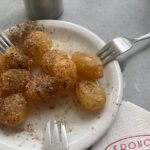
Food pairings are where many tastings either shine or fall flat. Here, the selection is thoughtfully local: artisanal cheeses, savory pies, honey, and olive oil.
I like these pairings because they’re not “fancy garnish.” They’re everyday flavors you can connect to Crete’s food culture. Cheese gives you a creamy, salty anchor that helps you notice how a wine handles fat and texture. Savory pies add a savory, sometimes herby note that can highlight a wine’s structure.
Honey and olive oil are a smart addition too. Honey helps you experience sweetness and aroma in a way that can make certain wines feel brighter or more aromatic. Olive oil brings a different kind of richness—useful for understanding how mouthfeel changes when food has a smoother, more rounded fat profile.
Also, one of the reviews points out that some of the food is produced by people from villages around the tasting area. That’s the kind of detail you hope for: it means you’re not just eating “tour food,” but something with local roots.
Small Group Magic: Max 10 People, More Conversation
A max group size of 10 travelers is a big deal here. It keeps the experience from feeling like a timed cattle line through wine glasses. Instead, it supports back-and-forth—especially useful when you want to understand what you’re tasting rather than just check a box.
The experience is offered in English, which reduces friction. In wine tastings, misunderstanding a basic term can make the whole thing feel confusing. English makes it easier to follow the guide’s explanation of processes and the history behind the wines.
The best part of a small group setting? You don’t feel stuck watching. You can pay attention to your glass, ask what matters to you, and adjust as you go. If you’re traveling solo, this kind of group can feel friendly rather than awkward.
You can also read our reviews of more wine tours in Chania


Price and Value: Why $60.01 Can Make Sense Here
Let’s talk money without pretending wine is always a bargain. At $60.01 per person, this isn’t a “cheap sip and run.” But you’re buying a package: five wines plus local foods plus guided storytelling about Crete’s winemaking.
Here’s how I judge value for tastings like this:
- Number of wines: Five is solid. You’re not paying for one or two samples.
- Food pairing included: Cheese, pies, honey, and olive oil add real weight to the ticket value.
- Guided teaching: You’re not left alone with a menu. You get context about native varieties and winemaking processes.
- Small group experience: Max 10 can justify a higher per-person cost when it improves the quality of interaction.
Another value signal: it’s commonly booked about 25 days in advance. That doesn’t guarantee quality, but it usually means people find it worth planning around instead of waiting for last-minute changes.
If you were thinking of doing a DIY wine tasting, you’d still need to find a place, pay for multiple wines, and then pay for food—or go hungry. This package handles the pairing logic for you.
Practical Tips to Enjoy It Fully (No Wine Snob Required)
You don’t need to know your grapes to enjoy this. You just need a strategy so you can taste with intention.
- Plan for the 18+ rule: If anyone in your group is under 18, this one won’t work for them.
- Come ready to taste across styles: The description signals representative and rare varieties. That range can mean you’ll notice big differences wine to wine.
- Eat during the tasting, not before rushing: The food is part of how you understand the wines, especially cheese and savory pies.
- Ask one good question: Something like what process choice changes aroma or what native variety tastes like. With only up to 10 people, your question will likely land.
- Check the weather timing: The experience requires good weather. If it shifts, be flexible rather than stubborn.
One more small practical note: the tour uses a mobile ticket, so have it ready offline or on your phone at check-in time.
Where This Experience Fits Best in Your West Chania Day
This works best when you want an actual local connection, not just a photo stop. Pair it with other West Chania plans like relaxed village walks or a slow lunch nearby—then let the tasting bring the food-and-wine theme together.
It’s especially good for:
- Couples who want a friendly, guided activity without big group energy
- Wine lovers who want native Crete grapes explained clearly in English
- Foodies who appreciate local cheeses, pies, honey, and olive oil more than fancy tasting jargon
If you’re the kind of traveler who hates structured activities, this might feel a bit “planned,” but the tone is described as welcoming and friendly, so it shouldn’t feel stiff.
Should You Book the West Chania Wine Tasting?
I’d book it if you want a guided tasting that actually teaches you something about Crete’s native wine world, without making it complicated. The biggest reasons to say yes for me are the mix of five wines, the real local food pairings, and the small-group atmosphere that keeps the conversation human.
Skip it only if you need something longer or more hands-on than a tasting experience, or if your schedule can’t flex in case of a weather-related change. Otherwise, this feels like a smart use of a morning or afternoon window—especially when you’re already spending time in Chania and want to reach a quieter corner of the island.
FAQ
What’s the duration of the Meet the Cretan Vineyard wine tasting?
It runs about 1 hour 30 minutes.
Where does the experience start?
The start point is PoTolo | Tasting Experiences, Tsourouniana 730 10, Greece.
How many wines are included?
You’ll taste five wines.
Is food included with the tasting?
Yes. The tasting includes locally sourced delicacies such as artisanal cheeses, savory pies, honey, and olive oil.
What language is the tour offered in?
The experience is offered in English.
Is there an age requirement?
Yes, the age required for the wine is above 18 years old.
What’s the group size?
The experience has a maximum of 10 travelers.
What happens if the weather is poor?
The experience requires good weather. If it’s canceled due to poor weather, you’ll be offered a different date or a full refund. Free cancellation is available up to 24 hours in advance for a full refund.