Zeus waits past the off-road dust. This 8-hour Crete safari strings together wild dirt roads and myth stops with pickup, a proper lunch, and real rural scenes. I love how the day mixes adrenaline with story: the drive through Embasa Gorge and the climb up to Psychro Cave feel like you left the tourist loop behind. One thing to plan for: the Cave of Zeus ticket is extra (15€), and the walking uphill is not for lazy shoes.
What really makes this work is the human factor. Guides like Mike, George, and Vagelis bring the day to life with humor, local context, and smooth pacing across viewpoints and villages. You’ll also spend real time at the places that matter, from Potamies farm life to the old plane trees in Krasi. Just remember: routes and stops can change for safety or weather, so keep your day flexible.
In This Review
- Key highlights at a glance
- Off-Road Safari Days Feel Different on Crete
- Pickup, Vehicles, and the Real-Time Rhythm of an 8-Hour Day
- Potamies: Farm Life, Milking, and the Cheese You Can Taste
- Aposelemis Dam and Sfendili: When a Village Lives Under Water
- Embasa Gorge Off-Road: The Dirt-Road Thrill
- Diktaion Andron and Seli Windmills: Big Views, Short Stops
- Lasithi Plateau and Psychro Cave: Zeus on the Map
- Krasi Lunch, Plane Trees, and That Last-Hour Village Calm
- Price and Value: What $104 Buys You (Plus the 15€ Cave Ticket)
- Who This Tour Suits Best (and Who Should Skip It)
- So, Should You Book the Crete Zeus Off-Road Tour?
- FAQ
- How long is the Crete Lasithi Plateau and Cave of Zeus off-road safari tour?
- What is included in the price?
- What is not included?
- Do I need to buy the Cave of Zeus ticket separately?
- What happens if the Cave of Zeus is closed?
- Where does pickup happen?
- What vehicle is used for the tour?
- What languages are the live guides available in?
- Is the tour suitable if I have heart problems or recent surgery?
Key highlights at a glance
- Off-road time through Embasa/Embassa Gorge for those who want Crete off the paved track
- Psychro Cave (birthplace of Zeus) on the Lasithi Plateau, with the ticket handled separately
- Potamies farm visit focused on milking, cheese-making, and tasting local products
- Aposelemis Dam and the submerged village of Sfendili plus wetlands and bird-spotting time
- Krasi lunch in a wood-oven taverna and a close look at plane trees older than 2,000 years
Off-Road Safari Days Feel Different on Crete
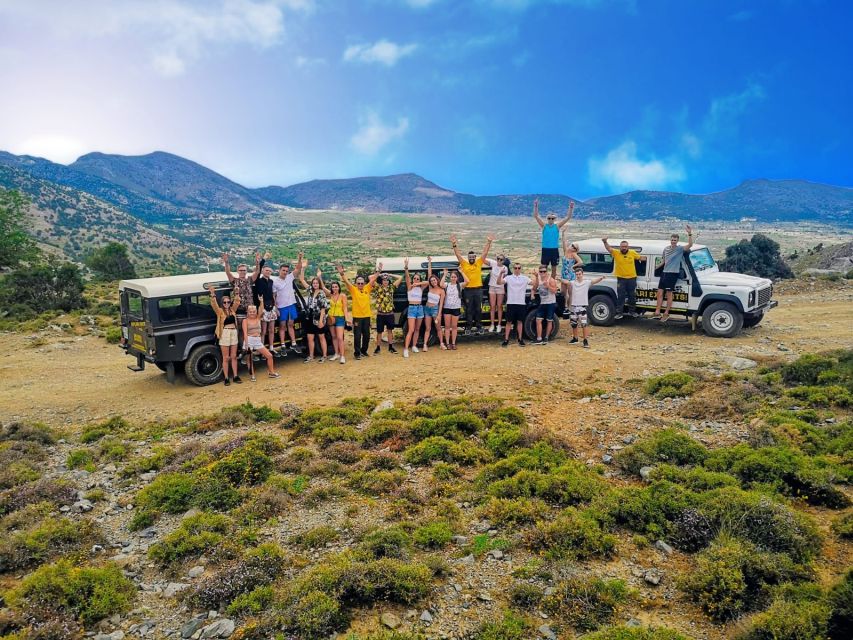
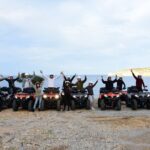
This tour is built around a simple idea: Crete isn’t only beaches and bus stops. You get a full day where the driving itself is part of the experience. The day starts with pickup from your accommodation and then moves fast into the interior, where dirt roads, high viewpoints, and mountain villages replace the coastal rhythm.
I like the balance here. There’s enough scenery and photo time to enjoy the island from above, but the itinerary keeps pulling you toward people and practices. Potamies isn’t just a photo stop; it’s a look at how rural Crete eats, works, and keeps animals healthy. Same story at Krasi, where the lunch isn’t some generic meal—it’s tied to the village feel, the square, and the shade from the oldest plane tree in the area.
The other key point is pacing. Even with a packed route, the stops are spaced out enough that the day doesn’t feel like a nonstop sprint. You’ll still walk some—especially around the cave area—but you’re not stuck climbing every minute.
You can also read our reviews of more tours and experiences in Crete


Pickup, Vehicles, and the Real-Time Rhythm of an 8-Hour Day
You’ll be collected from your hotel, and the operator asks you to be ready about 15 minutes before your scheduled pickup. If you’re staying on a street the vehicle can’t access, they’ll set a nearby meeting point. After pickup, the tour stays organized around a steady rhythm: drive, stop, small walk, then back to the vehicle for the next viewpoint.
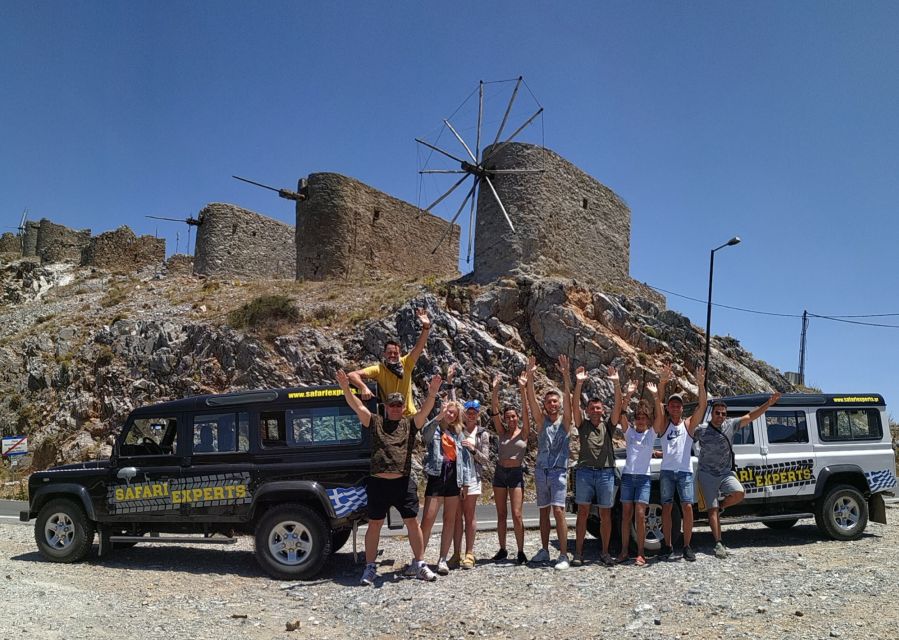
The transportation is either a Land Rover Defender or a 4×4 Mercedes Vito, and it’s listed as fully AC. In practice, you’ll be spending real time outdoors, so wear layers. Mountain weather can shift, and in the interior you’ll feel it even on a sunny day.
For me, the best part of this kind of day is that you don’t have to think. Your guide—often a driver who also tells stories—handles the turning points and keeps the group moving at a pace that makes sense. Reviews repeatedly mention guides like Mike, George, Andreas, Mario, Elias, and Nikos for being fun and engaged, not robotic at the microphone.
One practical note: there are off-road sections and stone roads. Wear comfortable shoes and plan to sit in a moving vehicle for hours. If you’re prone to motion sickness, bring what works for you.
Potamies: Farm Life, Milking, and the Cheese You Can Taste
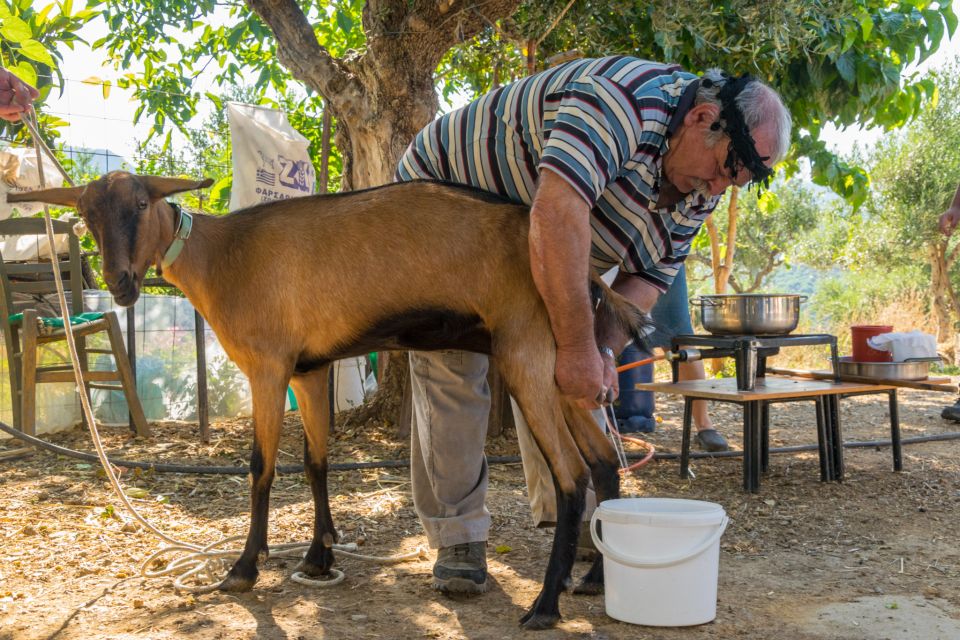
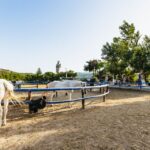
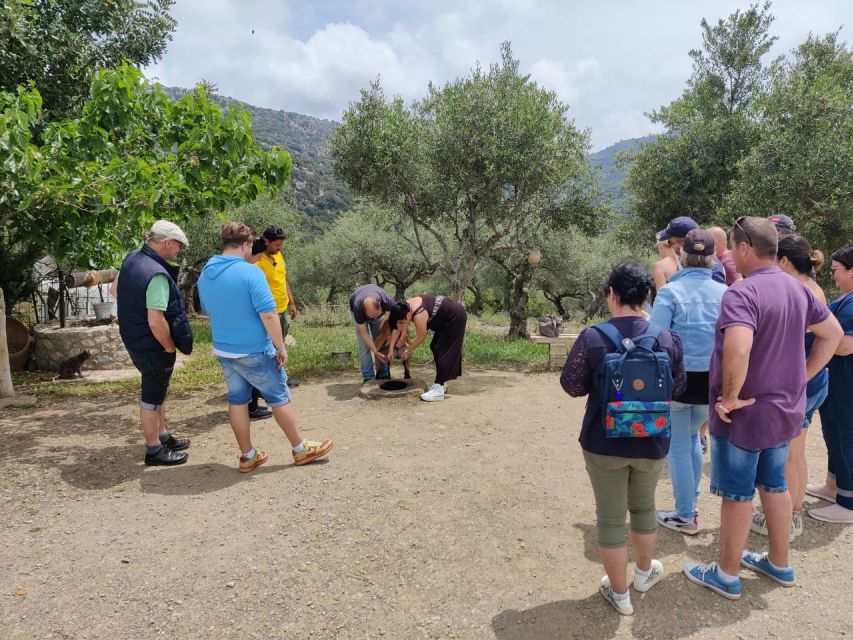
Potamies is where the day turns from scenery to substance. You visit one of the characteristic Cretan villages and go to a traditional local farm. This is the kind of stop that changes your understanding of Crete in a hurry because you’re seeing everyday work, not staged tourism.
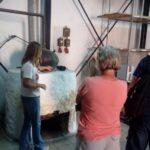
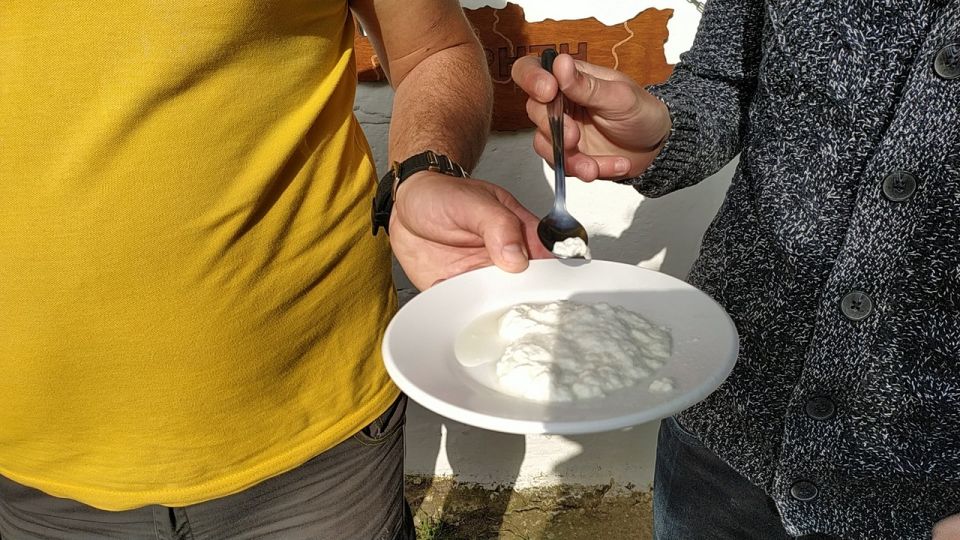
Expect to watch the process of milking and cheese-making, meet the animals, and sample fresh cheese. That tasting matters more than you might think. When you’ve watched how it’s made, the flavor becomes a story instead of a souvenir.
There’s also a “hands-on” vibe on some days. Several people mention extra interactive moments such as making pottery and learning more about how locals produce food and goods. Those activities aren’t guaranteed in every weather or route situation, but they match the tour’s overall style: you’re meant to leave with more than photos.
The tradeoff is time on the farm. This stop takes a solid chunk of the day, so if you’re the type who wants only quick sightseeing, you may feel it’s a lot. I’d still call it one of the best value parts of the tour because it’s hard to DIY without local connections.
Aposelemis Dam and Sfendili: When a Village Lives Under Water
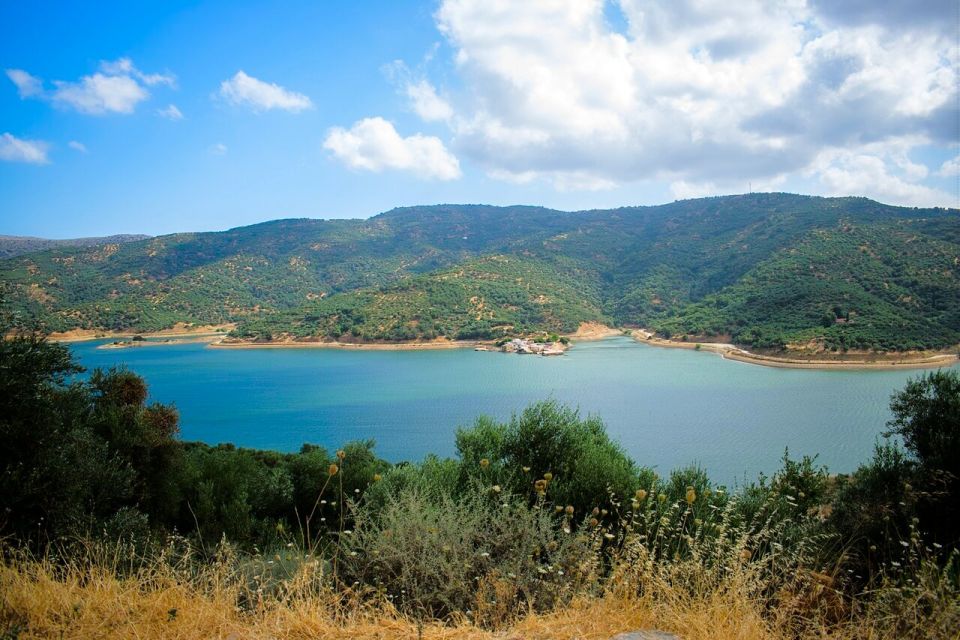
Next comes the Aposelemis Dam, described as the largest water-supply project in Crete. You’ll get a photo stop and sightseeing time here, and the dam brings an important emotional element to the route: the submerged village of Sfendili.
Old houses fade on the water surface, and you’re given time to understand what changed and why. It’s one of those stops that doesn’t ask you to like it, just to notice it. You also get time around wetlands, with a chance to spot birds and see the area’s natural side.
If you care about how human projects reshape landscapes, this section hits hard without being heavy-handed. It’s also a good pause from the road. The stops here feel more relaxed, and the setting makes it easier to slow down and look.
Embasa Gorge Off-Road: The Dirt-Road Thrill
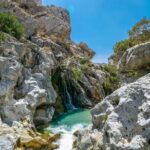
Now for the part that makes people book this tour: off-road driving through the Gorge of Empasa (also shown as Embassa–Virgin Mary). You’ll spend time on dirt roads, with scenic views en route and a photo stop along the way.
What you get isn’t just a scenic drive. You get a sense of how these mountain routes connect remote places. The driving can be bumpy in the best way—real off-road, not a show pony. Reviews mention lots of fun energy from guides and excellent driving skills, and the overall safety tone comes up often too.
This is also where you’ll feel the mountains physically. If you’re not comfortable walking on uneven ground or you tire quickly, pace yourself at each stop. Bring the shoes you’d use for a real half-day outdoors.
If you’re coming for a mix of adventure and myth, this is the bridge between the two. You’re moving through the same kinds of paths locals would recognize, then you’ll be heading up toward the cave area that fueled Greek stories.
Diktaion Andron and Seli Windmills: Big Views, Short Stops
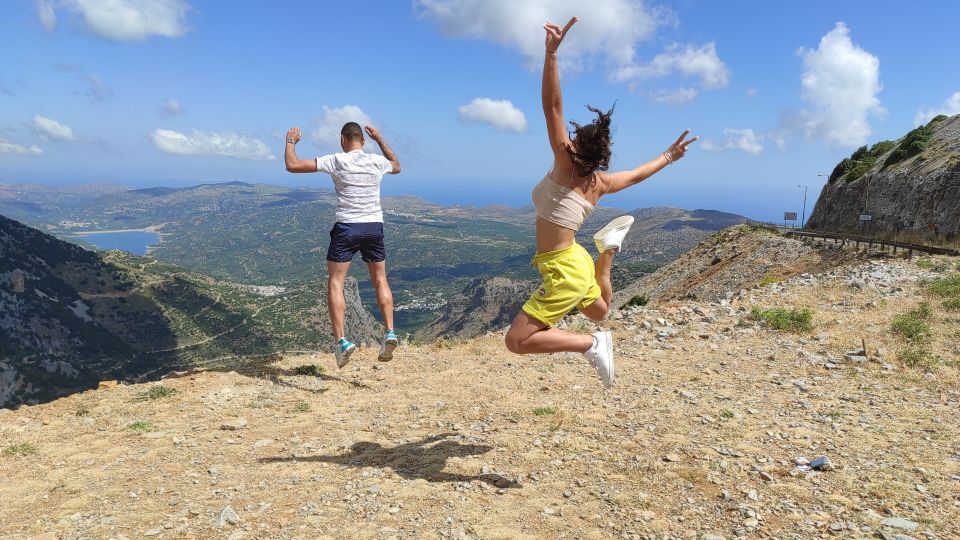
As the day climbs, you’ll hit viewpoint moments that work like punctuation marks. One is Diktaion Andron, where you get sightseeing time and scenic views, plus a break that can include coffee and a walk.
Then there’s the Windmills of Seli Ambelou, with a photo stop and some extra roadside viewpoint time. These segments are short, but they’re useful. They let you reset—take a breath, look around, and get oriented to how the island rises and falls.
If you love photos, this is where you’ll probably pause more than you planned. If you hate time spent standing still, the key is to grab the photos and enjoy the view, then move on. The tour is built so you don’t stay stuck waiting.
Also, the guides often help you understand what you’re looking at. In reviews, names like Andre/Jesus and Vagelis come up again and again for explaining what you’re seeing with humor and local detail.
Lasithi Plateau and Psychro Cave: Zeus on the Map
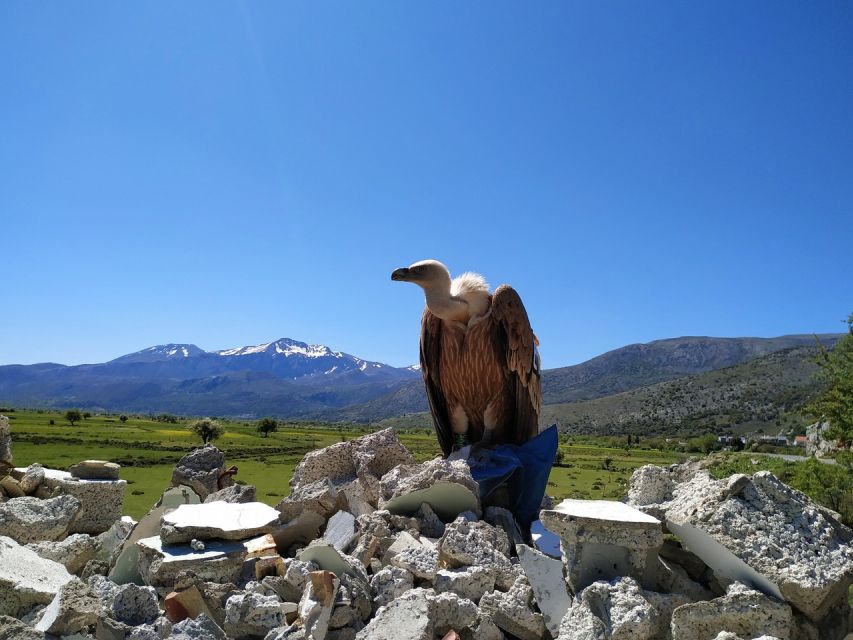
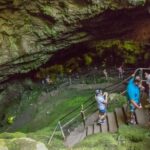
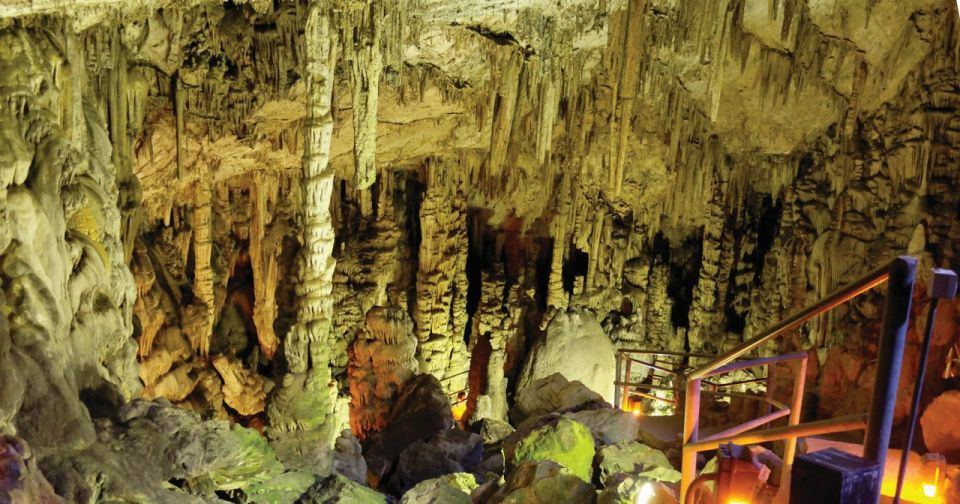
The Lasithi Plateau is where the myth lands. You’ll drive up into the plateau area and then visit Psychro Cave, often described as the fabled birthplace of Zeus.
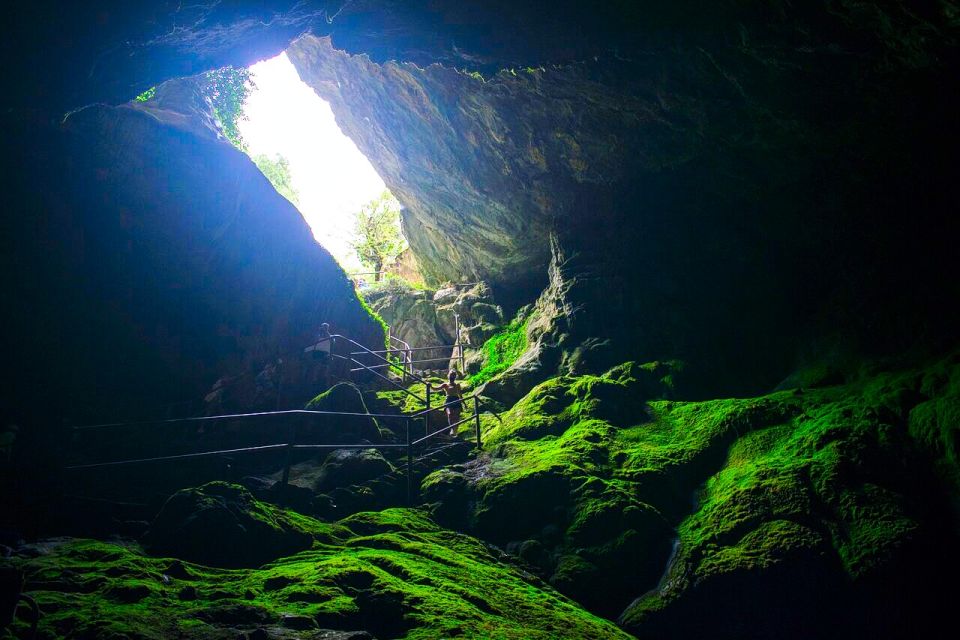
Here’s the practical reality: while this is a cave visit, you’ll still feel the uphill effort before you reach it. People mention that the walk and steps inside can be strenuous, especially in heat. Plan to go slow, carry water if you need it (water is included with lunch, but you may want more), and wear proper shoes.
Important: the Cave of Zeus ticket is not included and costs 15€. If you want to budget cleanly, set that aside in advance so you don’t get surprised at the cave.
Another practical factor: cave closures can happen. The operator notes that if Psychro Cave is closed for maintenance or other reasons, they’ll inform you and offer nearby cafés or alternative activities suggested by the guide. Some departures have substituted stops like an olive oil factory when the cave couldn’t be visited, so the day still gives you local production and rural culture.
Even when things shift, this part of the day tends to be the emotional peak. Standing there, you can see why these stories lasted. Not because you need to believe every myth literally, but because people used the landscape to explain the world.
Krasi Lunch, Plane Trees, and That Last-Hour Village Calm
The final stretch slows down in a good way. You’ll reach Krasi, and the tour includes a lunch in one of the celebrated village taverns, baked in a wood oven, with local wine and water.
This is the payoff meal: the kind that feels like it belongs to the place you just drove through. Reviews mention lunches that are delicious, with some people calling out both the pork and the wine. Even if your tastes are picky, this is typically the safest bet for an authentic Cretan meal included in the price.
After lunch, you’ll see the town square and then visit the old plane tree—over 2,000 years old—with time for sightseeing and a short walk. It’s a rare feeling to finish a full-on off-road day under ancient shade. The tree gives the day a grounded ending: Crete keeps going, long after the myth stops.
Then you’ll head back to your hotel, carrying a day that feels like you saw the island from the inside, not just the edges.
Price and Value: What $104 Buys You (Plus the 15€ Cave Ticket)
At $104 per person for an 8-hour tour, you’re paying for more than transport. You’re buying a guided route that strings together rural farm life, mountain driving, and major landmark stops that would be hard to coordinate on your own—especially with pickup and drop-off handled.
A big part of the value is what’s included:
- Pickup and drop-off
- 4×4 transport
- A guided experience
- A traditional Cretan lunch with local wine and water
Then there’s the cave ticket, which is the one add-on you should budget: 15€ for the Cave of Zeus. When you include that, you’re still in a reasonable range for a full-day experience that covers multiple regions of Crete and includes food.
Is it expensive compared to renting a car? Sometimes, yes. But most people don’t book this because they want to drive alone. They book it for the off-road route, the storytelling, and the rural access—like Potamies farm work and the dam/wetlands stop—that you can’t easily recreate without local help.
If you’re trying to maximize one day, this tour can be a strong value. If you only want one or two “big sights” and prefer to skip the work of walking, it may feel like more than you need.
Who This Tour Suits Best (and Who Should Skip It)
I’d put this tour high on your list if you want:
- A true off-road day with a driver who knows the roads
- Rural Crete experiences like milking and cheese-making
- A myth-themed stop that’s paired with real mountain life
- A guided day where you don’t have to plan each turn
You should skip or think twice if you have heart problems or recent surgeries. The cave area and mountain sections involve walking and uneven terrain. Also, this is not built for people who want a fully sedentary day.
If you’re traveling with teens or active adults, it’s the kind of itinerary that keeps momentum. If your group is mixed—some strong hikers, some less so—talk with the guide about your pace early and take breaks when offered.
So, Should You Book the Crete Zeus Off-Road Tour?
If you want Crete in one packed day—mountains, rural farms, a submerged village, and Zeus mythology with real walking—book it. The combination of off-road driving, included lunch, and access to places like Potamies is what makes this tour feel worth your time.
I’d hesitate only if you hate uphill walking, you’re very sensitive to rough roads, or you absolutely need Psychro Cave on that exact day. Even then, cave closures can lead to alternative local stops, so the day usually doesn’t fall apart—it just changes shape.
If you’re ready for a full, active day with a guide behind the wheel and stories on top, this is one of the most memorable ways to see this side of Crete.
FAQ
How long is the Crete Lasithi Plateau and Cave of Zeus off-road safari tour?
The tour duration is 8 hours.
What is included in the price?
Pickup and drop-off to your hotel, transportation in a Land Rover Defender or 4×4 Mercedes Vito (fully AC), experienced drivers, and a traditional Cretan lunch with local wine and water.
What is not included?
Personal expenses and the ticket to the Cave of Zeus (15€).
Do I need to buy the Cave of Zeus ticket separately?
Yes. The Cave of Zeus ticket costs 15€ and is not included in the tour price.
What happens if the Cave of Zeus is closed?
If it is closed for maintenance or other reasons, the provider will notify you and you’ll be offered nearby cafés or alternative activities suggested by the tour guide.
Where does pickup happen?
Pickup is included from your accommodation. You should be waiting in the hotel lobby about 15 minutes before the scheduled pickup time. Vehicles won’t wait more than 10 minutes after the pickup time.
What vehicle is used for the tour?
You’ll ride in a Land Rover Defender or a 4×4 Mercedes Vito, listed as fully AC.
What languages are the live guides available in?
Dutch, English, French, German, Greek, and Russian.
Is the tour suitable if I have heart problems or recent surgery?
No. The tour is not suitable for people with heart problems or those with recent surgeries.