Crete makes first scuba moments surprisingly doable. This half-day introductory course gets you from basic theory to supervised pool practice and then into open water (about 3–6m), with instructors staying close the whole time, plus you can choose the area in Crete (Heraklion, Chania, or Rethymno-Georgioupolis). You’ll be using provided gear, learning in English, and getting a real taste of the underwater Mediterranean.
I especially like the clear progression: first learn what you’re doing, then practice the key skills in a controlled setup, and only then move into the water. I also like that you’re not left to figure it out alone—an instructor stays with you at all times, and the training is built for true beginners (age 10 to 60, no prior experience required).
One drawback to plan around: your schedule can run longer than you expect. Even when the experience starts at 9:00 am and is listed around 4 hours, you may finish the main training by midday and still have to wait before the return transfer.
In This Review
- Key Things That Make This Intro Scuba Course Worth It
- A 9:00am Half-Day That’s Actually Structured for First Timers
- Theory, Pool Practice, Then 3–6m Water: The Learning Path
- 1) Theory class: you get the basics up front
- 2) Confined water training: pool or shallow setup
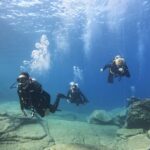
- 3) Open-water experience at about 3–6m
- Where You’ll Swim: Heraklion, Chania, or Rethymno-Georgioupolis
- Instructor Quality Is the Difference Between Scary and Solid
- Gear Provided, So You Can Focus on Breathing and Buoyancy
- Price and Value: What $96.13 Buys You in Crete
- Timing and Transfers: When Your Day Might Run Long
- Weather Matters: Good Conditions or a Reschedule
- What You’ll Actually See Underwater (And What You Should Expect)
- Who This Course Is Best For (And Who Might Want to Sit This One Out)
- Final Call: Should You Book This Intro Scuba Course in Crete?
- FAQ
- What age range is this intro scuba course for?
- Do I need any previous scuba experience?
- What does the course include?
- How deep will the open-water experience go?
- Is equipment provided?
- Is pickup available from my hotel?
- What fitness or swimming level do I need?
- What if weather is poor?
Key Things That Make This Intro Scuba Course Worth It
- Small-group format (max 20) helps keep the experience controlled and personal
- Instructor-led, always-with-you supervision during both training and open water
- Three-part structure: theory → confined water practice → open-water experience to 3–6m
- Gear provided, so you can show up with minimal hassle
- Beginner-friendly coaching style, including patient support and confidence-building
- Location flexibility across Heraklion, Chania, and Rethymno-Georgioupolis areas
A 9:00am Half-Day That’s Actually Structured for First Timers
This course starts at 9:00 am and runs about 4 hours in most cases. The big win here is that it’s not just a one-off “go in the water” moment. The format is designed to teach you what matters first—so you spend less time guessing and more time feeling competent.
You’ll be in a group with a maximum of 20 people, which is a comfortable size for a beginner experience that depends on close supervision. The course is offered in English, and you’ll need to be a good swimmer with excellent health conditions. If you’re the kind of person who needs rules and reassurance, you’ll probably find the structure calming rather than chaotic.
One practical note: pickup depends on where you’re staying. Pickup is offered from hotels in the Chersonissos area, Chania, or Rethymnon and Georgioupolis areas. Hotel pickup/drop-off may not cover every exact address outside those zones, so it’s smart to confirm your specific pickup point before the day arrives.
You can also read our reviews of more scuba diving tours in Crete
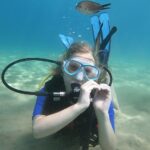
Theory, Pool Practice, Then 3–6m Water: The Learning Path
The course is split into three main parts, and each one has a job.
1) Theory class: you get the basics up front
Before you touch the water, you’ll cover the key concepts you need for safe, relaxed scuba basics. The goal isn’t to turn you into a technical diver—it’s to help you understand what the equipment is doing and what your instructor will ask you to do next.
This matters because a first underwater experience feels very different from swimming on the surface. With the theory portion, you’re more likely to know what to expect when you put on the gear and start breathing underwater.
2) Confined water training: pool or shallow setup
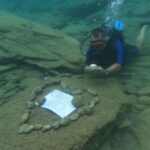
Next comes confined water training. Depending on conditions, it’s done in a pool or shallow sea setup. This is where you practice the skills you’ll later use in open water, with your instructor close enough to guide you in real time.
From what I’ve gathered through course feedback, patient coaching is a major part of the experience. Instructors like Artur, Sebastian, and Pedros are specifically remembered for staying calm, explaining clearly, and helping first-timers build confidence. That combination—practice + reassurance—is often what turns “nervous” into “okay, I can do this.”
3) Open-water experience at about 3–6m
Finally, you get a guided open-water experience to about 3–6 meters. That depth is beginner-friendly by design: it’s enough to feel like real scuba, but not so deep that you’re overwhelmed.
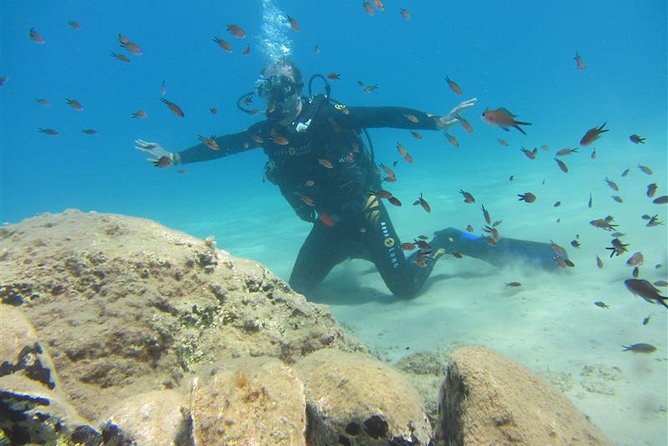
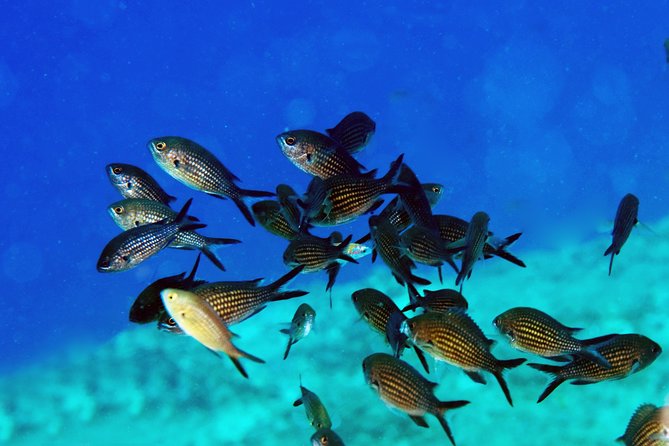
You should still expect to feel a bit focused. Even when conditions are good, you’ll be concentrating on breathing, buoyancy, and following instructions. The reward is getting to actually see fish and other sea life in the Mediterranean rather than just looking at it from a pool or through gear in hand.






Where You’ll Swim: Heraklion, Chania, or Rethymno-Georgioupolis
You can choose between the Heraklion, Chania, or Rethymno-Georgioupolis area. That choice can affect your day in a couple of ways:
- Travel time: pickups from different resorts can mean different drive lengths. One common pattern is a relatively short ride when you’re close to the dive area. (In one account, the drive was about half an hour each way.)
- Water conditions and underwater life: the first-timer area is often selected for safety and comfort, which means you might see fewer “big wow” moments than experienced dive spots.
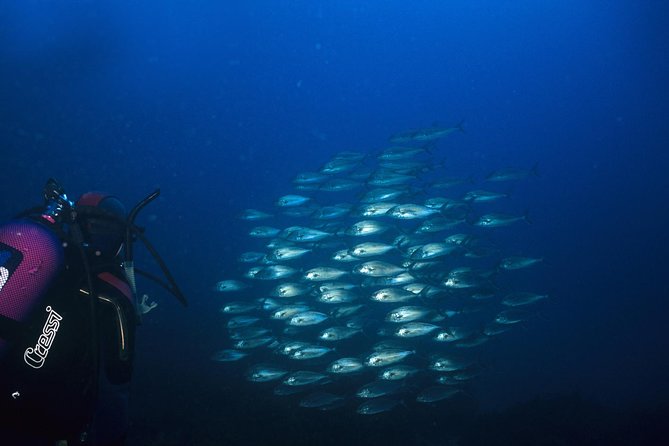
So here’s how to think about it: if you’re doing your first scuba course, your main goal is skills and confidence. Marine life is a bonus. On some days you’ll spot colorful fish and maybe something unexpected. On other days, you might see more modest variety—and still walk away feeling proud that you actually went underwater with proper instruction.
Instructor Quality Is the Difference Between Scary and Solid
In a beginner course, the instructor is basically the whole product. This one runs with certified leadership and direct supervision, which is exactly what you want when you’re learning buoyancy and equipment handling on the spot.
I’ve seen strong feedback tied to specific instructors. Stan (described as a PADI professional) is praised for being clear and confident. Sebastian stands out for extreme patience and taking time to make people feel comfortable. Artur is noted for teaching skills that build confidence rather than just rushing the checklist. Pedros is remembered as professional, helpful, and calm.
There’s also a valuable real-life lesson here: your comfort comes first. In one case, a couple did the pool session and then decided they didn’t feel ready for the ocean portion. The instructor still handled it well and offered a practical next step: consider practicing with snorkeling and returning later. That mindset—supporting your choice—tells me this course is more about learning safely than pushing an outcome.
Gear Provided, So You Can Focus on Breathing and Buoyancy
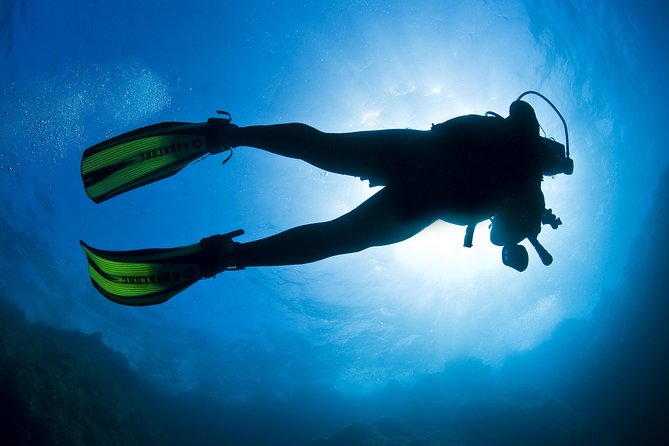
You won’t need to bring equipment. Diving equipment is included, which is a big part of the value. For many first-timers, the hardest part isn’t scuba—it’s hauling gear, figuring out fit, and learning what feels normal.
Still, you should show up ready to move. Because you’ll be underwater and learning controlled breathing, you’ll want to be in good physical condition. The course asks for good swimming and excellent health conditions, and it works best if you have at least a moderate fitness level.
Also plan emotionally. If you get anxious in enclosed or water-pressure situations, tell your instructor early. The best outcomes come when you communicate what you’re feeling and let them adjust the pace.
Price and Value: What $96.13 Buys You in Crete
At $96.13 per person, this is priced as an accessible intro experience. But the value isn’t only the cost—it’s what’s included.
You get:
- Diving equipment
- Theory class plus pool training
- A guided open-water experience with a certified instructor
What isn’t included is hotel pickup/drop-off in the general sense. In practice, you’re offered pickup from specific hotel areas, so you’ll still likely get transport from your resort zone. Just don’t assume it reaches every street in every town.
If you compare this to the real cost of equipment rental plus instruction plus a guided underwater session, it’s easy to see why people pick a half-day course like this. You’re paying for a guided learning path with supervision rather than paying for time in the water with no coaching.
Timing and Transfers: When Your Day Might Run Long
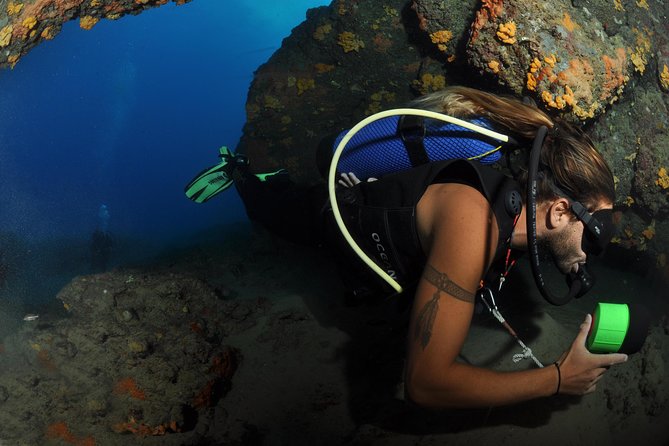
The start time is 9:00 am, and the experience is listed at about 4 hours. But don’t build your whole day around a strict finish.
In one account, the morning portion wrapped around 12:00 pm, but the group didn’t head back until 3:30 pm. That kind of gap can happen for a few reasons that are common in weather-dependent activities—waiting for the right conditions, coordinating groups, or handling transportation logistics.
My advice: ask for the best estimate of the return time when you check in. If you’re planning a restaurant booking, give yourself buffer time. This isn’t a quick “grab lunch immediately after” kind of outing.
Weather Matters: Good Conditions or a Reschedule
This experience requires good weather. If it’s canceled due to poor conditions, you’ll be offered an alternative date or a full refund.
That matters for two reasons:
1) Beginner water sessions can be affected more than you’d think by wind or waves.
2) Marine life sightings aren’t guaranteed, but conditions that are safe for learning matter more than “seeing lots of fish.”
So treat this as a weather-first activity. If you’re flexible with your schedule, you’ll enjoy it more.
What You’ll Actually See Underwater (And What You Should Expect)
A beginner open-water experience isn’t about chasing rare sea creatures. It’s about getting comfortable and learning the skills that keep you safe. That said, you should expect to see fish and other sea life in the Mediterranean.
Some instructors and sites shine more than others. A first-time underwater area might produce more modest sightings than you’d get on a specialized route. Even then, the experience can feel amazing—because you’re doing it with proper training and guidance, not just “spectating” from the surface.
Who This Course Is Best For (And Who Might Want to Sit This One Out)
This course is clearly aimed at:
- True beginners with no prior scuba experience
- People who want a real guided taste of scuba rather than just snorkeling
- Those who feel reassured by instruction and hands-on practice
- Swimmers who are comfortable following safety guidance
It’s also within a wide age range (10 to 60), but children must be accompanied by an adult. You also need good swimming and excellent health conditions, and you should have at least a moderate fitness level.
Consider skipping (or asking lots of questions first) if you have medical concerns related to scuba requirements or if you strongly dislike water-pressure sensations. The good news is you still get a learning path through the theory and pool practice, and you can decide whether the open-water portion is right for you on the day.
Final Call: Should You Book This Intro Scuba Course in Crete?
If you want your first scuba experience in Crete and you value step-by-step coaching, this is a strong option. The course is built around safe progression: theory, then a controlled practice session, then an instructor-guided open-water check at 3–6m. The small-group feel and the repeated emphasis on patient instructors make it especially appealing if you’re nervous.
I’d book it if:
- you’re a confident swimmer and in good health
- you want instruction plus equipment, not DIY learning
- you’re okay with the fact that marine life depends on conditions and the beginner site
I’d think twice if:
- you need a perfectly timed return with no waiting
- you’re expecting a top-tier wildlife show on a first course (this is first-timer training, not a special-spot hunt)
FAQ
What age range is this intro scuba course for?
The course is for people between 10 and 60 years old.
Do I need any previous scuba experience?
No. Previous diving experience is not required.
What does the course include?
It includes a theory class, confined water training (pool or shallow setup), and a guided open-water experience with a certified instructor.
How deep will the open-water experience go?
You’ll practice in open water to about 3–6 meters depth.
Is equipment provided?
Yes. Diving equipment is included.
Is pickup available from my hotel?
Pickup is offered from hotels in the Chersonissos area, the Chania area, or Rethymnon and Georgioupolis area. Hotel pickup and drop-off aren’t listed as included for every situation, so confirm your exact pickup point.
What fitness or swimming level do I need?
Good swimming and excellent health conditions are required, and you should have a moderate physical fitness level.
What if weather is poor?
This activity requires good weather. If it’s canceled due to poor conditions, you’ll be offered a different date or a full refund.