Crete can feel hidden, if you choose right. This private day trip mixes isolated mainland villages with Ottoman-era history and big White Mountains views. I like that the day is guided by a licensed historian and built around real places, not a speed-walk through postcard stops. One thing to consider: it is a full 7.5-hour drive-and-walk kind of day, so you’ll want comfortable shoes and a good attitude for winding inland roads.
What I really appreciate is the way this tour adapts. With a guide like Apostolis, the route can flex to your interests, like olive oil details or adding a memorable viewpoint swing. The trade-off is that timings can shift based on what’s available and what you want to see.
In This Review
- Key points before you go
- A private day in Chania’s real Crete, not tourist Crete
- Meet your licensed historian guide and driver, like Apostolis
- Getting from Chania into the inland quiet takes time
- First flavor of the day: elevated views and riverside village life
- Ottoman rule in Crete: a castle stop you can actually step onto
- Inland scenery shift: from village greenery to a desert-like White Mountains feel
- Old villages and off-the-beaten-path hamlets where tourism has not touched much
- Therisso gorge day: sheep, goats, and the kafeneion coffee break
- Lunch support, snacks, and the food stops that actually matter
- Price and value: what $194 buys you in a 7.5-hour private day
- Who should book this tour, and who might want a different style
- Small practical tips to make the day easier
- Should you book the Chania Villages private tour?
- FAQ
- How long is the Chania Villages Private Tour?
- Where does the tour start and do you pick up from hotels?
- Is this a private group tour?
- What language is the live guide?
- What’s included for food and drinks during the tour?
- Are entrance fees included?
- Does the tour include lunch or drinks during stops?
- Does the tour cover Ottoman-era sites?
- Can the schedule be changed during the day?
Key points before you go
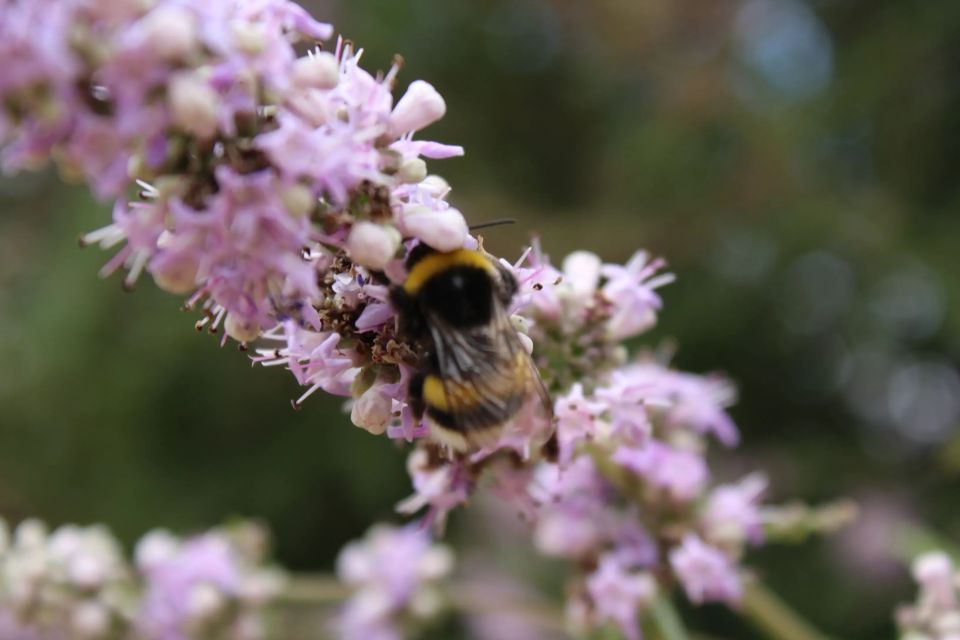
- A historian guide drives the story: history is woven into each village stop, from Ottoman traces to local life.
- Off-the-beaten-path villages near Chania’s Apokoronas area, including riverside scenery and quiet mountain hamlets.
- Ottoman-era stop where you actually step onto an old castle area tied to Crete’s Ottoman period.
- Gorge crossing views with goats and sheep plus the kind of slow coffee break you’ll remember.
- Food that’s built into the experience: sheep yogurt with Cretan honey, lunch support, and take-home Cretan rusks.
- Flexibility with requests: Apostolis has arranged added stops for specific interests and photography.
A private day in Chania’s real Crete, not tourist Crete
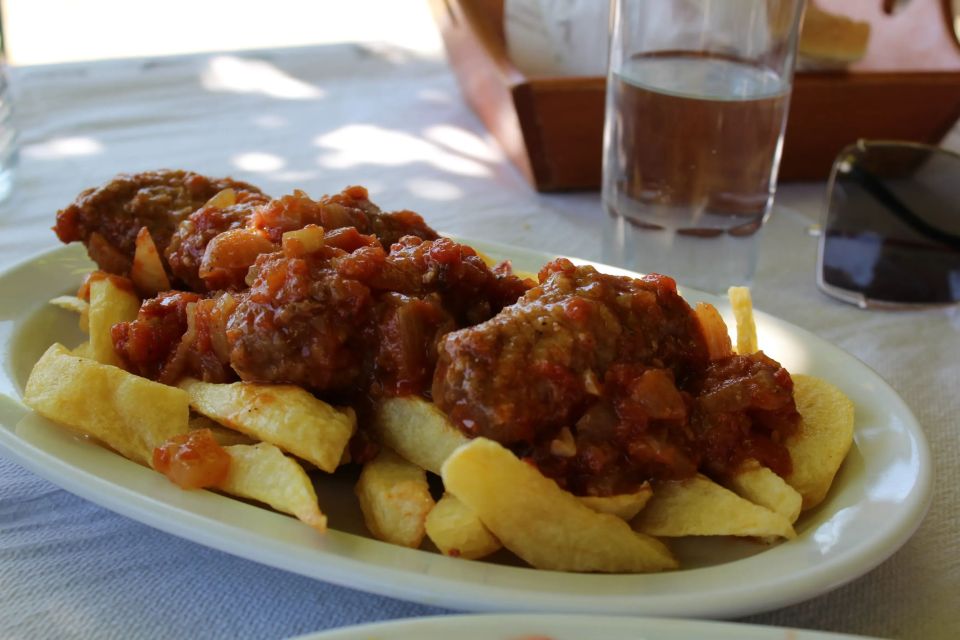
This is the kind of tour that makes you feel like Crete has more layers than you expected. You’re not just seeing villages. You’re seeing how people live, where they pass time, what they eat, and how the land shapes daily life.
The private format matters. You’re with a single group, plus your licensed historian guide/driver, so you can ask questions as you go and stop when something pulls your attention. That flexibility shows up again and again, especially on days when you want extra viewpoints or details like olive oil processing.
You can also read our reviews of more private tours in Chania
Meet your licensed historian guide and driver, like Apostolis
A major reason this tour earns top marks is the guide. Apostolis is specifically mentioned as friendly, professional, and highly knowledgeable. He answers cultural questions clearly, ties stops together with historical context, and keeps the day moving without feeling rushed.
I like that the guiding is not just facts on a timeline. It’s explanations tied to what you’re looking at: village patterns, Ottoman-era remnants, and why Therisso mattered for Crete. If you like history but hate museum lectures, this works because it’s grounded in places you can actually see.
Getting from Chania into the inland quiet takes time
You start in Chania and the day steadily shifts away from the city vibe into the mainland. Early on, you’ll get photo and sightseeing pauses around Chania’s regional unit, plus viewpoints that help you understand the island’s scale.
Expect driving through valleys and winding inland roads as you head toward Apokoronas and beyond. If you get carsick easily, it’s worth planning for that, because this route isn’t built for straight highways. The upside is you’re earning those later views.
First flavor of the day: elevated views and riverside village life
The tour typically begins with a break at an elevated spot. This is where you get a better mental map of Crete: how the mountains rise, how villages sit, and how the land explains the history.
Then you move toward a traditional village with rivers passing through it. There’s a stop for organic sheep yogurt with Cretan honey by the riverside. I like this kind of food stop because it’s not just eating. It’s tasting something local in a setting that matches the story of the area.
If you’re the type who cares about food production, you’re in luck. Apostolis has arranged an extra stop for someone interested in how olive oil is processed, including a call ahead to coordinate it. That’s the sort of attention that turns a good day into a memorable one.
Ottoman rule in Crete: a castle stop you can actually step onto
One of the most distinctive parts of this tour is the Ottoman thread. You’ll visit remnants of Ottoman rule in Crete, including stepping onto an Ottoman-era castle area. That one detail changes the feel of the history. You’re not only hearing about it. You’re standing in the kind of place that made control and defense practical.
Your guide explains what Crete gained during the Ottoman period and what held back European developments. It’s not just doom-and-gloom. It’s the more useful version of history: how power and trade shape everyday life, agriculture, and architecture.
This is also where you might notice the quiet “in-between” feeling of Crete. Villages and stone structures don’t follow one style only. They carry layers, and your day makes those layers visible instead of guessing.
Inland scenery shift: from village greenery to a desert-like White Mountains feel
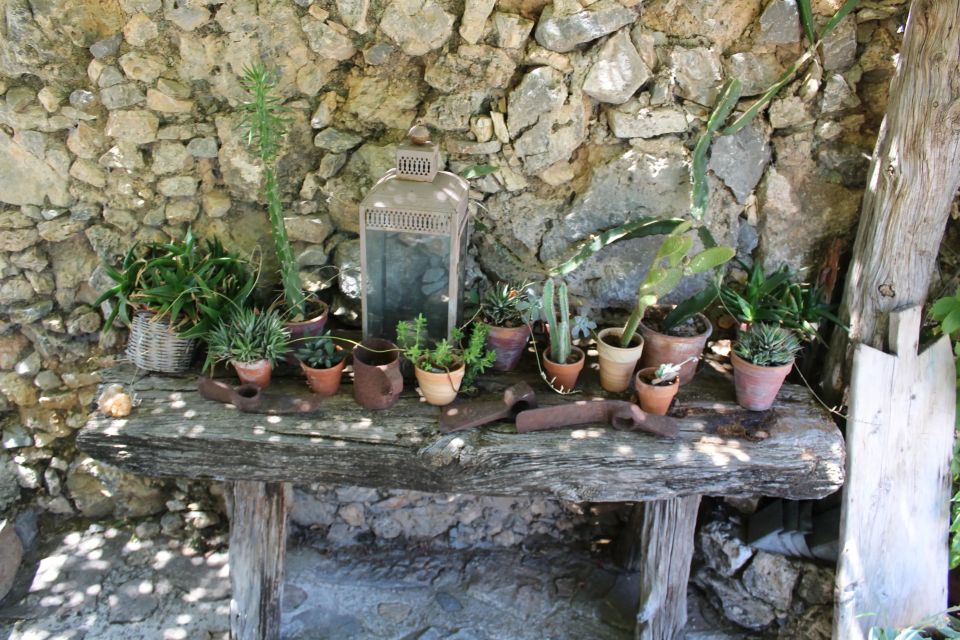
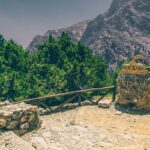
As you head farther inland, the landscape changes. The day moves toward areas where the scenery becomes desolate, almost like a desert, influenced by the White Mountains of Crete.
This is when your photos start to look different. Up to now you’ve had villages, rivers, and stone lanes. Now you get stark mountain views and a clearer sense of climate. Your guide also talks about the climate of Crete, which helps you understand why some areas look the way they do.
Along the way, you stop to admire what may be the oldest olive tree on the planet. Even if you don’t know olive-tree trivia, this kind of pause gives you a slow moment to think about how long people have worked this land.
Old villages and off-the-beaten-path hamlets where tourism has not touched much
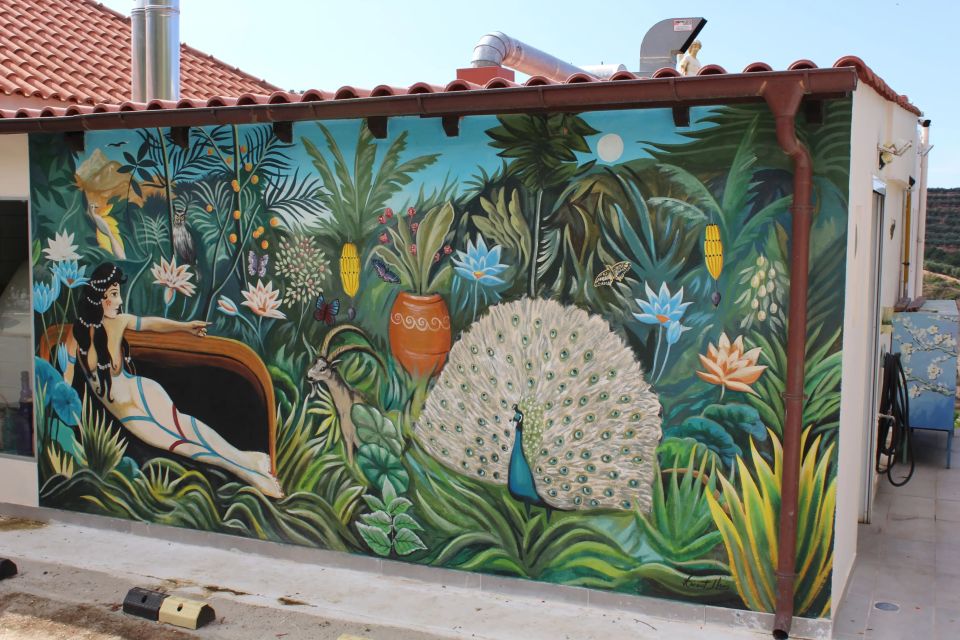
The tour reaches the original villages in the inland areas. Here, the goal is to show you life that feels less staged and more rooted. There are ascents to lands of impeccable beauty, plus stops designed for you to look closely at village details.
I like these “slower” segments because they let you see how Crete connects agriculture, terrain, and community. You can stand in a place and understand why people settled where they did. And because the day is private, you don’t feel like you’re competing with a bus schedule to get a good view.
Therisso gorge day: sheep, goats, and the kafeneion coffee break
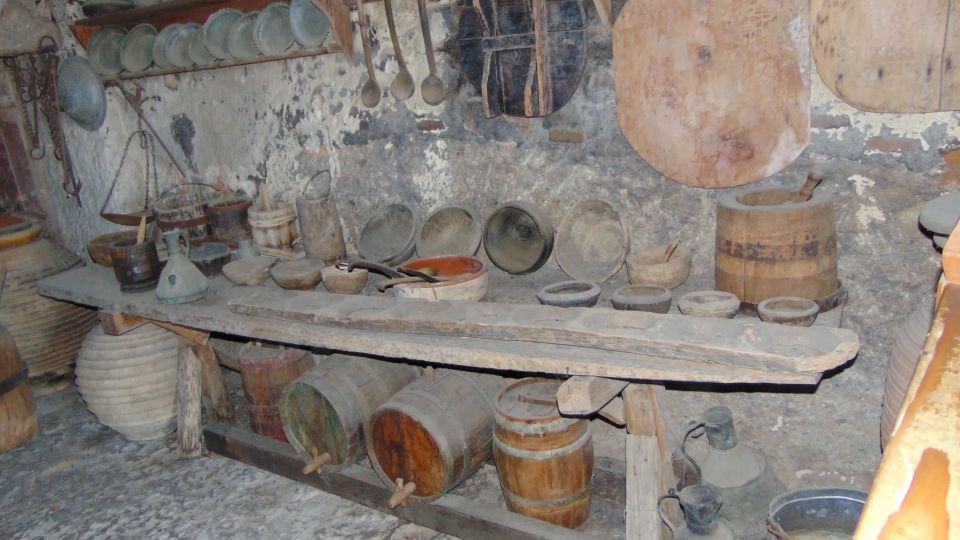
The later part of the day ties together scenery and story through Therisso. Your guide explains why Therisso played a vital role for Crete, and then you progress through the gorge with impressive views.
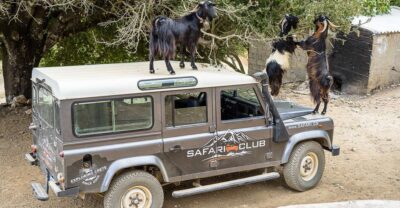
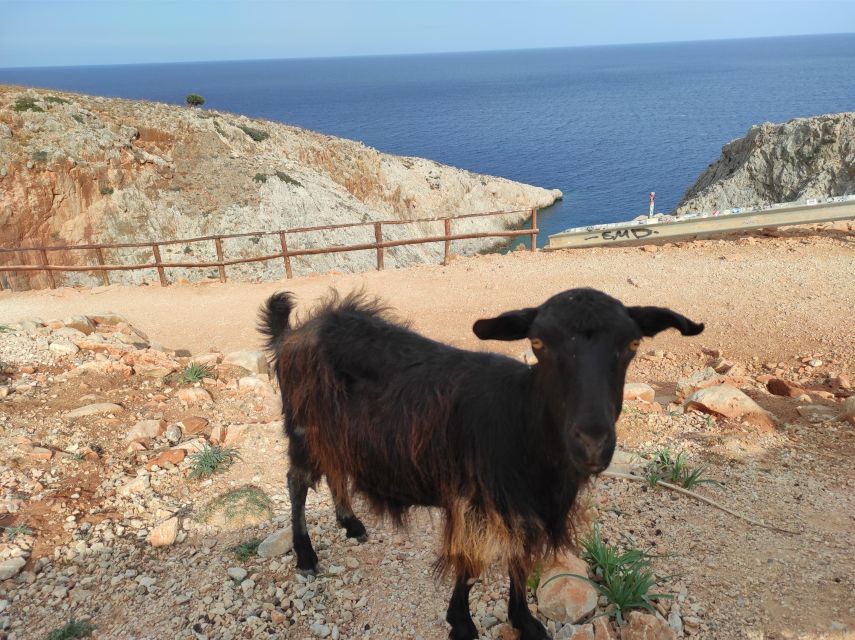
You’ll notice the land is alive in small ways: sheep and goats are part of the scenery, not a photo prop. This is also where the day starts to feel extra “Crete” because the gorge views come with real sounds, movement, and that in-between light that makes stone and hillside look dramatic.
The coffee break in a traditional kafeneion is described as mandatory for the full experience. This is one of those moments where you can stop trying to “see everything” and just accept the day. In at least one example, a quiet riverside café moment became a standout highlight, even with an unexpected visit from a black cat.
Lunch support, snacks, and the food stops that actually matter
Food is built into the day in a practical way. You’ll get a box lunch with water, plus banana, apple, and chocolate. It’s simple, but it keeps you fueled without forcing you to hunt for something while you’re between villages.
Lunch at a restaurant can also happen depending on the route and your guide’s recommendations. One example highlights a Greek restaurant recommendation where the experience felt special. I’d treat that as a sign of your guide’s instincts: he’s not just moving you along; he’s picking places that fit the day.
And if you’re trying to take home a taste of Crete, don’t skip the bakery stop on the way back. You’re supplied with traditional Cretan rusks, sweet or plain, which makes a useful souvenir that lasts.
Price and value: what $194 buys you in a 7.5-hour private day
At $194 per person for about 7.5 hours, you’re paying for private transport plus a licensed historian guide/driver. That’s the key value. You’re not just buying a ride; you’re buying an informed storyteller who can tailor stops and answer real questions.
This price makes more sense if you care about history and want off-the-beaten-path villages. If you only want quick sightseeing and don’t care about Ottoman context or village life, you could find cheaper options. But if you want a day that feels like Crete has depth, this feels fair for what you get: private routing, flexible stops, and food built into the experience.
Who should book this tour, and who might want a different style
This works best if you like:
- asking questions and learning while you walk
- villages, rural scenery, and history that connects to what you see
- private days where the guide can adjust for your interests
It may feel like too much if you prefer a beach-first itinerary or a super-light day with minimal driving. The route is built around inland views, including gorge scenery and mountain landscapes, so the day has a clear “adventure and history” rhythm.
Small practical tips to make the day easier
- Wear shoes you trust on uneven ground. Gorge and village stops may include natural surfaces and stone paths.
- Plan for long drives. Snacks and the box lunch help, but you’ll still want to settle in for the inland shift.
- Bring a camera strap or something hands-free. Views over the White Mountains are a repeated theme.
- If olive oil processing or specific history topics matter to you, tell your guide early. Flex stops can turn into the highlight of your trip.
Should you book the Chania Villages private tour?
Book it if you want authentic mainland villages plus Ottoman history and real gorge views, with a historian guide who can adjust the day for your interests. I’d especially recommend it for your first trip to Crete if you want the island to feel bigger than your beach route.
Skip it if you want a short, easy, mostly-flat day with minimal driving and zero emphasis on history. This tour earns its best moments through inland scenery and guided context.
If you book, you’ll get a full day that feels like Crete’s quieter side, with food stops, photo-ready viewpoints, and a guide who actually talks through the why behind what you’re seeing.
FAQ
How long is the Chania Villages Private Tour?
The tour lasts 7.5 hours.
Where does the tour start and do you pick up from hotels?
It starts in Chania, and free hotel pickup and drop-off are available from all Chania central areas. You should wait in the hotel lobby about 10 minutes before pickup.
Is this a private group tour?
Yes, it is a private group.
What language is the live guide?
The live guide speaks Greek and English.
What’s included for food and drinks during the tour?
You get a box lunch with water, plus a banana, apple, and chocolate. The tour also includes food tasting such as sheep yogurt with Cretan honey.
Are entrance fees included?
Entrance fees are not included if they apply.
Does the tour include lunch or drinks during stops?
Lunch and drinks at private tour stops are not included.
Does the tour cover Ottoman-era sites?
Yes. It includes remnants of Ottoman rule in Crete, including stepping on an Ottoman-era castle.
Can the schedule be changed during the day?
Yes. The tour includes flexible stops, possible diversions, and alterations according to your needs.