Olive oil tastes better when you see the trees. This private 7.5-hour day pairs medieval vs modern olive extraction with real free extra virgin olive oil tasting, not just a quick sip. One thing to consider: it’s a full schedule with multiple stops, so it’s not the choice if you want a relaxed, slow morning.
What I like most is how it mixes farming, machinery, and place. You get picked up in Chania, then guided by a licensed historian tour guide/driver (Ministry of Tourism certified) plus a professional farmer/olive oil producer who can answer the practical questions you’ll actually have.
If you’re lucky enough to get a guide like Apostolis, you’ll likely feel the tour click into place—history with real-world details, and lots of room to follow your interests. The only drawback is that flexibility can mean the exact route and final stops shift a bit, so you should be ready for a small amount of uncertainty.
In This Review
- Key highlights you’ll remember
- Why this Chania olive oil tour beats a tasting stop
- The Chania pickup, transport, and the drive into olive-country
- Bio olive oil factory: setting the stage for what you’ll taste
- The private olive grove walk: varieties, collection, and farming decisions
- A medieval olive oil factory: how extraction changed over centuries
- Lunch or coffee in Apokoronas villages: where the talk turns local
- The ancient olive tree: what to notice (and how to photograph it)
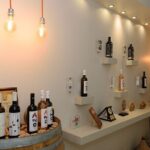
- Modern olive oil factory: machinery, refinement, and the tasting session
- Price and value: is $176 per person worth it?
- Who should book this private olive oil tour
- Should you book this Chania private olive oil tour?
- FAQ
- How long is the Chania private olive oil tour?
- Is this tour private?
- What is included in the tour price?
- Is lunch included?
- Do you pick up from hotels in Chania?
- What language is the tour guide?
- Can I cancel for a full refund?
Key highlights you’ll remember
- Bio and medieval processing: see olives handled the old way, then compare it to today’s methods.
- Private grove time: learn varieties, grades, harvesting, and farming choices up close.
- A take-home olive oil: you’ll leave with free organic extra virgin olive oil for tasting later.
- Views from elevated points: quick photo stops over Chania’s mainland villages.
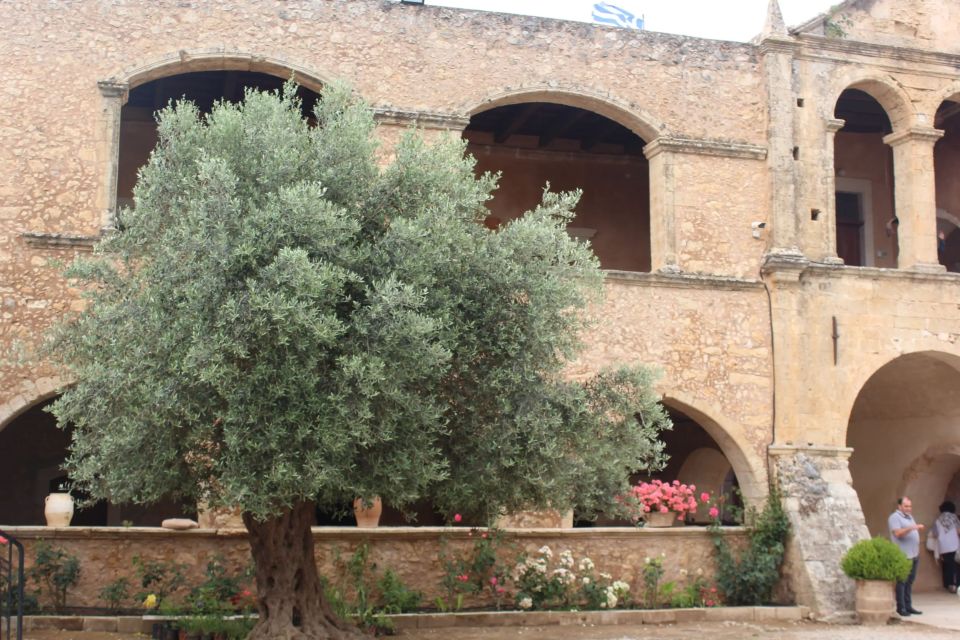
- An ancient olive tree: a chance to admire an olive tree said to be over 3,000 years old.
Why this Chania olive oil tour beats a tasting stop
This isn’t a shop-and-stroll olive oil lecture. You start in the olive valleys, you visit working facilities, and you end with tasting inside a modern production setting. That order matters, because you’ll understand what you’re tasting—without needing a chemistry degree.
You also get more than one style of learning. You’ll hear how olives grow and get collected, then you’ll watch how they get processed, and finally you’ll taste. That’s how people actually build confidence in olive oil: seeing the chain from tree to bottle.
You can also read our reviews of more food & drink experiences in Chania

The Chania pickup, transport, and the drive into olive-country
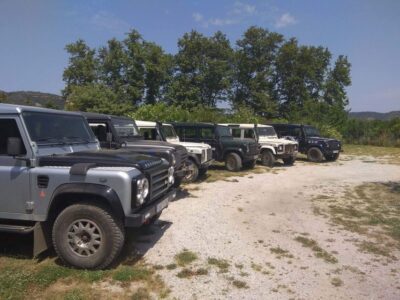
The day starts with hotel pickup from central Chania areas, and you’re asked to be ready in the lobby about 10 minutes before the scheduled time. From there, you ride in private transport, which means no bus wrangling and no waiting around for a crowd to board.
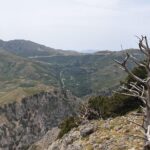
The driving itself is part of the experience. You’ll head toward the hills and valleys around Chania, where the scale of cultivation becomes obvious. Even before the first factory visit, you get that reality check: this is a production landscape, not a hobby farm.
Bio olive oil factory: setting the stage for what you’ll taste
Before you get lost in rows of trees, you’ll spend time in a bio olive oil factory. The point here isn’t to tour a showroom. It’s to help you understand how organic (bio) production fits into the wider olive oil story—why choices in the grove can affect what ends up in the press.
You’ll also get context on what you’re about to learn: olive oil varieties in Crete, how olives get harvested, and how olive oil grades connect back to the fruit. If olive oil has always sounded like a confusing label system, this is where the puzzle starts to make sense.
The private olive grove walk: varieties, collection, and farming decisions
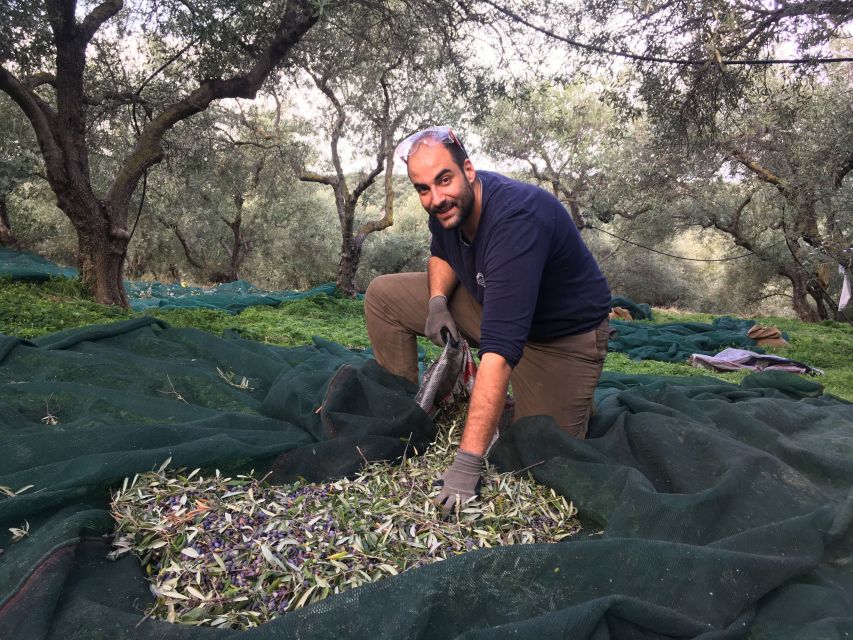
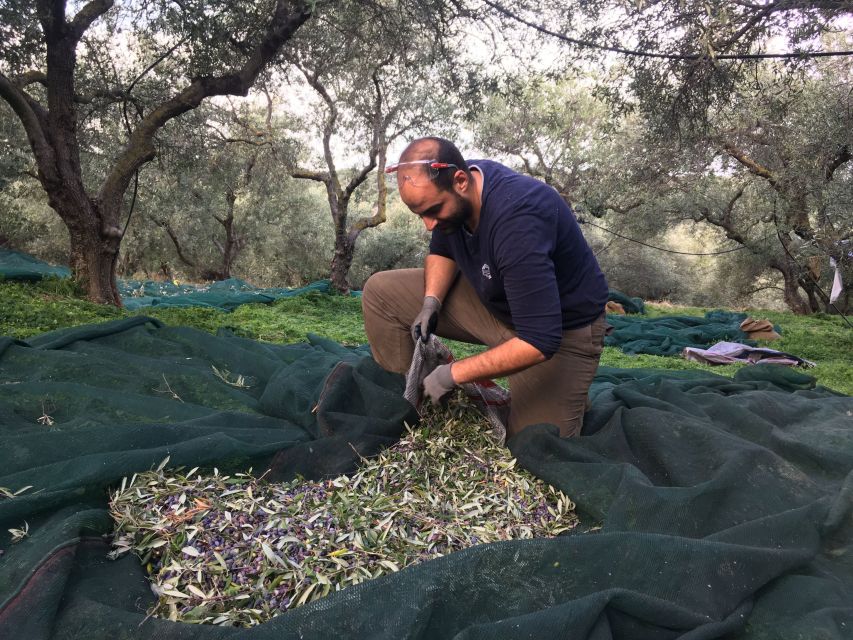
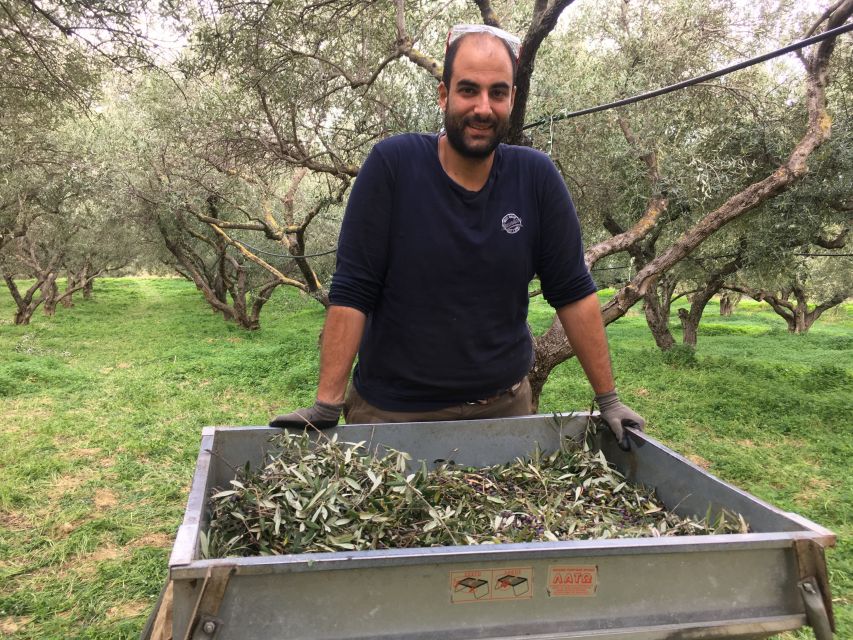
The heart of the day is the private olive grove session. This is where you shift from learning facts to understanding why they matter. A local, professional farmer explains the secrets of olive trees, including farming, irrigation, and grafting—details that help you see olive growing as deliberate work, not luck.
You’ll get a practical view of olive varieties and the grades that can come from them. That helps when you’re later reading bottles back home, because you’ll stop thinking in vague terms like good vs better and start thinking in process and fruit.
And yes, the tasting piece is built in. You’ll receive fresh organic olive oil from the specific grove area so you can take it home and taste again with the day’s lessons in your head.
A medieval olive oil factory: how extraction changed over centuries
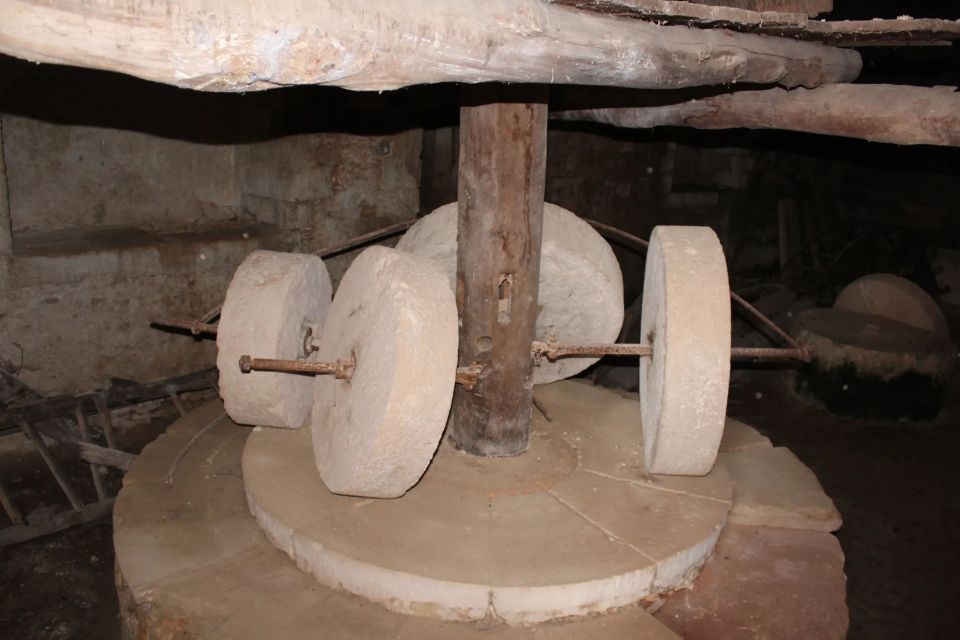
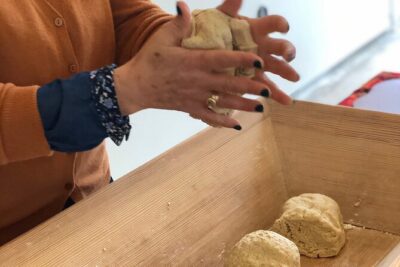
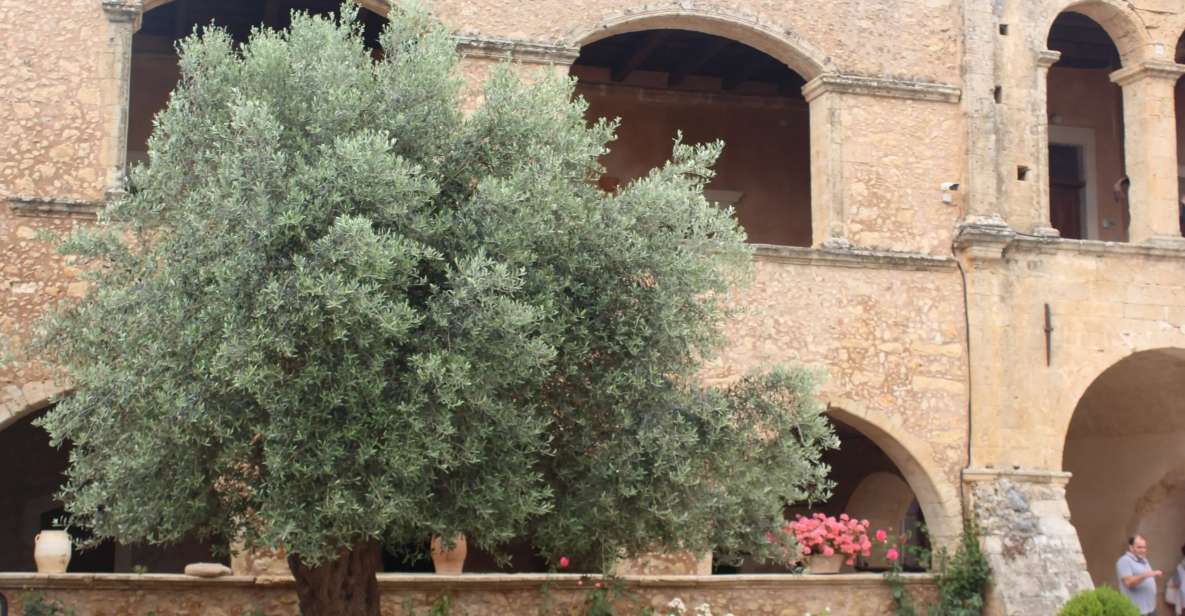
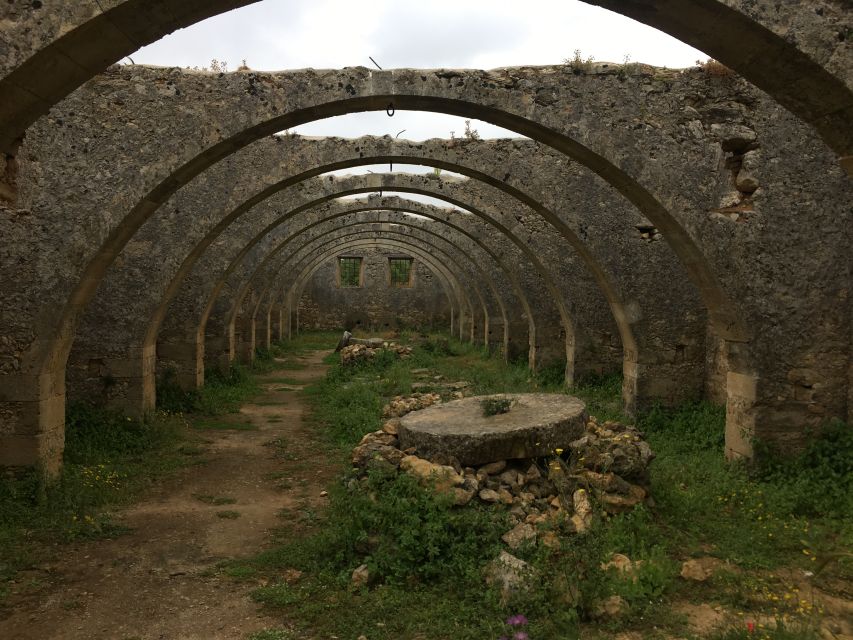
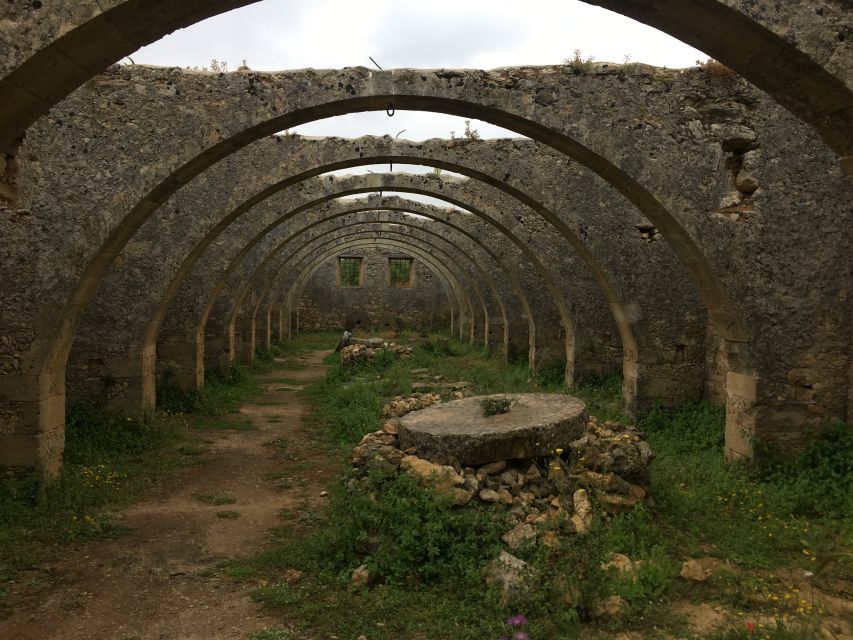
After the grove, you move to an older olive oil mill. This is the part focused on how olives were processed centuries ago, before modern equipment. You’ll get a walkthrough through the stages of processing—so you can compare old methods to what you’ll see later at a modern facility.
What I like here is the cause-and-effect feeling. You’ll begin to connect technique and time to taste. If you’ve ever wondered why some oils taste fresher or more robust, you’ll see how production choices affect outcomes—at least in the broad, hands-on way this tour is designed to teach.
You can also read our reviews of more private tours in Chania


Lunch or coffee in Apokoronas villages: where the talk turns local
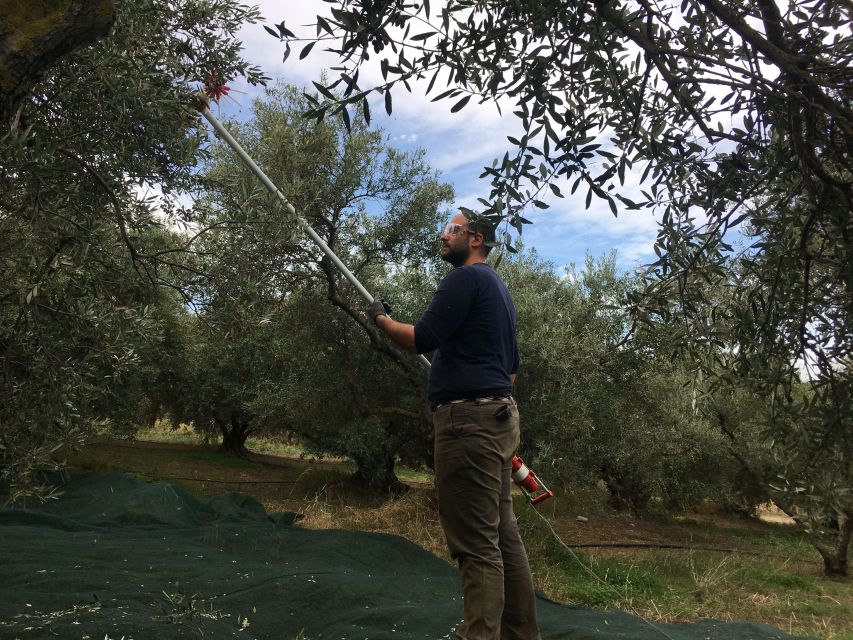
Between the factories and the ancient-tree moment, there’s usually a stop for light lunch or coffee. The setting is in the region around Apokoronas, with lush vegetation and rivers nearby, so you’re not rushed into a sterile break. It’s also a natural pause point for asking the real questions about village life and farming in Crete.
This is also where the tour can feel more personal. Since it’s private, the guide can talk about the farming rhythm and what life looks like in these inland villages, instead of just delivering a standard script. You’ll also have a chance to talk about the flora and fauna of Crete, which makes the countryside feel less generic.
The ancient olive tree: what to notice (and how to photograph it)
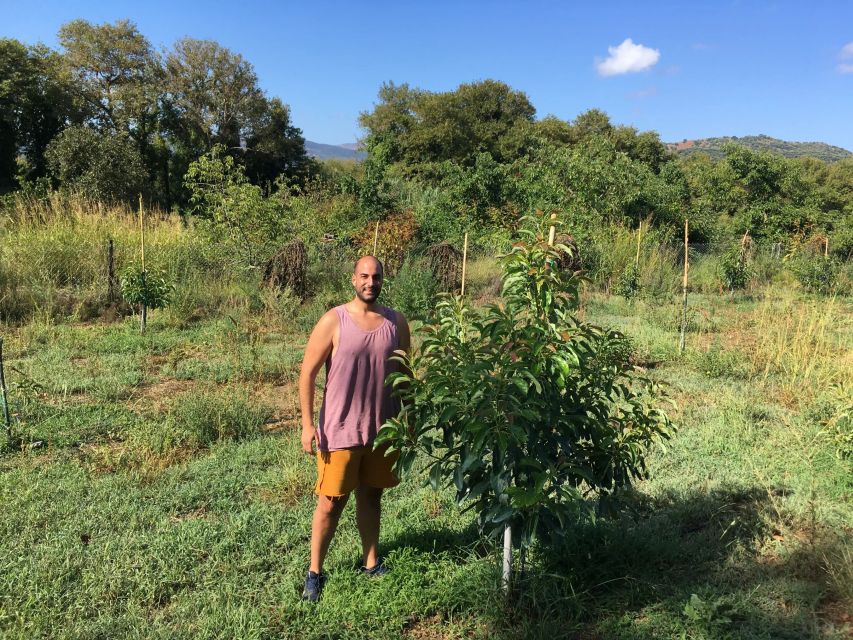
Then comes the wow factor: a visit to an ancient olive tree said to be more than 3,000 years old. The tree is far away from the visitor’s eyes, so you’re not getting a close-up you can touch—but that distance helps you take in the scale properly.
When you look at the olive tree circumference, you’ll understand why people treat olives as a living timeline. It’s a powerful moment, not because of a single number, but because it makes the olive oil production story feel real in time—generations of cultivation leading to what you taste today.
Photo-wise, plan on using the viewing spot the way it’s offered. The tour builds in time for fantastic pictures, so you don’t need to rush your shot.
Modern olive oil factory: machinery, refinement, and the tasting session
At the end of the day, you visit a modern olive oil factory in the Chania area. This is where the tour pulls everything together: modern refinement and processing, explained by your guide near the equipment.
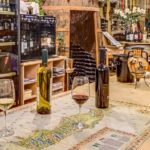
The tasting happens right inside the factory area, next to the processed olive oil machinery. That detail matters because you’re not just drinking samples; you’re seeing the context that creates those tastes. You’ll also likely understand the difference between simply tasting oil and tasting it with purpose.
If you’ve been wondering how “extra virgin” really connects back to steps taken in production, this closing stop is where the connection clicks.
Price and value: is $176 per person worth it?
At $176 per person for about 7.5 hours, you’re paying for three main things: private transport, expert guidance (historian tour guide/driver plus a professional farmer/producer), and multiple production sites. You’re also getting a box lunch with water plus banana, apple, and chocolate, along with free organic extra virgin olive oil to take home.
Is it the cheapest way to learn about olive oil? No. But value comes from reducing guesswork. Instead of trying to coordinate separate experiences—groves, mills, tastings—you get a guided day built around the full chain: tree to extraction to tasting.
Two cost notes to keep in mind:
- Lunch or drinks at private tour stops aren’t included (even though a box lunch is provided).
- Entrance fees, if applicable, aren’t included.
Who should book this private olive oil tour
This one fits best if you want more than a standard cultural drive. You’ll enjoy it if you care about how food is made, if you like hands-on explanations, or if you’re shopping for olive oil and want to build real taste judgment.
It also makes sense for:
- Food lovers who enjoy process as much as flavor
- Couples or small groups who want a private pace
- People visiting Chania and wanting a countryside day without self-driving stress
- Cruise passengers, since it’s also offered as a shore excursion covering Chania and Souda cruise port
If your travel style is just “quick photo, quick snack, next stop,” the day may feel busy.
Should you book this Chania private olive oil tour?
I’d book it if olive oil is a priority for your trip and you like learning by seeing the full production line. The combination of a grove visit, an older mill experience, and a modern factory tasting—plus the free organic oil you take home—makes it feel like more than a single tasting moment.
I’d skip it if you want a short, low-effort outing. This is 7.5 hours with multiple stops, and the payoff comes from staying engaged through the processing story.
If you’re deciding between this and a basic olive oil tasting, choose this for the bigger context and the take-home oil. If you’re deciding between this and a generic village tour, choose this for the food-production focus—especially if you’ll actually use what you taste when you shop back home.
FAQ
How long is the Chania private olive oil tour?
The tour lasts about 7.5 hours.
Is this tour private?
Yes, it’s a private group experience with private transport.
What is included in the tour price?
Included items are a licensed historian tour guide/driver (certified by the Greek Ministry of Tourism), a professional farmer/olive oil producer, private transport, a box lunch with water plus banana, apple, and chocolate, free organic extra virgin olive oil at the end, and flexible stops. Pickup and drop-off from all Chania central areas are included.
Is lunch included?
A box lunch is included as part of the tour. Lunch or drinks at private tour stops are not included.
Do you pick up from hotels in Chania?
Yes. Free hotel pickup and drop-off from all Chania central areas is included. You’ll be asked to wait in the hotel lobby about 10 minutes before pickup.
What language is the tour guide?
The tour is offered in English and Greek.
Can I cancel for a full refund?
Yes. Free cancellation is available up to 24 hours in advance for a full refund.