Food walking tours are my favorite shortcuts. This one turns Heraklion into a tasting map, mixing 12 local bites and sips with a guided stroll through the city center and its Venetian landmarks. You’re not just eating, you’re learning what to look for as you walk.
I especially like the range: sweet pastries like bougatsa and kalitsounia, then savory stops with cheeses, olives, dakos, and souvlaki, and finally the local drink rhythm with Turkish-style coffee and raki. One possible drawback: it’s a packed 2 hours, so if you dislike alcohol, want very small portions, or have dietary limits, you’ll need to plan carefully and ask questions early.
In This Review
- Key things to know before you go
- What you’re really buying: a guided food map of Heraklion
- The 2-hour route: from meet-up to Venetian walls
- The tasting lineup: sweet first, savory middle, local drinks at the end
- Sweet stops: bougatsa and kalitsounia
- Fruits and bread you can taste the difference with
- Dairy and olives: the core Cretan flavor story
- Dakos: bread meets toppings
- Souvlaki and the savory finish
- Drinks: Turkish-style coffee, herbal options, and raki culture
- Why the guide matters more than the menu list
- Food tastings + historic center sightseeing: the balance is smart
- What’s included (and what it doesn’t include)
- Price and value: is it worth $167.85?
- Who this tour suits best (and who should think twice)
- Tips to get the most out of your 11:30 am tasting walk
- Should you book this Heraklion food walking tour?
- FAQ
- How long is the 12 Tastings of Heraklion city walking culture tour?
- What time does the tour start?
- How many tastings are included?
- What foods and drinks are typically part of the tastings?
- Is lunch included?
- What is the maximum group size?
- Where do you meet for the tour?
- Is this tour free to cancel?
Key things to know before you go
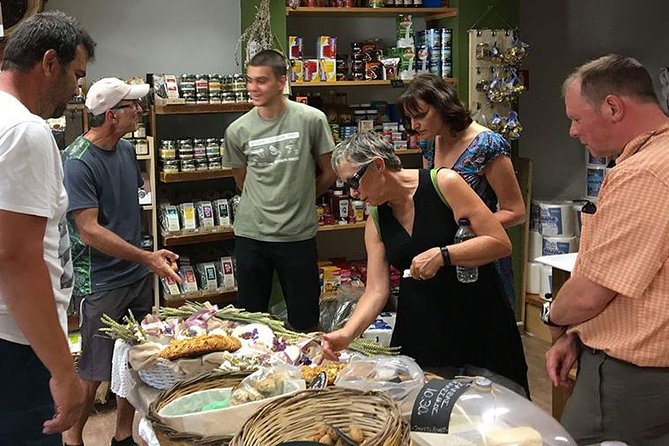
- Up to 12 people keeps the pace friendly and the guide attentive
- 12 tastings in about 2 hours means you get variety fast, not a slow food crawl
- Raki or tsikoudia plus wine shows you Crete’s drinking culture in small samples
- Venetian sights and major squares come bundled with the food stops
- Heraklion context includes El Greco and Kazantzakis tie-ins, so the walk has meaning
- Local guide focus is a standout, with one review praising Eri by name
What you’re really buying: a guided food map of Heraklion
This tour is designed for two goals at once: you eat your way around Heraklion, and you learn how the city’s food culture fits into daily life. That’s a smart combo when you’re only here for a day or two, because it gives you more than a list of dishes. You start recognizing flavors, ingredients, and even basic food terms you’ll hear again in restaurants and markets.
The biggest value is the concentration. For roughly $167.85 per person, you get a real tasting lineup (12 items) plus an English-speaking guide guiding you between stops in the historic center. You’re not paying just for snacks. You’re paying for someone who can connect what you’re tasting to where you are in the city, so the experience sticks.
If you’re the type who likes to plan less and taste more, this tour hits your sweet spot. You’ll walk scenic streets, stop at local shops, and sample classics you can’t fully appreciate from a menu photo. And because the group max is 12 travelers, the guide can actually guide instead of just herding people.
You can also read our reviews of more walking tours in Crete

The 2-hour route: from meet-up to Venetian walls
You start at Capsis Astoria Heraklion on Plateia Eleftherias. That’s a handy location because it’s in the city center, and it also makes the walk easy to stitch into your day. The tour starts at 11:30 am and runs about 2 hours, ending back near the meeting point.
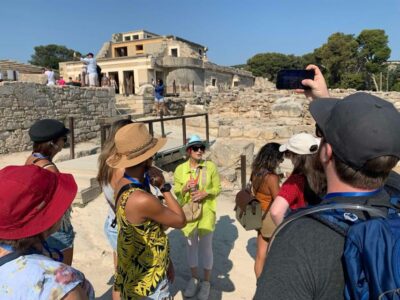
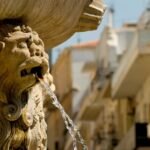
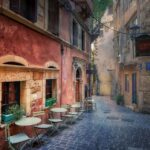
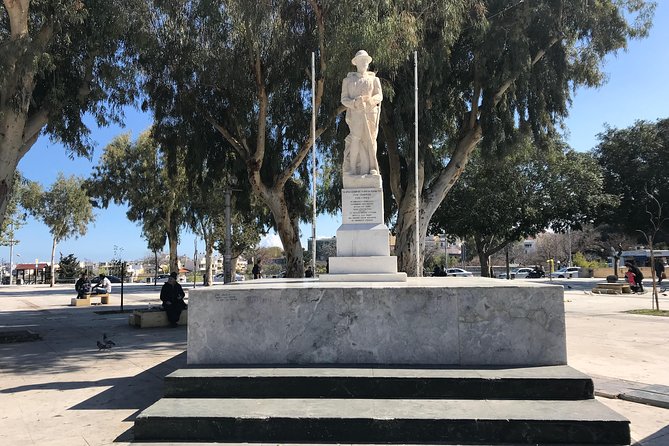
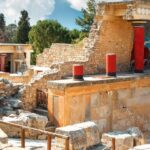
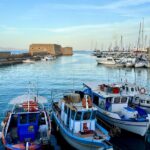
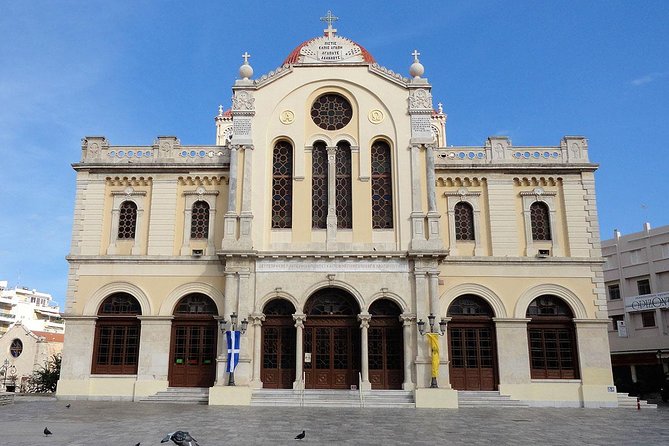
From there, the core of the walk is Heraklion’s historical city center, with major landmarks showing up along the way. You’ll spend time around areas like Lions Square and pass by Venetian Walls, plus the vicinity of Saint Titos Cathedral and Agios Minas Cathedral. Even if you don’t go inside any buildings, these stops help you understand why Heraklion has layers. You’re tasting Cretan food, but you’re walking through a city shaped by different eras.
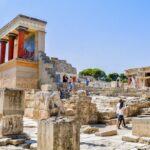
One of the fun added context pieces is the reference to the 7th labor of Hercules performed here, plus the fact that Heraklion connects to major figures like El Greco and Nikos Kazantzakis. That kind of background isn’t about turning the tour into a lecture. It’s about making the streets feel less random when you’re hungry and moving fast.
The tasting lineup: sweet first, savory middle, local drinks at the end
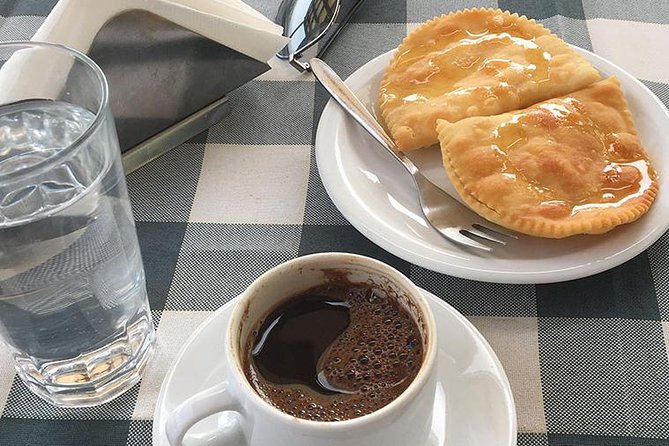
This is where the tour earns its hype. The tasting plan isn’t just “some bites.” It’s structured to give you a sequence: pastry, fruit and basics, dairy and olives, bread-and-topping-style food, then meat, then drinks.
Sweet stops: bougatsa and kalitsounia
Early on, you’ll get pastries that are deeply Cretan and Greek-adjacent. Bougatsa is one of those dishes that feels simple until you taste it right. Expect a filling-and-pastry texture that’s comforting and easy to eat while walking.
Then there’s kalitsounia, another pastry option that rounds out the sweet side of the day. If you’ve only had pastries in tourist areas, this is the moment you’ll notice how much better local ingredients and proper technique taste when you’re not ordering from a cookie-cutter menu.
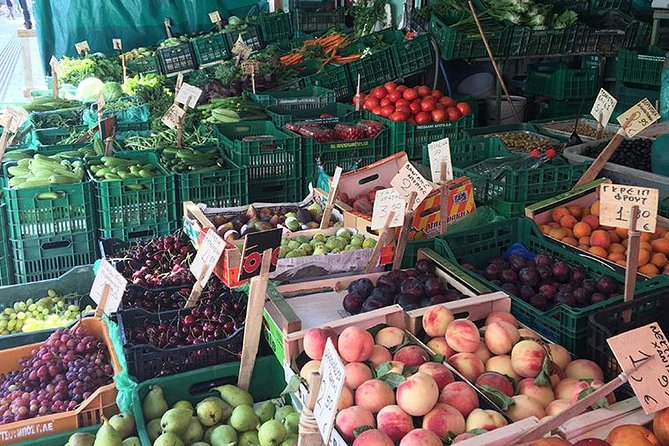
Fruits and bread you can taste the difference with
After the sweets, you’ll move into lighter and fresher tastes, including fresh fruits and paximadi, a traditional rusk bread. Paximadi is one of those foods that sounds ordinary until you realize it’s a real staple in how people eat. It brings texture and a dry, toasted character that works well with spreads, toppings, and oil.
You can also read our reviews of more city tours in Crete

Dairy and olives: the core Cretan flavor story
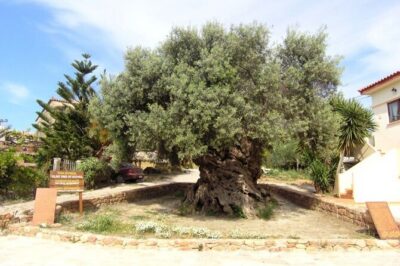
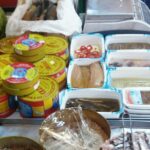
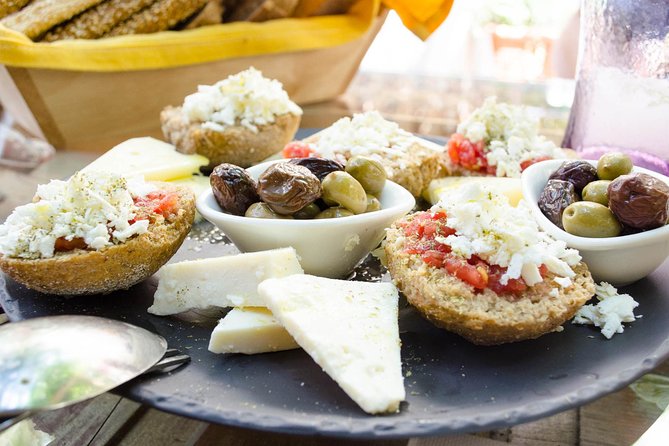
If you want the “Crete identity” flavors, this is the middle section. You’ll sample types of cheese and types of olives, plus you’ll get a light olive oil tasting. The guide helps you notice what’s different from one cheese to another and what makes one olive style stand out.
Olive oil tasting is especially worth paying attention to, because it’s not just a sip of something. You’re training your palate to identify bitterness, fruitiness, and how the oil feels on your tongue. That makes it easier to order the right thing later when you see olive oil for sale.
Dakos: bread meets toppings
You’ll also taste dakos, a classic “bread + toppings” approach. It’s built for real eating, not for posing. You’ll understand why it’s popular once you get the mix of crunch, tomato-style flavors, and the way the base holds everything together.
Souvlaki and the savory finish
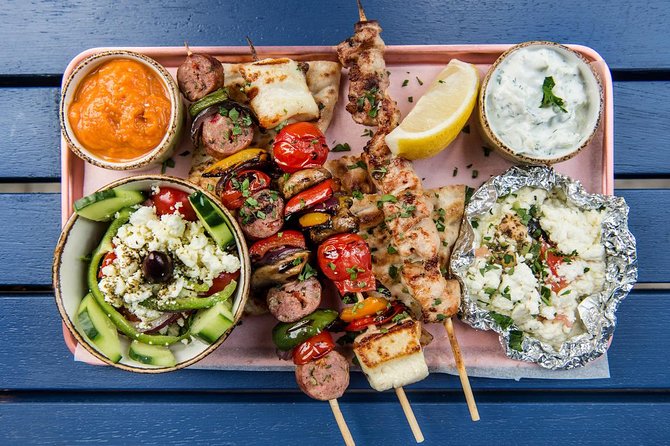
Then comes the hearty part: souvlaki. This is a good anchor bite because it shifts you from small samples to something that feels like a meal. It also helps balance everything that came before, so the later drinks don’t feel too sweet or too heavy.
Drinks: Turkish-style coffee, herbal options, and raki culture
You’ll start the drinks portion with Traditional Greek coffee, and the tour highlights it as Turkish-style coffee. Either way, it’s a classic pause in the middle of a walking day.
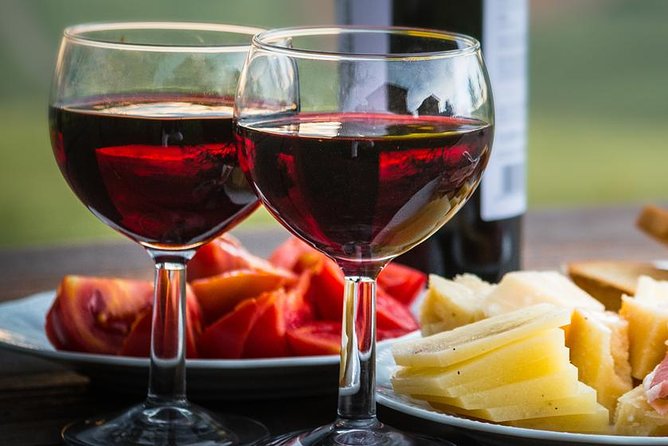
You’ll also taste a traditional herbal drink (non-alcoholic), plus later in the tour, you move into Cretan spirits and wine. Expect raki and wine as part of the tastings, along with raki-based options included in the experience such as rakomelo and soumada, plus a raki meze pairing. In other words: you get the local drink story, not just one shot.
One practical note: because alcohol is included in small portions throughout, you won’t feel like you’re stuck with a single big drink at the end. But it still adds up across a 2-hour walk. If you plan to drive or you’re sensitive to alcohol, say so from the start and pace yourself.
Why the guide matters more than the menu list
In a good food tour, you can follow along with the dishes and still learn very little. In a great one, the guide turns tastings into context. This is one of those tours where the guide role feels real, and the small group size helps.
One review specifically named Eri and praised her as an excellent guide who delivered a wonderful introduction to Crete and multiple opportunities to savor local treats. That lines up with what you should look for: not just facts about food, but guidance in how to taste.
For you, that translates to practical benefits. You’ll know what to ask for later. You’ll understand which flavors are basic staples (cheese, olives, oil) and which are special treats (pastries, specific drink styles). And the city landmarks stop being “things you walked past” and become part of your food map.
Food tastings + historic center sightseeing: the balance is smart
A lot of tours get stuck in one lane: either all sightseeing or all food. This one uses the food as the reason to stop, and the sightseeing as the reason to care. You’re walking through areas like Venetian Walls and the cathedral areas, but you’re also eating in between, which keeps energy steady.
This matters because Heraklion can feel like a lot if you’re trying to do everything yourself. A guided route helps you avoid the common problem: you get hungry, then you wander, then you miss the good spots. Here, you’re guided to local shops for tastings, then you keep moving.
The route also makes sense with the timing. Starting at 11:30 am is late enough that you don’t feel rushed like an early breakfast tour, but early enough that the afternoon still feels open after you finish. Since there’s no lunch included, you’ll likely want a light later meal or a proper sit-down dinner depending on how you pace the tour tastings.
What’s included (and what it doesn’t include)
Included is the core reason the tour works: you get a local expert English-speaking guide and a defined sequence of snacks and drinks. The included items cover Cretan herbs and teas, Traditional Greek coffee, light olive oil tasting, local seasonal fruits, raki, olives, Cretan cheeses, paximadi, and multiple raki-based options like rakomelo and soumada. You also get bougatsa and raki meze, plus souvlaki, and you finish with wine.
Not included is lunch. Since you’re eating 12 tastings over 2 hours, you may not feel like a full meal right away. But you’ll still want something later, especially if you’re hungry after the walking portion.
Price and value: is it worth $167.85?
Let’s talk straight value. At $167.85 per person, you’re paying for:
- a guide who leads you through the historic center,
- structured stops with tastings rather than random snacks,
- alcohol and coffee included as part of the tasting plan,
- and a small group of up to 12 people.
For a food lover, this can be a good deal because the tastings do the heavy lifting. You’re not trying to price out individual bites at local shops mid-walk, and you’re not guessing which place gives the best version of each dish. Instead, you sample multiple staples in one outing, then you can decide what to repeat later on your own.
If you’re traveling on a tight budget, the price may feel steep for a walking tour. It’s not a cheap “walk and snack” add-on. But it is a high-planning-efficiency experience, especially if you’re new to the city and want an organized intro to what to eat.
Who this tour suits best (and who should think twice)
This works really well if you:
- want a guided first day in Heraklion,
- like structured tastings and don’t want to research 10 different places,
- enjoy both sweet and savory Cretan classics,
- and you’re curious about raki culture without committing to a full bar crawl.
It might be less ideal if you:
- avoid alcohol completely, since raki and wine are part of the included tastings,
- have strong food restrictions and need a fully customizable menu (the tour data doesn’t list substitution options),
- or you prefer a slower pace with fewer stops, because this is designed to pack in 12 tastings in about 2 hours.
Tips to get the most out of your 11:30 am tasting walk
You’ll have the best experience if you show up ready to taste. I’d plan around it like this:
- Eat lightly beforehand if you’re worried about food volume, since you’ll still get 12 tastings during the tour.
- Wear comfortable shoes. You’ll be walking through central Heraklion and passing major landmarks.
- Bring a small bag or water plan. The tour includes plenty of bites, but you’ll still want to stay comfortable.
- Pace the drinks. Even when pours are modest, the tour includes multiple drink types.
If you’re a photo person, you’ll get chances as you pass squares and walls. Just remember this is a food experience first, so don’t expect a long stop for every landmark.
Should you book this Heraklion food walking tour?
If you want a quick, guided way to understand Cretan food and see the historic center at the same time, I’d book it. The big wins are the guide-led tastings, the variety from pastries to cheese to olives to dakos and souvlaki, and the local drink finish with raki, herbal options, and wine. The small group size keeps things personal, and the praise for Eri by name signals that the guidance is a real strength.
Skip it only if alcohol is a dealbreaker or if you prefer a more relaxed schedule with fewer food stops. Otherwise, this is a smart use of time in Heraklion: eat well, walk through the city’s key sights, and leave with a palate that makes the rest of your trip easier.
FAQ
How long is the 12 Tastings of Heraklion city walking culture tour?
The tour lasts about 2 hours.
What time does the tour start?
The start time is 11:30 am.
How many tastings are included?
There are 12 local food and drink tastings.
What foods and drinks are typically part of the tastings?
The tastings include items such as bougatsa, kalitsounia, cheeses, olives, dakos, souvlaki, fresh fruits, Turkish-style/Greek coffee, a non-alcoholic herbal drink, raki (or tsikoudia), and wine.
Is lunch included?
No, lunch is not included.
What is the maximum group size?
The group has a maximum of 12 travelers.
Where do you meet for the tour?
You meet at Capsis Astoria Heraklion, Plateia Eleftherias, Iraklio 712 02, Greece.
Is this tour free to cancel?
Yes. You can cancel for a full refund up to 24 hours before the experience’s start time (free cancellation).