Two SCUBA underwater research sessions in Crete. I love how this day pairs a marine biologist guide with hands-on underwater work in a small group of max 4 divers—so you get real answers, not generic facts. You’ll also leave with a better read on Mediterranean life, because the day is built around what you notice and what your team collects.
One thing to plan for: this is for certified divers only, and you need to be healthy and fit for SCUBA. If you want a first-time try, you’ll need a different option.
In This Review
- Key points to know before you go
- Marine biologist–led SCUBA research in Crete: what makes it different
- The small-group setup (max 4) and why it matters
- Your day at a glance: timing, structure, and what you’ll do
- Starting point in Plakias: where the day begins
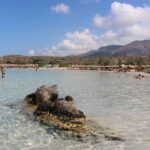
- Stop 1: Souda Beach and your first habitat focus
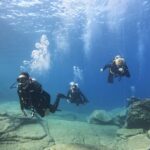
- Stop 2: Plakias area and the second SCUBA session
- Underwater briefings: where the science actually gets practical
- Citizen-scientist data collection: how you contribute
- After the water: debriefing and open-air microscope lab time
- Gear, equipment, and what you should budget for
- Who this experience fits best (and who should skip it)
- Practical tips to get more out of the day
- Should you book this marine biology SCUBA research day?
- FAQ
- What does the program include?
- How many people are in the group?
- Do I need to be a certified diver?
- Where do we meet, and when does it start?
- How long is the experience?
- Is lunch included?
- Are underwater photos included?
- Is the tour private?
- FAQ
- Can I get a full refund if I cancel?
- What language is the experience offered in?
Key points to know before you go
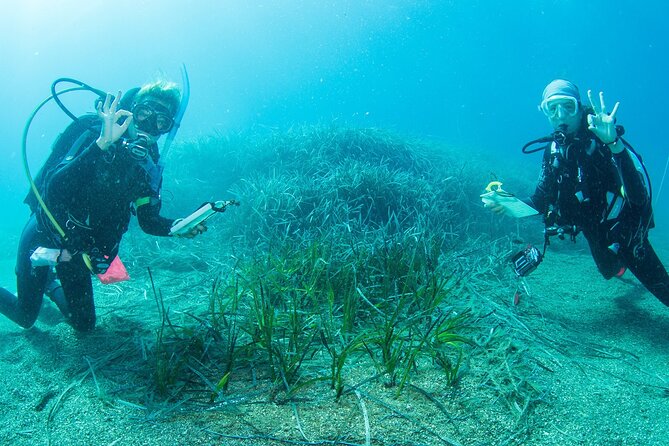
- Small-group attention (max 4 certified divers) means you get time to ask questions and practice technique with guidance.
- Marine biology is part of the mission, not a side chat—your briefings feed directly into what you do underwater.
- Two different underwater locations (Souda Beach and Plakias) give you variety in habitat and species.
- Citizen-scientist style sampling and notes turn curiosity into data you can discuss on land.
- Open-air lab microscope time helps you see what you couldn’t pick out underwater.
- Photos are optional and extra (19 euros), so you can decide based on your priorities.
Marine biologist–led SCUBA research in Crete: what makes it different
This is not a day where you just follow a guide and hope for good visibility. The whole format is built around marine biology—brief, focused, and practical—so you understand what you’re looking at while you’re looking at it.
I especially like that you’re working with trained marine biologists who aren’t only teaching biology. People in the team have included Vanessa, Martina, Marie-Clarie, Kirsten, and Katy, and the vibe tends to be warm and organized. You’ll feel like the day has a plan, not like a last-minute scramble.
You can also read our reviews of more scuba diving tours in Crete
The small-group setup (max 4) and why it matters
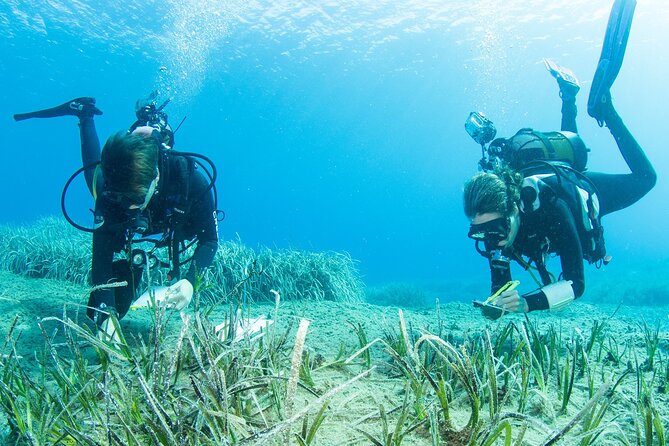
A maximum group of 4 divers sounds like a detail, but it changes the whole day. In a bigger group, you might get a quick instruction, then spend the rest of the time trying to keep up. Here, you’re more likely to get coaching that fits your level and interests.
That also means you can ask the kind of questions that pop up mid-session: Why does this habitat matter? How do you spot a species correctly? Where does the science come from? You’re not shouting across a boat to be heard.
The day is described as tailor-made to your diving level, experience, and interests. That’s the right idea for a research day, because the goal is observation and collection, not just endurance.
Your day at a glance: timing, structure, and what you’ll do
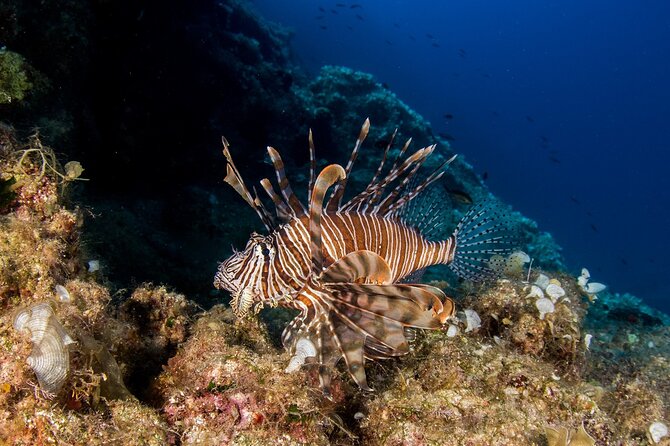
The schedule starts at 8:30 am, and the activity runs as a full-day program (about one day). You’ll return to the meeting point at the end of the day, where you debrief and do lab work.
The core structure is simple:
- Two underwater SCUBA sessions for certified divers only
- Guided briefings before each session
- Citizen-scientist-style collection and notes during the water time
- A debrief back on land, including microscope viewing
Also, you’re not stuck with a rigid script. The biologists help choose the underwater biome your group studies, depending on interests and conditions.
Starting point in Plakias: where the day begins
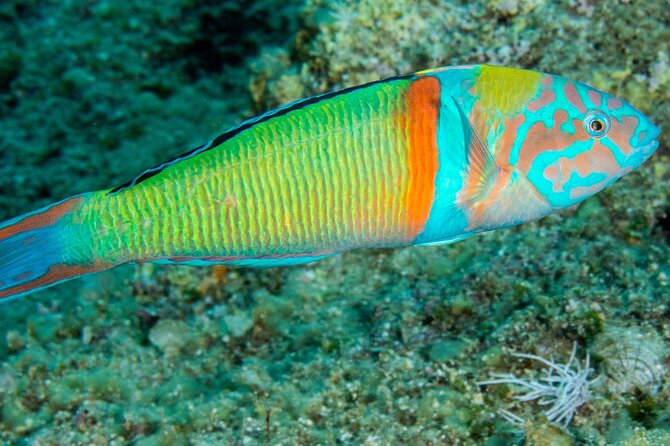
You’ll meet at a 5-star PADI scuba school and marine field station in Myrthianos Plakias, on Eleftheriou Venizelou (740 60, Greece). It’s a good meeting spot because it’s designed to support both SCUBA operations and follow-up biology work.
I like that this isn’t just a pick-up and drop-off arrangement. The day includes a land-based lab component where you can examine samples, which makes the starting facility feel like part of the experience—not just a waiting room.
Bring the basics: you’ll need to be healthy and fit for SCUBA, and you should have the right certification. The program is positioned for certified divers, and that shows in how the day is paced.
Stop 1: Souda Beach and your first habitat focus
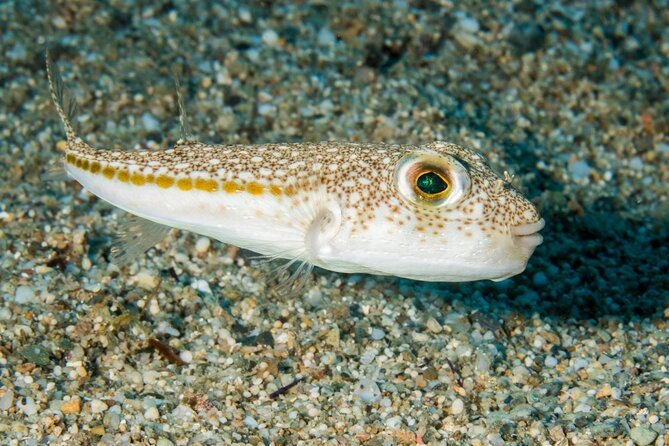
One of the underwater locations is Souda Beach, and this is where your first set of biology instructions becomes real. The day is set up for you to become a sort of citizen scientist: you collect data, take underwater notes, and learn what to look for before you enter the water.
What makes this stop useful is that it gives you a foundation. You’re not trying to master everything at once. Your first session helps you get your bearings and start thinking like an observer.
If your group picks a habitat type like seagrass for the day, you can expect the day to connect underwater plants and small associated life to what you later see under a microscope. The microscope part matters because many of the details are too small to fully process underwater.
Stop 2: Plakias area and the second SCUBA session
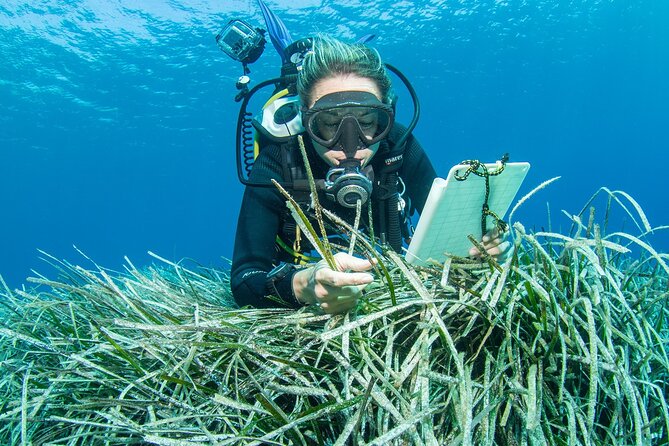
The second location is Plakias, where you’ll do your second underwater SCUBA session. This is a chance to see more of the Mediterranean system your group is studying, and it also gives you a second round to use what you learned in the first briefing.
I find a two-session structure is great for learning because it reduces the pressure of getting everything right immediately. After you’ve heard the explanations and made initial observations, you can return with better instincts: how to approach species recognition, how to take notes clearly, and how to interpret what the habitat suggests about the marine life you’re finding.
In past experiences with this program style, people have taken sediment samples and then analyzed what showed up back in the field lab. Even if your exact sampling method varies with your chosen biome, the idea stays the same: you’re not only looking—you’re collecting evidence to discuss later.
Underwater briefings: where the science actually gets practical
Before you enter the water, the marine biologists give you briefing time filled with species info and research methods. This isn’t lecture-only. The point is to tell you what to look for, then let you put those ideas into practice underwater.
From what people describe, the atmosphere is informative and friendly, with real explanation of how marine biology research is done. You’ll likely learn what kinds of organisms are expected in the area, and how marine biologists organize observations so data stays usable.
If you’re someone who likes structure, this is a strong fit. If you’re the type who learns best by doing, it still works because you’re guided from concept to action.
Citizen-scientist data collection: how you contribute
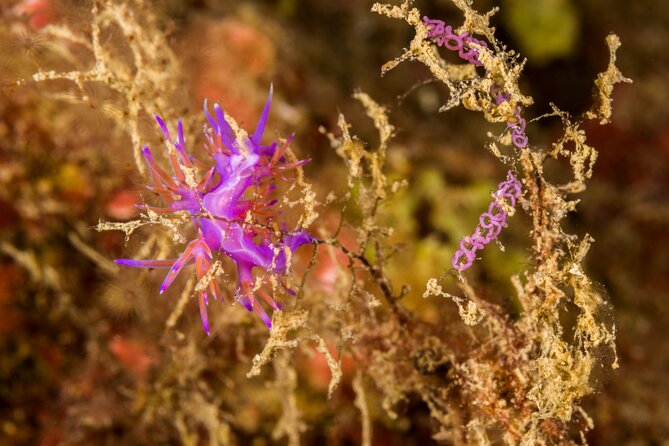
The program explicitly frames you as a citizen scientist. That matters because it changes your mindset. Instead of thinking, I hope I see something cool, you think, I need to notice and record what’s here.
You’re collecting important data that helps educate others and support environmental protection efforts. The practical takeaway is that your notes and samples are treated seriously enough to be discussed after the day.
This is also why a small group matters again. When you’re only dealing with a few divers, the biologists can keep an eye on how you’re collecting, and you get more direct feedback on what you’re doing.
After the water: debriefing and open-air microscope lab time
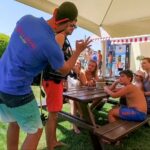
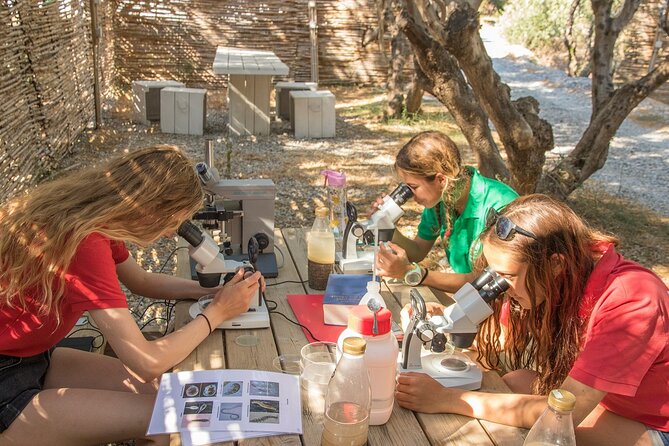
Back at the field station, you’ll debrief what you experienced, talk through what you learned, and then examine your samples under microscopes in an open-air marine biology lab.
This is one of the most memorable parts of the day. Underwater, you might catch a plant or a larger creature. Under the microscope, the world gets detailed fast—small ecosystems, tiny structures, and the kind of patterns that are impossible to fully confirm in the water column.
I love this because it turns your day into a loop: observe → collect → analyze → connect. You don’t just get a certificate and a vague sense of wonder. You get evidence, plus a clearer way to describe what you saw.
Gear, equipment, and what you should budget for
SCUBA equipment use is included, and bottled water is provided. The program also includes specialized marine biology equipment, which is a big deal because it tells you they expect you to participate in the research work—not just watch.
Your bigger extra costs are optional:
- Lunch is not included, though the plan is to eat together at a beach taverna, paid separately
- Underwater photos can be purchased separately for 19 euros taken by the guide
Price-wise, at $308.58 per person, you’re paying for two structured SCUBA sessions with a marine biologist, plus lab microscopy time and included equipment. For many divers, the value comes from the combination: marine biology instruction and hands-on follow-up on land.
If you’re counting every euro, the add-ons are worth considering up front, especially photos and lunch. But if you care more about learning and leaving with real takeaways, those costs are often minor compared with the value of the day’s structure.
Who this experience fits best (and who should skip it)
You’ll enjoy this most if you’re a certified SCUBA diver who likes learning while you’re underwater. The program is tailor-made to your level and interests, but it’s still built on the assumption you can manage buoyancy and basic SCUBA safety without training wheels.
You also need moderate physical fitness and you should be healthy and fit for SCUBA. The day includes two underwater sessions, so it’s not a short, low-effort experience.
If you’re new to SCUBA, you’ll hit a hard stop here because the day is for certified divers only. The marine biology part is fantastic, but you won’t get it in this format unless you already have certification.
Practical tips to get more out of the day
Do yourself a favor and go in with a curious mindset. You don’t need to memorize species names beforehand, but you should be ready to ask questions and record what you see clearly underwater.
Wear comfortable swim-ready clothing for travel between the facility and the beach. After the water sessions, you’ll be doing lab work, so you’ll appreciate gear that’s easy to rinse and dry.
Also, consider your photo plan ahead of time. Photos cost 19 euros, and the guide takes them, so you can decide after you’ve seen what you got. If you’re trying to keep costs low, skip them and put that money toward a good beach lunch instead.
Should you book this marine biology SCUBA research day?
Book it if you want more than scenery. This is a strong choice for certified divers who care about Mediterranean life and like the idea of turning curiosity into notes, samples, and discussion.
Skip it if you’re not certified, you don’t feel confident for two underwater SCUBA sessions, or you’re expecting an easy day with no extra learning component. The science is the point here, so if you want purely recreational time with minimal structure, this might feel too guided.
If you do book, you’ll likely leave with a clearer mental map of habitat and species, plus the satisfaction of understanding what your samples look like when the day’s story continues under a microscope.
FAQ
What does the program include?
It includes two SCUBA sessions for certified divers, led by marine biologists, plus use of scuba equipment, specialized marine biology equipment, bottled water, and microscope time in an open-air marine biology lab. You also get briefings and a debrief at the end of the day.
How many people are in the group?
The group size is limited to a maximum of 4 divers.
Do I need to be a certified diver?
Yes. The program is for certified divers only, and you must be healthy and fit for SCUBA.
Where do we meet, and when does it start?
You meet at the 5-star PADI scuba school and marine field station in Myrthianos Plakias, Eleftheriou Venizelou, 740 60, Greece. The start time is 8:30 am.
How long is the experience?
It runs for 1 day (approximately).
Is lunch included?
No. Lunch is not included, though there is an option to eat together at a taverna on the beach, paid separately.
Are underwater photos included?
No. Underwater photos can be purchased separately for 19 euros.
Is the tour private?
Yes. It is described as private, with only your group participating.
FAQ
Can I get a full refund if I cancel?
Yes, you can cancel up to 24 hours in advance for a full refund. If you cancel less than 24 hours before the start time, the amount paid is not refunded.
What language is the experience offered in?
The experience is offered in English.