Clay, stone, and a gorge—Crete in one 6-hour loop.
This tour works because it mixes hand-thrown pottery with real Cretan sites, without making you do any stressful driving. I especially like how the day is built around three different types of experiences—craft in Margarites, landmark history at Arkadi, and an easy nature walk in Patsos. The one thing to keep in mind is that the gorge portion is outdoors and takes a moderate walking level, so you’ll want decent shoes and a realistic pace.
You’ll also appreciate that admissions and the main meals are handled for you. Lunch is included (with a vegetarian option), and the day comes with raki and plenty of laughs, not just check-the-box sightseeing. The possible drawback? The monastery portion has limits for your guide, so you’ll get escorted exploring rather than a full inside narration tour.
In This Review
- Key things to know before you go
- Margarites Pottery Village: Meet Yorgos and See Clay Become Modern Art
- Chauffeur-Driven Convenience From Rethymno (No Driving Stress)
- Arkadi Monastery: Fortified Venetian Architecture and the Story of 1866
- St. Anthony Gorge (Gorge of Patsos): Protected Nature and a Short, Flexible Walk
- Lunch in a Countryside Taverna + Raki and Laughter
- Price and Value: Why This $357.45 Feels Like More Than Transport
- Who This Tour Suits Best (and When to Choose Something Else)
- So, should you book it?
- FAQ
- FAQ
- How long is the Pottery Village of Margarites, Arkadi, and Patsos Gorge tour?
- What does the $357.45 per person price include?
- Do I need to drive during the tour?
- Is the monastery visit guided inside?
- How much walking is involved in Patsos Gorge?
- Where does pickup happen and what time does it start?
Key things to know before you go
- Private, small-group feel with a max of 6 travelers, plus pickup in the Rethymno district
- Chauffeured transportation so you can focus on sites and not directions
- Margarites pottery demo with Yorgos, plus time to wander the village streets and grab a kafeneio coffee
- Arkadi Monastery access included, with an escorted approach (your guide won’t enter the monument with you)
- Patsos Gorge walking + picnic near running water, plus the cave church of St. Anthony
Margarites Pottery Village: Meet Yorgos and See Clay Become Modern Art
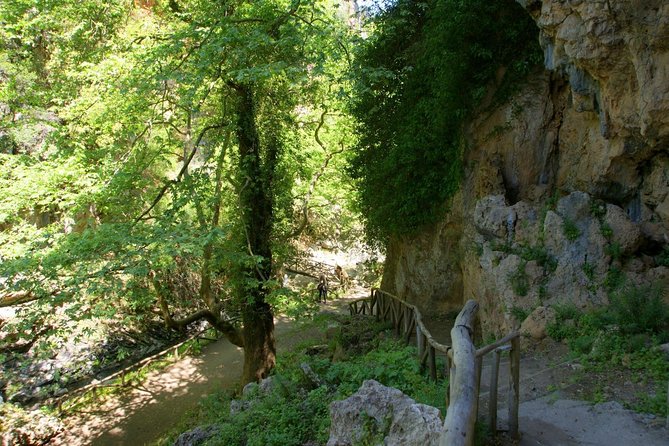
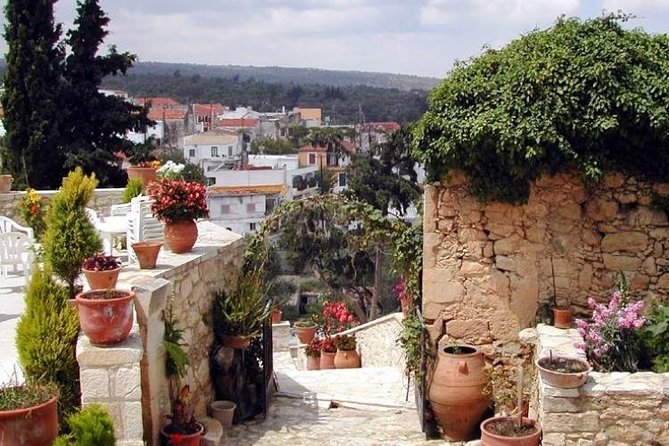
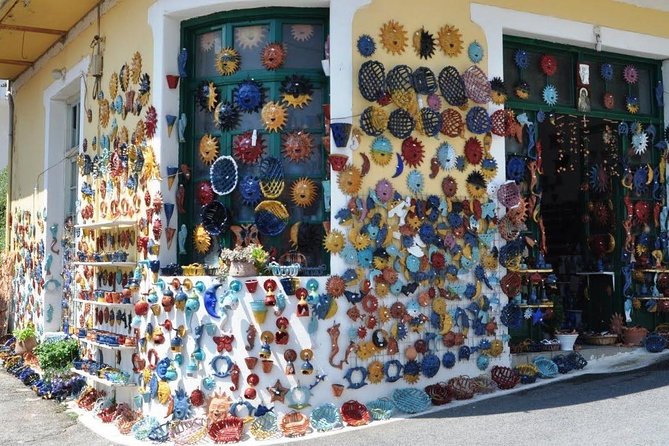
The day starts in Margarites, a village where pottery isn’t a tourist costume—it’s part of daily life. This is one of those places where you quickly notice the visual language of the community. Colors show up everywhere, and the village itself is worth slowing down for: narrow lanes, traditional architecture, and that quiet, lived-in feel you rarely get on rushed stopovers.
The highlight here is the meeting with Yorgos, a local potter who demonstrates how pieces are hand thrown. You’ll get to watch the process up close, from shaping to refinement, and it’s the kind of craft that makes you look at everyday objects differently afterward. Even if you’re not into ceramics, the demonstration helps you understand why pottery matters here: it’s both tradition and skill, passed along and still evolving.
After the demo, you’re not forced into a straight line. There’s time to wander the village at your own speed. I like that you can decide how long to linger—browse storefronts and workshop displays if you want, or just soak up the atmosphere through the winding streets. Then you can stop for a traditional coffee at a local kafeneio, which is a simple but very Cretan way to reset before the next drive.
A practical tip: wear something comfortable you can move in. You’ll likely be standing and walking more than you expect, especially if you take the extra time to explore.
You can also read our reviews of more tours and experiences in Crete.
Chauffeur-Driven Convenience From Rethymno (No Driving Stress)
One of the best values of this tour is what it removes from your day: driving. You get picked up in the Rethymno district at a time that depends on your hotel, and you’re transported by air-conditioned car or mini bus. Then a local driver keeps the rhythm while you focus on the stops.
This matters because it’s a multi-stop outing: village + monastery + gorge, in one go. Trying to do that on your own usually means negotiating routes, parking, and timing. Here, the day runs like a tidy loop, so you can enjoy the scenery and historical sites without the mental load.
The group size is also a big deal. The experience is limited to a maximum of 6 travelers, and it’s described as a private tour for just your party. In practice, that smaller setup tends to make the day feel more like guided conversation than a crowded bus tour. You can ask questions, and you’re less likely to feel rushed at each stop.
Language support is solid too: the guide is available in English or French, so you’re not stuck reading symbols or guessing what something means.
Arkadi Monastery: Fortified Venetian Architecture and the Story of 1866
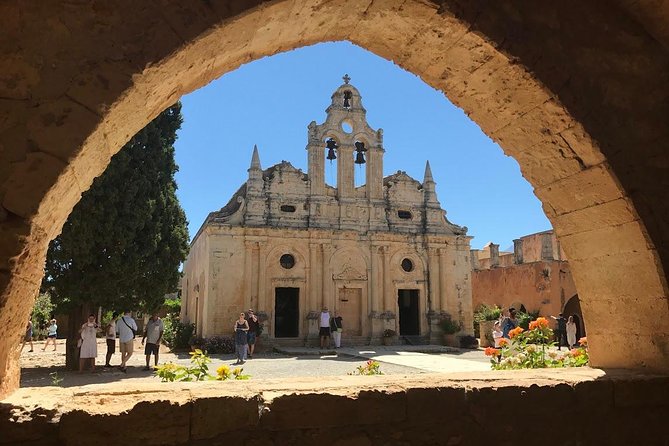
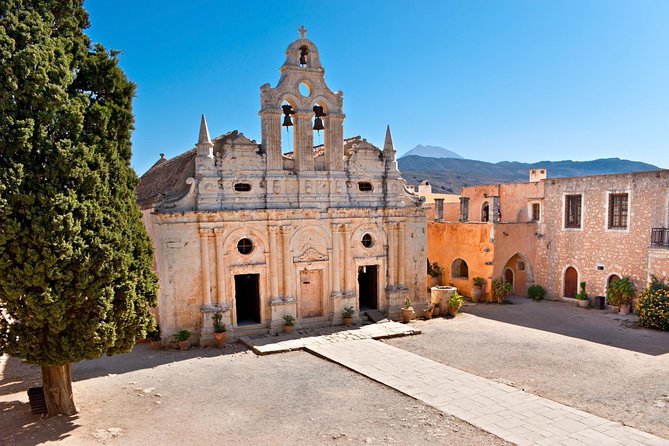
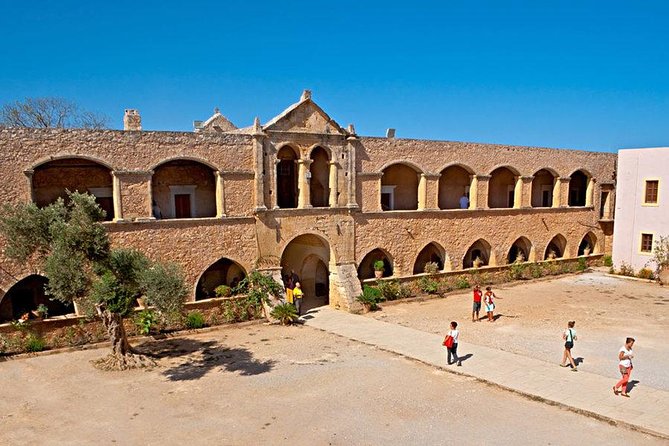
Arkadi Monastery is known for one specific tragedy, and for good reason. It’s perhaps the most famous monastery on Crete because of the Holocaust of 1866. But beyond that history, the site is impressive even if you don’t get deep into dates.
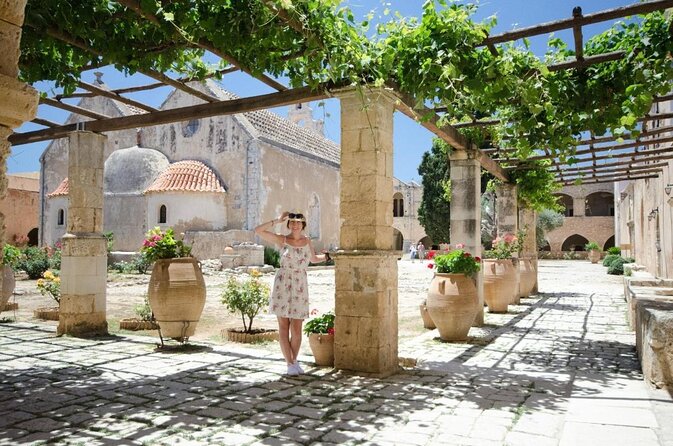
The monastery is a fortified complex, built during the end of Venetian rule. That “fortress” quality changes how you experience it. You’re not just looking at a religious building—you’re seeing architecture designed for defense and endurance. It’s the kind of place where stone feels heavy with meaning.
You’ll have about a short transfer before reaching it, and once there you’ll be escorted to explore the monument. One important detail: your guides are not official inside historical monuments, so the guide does not enter with you. That means you may not get the same inside narrative you’d get at other sites with fully authorized museum-style guides, but you still get orientation and context.
For me, that actually works in a practical way. You can take your time inside at your own pace and still understand what you’re looking at thanks to the explanation you receive outside or at the start of the visit.
If you’re the type who likes to connect the setting to the story, Arkadi gives you a strong backdrop: religious significance, political history, and architecture all in one controlled visit.
St. Anthony Gorge (Gorge of Patsos): Protected Nature and a Short, Flexible Walk
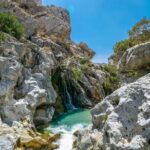
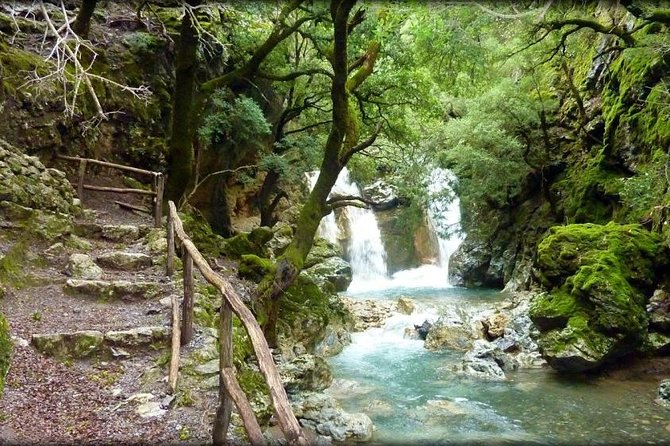
After the monastery, the pace shifts to nature. The Gorge of Patsos is smaller than many famous gorges, but it’s still worth your time because it feels intimate and quiet. It starts at Ano Assites and includes protected species of flora and fauna under European legislation.
Here are the kinds of details that make a gorge visit more than just walking between rocks: there are 80 species of flora, with 4 protected, plus 24 species of fauna with 11 protected, and 16 species of birds with 8 protected. Even if you don’t spot every species, this info adds weight to what you’re seeing—and it nudges you to respect the protected environment.
The tour includes a picnic at the gorge facilities, and it’s set up while you watch a spring of running water near the river. That running water moment is one of those small surprises that can slow the day down in the best way. It’s easy to remember: sun on stone, the sound of water, and a shaded break before the walk.
Then there’s the gorge’s most dramatic feature: the cavernous church of St. Anthony, built into the rocky walls. The site is described as a former temple of Hermes, which gives the place a layered spiritual past. It’s not just a pretty stop. It’s a “same spot, changing meanings” type of landmark—very Crete.
Walking time is flexible. The route usually includes hiking for about half an hour, but you go only until a certain point where it becomes more difficult. After 20–30 minutes, the gorge trail is a natural place to decide whether you’re done or want to go a bit further, depending on weather and your physical condition. That flexibility is a huge plus. It helps you avoid the trap of planning a scenic hike that turns into an endurance test.
Practical note: this is still outdoors. Bring water, wear shoes with grip, and keep an eye on the sky. If weather is poor, the tour may require changes or a full refund, since this experience needs good weather.
Lunch in a Countryside Taverna + Raki and Laughter
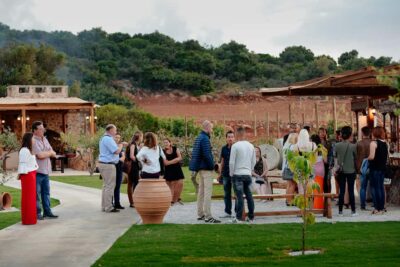
Food is part of why this feels like a real day out, not a schedule of interruptions. Lunch is included, and a vegetarian option is available. It’s served as a traditional meal in a countryside tavern, which tends to be a better experience than eating quickly near a parking lot.
One food combination that stands out from people who’ve done the day is a countryside taverna plate of meatballs in a fragrant tomato sauce, plus local cheese pastry with mint and honey for dessert, and also goat served the local way. Even if you choose vegetarian, you’ll still be eating the kind of food that fits the setting—warm, filling, and clearly local rather than “tour group” generic.
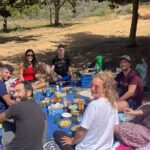
And yes, raki is part of the package. It’s not just a drink; it’s a social glue for the day. You get laughter, stories, and a shared sense that you’re doing this together, which is exactly how these smaller tours can feel when the pace isn’t frantic.
If you care about food timing: you’ll want to walk on an empty stomach first, then eat. Because you’ll be back on the road after, you’ll appreciate having a proper meal before the final stretch.

Price and Value: Why This $357.45 Feels Like More Than Transport
At $357.45 per person, it’s not the cheapest thing in the Rethymno area. But price makes more sense when you line up what’s included.
You’re getting:
- hotel pickup and drop-off in the Rethymno district
- transport by air-conditioned car/mini bus
- a guide in English or French
- entrance to the monastery
- the walking portion in Patsos Gorge
- lunch (including vegetarian)
- all taxes, fees, and handling charges
- raki
That mix matters because it prevents the usual budget drift. When people plan DIY, the “small” costs pile up fast—admissions, fuel/time, parking hassles, and the hidden cost of spending energy on logistics instead of enjoyment. Here, the day is assembled so you can show up and go.
The value also comes from the variety. In about 6 hours, you get a craft village with a real demonstration (Yorgos), a major religious/historical monument at Arkadi, and an outdoor nature walk with a cave church. That’s a lot of contrast in one morning-to-afternoon rhythm, and it’s the type of itinerary that tends to hit best when you’re not exhausted by driving.
My rule of thumb: if you want a comfortable, guided, you-don’t-have-to-plan-it day, the price looks more fair. If you’re trying to do everything as low-cost as possible, you’ll likely feel it’s steep. But for a small group with admissions and lunch handled, it’s strong value.
Who This Tour Suits Best (and When to Choose Something Else)
This tour fits best if you like a day that moves through different Crete moods: craft, stone history, and a gorge walk. It also suits you if you want the structure of a guided outing but without crowds.
You’ll probably enjoy it most if:
- you appreciate handcraft demonstrations and local village atmosphere
- you want a meaningful stop at Arkadi without turning it into a rushed history lecture
- you want a gorge hike that’s short and adjustable based on your comfort level
- you prefer pickup/drop-off and chauffeured transport
It might not be ideal if:
- you need a fully authorized inside guide at the monastery (your guide won’t enter with you)
- you’re not comfortable with outdoor walking, since you’ll be moving through the gorge area for about 20–30 minutes (sometimes more, depending on conditions)
Also, the experience relies on good weather. If conditions are off, the day can be rescheduled or refunded.
So, should you book it?
I’d book it if you want a small, guided Cretan day that balances real culture with practical comfort. The standout is the combination of Margarites pottery with Yorgos’ hand-throwing demo, Arkadi’s fortified monastery story, and Patsos Gorge’s short nature walk plus the St. Anthony cave church. Add included lunch (with vegetarian option) and raki, and it becomes the kind of trip where you leave with more than photos—you leave with a clearer sense of how places connect craft, faith, and landscape.
FAQ
FAQ
How long is the Pottery Village of Margarites, Arkadi, and Patsos Gorge tour?
The tour lasts about 6 hours.
What does the $357.45 per person price include?
It includes hotel pickup and drop-off in the Rethymno district, an English or French speaking guide, transport by air-conditioned car or mini bus, entrance to the monastery, the gorge walk, and lunch (vegetarian option included). All taxes, fees, and handling charges are included.
Do I need to drive during the tour?
No. You are transported by car or mini bus with a local driver, so you don’t need to drive yourself.
Is the monastery visit guided inside?
Your guide will escort you to explore the monastery, but they will not enter with you in the historical monument.
How much walking is involved in Patsos Gorge?
The route usually includes hiking for about half an hour, typically until the point where the gorge becomes more difficult. After about 20–30 minutes, you may hike a little more or less depending on weather and physical condition.
Where does pickup happen and what time does it start?
Pickup is private at each client’s hotel only in the Rethymno district. The tour starts at 9:00 am, and pickup time depends on your specific hotel.