Honey, oil, and pottery in one Crete day. This is a private, hands-on olive oil and honey outing that ends with the best kind of souvenir: something you actually make in ceramics at Margarites. I especially like that you get a tour included at the Paraschakis olive oil operation, where you can walk through three different mills, and that the pottery stop is a real workshop, not a quick look. One heads-up: the food stops can feel brisk, and if you want lots of back-and-forth storytelling, you may need to ask direct questions.
The rest of the day keeps moving in a smart rhythm: after the tastings, you visit the Arkadi Monastery, including a Venetian church that matters a lot to Crete’s 1866 independence story. I also like the comfort factor—private transportation in an air-conditioned vehicle, plus bottled water and an English-speaking driver—so you’re not stressed about timing between rural stops.
One possible consideration is logistics: pickup is only offered from Heraklion city and Rethymno city, and the tour runs about 5 to 7 hours, so it’s not ideal if you want a late start or a super loose schedule. Also, lunch and coffee/tea are not included, so plan a simple meal strategy.
In This Review
- Key highlights to look for
- How the Private Chania Day Keeps Time Tight (and Comfortable)
- Paraschakis Olive Oil in Melidoni: What You Actually Get
- Apithano Honey Museum: Bees, Lab Time, and a Real Tasting
- Tsikalario Ceramics in Margarites: The Hands-On Workshop People Love
- Arkadi Monastery: A Powerful Stop That Breaks Up the Food and Clay
- Price and Value: What You’re Paying For (and Why It Can Make Sense)
- Driver vs Tour Guide: The Real Expectation Setting
- What to Plan for a 5 to 7 Hour Day
- Should You Book This Honey, Olive Oil, and Pottery Day?
- FAQ
- Where does the pickup happen for this tour?
- How long is the experience?
- Is this a private tour?
- What language is provided during the tour?
- What’s included in the price?
- What’s not included?
- Is there a meal option during the day?
- Does the tour run in any weather?
Key highlights to look for
- Paraschakis olive oil mills: you can tour three mills, with admission included
- Apithano Honey Museum lab time: bees, production, and a tasting afterward
- Tsikalario ceramics workshop: learn to make your own ceramic free of charge
- Margarites village setting: pottery country in an area with two parallel gorges and aromatic plants
- Arkadi Monastery visit: Venetian church tied to Crete’s independence story
- Private group format: only your group travels together, with A/C and bottled water
How the Private Chania Day Keeps Time Tight (and Comfortable)
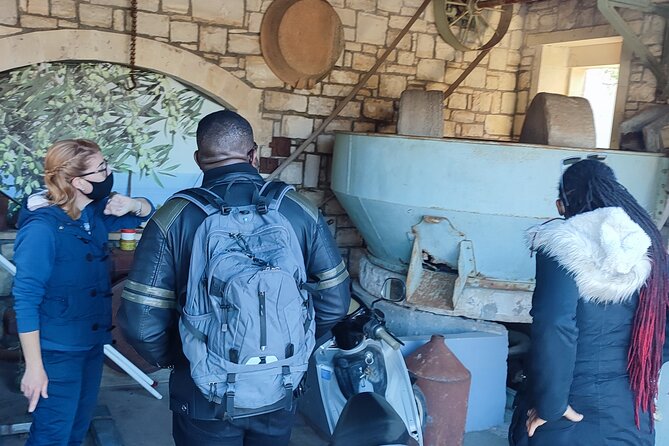
This is set up as a private group experience for up to 7 people, with your own transportation and an English-speaking driver. That matters in Crete, where rural drives and curvy roads can eat up the day if you’re figuring things out on your own. You’ll also get a mobile ticket, and the schedule runs roughly 5 to 7 hours overall.
Expect a steady pace with about an hour at each main stop. There’s no extra long wandering time built in, so if you’re the kind of traveler who wants to linger at every altar, every press, and every tasting, you’ll want to keep your priorities realistic. On the flip side, if you want a full, varied day without constantly re-checking routes, this format is a win.
Pickup time is flexible, but pickup only happens from Heraklion or Rethymno city. If you’re staying outside those areas, you’ll need to arrange your own way to the pickup point. The vehicle is air-conditioned, and bottled water is included—small detail, big comfort, especially when the day warms up.
You can also read our reviews of more tours and experiences in Chania.
Paraschakis Olive Oil in Melidoni: What You Actually Get
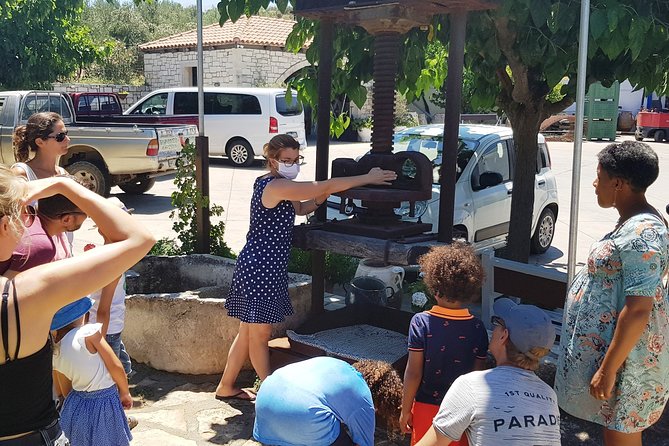
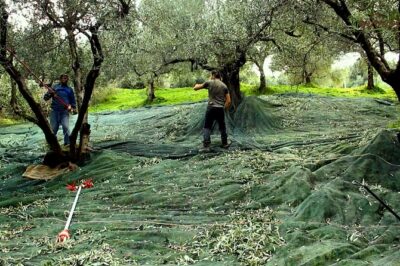
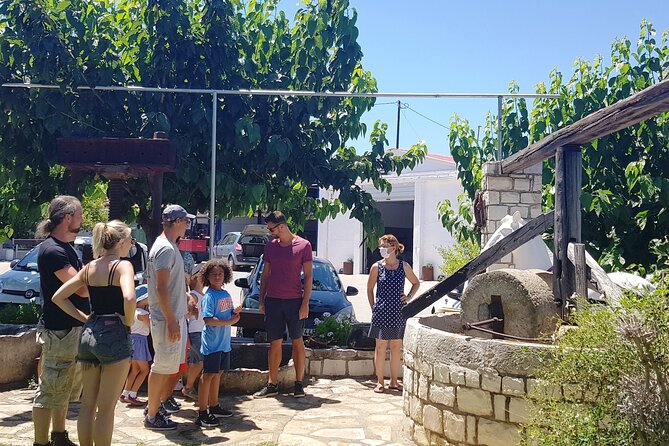
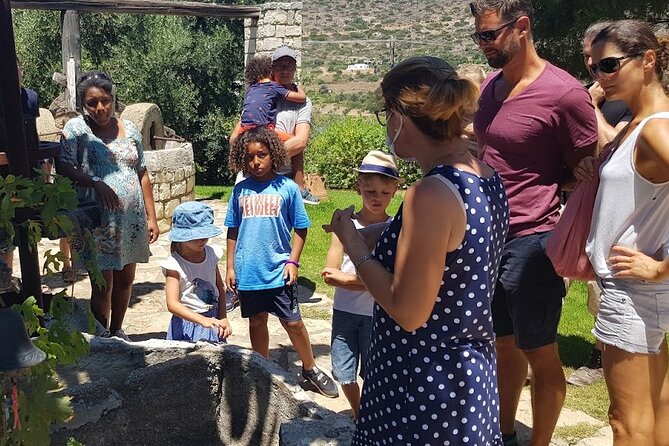
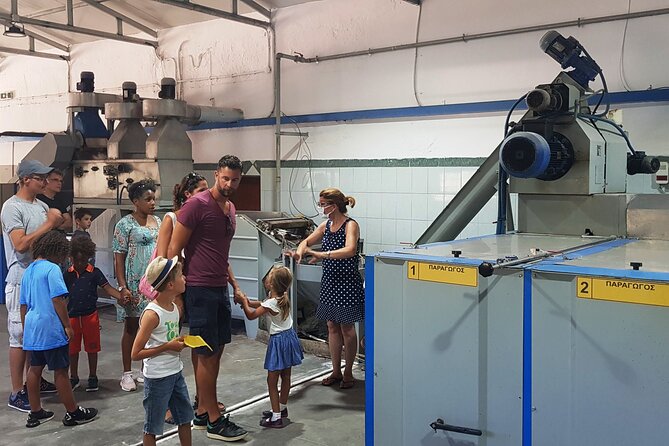
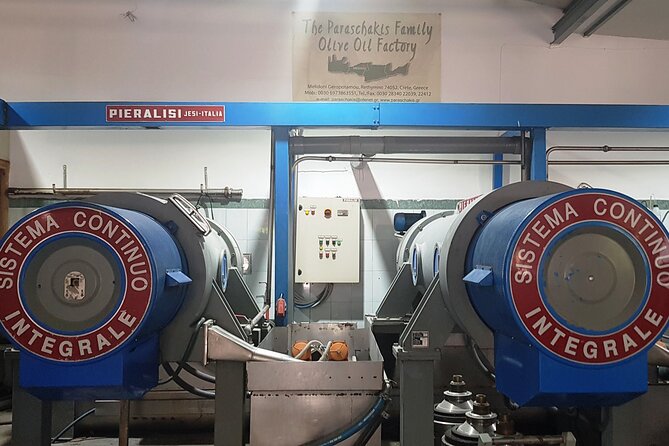
Your first stop is the Paraschakis Olive Oil operation in Melidoni (Crete). This isn’t a vague showroom visit. You get access to the factory experience, and admission is included, so you can focus on the process instead of worrying about extra fees.
A standout detail here is the promise of touring free in three different mills. The idea is that you see multiple steps and setups inside a modern facility, not just one quick glance. The facility is described as state of the art, using strict specifications and real know-how to produce high-quality results.
Here’s why this kind of visit can be more valuable than a single tasting alone. When you understand how olives are processed, you start tasting with better context. You’ll be able to connect what you see to what you smell and taste later. Even if you’re not an olive oil expert, it helps you ask smarter questions.
What to watch for: the pacing can feel efficient. One downside that showed up for some people is that the olive oil portion may move quickly and come with less enthusiastic narration. So if you care about details like how they classify/handle oil quality or how the process varies, ask early and ask clearly.
Apithano Honey Museum: Bees, Lab Time, and a Real Tasting
Next up is the Apithano Honey Museum, plus tasting and tours. This stop is built around the honey story from the bee world to production in Crete. You’ll explore the museum and the lab, and you’ll learn about the history and how honey is made—framed through the idea that honey is a source of life and natural flavor.
What I like about this stop is that it gives you an explanation you can actually use. It’s not only about honey as a product; it’s about why honey tastes different based on where the bees forage. The tour highlights that the honey comes from selected areas of Crete, thanks to biodiversity and endemic vegetation, which is the kind of explanation that makes a tasting feel less random.
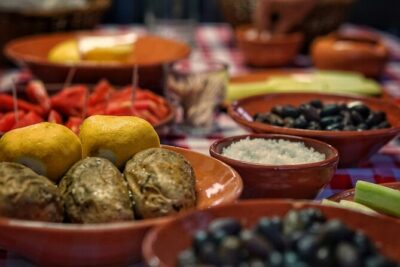
A common note from people is that the honey visit can be brief, but the tasting portion is where it pays off. That tracks with the structure: you’ll have museum time, then you’ll get to taste what you just learned about. If you want more out of it, you can ask what to compare in the tasting—how the aromas differ, or what characteristics they associate with the honey’s origin.
If honey is your priority, don’t plan your whole day like it’s a long educational tour. Think of it as a tight, well-timed learning + tasting stop. The tasting is the moment you’ll remember.
Tsikalario Ceramics in Margarites: The Hands-On Workshop People Love
This is the big creative moment. You’ll head to the pottery workshops in Margarites village, a place known as one of Crete’s most important pottery centers. The area has clay deposits, which helps explain why locals have worked in ceramics for a long time.
At Tsikalario cretan ceramics, you learn to make your own ceramic in a single-session workshop. The workshop itself is described as free of charge, and it’s one of the main reasons this experience earns strong marks.
The reviews back up that this is where the day shines. People highlight meeting the studio’s maker, hearing how the family has done the craft for generations, and feeling like the workshop is personal instead of performative. That’s a rare feeling in tourist craft stops, where you sometimes get a demo and a souvenir rack. Here, you’re making something.
The setting also helps. Margarites is described as being surrounded by two parallel gorges with flora, aromatic plants, trees, herbs, and flowers. Even if you don’t go deep into nature study, the location makes the ceramics stop feel like part of Crete’s daily life rather than a staged set.
Practical tip: plan for shopping weight. If you buy extra ceramics (and many people do), bring room in your bag. One person even noted the driver went out of his way to find an extra suitcase because of purchases, which tells you this can become a real shopping moment.
Arkadi Monastery: A Powerful Stop That Breaks Up the Food and Clay
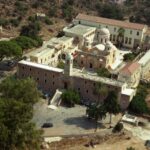
After the workshop, the day turns more reflective with a visit to the Monastery of Arkadi. The key draw here is the Arkadi Monastery’s Venetian church, described as one of the finest in Crete. The site is also tied to the tragic events of 1866, and it became a national symbol of Crete’s struggle for independence.
This stop is a good balance to the more sensory food-and-craft parts of the day. If you’ve been tasting olives and honey and shaping clay for hours, a historical church stop gives your mind a different kind of focus. It’s also a chance to step away from the production setting and look at Crete through its turning points.
You get about an hour at the monastery. That’s long enough to see the main pieces without turning the day into a full-on history seminar. If you want deeper interpretation, ask your driver to point out what to focus on visually—since the tour guidance can vary depending on the person running your day.
Price and Value: What You’re Paying For (and Why It Can Make Sense)

The price is listed at $722.47 per group, up to 7 people. That changes how you should think about value. If you fill the group, your effective cost per person drops fast. This isn’t a per-seat ticket; it’s private transport plus multiple included admissions.
Here’s what you’re getting that supports the price:
- private transportation in an air-conditioned vehicle
- bottled water
- an English-speaking driver
- admission included for the olive oil factory visit, honey museum, ceramics workshop, and Arkadi Monastery
- a day that strings together four different themes: production, tasting, making, and historic architecture
The major items not included are lunch and coffee/tea. That’s normal for private day trips, but you should plan for it. If you show up without a meal plan, you’ll end up improvising at the least convenient time.
One more value angle: this experience averages being booked about 85 days in advance. Popular dates often sell out, and planning early is a smart move if your schedule is tight.
Driver vs Tour Guide: The Real Expectation Setting
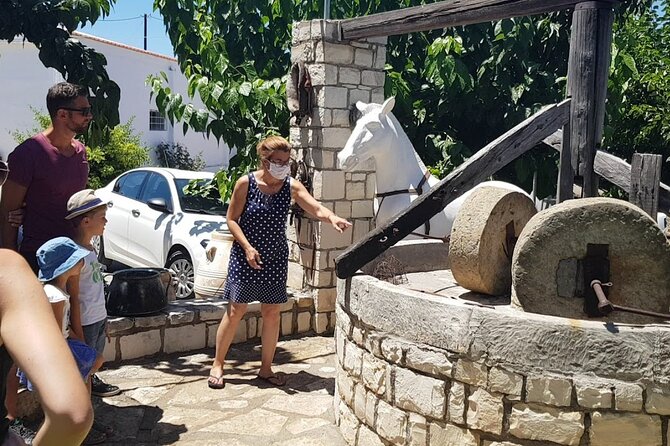
This trip is run with an English-speaking driver, but you should treat that as the transport + guiding layer, not a full professional guide at every stop. One review noted that the olive oil tour felt quick and less enthusiastic, and that the honey and guide narration felt limited unless questions were asked. Another person described their guide as relaxed, kind, and very willing to help, even adjusting for extra shopping needs.
So what should you expect? A friendly, practical person driving you between sites and keeping things running smoothly. The depth of explanation at each stop can vary. If you want the day to feel like a guided tour, come prepared with questions. For example:
- What should I notice first during the olive oil mill tour?
- What flavors should I compare in the honey tasting?
- What’s special about clay or firing in this workshop?
If you’re the type who loves long narration, this tour might feel like the driver is doing the job of a driver. If that’s your style, consider pairing the day with extra on-site time at the places that matter most to you.
What to Plan for a 5 to 7 Hour Day
With four stops, the day moves. Plan around the structure: about an hour at each major location, plus driving time between them.
Because lunch and coffee/tea aren’t included, you’ll want to plan when you’ll eat. Some people add lunch along the way (which can make the day longer). If you do that, keep your pacing in mind so you don’t feel rushed at the ceramics table.
Also, since admission is included for the stops, you don’t need to budget entry tickets. But you do need to budget for what you’ll want to buy, especially after the ceramics workshop. Pottery purchases can become heavy and bulky, so bring a bag that can handle weight.
Finally, this experience requires good weather. If weather turns bad, you’ll be offered another date or a full refund. In Crete, that can mean the difference between a smooth day and a cancellation, so don’t book this as your only plan on a storm-prone date.
Should You Book This Honey, Olive Oil, and Pottery Day?
I’d book this if you want a single Crete day that combines production (olive oil), tasting (honey), a hands-on craft (ceramics), and a historic site (Arkadi Monastery). It’s a good match for small groups, couples, and travelers who like learning by doing rather than only watching.
I’d pause if your #1 goal is lots of deep storytelling at every stop. The structure depends on your driver and the pace of each facility. If you need a long, detailed guide throughout, you might want a different format that clearly provides a dedicated tour guide for narration.
If you do book it, go in with curiosity and questions. Ask what to compare, what to look for, and what makes the local product different. With that attitude, this day tends to feel special for the right reasons: you leave with flavor memories and a ceramic piece you helped make.
FAQ
Where does the pickup happen for this tour?
Pickup is offered only from Heraklion city and Rethymno city, with flexible pickup time.
How long is the experience?
The duration is approximately 5 to 7 hours.
Is this a private tour?
Yes. It’s private, and only your group participates.
What language is provided during the tour?
The experience is offered in English, with an English-speaking driver.
What’s included in the price?
Included are private transportation, bottled water, an English-speaking driver, an air-conditioned vehicle, and admission tickets for the stops listed.
What’s not included?
Lunch and coffee and/or tea are not included.
Is there a meal option during the day?
Lunch isn’t included, so you’ll need to plan your own meal or add a lunch stop if you choose to.
Does the tour run in any weather?
It requires good weather. If it’s canceled due to poor weather, you’ll be offered a different date or a full refund.