Heraklion’s story starts where the sea still matters. This self-guided audio tour lets you explore the city center from the Koules Fortress without syncing to a group schedule, and it’s built to run offline with narration and maps on your phone. I like that it covers major landmarks you’ll actually want to see—Morosini Fountain (the Lions) and the Loggia—while also filling in the hard-to-place history in plain language.
Here’s the main thing to consider: it’s not a live guided experience, and some people find the navigation and audio pacing less smooth than they expect—so you’ll need to be comfortable using your phone as part of the walk.
In This Review
- Key things to know before you press play
- How the Koules-to-city walk really plays out on your phone
- Koules Fortress: your starting line at Heraklion’s old harbor
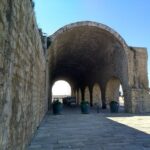
- The arsenals: where the city’s power shows up
- Kazantzakis tomb: a stop that adds a human timeline
- Morosini Fountain (the Lions) and the Loggia: Renaissance faces in the city center
- The Ottoman conquest and the 25-year siege: the storyline that ties it together
- App experience: offline narration, phone limits, and navigation expectations
- Price and value: why $11 can be a great deal if you like independent exploring
- Who this Heraklion audio tour fits best (and who should skip it)
- Practical tips to get a better day out of the tour
- Should you book the Heraklion Mobile Self-Guided Audio Sightseeing Tour?
- FAQ
- Where does the audio tour start?
- How much does the tour cost?
- How long is the tour valid once I activate it?
- Do I need to download the tour before I arrive?
- Is the narration available offline?
- What languages are supported?
- Are museum or church entrance tickets included?
- What do I need to bring?
- Is the tour wheelchair accessible?
- What phones are supported, and what are not?
Key things to know before you press play

- Starts at Koules (Heraklion old harbor): easy to reach on foot and a strong “where am I?” anchor
- Offline audio + offline maps: helps you avoid roaming headaches and keeps the tour usable
- Major sights included: Koules, the arsenals, Kazantzakis tomb, Morosini Fountain, and the Loggia
- Multiple languages: English, German, French, Spanish, and Italian
- History focus: includes the Ottoman conquest and the long 25-year siege context
- Good for flexible timing: valid for 365 days after first activation, so you can redo it later
How the Koules-to-city walk really plays out on your phone

This is the kind of tour that works best if you treat your phone like a guidebook you can carry. You download the app and the tour before you arrive, then you start at the entrance of Koules Fortress by the old harbor. From there, you move through central Heraklion at your own speed—pause for a photo, slow down at a viewpoint, or skip ahead if you want to spend more time near a specific stop.
A key detail: the tour includes offline content (text, audio narration, and maps). That matters in Heraklion because you don’t want your whole day hinging on signal strength. You’re also not paying for any museum or church entrances inside the audio tour price—so you’re building a “walk-and-learn” experience, not a ticketed sightseeing day.
One more practical point: you’ll need your own smartphone and your own headphones. The tour doesn’t provide either, and your phone needs enough storage—about 100–150 MB for the download.
You can also read our reviews of more guided tours in Heraklion


Koules Fortress: your starting line at Heraklion’s old harbor

Koules Fortress is the obvious beginning, and it’s a smart one. Starting at the old harbor gives you immediate context for why Heraklion’s history is tied to shipping, power, and sieges. As you stand at the fortress entrance, the narration sets you up to connect the dots as you walk—so later stops don’t feel like random plaques.
What I like about this start is that it helps you orient fast. Even if you’ve only just landed in Crete, Koules gives you a clear landmark. You’re not searching for a meetup point or trying to catch up with anyone—you just begin.
How to make it work smoothly
- Wear comfortable shoes right from the first minute.
- Bring headphones so you can actually focus on the story instead of playing audio out loud.
- Have your phone charged. This tour assumes you’ll be using the device steadily for audio and maps.
The arsenals: where the city’s power shows up

After Koules, the tour heads you toward the arsenals. This is one of those Heraklion areas where history feels physical—less like a museum object and more like the skeleton of the city’s past functions.
Even if you don’t know what you’re looking at at first, the audio narration is built to do that translator job: it turns location into meaning. The idea is that you can stand there and understand why this place mattered, instead of only reading a quick sign and moving on.
A small drawback to flag, based on how this kind of audio tour can feel: if you want lots of architectural close-ups, you might feel the pace is a bit general. The tour is aimed at getting you through the key beats of the city story, not giving a technical walkthrough of every building detail.
Kazantzakis tomb: a stop that adds a human timeline
Next up is Kazantzakis tomb. Including this stop is a good choice because it shifts the story from fortifications and conquests to a person you can connect with. It makes the walk feel less like a lecture and more like a cultural timeline of the city.
You won’t be stuck in a single place, either. The tour keeps you moving from landmark to landmark, so the tomb works as a brief, meaningful reset—especially if you’re walking for hours and your brain wants a breather from military-era context.
If you enjoy audio that explains why a site is important, you’ll probably like this stop. If you’re the type who wants every detail to be tightly linked to what you’re seeing in front of you, give yourself permission to pause and look around instead of rushing to the next cue.
Morosini Fountain (the Lions) and the Loggia: Renaissance faces in the city center

The Morosini Fountain, nicknamed the Lions, is one of the stops that gives your walk a visual payoff. A good audio tour doesn’t just list what you’re seeing—it gives you a reason to look again. Here, the narration helps you connect the fountain to how Heraklion changed under different rulers and influences.
Then comes the Loggia, a Renaissance building. This is the kind of site where it’s worth slowing down. The Loggia can feel like an architectural intermission: you’re no longer just hearing about who fought for the city; you’re also seeing how power expressed itself through civic design.
If you like your sightseeing with a bit of “why this looks the way it does,” these two stops are likely the most satisfying in the lineup. They’re visually recognizable, and the audio approach tends to make them easier to place in the larger city story.
You can also read our reviews of more tours and experiences in Heraklion





The Ottoman conquest and the 25-year siege: the storyline that ties it together
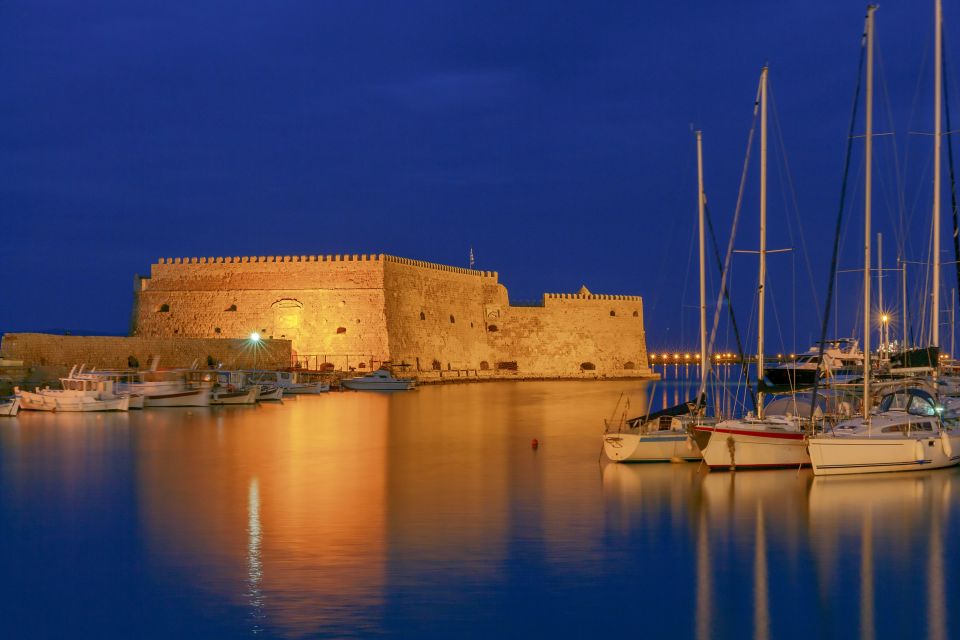
One of the most valuable parts of this tour is the way it handles Heraklion’s late-medieval and early-modern trauma: the Ottoman conquest after a 25-year siege.
That kind of detail can be easy to get lost in when you’re reading it on a sign or trying to stitch together information from different places. Here, it’s integrated as part of the walk—so it lands when you’re physically near landmarks that make the conflict feel less abstract.
This is also why self-guided can be a win. If the siege story grabs you, you can take extra time on the next stop while the context is still fresh. If it doesn’t, you can keep moving without feeling trapped by a schedule.
Just know this: the tour has a history-forward structure. If you’re hoping for lots of architectural how-it-was-built explanation rather than who controlled what, you may find parts move quickly.
App experience: offline narration, phone limits, and navigation expectations

The tour includes offline audio narration, text, and maps, which is the difference between a fun walk and a frustrating one. You don’t have to trust roaming data just to keep listening. You’ll also get multiple language options: English, German, French, Spanish, and Italian.
Still, this is where expectations matter. Because it’s self-guided, you’re responsible for:
- starting the tour correctly at Koules,
- keeping your phone charged,
- and using the maps when you need to move between sites.
Some people have had a rougher time because they expected a more interactive, frictionless in-app navigation experience. If you’re someone who hates repeated checking of your phone while walking, plan to compromise a bit. The tour is meant to be “on your phone,” not “phone stays in your pocket.”
Compatibility checklist
- Works with Android 5.0 and later and compatible iOS devices (not Windows phones)
- Not compatible with iPhone 5/5C or older, iPod Touch 5th gen or older, iPad 4th gen or older, and iPad Mini 1st gen
- Requires about 100–150 MB storage
- Wheelchair accessible overall, but some points might not be fully accessible
Price and value: why $11 can be a great deal if you like independent exploring
At $11 per person, this tour is priced like an audio add-on, but it gives you something more useful than many “cheap” add-ons: it’s valid for 365 days from your first activation. That means you’re not just paying for one short day of audio—you’re buying a resource you can revisit later if you want to remember what you saw.
And because it’s self-guided with offline content, it’s good value for travelers who don’t want to pay extra for a live guide or deal with timed ticket tours.
The tradeoff is also clear: entrance fees are not included. Museums, archaeological sites, and churches cost extra if you choose to go inside. You’re paying for the walking narration and city orientation—not for entry to the buildings.
So the real question isn’t just whether $11 is cheap. It’s whether you’ll use it actively. If you’re the type who listens to audio while walking, pauses to read, and likes learning in context, it can be a very good buy.
Who this Heraklion audio tour fits best (and who should skip it)
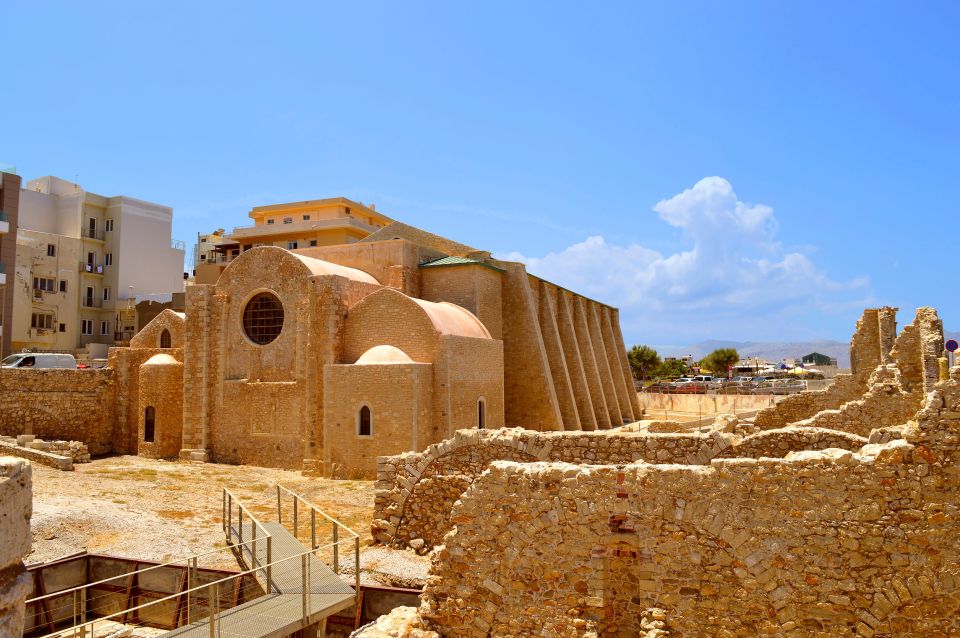
I’d point this tour at you if you:
- want a low-cost, self-paced way to get meaning out of central Heraklion,
- like history explained in a guided-walk format,
- and you’re okay using your phone for maps and navigation.
It’s also a strong choice if you’re traveling when you don’t want to commit to a fixed tour schedule. Starting at Koules works well because it’s a logical place to orient yourself.
You might want to skip or be cautious if you:
- hate relying on phone maps while walking,
- expect deep architecture commentary at a slow pace,
- or need the audio to feel perfectly linked from stop to stop without any speed changes.
The overall rating is 3.4 out of 5, and the lower scores often come from concerns like audio quality and pacing, or frustration with interactivity and navigation. That doesn’t make the tour useless—it just means you should treat it as a phone-based city walk, not as a polished, guided production.
Practical tips to get a better day out of the tour
Before you leave your hotel, do the boring stuff right:
- Download the app and the tour ahead of time.
- Bring headphones (this is huge).
- Make sure your phone has storage space for 100–150 MB.
- Start with a fully charged battery, since you’ll be using audio and maps.
On the ground, plan your day like a walker:
- Give yourself extra time around Morosini Fountain and Loggia, because you’ll probably want to look longer than you think.
- Keep the siege story in mind when you pass through the older, power-linked parts of town. It helps the city’s layout feel like it has a reason.
- If you get annoyed by audio pacing, pause the moment you feel it. You control your walk.
And one small note: the meeting point is at Koules, and the easiest route is on foot. If you’re not staying nearby, make sure you account for that walk.
Should you book the Heraklion Mobile Self-Guided Audio Sightseeing Tour?
If you want a budget-friendly way to understand Heraklion while you walk, I think it’s worth considering—especially for the way it ties Koules, the Lions fountain, the Loggia, and the Ottoman 25-year siege story into one easy route.
Book it if you’re comfortable with a phone-led experience and you like history delivered through narration and offline maps. Skip it if you need a live guide, hate navigation-by-phone, or are looking for slow, detailed architecture lessons. At $11 with 365-day access, you’re mostly taking a bet on your own listening style—and that’s a pretty reasonable bet for Heraklion.
FAQ
Where does the audio tour start?
It starts at the entrance of Koules Fortress at the old harbor of Heraklion.
How much does the tour cost?
The price is $11 per person.
How long is the tour valid once I activate it?
It’s valid for 365 days from the time of your first activation.
Do I need to download the tour before I arrive?
Yes. You should download the app and the audio tour before your visit, using the activation link you receive after booking.
Is the narration available offline?
Yes. The tour includes offline content such as text, audio narration, and maps to help avoid roaming charges.
What languages are supported?
The tour is available in English, German, French, Spanish, and Italian.
Are museum or church entrance tickets included?
No. Entrance tickets to museums, archaeological sites, or churches are not included.
What do I need to bring?
Bring a charged smartphone, comfortable shoes, and headphones. Also consider a hat and sunscreen.
Is the tour wheelchair accessible?
The city tour is described as wheelchair accessible, but some points of interest might not be fully accessible.
What phones are supported, and what are not?
It works with Android (version 5.0 and later) and compatible iOS devices. It is not compatible with Windows phones, and it is not compatible with older iPhone/iPad/iPod models listed in the requirements.