Chania Old City turns history into a street-level show. In a 4-hour walking tour, you follow Chania’s layers from Minoan-era roots all the way to Venetian, Ottoman, and early modern buildings, plus the daily-life stories that connect them.
I especially like two things: the focus on Venetian and Ottoman monuments (with clear context for what you’re seeing), and the chance to try Greek coffee the way locals do. This isn’t just a photo walk; it’s built to help you understand how Crete formed its identity through religion, custom, and community.
One consideration: in summer, you’ll be out in the heat for several hours. Bring a hat and sunscreen, and plan to take it slow if you need a breather.
Key Chania Old City takeaways
- A 5,000-year timeline you can actually track, from ancient walls to Ottoman landmarks and neoclassical streets
- Venetian + Ottoman sights explained with everyday-life context, not just dates
- Hidden corners of older neighborhoods, including Christian, Muslim, and Jewish areas
- Greek coffee / soft drink included, with a local-feeling pause built into the route
- Private group format (up to 8) that keeps the pace and questions under control
In This Review
- Chania Old City’s Story Is Written in Stones and Street Corners
- Starting at the Agora (Municipal Market) and Getting Your Bearings Fast
- Venetian and Ottoman Monuments: What You’re Really Looking For
- Christian, Muslim, and Jewish Quarters: Learning the Neighborhood, Not Just the Building
- Learning Cretan Identity Through Customs and Everyday Life
- A Coffee Stop That Feels Like Part of the City
- Timing, Heat, and the 4-Hour Pace in Real July Weather
- Private Group Benefits: Up to 8 People Means Better Questions
- Price and Value: When $495 Makes Sense (and When It Doesn’t)
- What’s Included vs. What You’ll Plan Yourself
- Who This Tour Fits Best (and Who Might Want a Different Plan)
- Should You Book This Chania Old City Walking Tour?
- FAQ
- How long is the Chania Old City walking tour?
- What does the tour cost?
- What languages is the live guide available in?
- What is included in the price?
- Is food included?
- Where should I meet the guide?
- Is pick up and drop-off available?
- What is the cancellation policy?
- Is it suitable for people with mobility impairments?
Chania Old City’s Story Is Written in Stones and Street Corners
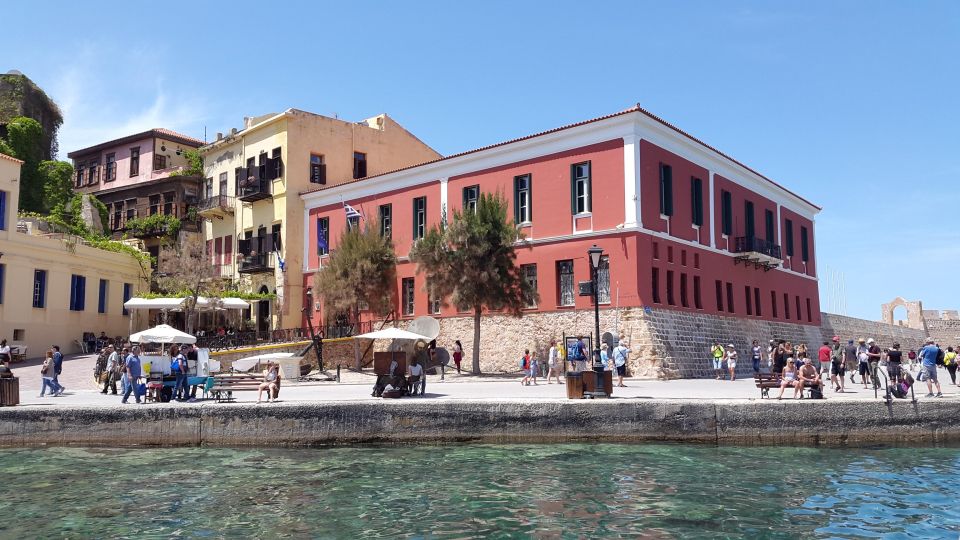
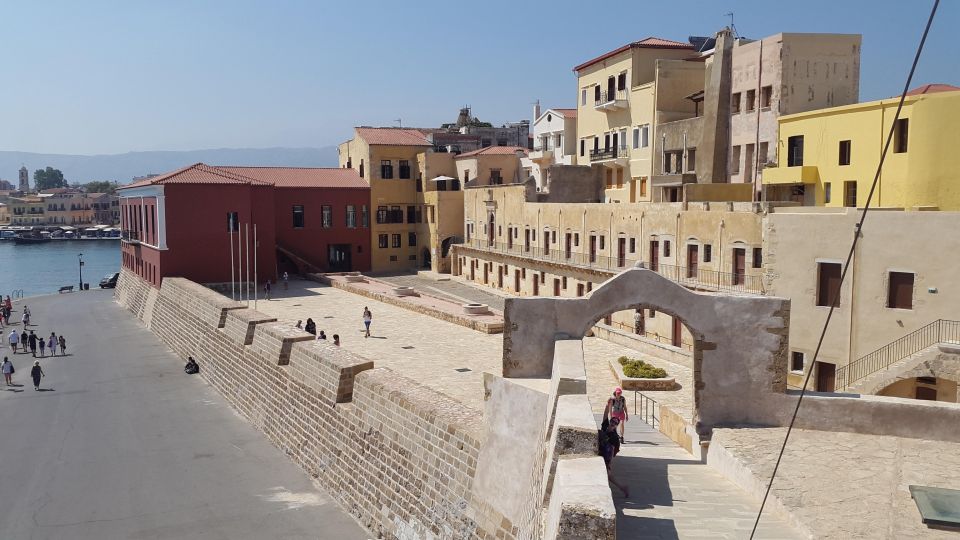
Chania is one of those places where the past isn’t behind glass. It’s on doorways, arches, church facades, and the street plan itself. You can feel that right away when you start walking, because the Old City isn’t one “style” of architecture—it’s a pileup of eras that kept changing as people lived, traded, fought, worshiped, and adapted.
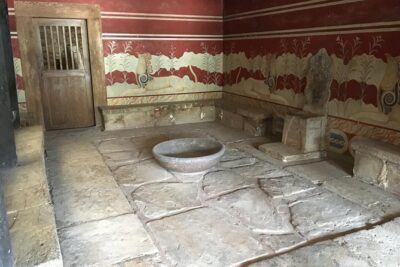
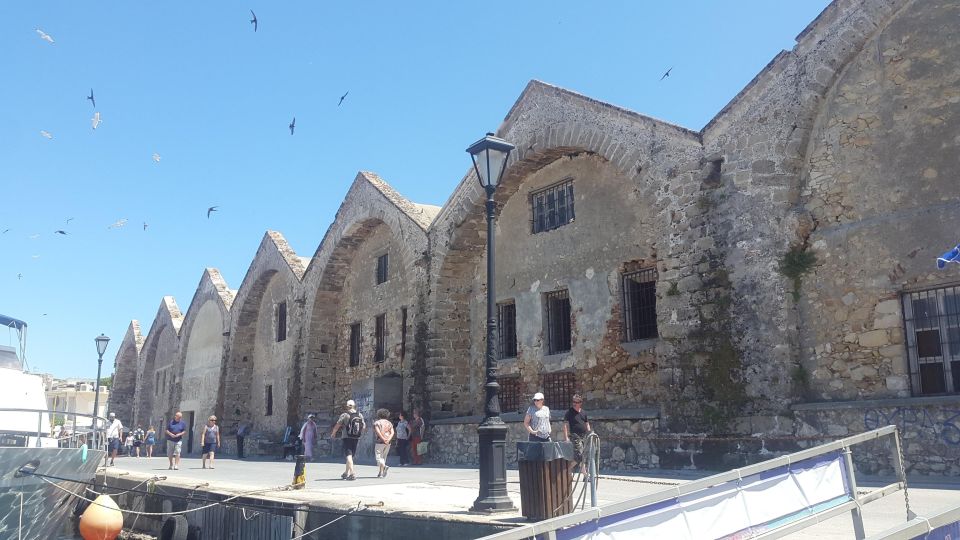
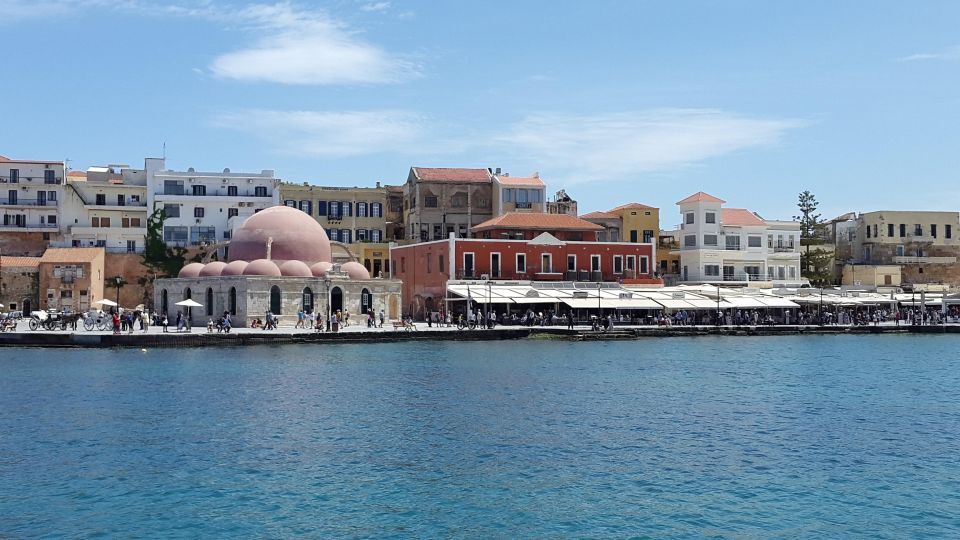
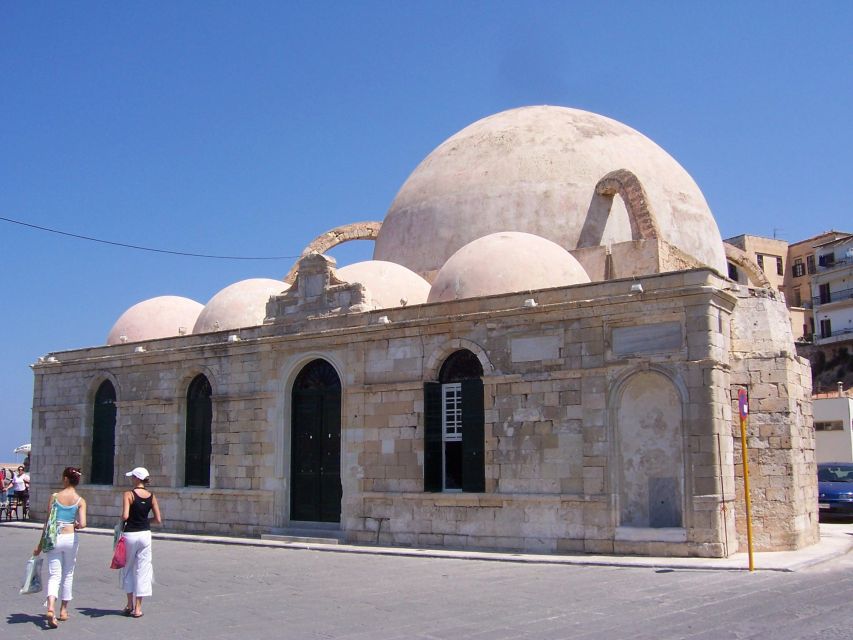
This tour is designed for that exact reality. It walks you through an area spanning Minoan houses and palaces, Byzantine and Arab walls, Venetian mansions and churches, and Ottoman mosques and hamams, then it reaches the early modern neoclassical buildings that came later. The value here is how the guide ties those visual clues to the lived experience of Crete—how communities worked together, how religion shaped daily rhythms, and how major historic events show up in ordinary neighborhoods.
If you like history but hate lectures, this format tends to fit. You’re moving, looking, asking questions, and learning the meaning of what you see—especially in the parts of the city many people skip when they only chase the postcard highlights.
Starting at the Agora (Municipal Market) and Getting Your Bearings Fast
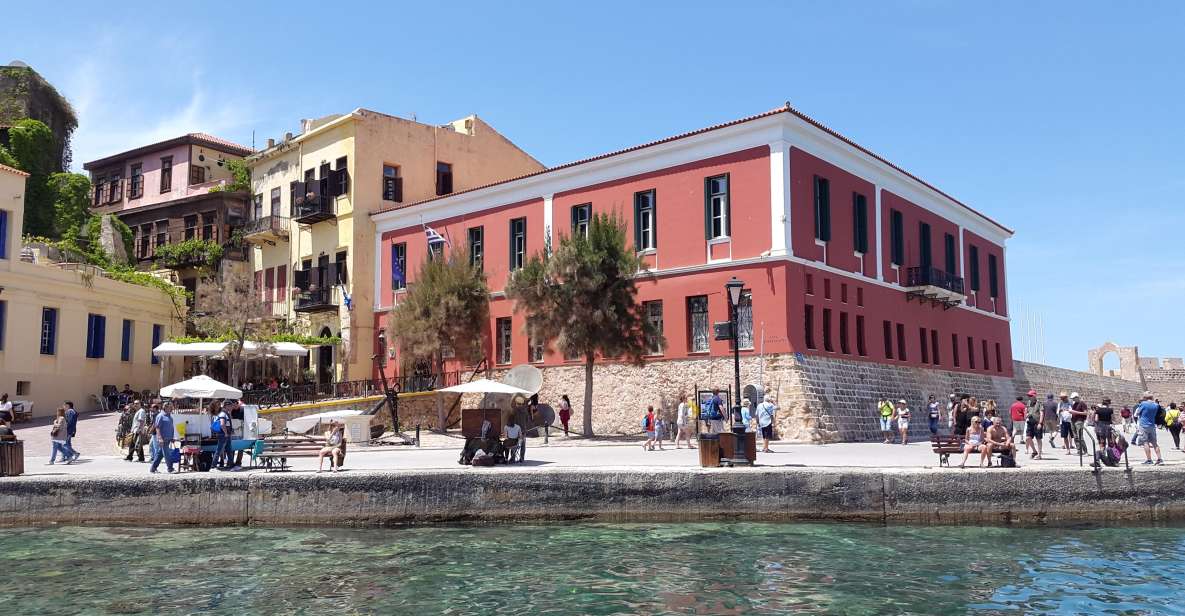
The meeting point is right in front of the Agora (Municipal Market) in the center of Chania—currently under renovation. That matters more than it sounds. Starting in a central, recognizable hub helps you find the group without stress, and it gets you oriented quickly before you wander into the older lanes.
From there, expect the tour to focus on the structure of the Old City: the way streets twist, where old neighborhoods cluster, and how different religious and cultural communities left their marks nearby. You’re not just aiming at monuments; you’re learning how to read the city like a map.
Here’s a practical note: because the Municipal Market area is under renovation, you might see barriers or temporary changes in foot traffic. Nothing unusual for Old City walking, but it’s worth giving yourself an extra minute to avoid arriving during a redirected walkway.
You can also read our reviews of more walking tours in Chania


Venetian and Ottoman Monuments: What You’re Really Looking For
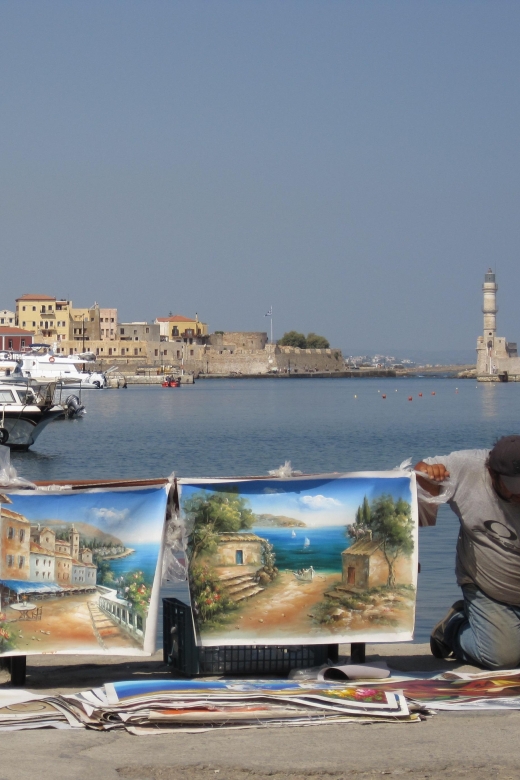
One of the best parts of this walking tour is the way it balances visuals with meaning. You’ll explore Venetian and Ottoman monuments of the Old City, and the guide connects the architecture to the people who shaped it.
Venetian-era architecture in Chania can feel ornate and “official,” and Ottoman-era sites often bring a different sense of order and function—think of how religious buildings and public baths fit into everyday life. The tour doesn’t treat these as isolated travel attractions. Instead, it aims to show how control, trade, and culture influenced the way the city was built and maintained.
The big payoff for you is context. When you understand why a building style looks the way it does, the streets stop being random. They start acting like a timeline you can walk through. And that makes your photos more satisfying, too, because you’ll know what you’re capturing beyond the surface.
Christian, Muslim, and Jewish Quarters: Learning the Neighborhood, Not Just the Building
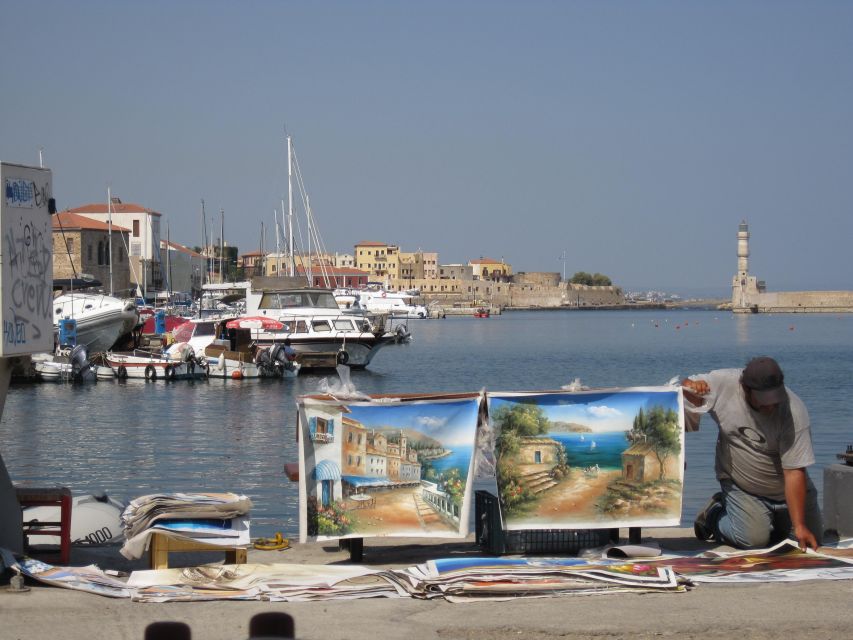
Chania’s Old City isn’t only about one culture at a time. During the walk, you’ll explore “hidden corners” across Christian, Muslim, and Jewish parts of the city. That matters because it teaches you how different communities lived alongside each other in the same urban space.
The tour also emphasizes what you might miss on your own: religion isn’t just architecture here—it’s identity, custom, and routine. Expect explanations of historic events tied to the places you pass, plus day-to-day details that help you imagine how people actually experienced the city.
This is where the tour earns extra points for practicality. If you’re only sightseeing, you might notice a church or mosque and move on. With a guided history-and-culture approach, you start understanding the relationships between those sites and what they meant to local life.
Learning Cretan Identity Through Customs and Everyday Life
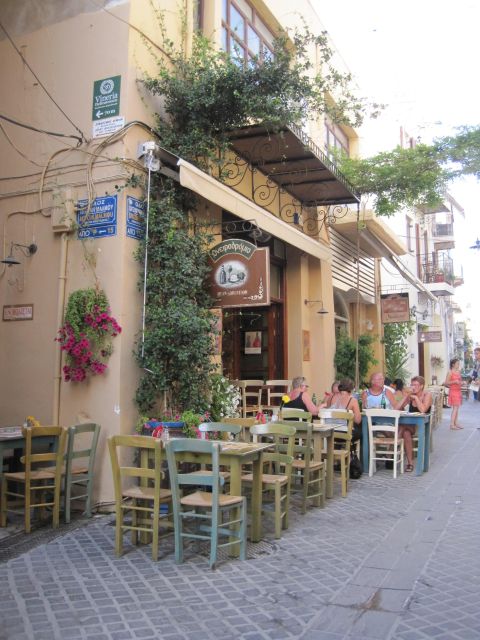
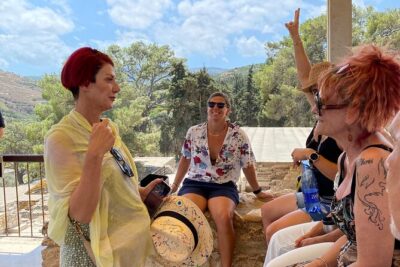
What makes this tour feel more “you-actually-got-it” than a standard overview is the focus on everyday life—traditions, social life, and how people understood religion and identity. Crete’s story is complicated, but the tour keeps it human.
You’ll learn more about the island’s rich heritage and, importantly, what the people’s identity looks like on the ground. That might mean hearing how customs influenced behavior, or how historic shifts changed community life. It’s the kind of context that makes a museum visit feel less like isolated facts.
Also, pay attention to the guide’s approach to religion. One name that comes up with strong performance is George, praised for being scholarly and informative, especially when explaining history and religion. The practical takeaway for you: you’re likely to get clearer answers, and not just a smooth “tour voice.”
A Coffee Stop That Feels Like Part of the City
You don’t just walk and talk until you collapse. Coffee / soft drink is included, which gives you a built-in pause and a more local rhythm. And because Greek coffee is part of the experience, you’ll have a chance to taste something that fits the setting.
The included drink might be your easiest way to slow down and observe. In Old City neighborhoods, the atmosphere changes block to block. A short stop helps you reset so you can keep noticing details you would otherwise rush past—doorways, courtyards, signage, and the way people move through the lanes.
If you’re hungry, plan to handle meals separately. The tour does not include food, so you’ll want to eat before or after the tour depending on your schedule and appetite. (This setup is often better value anyway, because it lets you choose where to eat—rather than being pushed into a set menu.)
You can also read our reviews of more city tours in Chania

Timing, Heat, and the 4-Hour Pace in Real July Weather
The tour runs for 4 hours, and that duration matters because the Old City rewards slow walking. In cooler months, you can often keep a steady pace. In summer, the heat changes everything.
One of the clearest practical lessons from the experience is that the guide may flex the route length to keep you comfortable. In July, for example, the tour has been extended beyond the advertised time to allow a break from the heat while still covering the city’s important areas. That’s a good sign for you: it suggests the guide isn’t rushing people through just to hit a clock.
Your best move: wear lightweight layers, bring water, and treat the midday hours with respect. If you’re the type who hates lingering, you may still find yourself slowing down naturally once you start hearing how the city evolved. History is easier to absorb when you’re not overheated.
Private Group Benefits: Up to 8 People Means Better Questions
At $495 per group up to 8, this is priced for a private format. That usually means you get more interaction than the big group bus experience.
The practical advantages for you:
- You can ask follow-up questions without feeling cut off.
- The guide can shape pacing to your group’s comfort level.
- You’re not constantly “waiting for stragglers” in a large crowd.
This is especially useful if you’re traveling with family, friends, or anyone who likes history but wants it explained clearly. It’s also a solid fit if you’re not interested in shopping stops and you’d rather understand places first, then decide what to buy.
Price and Value: When $495 Makes Sense (and When It Doesn’t)
Let’s talk money plainly. $495 per group up to 8 means the price isn’t really about a single traveler—it’s about dividing cost within your group. If you’re booking as a couple or a small group, the per-person cost may feel high compared with standard group tours. But you’re paying for a private guide experience and more time with explanations instead of standing shoulder-to-shoulder.
This tour tends to be good value if:
- You want a deeper understanding of Crete’s history and identity, not a fast overview.
- You prefer a manageable group size so your questions get answered.
- You’ll use the context during the rest of your time in Chania (churches, mosques, neighborhood wandering).
If you’re traveling solo and willing to hop into a larger group, you might find cheaper options elsewhere. But if you’re the kind of traveler who wants meaning with your monuments—and not just a checklist—this format is easier to justify.
What’s Included vs. What You’ll Plan Yourself
Included is straightforward:
- Local guide
- Coffee / soft drink
- Pick up and drop-off on request
Not included:
- Food
- Souvenirs & gifts
This balance is sensible. Food inclusion often leads to set stops that may not match your taste or budget. Here, you’re free to choose where you want to eat before or after. And because you’ll have a coffee pause built in, you can keep energy steady without needing a full meal during the walk.
If pickup/drop-off matters to you, remember it’s on request. That’s helpful if you’re staying a bit outside the tight Old City lanes or you’d rather avoid coordinating every turn on foot.
Who This Tour Fits Best (and Who Might Want a Different Plan)
This walking tour is a strong choice for people who want to understand Chania as a living timeline—someone who enjoys learning how architecture, religion, and everyday customs connect.
It’s also a good fit if you:
- Like guided explanations that connect places to historic events
- Want to cover a lot in one afternoon without feeling rushed
- Enjoy smaller group dynamics (private group up to 8)
One caution based on the provided information: the tour is described as wheelchair accessible, but it is also marked not suitable for people with mobility impairments. That conflict is important. If mobility is a concern for you, you should verify details directly with the provider before booking so you’re not surprised by the real-world terrain of old stone streets.
Should You Book This Chania Old City Walking Tour?
I’d book it if you want your Chania experience to feel organized and meaningful. The highlights—Venetian and Ottoman monuments, the emphasis on Christian, Muslim, and Jewish areas, and the focus on customs and everyday life—are exactly what make a guide-led Old City walk worth paying for.
Skip it only if you’re not interested in history and cultural context, or if you’d rather spend your afternoon completely on your own choosing stops at random. Also consider the heat factor. If you’re traveling in summer, come prepared and accept that comfort breaks are part of the deal.
For many people, this tour hits the sweet spot: a private group size, a clear historical framework you can carry into the rest of your day, and a coffee pause that keeps things real.
FAQ
How long is the Chania Old City walking tour?
The tour lasts 4 hours.
What does the tour cost?
The price is $495 per group, up to 8 people.
What languages is the live guide available in?
The guide offers live interpretation in Greek, English, and Turkish.
What is included in the price?
The tour includes a local guide, coffee or a soft drink, and pick up and drop-off upon request.
Is food included?
No. Food is not included.
Where should I meet the guide?
Meet right in front of the Agora (Municipal Market), in the center of the city, which is currently under renovation.
Is pick up and drop-off available?
Yes, pick up and drop-off are available upon request.
What is the cancellation policy?
Free cancellation is available up to 24 hours in advance for a full refund.
Is it suitable for people with mobility impairments?
It’s listed as wheelchair accessible, but it is also marked as not suitable for people with mobility impairments. If this affects you, it’s best to confirm specifics with the provider before booking.