Crete’s WW2 story hits hard. This private Battle of Crete tour is a focused, 6-hour drive that stitches together graves, memorials, and the exact terrain where the fight shifted around Chania. I really liked the one-on-one private guide who can shape the day, and I also loved the unit-specific customization so the story matches what you care about.
One heads-up: you’ll be walking at multiple memorial stops and there’s some uneven outdoor ground, plus a military-area viewing limitation near Maleme airfield. Also, snacks and lunch cost extra, so plan for food breaks.
In This Review
- Key highlights to look forward to
- Why a private Battle of Crete day works better than a checklist
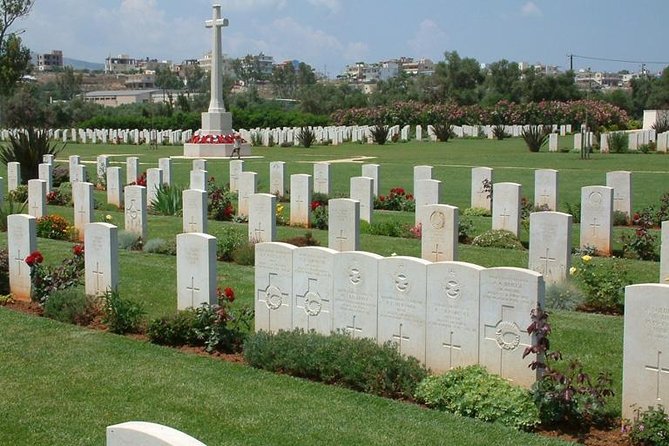
- Souda Bay War Cemetery and the 42nd Street Memorial
- Hill 107, Maleme airfield area, and the German Military Cemetery
- Tavronitis Bridge and the RAF Memorial
- Galatas memorials: the Greek-New Zealand site and the Welch memorial
- Alikianos and the Agia Prison valley
- The customization that makes the day feel personal (not generic)
- Transport, timing, and what the day feels like
- Price for up to 6: is $555.98 a good deal?
- What to bring so the day goes smoothly
- Should you book this Battle of Crete private tour?
Key highlights to look forward to
- Private guide with unit-level customization so your questions get answered in context
- Souda Bay War Cemetery + 42nd Street Memorial, with stories tied to the ground
- German Cemetery on Hill 107 plus great views of how the area shaped the battle
- RAF Memorial stop around Tavronitis Bridge, tied to airmen lost during the campaign
- Greek-New Zealand memorial in Galatas and the Welch memorial nearby
- Agia Prison valley and Agia Prison, hospital-turned-prison and a site of executions
Why a private Battle of Crete day works better than a checklist
Battle of Crete can feel like a blur if you’re just bouncing between monuments. This format fixes that. You get one guide, one route, and enough time to connect the dots between where people fought, where they were buried, and what happened to civilians during the occupation.
The big practical win is control. You’re not stuck with a fixed script. If your interest leans Commonwealth, German operations, or a particular national connection, you can steer the day that way. It’s the difference between hearing facts and understanding why those facts matter on this specific stretch of western Crete.
There’s also a “take it home” angle. The tour encourages you to bring a USB stick, so you can collect reports, books, diaries, maps, and photos to keep studying after your trip. If you like history but hate losing details by day’s end, this part is a lifesaver.
And yes, it’s solemn. That’s the point. You’re visiting war cemeteries and memorials. So go with a respectful mindset and good shoes, and the day will feel clear and meaningful rather than rushed.
You can also read our reviews of more private tours in Chania
Souda Bay War Cemetery and the 42nd Street Memorial
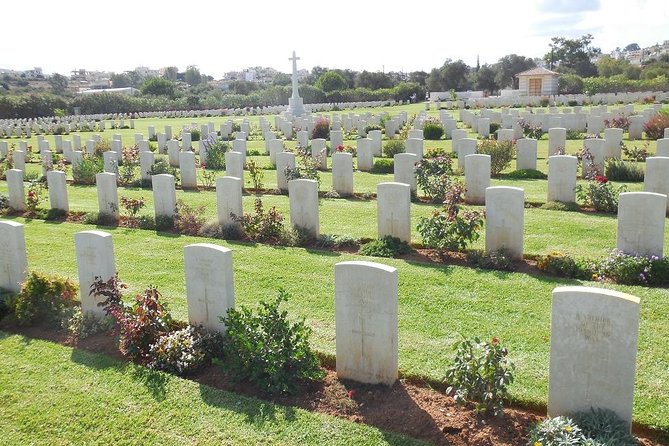
You start at Souda Bay War Cemetery, where the Commonwealth dead from the Battle of Crete are laid out. This isn’t a quick photo stop. You’ll walk around the graves and hear stories that connect names to the fighting around this area.
The nearby 42nd Street Memorial adds one of the day’s most intense moments. You’ll visit it to understand the bayonet charge that took place there. The effect is stronger when you can see how close everything is and how the ground guided movement—roads, sightlines, and the realities of advancing under fire.
What I like about starting here: it sets the tone early, and it anchors the whole day. Once you understand who was lost and why, the later stops—German positions, bridge targets, and occupied-zone suffering—make more sense.
A practical consideration: cemeteries are quiet, but you’ll still be doing an active hour outdoors. Wear shoes with grip, especially if the morning is humid or the ground is uneven.
Hill 107, Maleme airfield area, and the German Military Cemetery
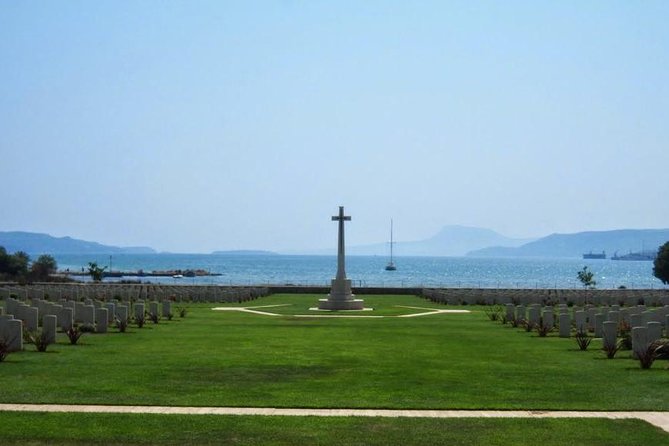
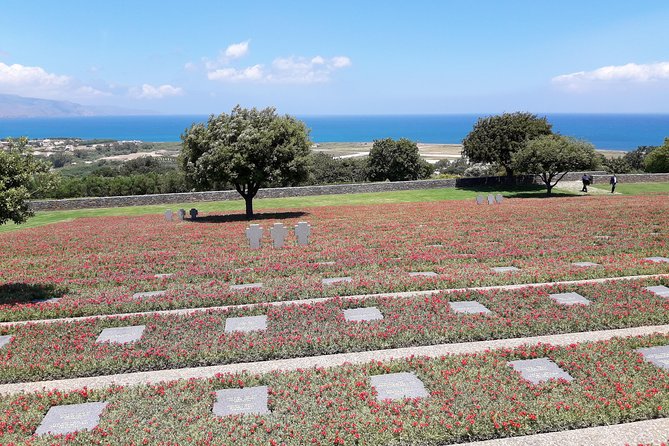
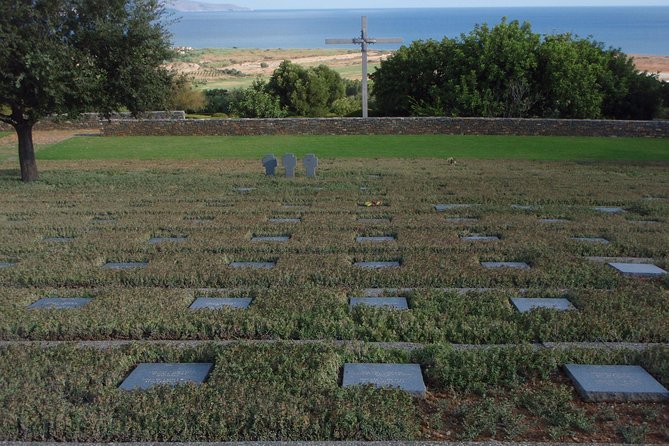
Next comes the German Military Cemetery on strategic hill 107, overlooking the Maleme airfield area. This stop is key for understanding how the battle developed. From the hilltop, you can get a sense of why this ground was so contested and how the fighting directionally changed as positions were taken and lost.
You’ll also make a quick stop next to Maleme airfield. Here’s the limitation: it’s still an active military zone, and access is forbidden. So you won’t be roaming around the runway or getting close to restricted areas. Instead, you’ll view from the allowed spots and use the guide’s explanation to recreate what was happening on the ground.
Then you’ll walk to the allied headquarters on top of hill 107. That walking segment matters because it ties physical effort to the story. It also rewards you with good views over the area, which help you understand why terrain played such a role.
If you’re the type who likes maps, this stop is for you. You’ll likely leave with a clearer mental model than you had when you arrived.
Tavronitis Bridge and the RAF Memorial
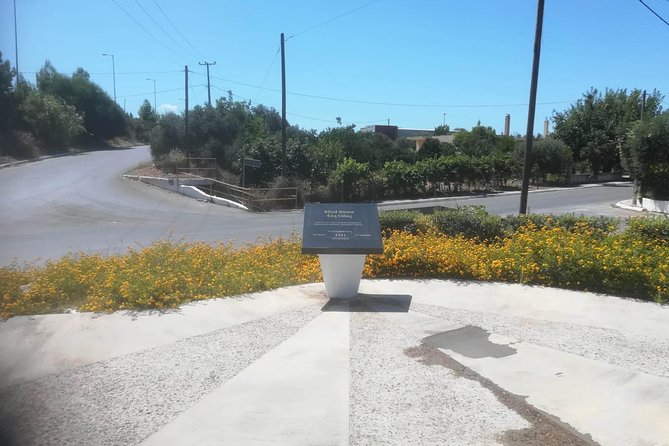
Tavronitis Bridge is next, and it’s one of those places where a “simple” crossing becomes a major weapon. The bridge played a vital role during the Battle of Crete, and it was one of the Germans primary targets during the assault.
You’ll spend about 45 minutes here, which is long enough to understand the strategic logic without turning it into a marathon. The guide will connect the bridge’s importance to how forces moved and how attacks were prioritized.
Nearby you’ll also visit the RAF Memorial dedicated to RAF pilots who fell during the battle. This adds an air-war layer that many self-guided stops miss. Even if you’re focused on ground battles, you can’t separate the campaign from the airmen who were lost supporting (and trying to sustain) operations.
A small practical tip: keep your camera ready, but don’t let it run the show. The memorial setting benefits from time spent listening and looking at the details the guide points out.
Galatas memorials: the Greek-New Zealand site and the Welch memorial
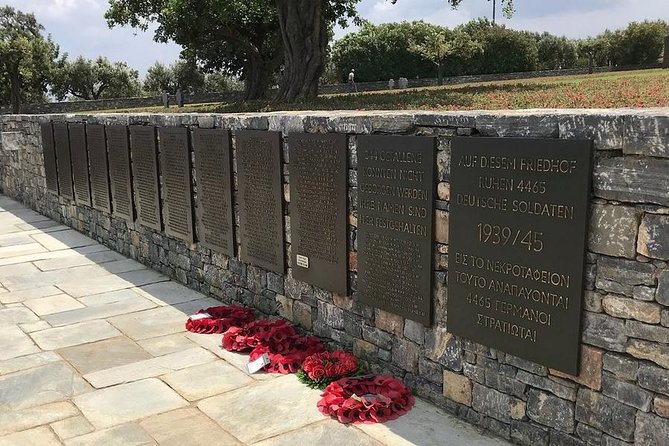
Galatas is where the story gets personal fast. You’ll visit the Greek-New Zealand memorial in the village main square, and the guide will talk about the battle there with attention to local impact and the New Zealand connection.
This is also where you’ll see the Welch memorial nearby. When you’re walking between memorials in the same area, you start to grasp how one stretch of ground could represent very different national losses while still linking back to the same campaign.
One reason this stop feels powerful: village centers are where history meets everyday life. You’re not just looking at remote fields—you’re in a living place. That contrast helps you understand how the occupation period changed communities, not only armies.
If your family has a tie to the Commonwealth side of the campaign, this is an especially meaningful stop. Even if you don’t, it’s a strong chapter because it connects battle events to specific memorials you can actually stand in front of.
Alikianos and the Agia Prison valley
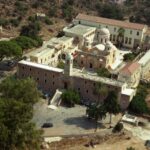
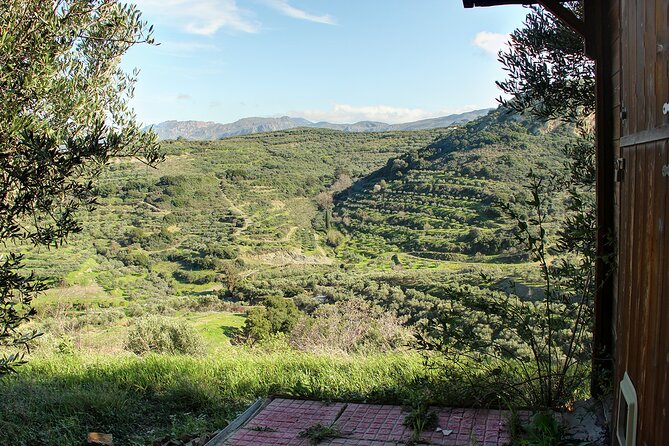
The final main memorial area is the Alikianos stop, with time at Agia Prison valley. Here you’ll visit Agia Prison, which is described as having been used as a hospital during the battle and then as a prison during the occupation, when hundreds of Greeks were executed.
This part of the tour is shorter—about 20 minutes—but it carries a heavy weight. It also widens the frame beyond battles. You get the occupation story in a way that feels grounded in a real place, not just a paragraph in a book.
What I think makes this stop important for your overall understanding: the Battle of Crete didn’t end when fighting slowed. The violence and suffering continued, and civilians paid a brutal price. Knowing that before you finish the day makes the whole campaign less abstract.
A practical consideration here: it’s an indoor/outdoor mix depending on how the guide structures the visit, and you’ll want to stay aware of where you can walk safely.
The customization that makes the day feel personal (not generic)
The tour’s strongest feature is the private format, because it turns history into a conversation. You can tailor the route to your interests, including focusing on individual units. That means if you’re curious about a particular nationality, regiment, or role in the campaign, you’re not forced to hear only the broad overview.
In practice, this also makes your time smarter. Instead of asking on the fly, the guide can align what they explain to the memorials and positions you’re seeing that day. The result is a smoother flow: you don’t just collect stops—you connect them.
This is also where the guide’s perspective shines. The experience is framed with both local Crete context and international connections in mind, which helps you understand why different groups experienced the war differently on the same island.
And yes, you may get extra time for artifacts. One person described seeing a sizable private collection of WW2 items as a once-in-a-lifetime part of the day. If you love tangible history—maps, documents, objects—ask your guide how that fits into your schedule on the day you book.
Transport, timing, and what the day feels like
You’ll ride in an air-conditioned vehicle with private transportation. Pickup and drop-off are offered from your chosen address in greater Chania, including Souda port or your accommodation, as long as it’s within about 10 km (6 miles) around Chania old town, or near the national road up to Maleme airport. The experience also notes a convenient contact process for your exact pickup point.
The tour runs for about 6 hours. It’s scheduled in the morning window, with pickup hours listed from 7:00 AM to 11:00 AM. So you’ll want to be ready early and keep your schedule flexible—this kind of route works best with a calm start, not a rushed morning.
For accessibility, it’s noted that most travelers can participate. Still, you’re walking at multiple stops, including cemetery areas and a hilltop walk. If you have mobility concerns, tell the provider when you book so they can advise how the day can be managed.
Price for up to 6: is $555.98 a good deal?
The price is $555.98 per group, up to 6 people, for about 6 hours. If you fill the group, that’s roughly $93 per person—before you even factor in the value of private transfers, one-on-one guiding, and the fact that admissions at the memorial stops are listed as free.
That’s the trade-off with private tours: it costs more than a group bus. But when you’re splitting between friends or family, it becomes a strong value, especially because you’re not just “visiting sites.” You’re getting interpretation, route control, and take-home study materials via the USB suggestion.
Also consider the emotional value. When you visit war graves and occupation sites, it helps to understand what you’re seeing while you’re standing there. A group tour can reduce that, even when the guide is great.
Two things that cost extra: snacks (10 euro mentioned) and lunch (25 euro per person, optional). If you want a long day without hunger, bring a little budget for that, or ask the guide for timing suggestions.
What to bring so the day goes smoothly
This tour rewards good prep.
Bring:
- A USB stick for reports, books, diaries, maps, and photos
- Solid walking shoes for cemetery ground and hilltop walking
- Water and a small snack plan, since snacks cost extra and lunch is optional
- Weather flexibility: the experience requires good weather, and if it’s canceled due to poor conditions, you’ll be offered a different date or a full refund
You’ll also want your phone handy for the mobile ticket, since that’s how you get access on the day.
And because this is a private tour, the pacing can match your group. If you need slower breaks or extra time to read memorial details, that’s exactly what private guiding is for.
Should you book this Battle of Crete private tour?
Book it if you want the Battle of Crete story in a way that feels tied to place: graves at Souda Bay, German positions on hill 107, the bridge and RAF memorial connection, the Greek-New Zealand site at Galatas, and the occupation-era truth at Agia Prison valley. The private format makes it easier to ask questions and focus on what you care about.
Skip it (or consider another option) if you want a light, casual outing. This is serious ground, and you’ll walk outdoors at multiple memorials. If you’re okay with that, this tour is one of the most practical ways to understand the campaign without rushing.
If you’re traveling with family members who love WWII, or if you have a personal connection to New Zealand or Greece in this story, the customization and memorial pacing are exactly what make it worth your time.