Zeus cave meets working countryside on one long day. You get mythology at Zeus Cave, plus real Crete stops like the olive mill and shepherd’s farm, then end up with views from high up on the Lasithi Plateau trails.
I like how the day mixes sightseeing with hands-on local skills—olive oil production, traditional cheese-making, and even the Roman water story at Kastamonitsa. The one big thing to consider: your ride is advertised as a Land Rover Defender or Nissan Pathfinder, but one recent review flagged a mismatch in vehicle expectations, so it’s worth checking what you’ll actually get when you confirm.
In This Review
- Key moments at a glance
- A Land Rover-style safari day through central Crete
- Apeselami Dam and Sfentili: the view with a story
- Olive mill stop: learn olive oil the Cretan way
- Shepherd’s farm for traditional Cretan cheese
- Zeus Cave: mythology stop, ticket cost, and closure dates
- The traditional Cretan meal with local wine and water
- Dirt-road climb and the 1150-meter photo moments
- Kastamonitsa village and Roman aqueduct remains
- Price and value: what $93 really buys
- Who should book (and who should skip)
- Should you book Malia: Land Rover Safari Lasithi Plateau and Zeus Cave?
- FAQ
- How long is the tour?
- Where does the tour take place?
- How much does it cost?
- Is hotel pickup and drop-off included?
- What’s included in the meal?
- Are Zeus Cave ticket prices included?
- How much are Zeus Cave tickets?
- Which languages are offered for the live guide?
- Is Zeus Cave always open?
- Is the tour accessible for people with mobility issues?
- Are there restrictions on what you can bring?
Key moments at a glance
- Zeus Cave (myth stop) with a ticket you’ll pay on-site
- Apeselami Dam view plus the sunken village of Sfentili
- Olive mill visit to learn Cretan olive oil production and buy products
- Shepherd’s farm to see how traditional Cretan cheese is produced
- A dirt-road climb to 1150 meters for some of the best photo angles of your trip
- Kastamonitsa Roman aqueduct remains tied to local water history
A Land Rover-style safari day through central Crete
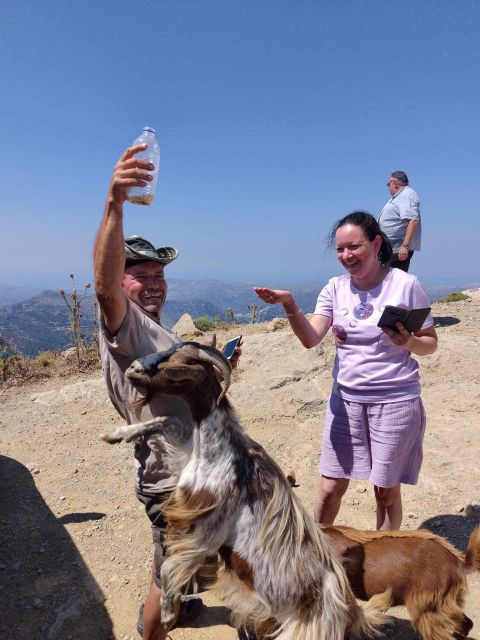
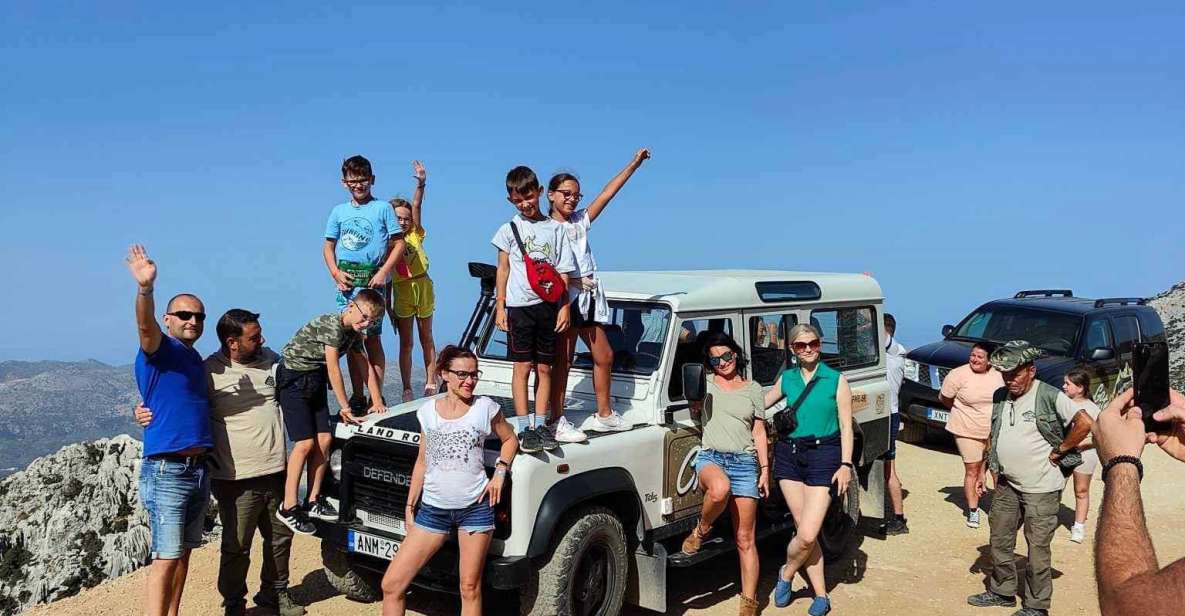
This tour is built for a full day outside the usual main-road rhythm. You start and end with hotel pickup and drop-off, and you’re taken in a Land Rover Defender or Nissan Pathfinder (with fuel included). The route is planned to take you through central Crete and climb up to about 1150 meters, including a beautiful dirt route later in the day.
It runs about 7.5 hours, which is long enough to feel like you got “the countryside version” of Crete, but not so long that you’re done for the day afterward. You’ll have an experienced guide, and the live guide languages listed are Dutch, English, French, and German.
Practical note: the vehicle experience can matter a lot on safari-style tours. One review specifically complained that the vehicle wasn’t what the booking materials described as a jeep style. I’d treat this as a reminder to confirm your vehicle details ahead of time, especially if you’re booking this as a special father/son or last-day treat.
You can also read our reviews of more tours and experiences in Malia


Apeselami Dam and Sfentili: the view with a story
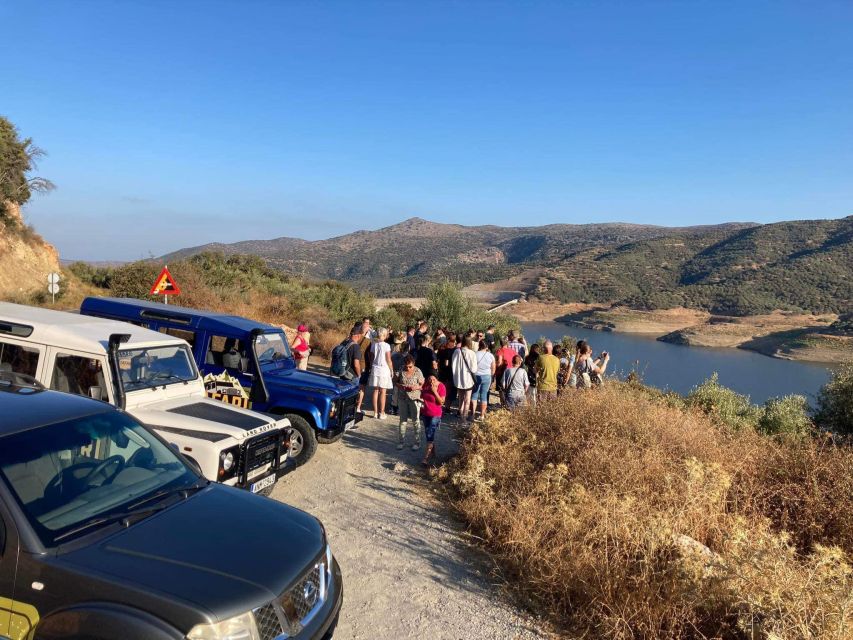
One of the first “wow” moments is the stop at the aposelemi dam. From there, you can see the sunken village of Sfentili. This is the kind of place where scenery makes more sense when someone explains the why behind it—Crete’s landscape has layers of human decisions, not just nature.
What I like about this stop is that it’s not just a photo stop. It sets the tone for the day: the guide will connect what you’re seeing now with how people used the land before, and how myths and daily life overlap in Crete.
Because this tour is focused on the central part of the island, the view from the dam helps you understand the geography you’re about to drive through—olive groves, valleys, then higher terrain.
Olive mill stop: learn olive oil the Cretan way
Next comes a traditional olive mill. This is one of the most valuable parts of the day because it turns a vague idea—olive oil in Crete—into something tangible.
You’ll learn how Cretan olive oil is produced, and you’ll also have the opportunity to buy products, including pure olive oil. If you like bringing home food that actually reflects where you went (not just generic souvenirs), this is exactly that kind of stop.
A couple of practical things to keep in mind. First, since the day includes climbing and driving, you’ll want to wear clothing that’s comfortable for a longer ride. Second, if you plan to buy oil, think about how you’ll carry it—bags can get heavy fast once you add multiple bottles.
If you’re traveling with someone who’s skeptical about “factory tours,” this is still worth it because it’s framed as local life and local knowledge, not a sales pitch.
Shepherd’s farm for traditional Cretan cheese
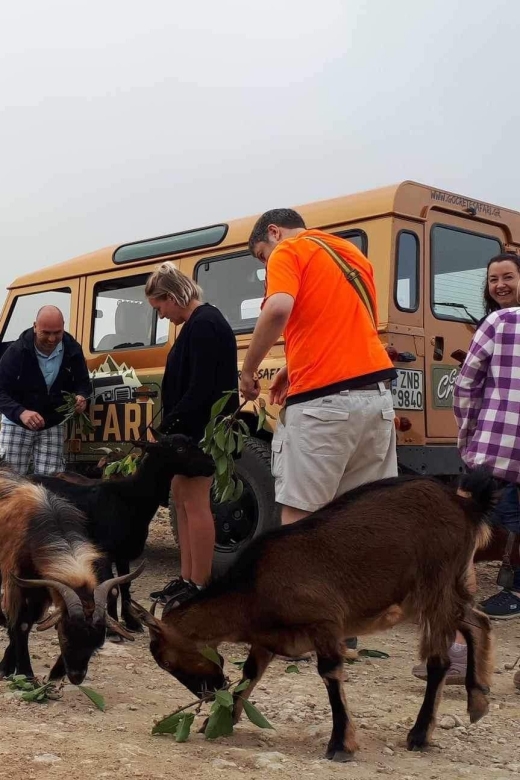
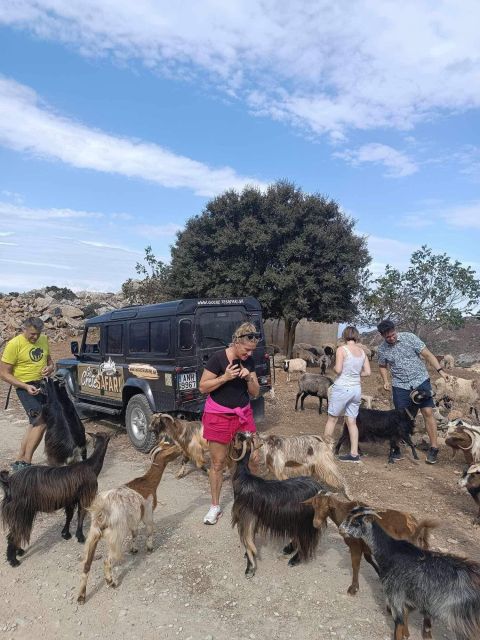
After the olive mill, you head to a shepherd’s farm. Here, you get the chance to learn how traditional Cretan cheese is produced.
Even if you don’t have a specific cheese bucket list, this stop adds a lot of value because it fills in the “how” behind Crete’s farm heritage. You’ll be out in the countryside context, not just sitting in a visitor center.
This is also a nice pacing break. After the dam viewpoint and the olive mill, the shepherd’s farm brings you back to something more human-scale—smaller, quieter, and tied to daily routines.
Again, taste is not guaranteed in the tour information provided, so don’t plan your day as if cheese tasting is the main event. Think of it more as learning and observation, with the possibility of buying or trying things only if the venue offers it.
Zeus Cave: mythology stop, ticket cost, and closure dates
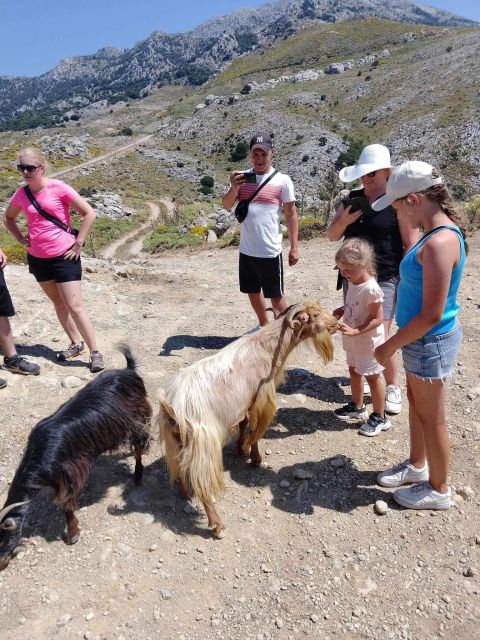
Then comes the headline: Zeus Cave. The tour frames it as the mythic birthplace of Zeus, the father of the gods, and it’s where the tour leans hard into Crete’s storytelling side.
A key detail: you’ll need a ticket. The tour information specifies a ticket cost of €6 in general for EU citizens, with different pricing for students and over 65s. For non-EU citizens, the general adult ticket is also listed as €6, with different student and over-65 pricing. Check your category before you go.
Important for planning: Zeus Cave will be closed from 30/9/2024 to 10/11/2025. If your travel dates fall within that window, you should expect your experience to change. The provider also notes routes and stops may be adjusted for safety or weather, so build in some flexibility.

The traditional Cretan meal with local wine and water
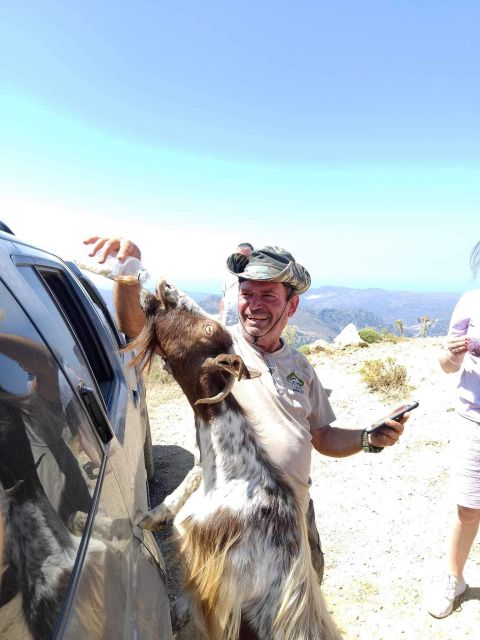
Midday (or close to it), you’ll eat a genuine Cretan meal at a local tavern. This is included, along with local wine and water.
This is one of those “quietly important” inclusions. When you’re doing a 7.5-hour drive with climbs, a real sit-down meal keeps the day from turning into snack-based survival. If you’ve had a few lighter meals already while sightseeing, this one often becomes the most satisfying part of the day.
If you’re sensitive to timing, keep in mind that meals on these kinds of tours usually happen when the route allows. The best way to maximize your enjoyment is to go into the meal hungry and ready to slow down.
Dirt-road climb and the 1150-meter photo moments
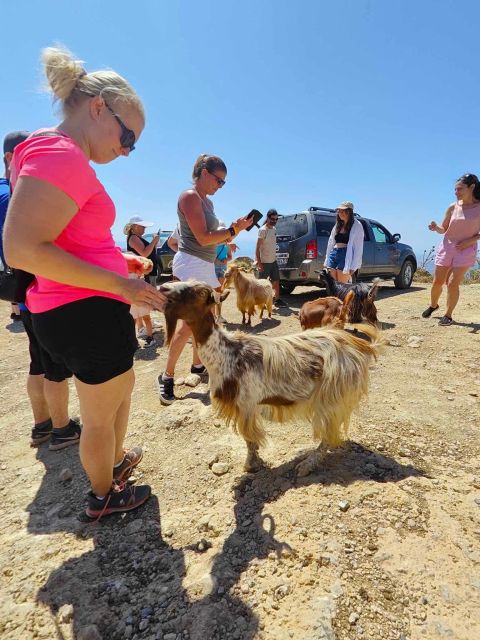
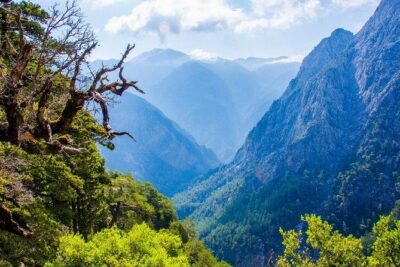
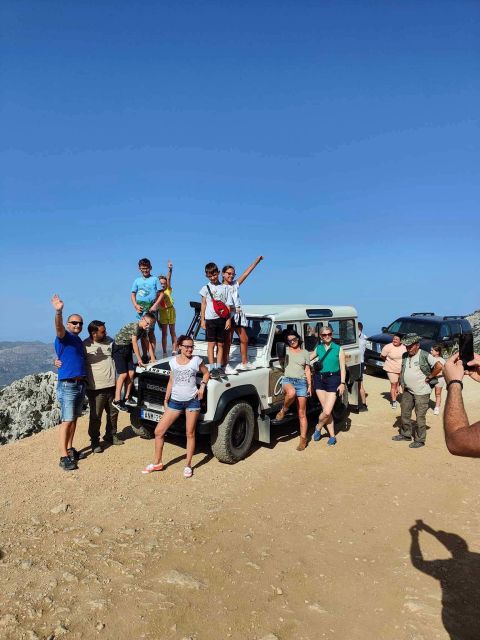
Later, you’ll follow a beautiful dirt route at an altitude of 1150 meters. This is the section that tends to make the whole day feel different from a standard coach tour.
Why it’s valuable: higher terrain on Crete gives you angles you can’t easily replicate from town streets. Even if you’re not a serious photographer, you’ll notice how the air, light, and distance change the scene.
This is also the part that matters most for comfort. Since the tour is not suitable for people with mobility impairments and lists medical cautions like back problems, heart problems, and kidney problems, you should take the physical demands seriously. The tour’s own restrictions also mention no food in the vehicle and no drinks in the vehicle, so you’re meant to stay focused on the schedule and stops.
Kastamonitsa village and Roman aqueduct remains
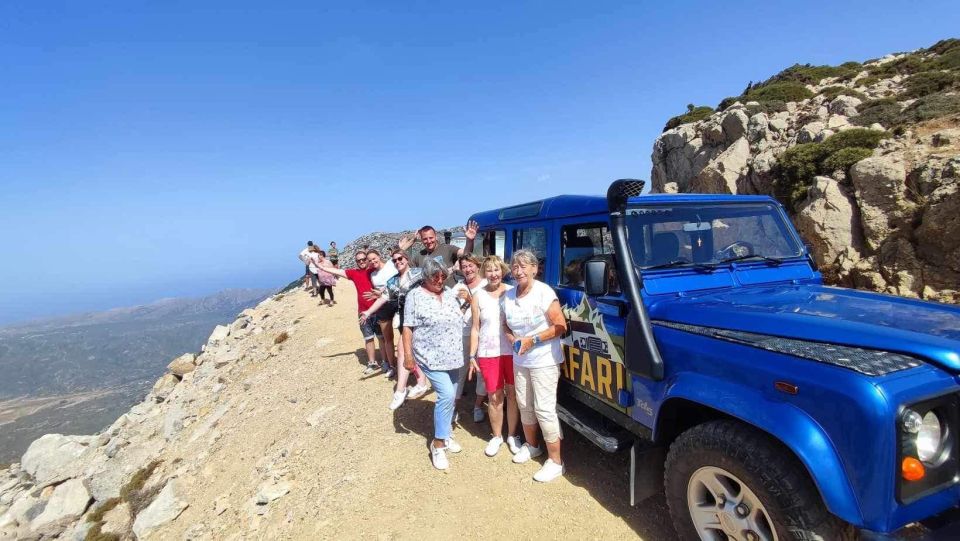
After descending, you reach Kastamonitsa, a traditional village. Here you’ll visit the remains of a Roman aqueduct and learn about its usefulness for the surrounding areas.
What makes this stop work is that it ties together the day’s theme: water and land use. Earlier you saw a modern dam viewpoint and the sunken village story; now you see how older infrastructure shaped life.
If you love ruins but don’t want a museum-only day, this is a good compromise. It’s part of a living village setting, not just isolated stonework.
Price and value: what $93 really buys
The listed price is $93 per person, and the day includes hotel pickup/drop-off, fuel, an experienced guide, and a traditional meal with wine and water. On paper, that’s a lot of “included” value for a single day.
That said, value is only as good as the match between what you expect and what you receive. One review complained that the vehicle wasn’t a Land Rover/Pathfinder style jeep as advertised, and that mismatch affected perceived value—especially since the experience was treated like a special occasion.
So here’s my practical way to judge whether it’s worth it for you:
- If you care most about myth + countryside stops + meal, it looks like a fair deal at this price.
- If you care about the 4×4 jeep fantasy factor, confirm the vehicle details when you book.
- If Zeus Cave is closed during your dates, the value may depend on what gets swapped in and how important Zeus Cave is to your itinerary.
Also note the tour’s small-restaurant day style. You’ll get a meal and local knowledge, but you’re not buying a huge city package with a long shopping list. This is a countryside day.
Who should book (and who should skip)
This tour fits best if you want a day that feels like Crete’s real interior rather than a checklist of towns. It’s a strong choice for:
- Families or pairs who like a mix of mythology and practical local culture
- Travelers who enjoy food-based culture (olive oil and cheese-making)
- People who are okay with a longer day and some off-road driving
It’s not a great fit if you have listed medical concerns or mobility limitations, since it’s explicitly described as not suitable for people with back problems, mobility impairments, heart problems, or kidney problems.
If you’re traveling with anyone who gets motion-sick easily, you might want to take extra caution since the day includes a dirt-road section and significant elevation changes.
Should you book Malia: Land Rover Safari Lasithi Plateau and Zeus Cave?
If Zeus Cave is on your must-see list and you’re traveling outside the closure window, I think this tour is a smart, cost-effective way to see more of Crete’s inland character in one go. The olive mill learning moment, the shepherd’s farm stop, the included Cretan meal, and the Roman aqueduct add up to a full day with multiple “why didn’t I know this?” moments.
My main caution is the vehicle expectation. Because the tour is advertised with specific 4×4 types but at least one recent booking reported a mismatch, I’d confirm what you’ll ride in before you treat it like a once-in-a-trip jeep experience.
FAQ
How long is the tour?
The tour duration is listed as 7.5 hours.
Where does the tour take place?
It’s in Crete, Greece, focusing on central Crete and stops that include Lasithi Plateau trails and Zeus Cave.
How much does it cost?
The price is listed as $93 per person.
Is hotel pickup and drop-off included?
Yes. Pickup and drop-off at your hotel are included.
What’s included in the meal?
You’ll have a traditional Cretan meal with local wine and water.
Are Zeus Cave ticket prices included?
No. Zeus Cave ticket prices are not included.
How much are Zeus Cave tickets?
The tour lists €6 for EU citizens in general, free for EU students, and €3 for EU over 65s. For non-EU citizens, it lists €6 in general, €3 for students, and €3 for over 65s.
Which languages are offered for the live guide?
The live tour guide is offered in Dutch, English, French, and German.
Is Zeus Cave always open?
No. Zeus Cave is listed as closed from 30/9/2024 to 10/11/2025.
Is the tour accessible for people with mobility issues?
No. It’s listed as not suitable for people with mobility impairments, and it also lists back problems, heart problems, and kidney problems as reasons it may not be suitable.
Are there restrictions on what you can bring?
Yes. Drinks in the vehicle, food in the vehicle, and non-folding wheelchairs or non-folding strollers are not allowed.