Heraklion tastes like a story you can eat. This 2-hour walking tour ties Cretan longevity food to the streets around the port-side old center, with a guide who keeps the pace friendly and the lessons practical. You’ll see major sights like the Venetian Walls and key squares, then you’ll get real food samples as you go.
My favorite parts are the stop at a local family bakery (hello kalitsounia and Greek coffee) and the way the tasting turns into a mini-course on why Crete eats the way it does. One heads-up: you’ll be snacking through the whole walk, so don’t plan on eating a heavy breakfast first.
In This Review
- Key Highlights You’ll Notice Fast
- A 2-Hour Heraklion Tasting Walk That Actually Feels Like Local Life
- Where the Tour Starts: Capsis Astoria and Eleftherias Square
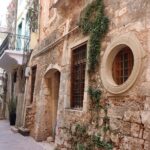
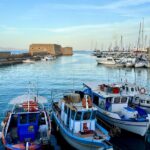
- Venetian Walls, Lions Square, and Cathedrals: Sightseeing Without the Museum Fatigue
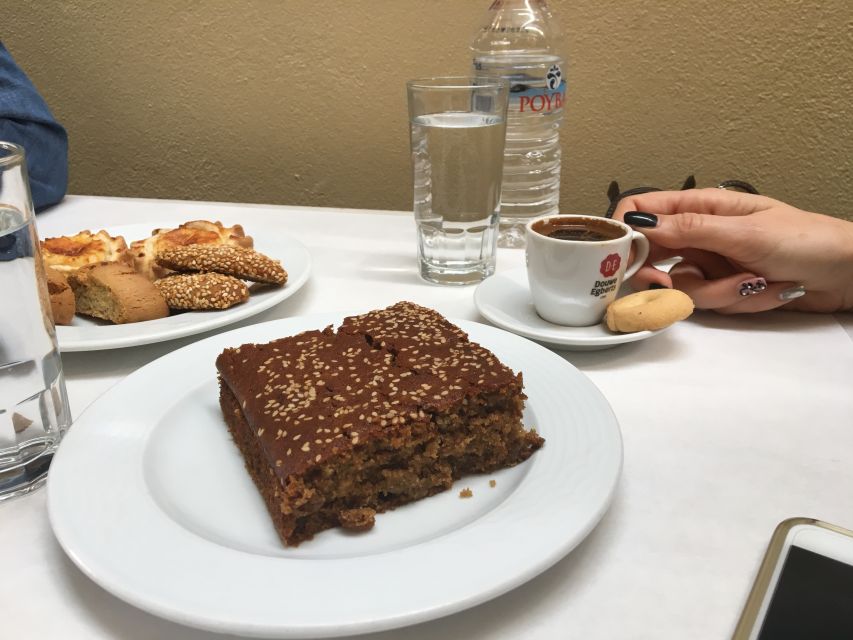
- Bakery Stop: Greek Coffee and the Pastries Locals Treat as Normal Food
- Herbs, Spices, and Mountain Tea: The Stop That Tastes Like the Countryside
- Olive Oil, Olives, and Dakos: The Mediterranean Diet, Served in Bites
- Cheese Tasting With a Real Mix: Goat–Sheep, Gruyere, Parmesan, and Yogurt with Honey
- Raki, Wine, and Souvlaki: Drinks and Savory Bites That Match the City’s Pace
- Price and Value: Is $119 Worth It?
- The Guide Makes It: Friendly, Warm, and Focused on You
- Who This Tour Suits (and Who Might Want Another Option)
- Should You Book This Heraklion Tasting Tour?
- FAQ
- How long is the Tastings of Heraklion city tour?
- What does the tour include?
- Where does the tour start and end?
- What language is the tour guide?
- Is the tour private?
- Will I taste alcohol?
- Is the tour wheelchair accessible?
Key Highlights You’ll Notice Fast
- A “city walk + food education” format that links tastes to Heraklion landmarks, not just restaurants
- 12+ local tastings across bakery treats, cheese, olives, olive oil, dakos, souvlaki, and more
- Three hand-picked food stores built around what locals actually buy and drink
- Herb-and-spice stop plus mountain tea, including a non-alcoholic traditional option
- Sightseeing anchors like Lions Square and two major cathedral stops
- Private group pace for a 2-hour experience that’s more chat than rush
A 2-Hour Heraklion Tasting Walk That Actually Feels Like Local Life
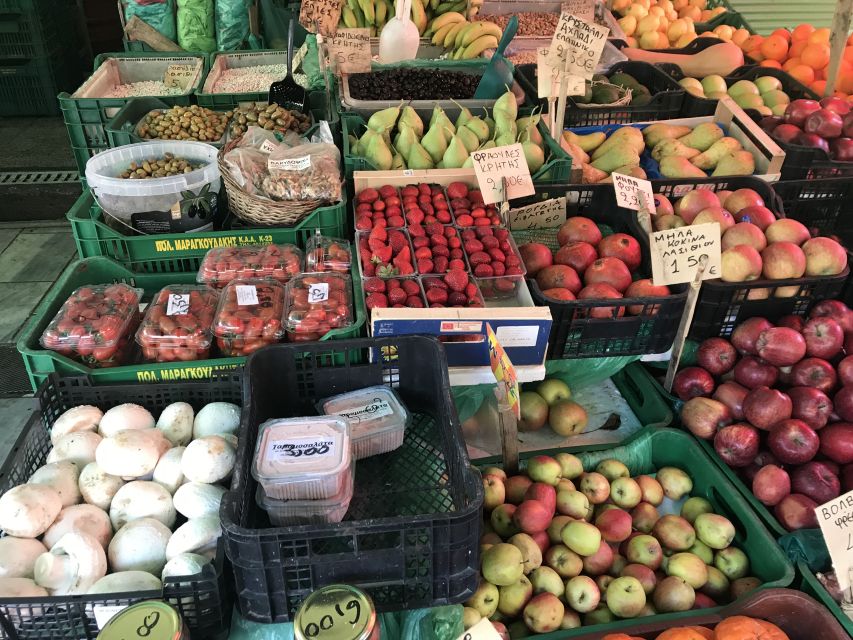
If you’ve ever done a “food tour” that mostly turns into standing in line, this one feels different. The point isn’t only the food. It’s how the food fits into daily life in Heraklion, Crete’s capital, where you’ll still see people grabbing coffee, pastries, and small bites as part of normal routines.
You’re also getting the best kind of sightseeing help: a guide who talks while you walk, so the monuments stop being distant postcard stuff. You’ll move through the historic city center and connect what you’re seeing to what you’re eating—especially the ideas behind the Mediterranean-style way of eating Cretans are known for.
And yes, you’ll eat. Expect plenty of stops and plenty of tastes, including sweet, savory, dairy, olive products, and drinks.
You can also read our reviews of more walking tours in Crete

Where the Tour Starts: Capsis Astoria and Eleftherias Square
The tour meets at the Capsis Astoria Heraklion front door, on Eleftherias Square. This is a smart starting spot because it’s central and easy to orient yourself in Heraklion right away. It’s also near the Archaeological Museum area, so even if you’re planning more walking afterward, you’ll already be in position.
Practical tip: wear comfortable shoes from the jump. This is a walking tour with multiple tasting moments, and you’ll be on your feet through the city center. Also, leave big bags/luggage behind. The tour doesn’t allow luggage or large bags, so travel light.
Finally, go with a real appetite. One of the most useful pieces of advice I can give is to avoid a big breakfast beforehand. When your morning is full, these tastings can start feeling like work instead of fun.
Venetian Walls, Lions Square, and Cathedrals: Sightseeing Without the Museum Fatigue
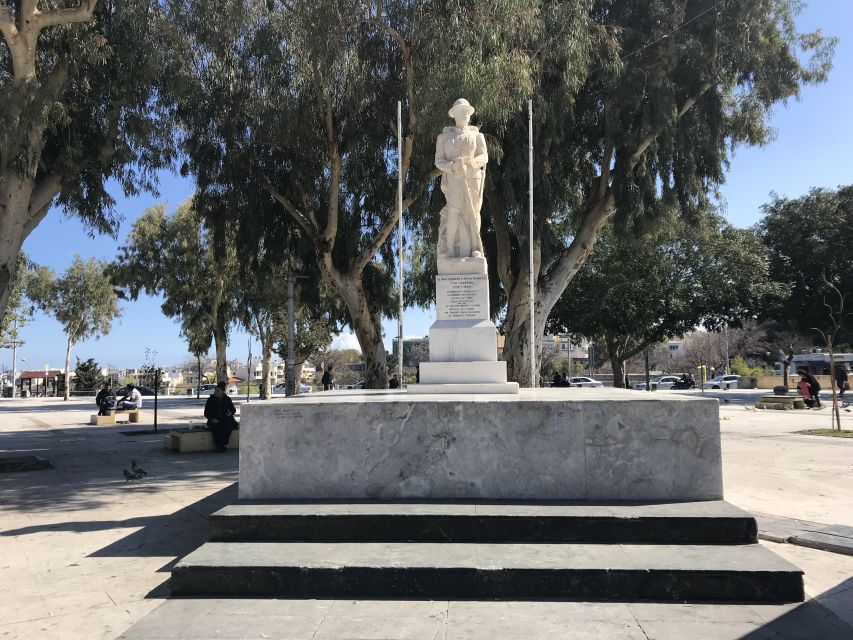
You’re not doing “sit and listen” sightseeing. You’re seeing key Heraklion sights as your tastings unfold, which keeps the brain engaged.
As you walk, you’ll pass or stop at points of interest including:
- Venetian Walls
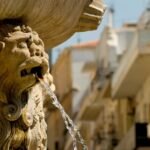
- Lions Square
- Saint Titos Cathedral
- Agios Minas Cathedral
Here’s why this matters: Heraklion’s food culture didn’t grow in a vacuum. The tour connects Cretan eating patterns with the city’s history and the way communities built daily routines around what was available—like olive oil, herbs, dairy, and grains.
If you like learning that feels grounded—rather than abstract—you’ll probably enjoy the way the guide ties monuments to the everyday habits behind the Mediterranean diet.
Bakery Stop: Greek Coffee and the Pastries Locals Treat as Normal Food
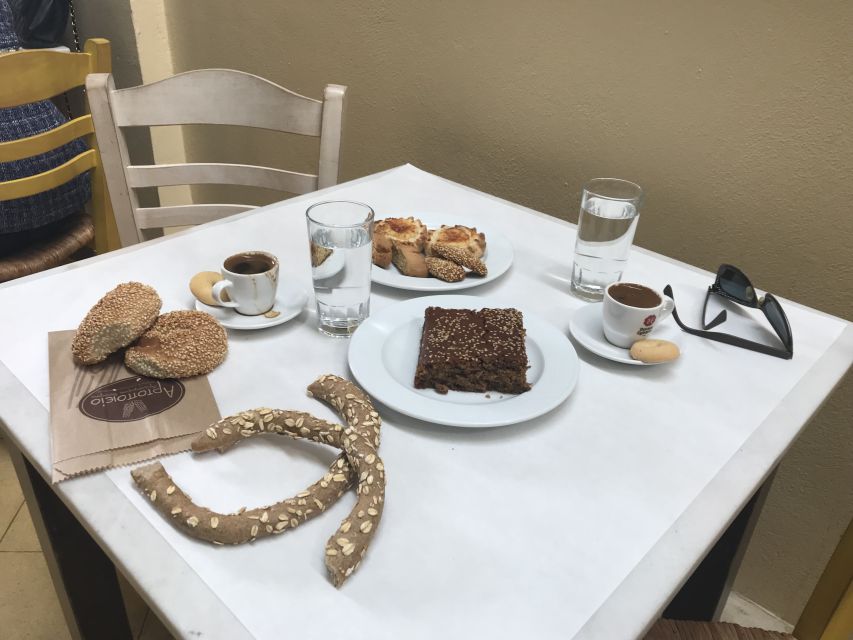
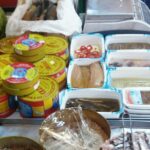
One of the strongest reasons to book this tour is the first food stop type: a Cretan family bakery, described as a daily meeting point for locals. That’s a clue that you’re not just tasting for tourists. You’re tasting where locals tend to show up for their regular “day starts here” moments.
At this stop, you’ll taste:
- Greek coffee
- Kalitsounia (traditional sweet pies with soft cheese filling)
- raisin pies
- cinnamon cookies
I like this part because it’s sweet, but not generic. Kalitsounia is specifically the kind of food that tells you something about regional ingredients and how dairy and pastries can work together in one dish. And Greek coffee is a fast, familiar anchor that helps you feel the rhythm of the place.
If you’re the type who normally skips desserts on tours, consider this an exception. The variety here is small-bite friendly, but it gives you a strong sense of how Cretans do sweet things without turning the experience into sugar overload.
Herbs, Spices, and Mountain Tea: The Stop That Tastes Like the Countryside
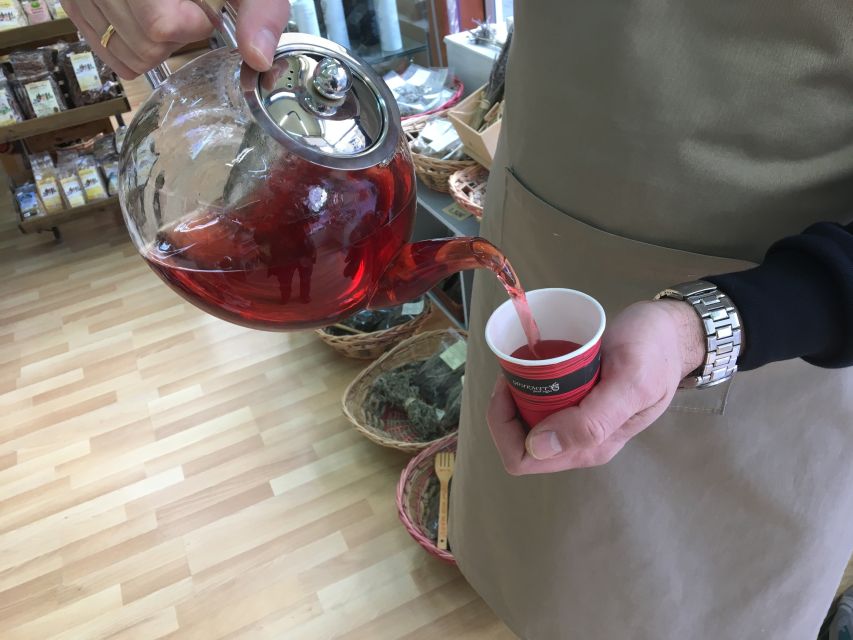
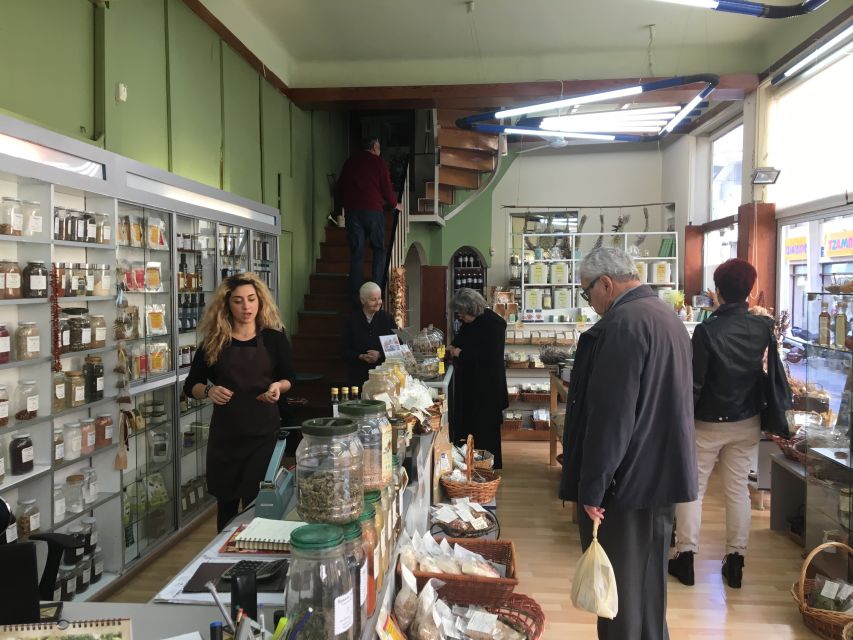
Next up is a more sensory stop—herbs and spices at a traditional Cretan shop. This is where the tour shifts from “eat this” to “why it tastes the way it does.”
You’ll also get to savor:
- a traditional herbal drink (non-alcoholic)
- Cretan mountain tea
This is valuable because it changes how you think about flavor. Cretan cooking often leans on herbs, olive oil, and simple ingredients. A mountain tea moment helps you understand that the countryside isn’t just scenery—it’s a flavor source. Even if you don’t leave with a recipe, you’ll leave with a better sense of what’s likely showing up behind the scenes in everyday meals.
For anyone avoiding alcohol, this part also keeps the pacing comfortable: you get traditional drinks and tastings even while the tour includes alcoholic beverages elsewhere.
You can also read our reviews of more city tours in Crete


Olive Oil, Olives, and Dakos: The Mediterranean Diet, Served in Bites
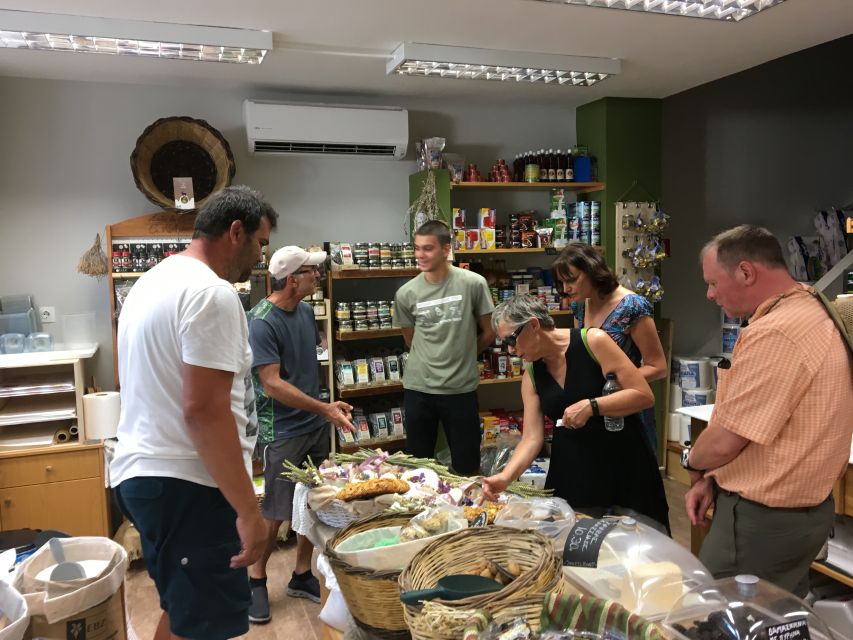
Then the tour hits one of the big pillars of Cretan eating: olive products. You’ll taste:
- organic extra virgin olive oil
- varieties of table olives
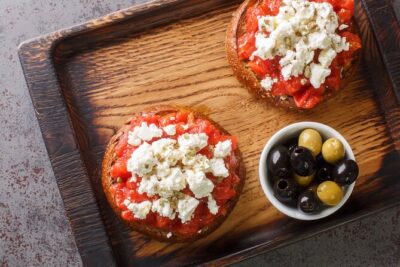
You’ll also encounter dakos, which is one of those foods that instantly makes the Mediterranean diet feel real. It’s the kind of item that shows how simple ingredients—bread base, olive oil, tomatoes or toppings—can be more satisfying than they look.
What I like about this section is that it’s not only “taste the olive oil.” You get context in the walking explanation: how olive oil fits into daily eating and why it’s tied to that celebrated longevity reputation.
If you’re an olive oil person, this is the stop you’ll care about most. If you’re not, you’ll still likely find something here you can compare at home—like what you like in bitterness, aroma, or finish.
Cheese Tasting With a Real Mix: Goat–Sheep, Gruyere, Parmesan, and Yogurt with Honey
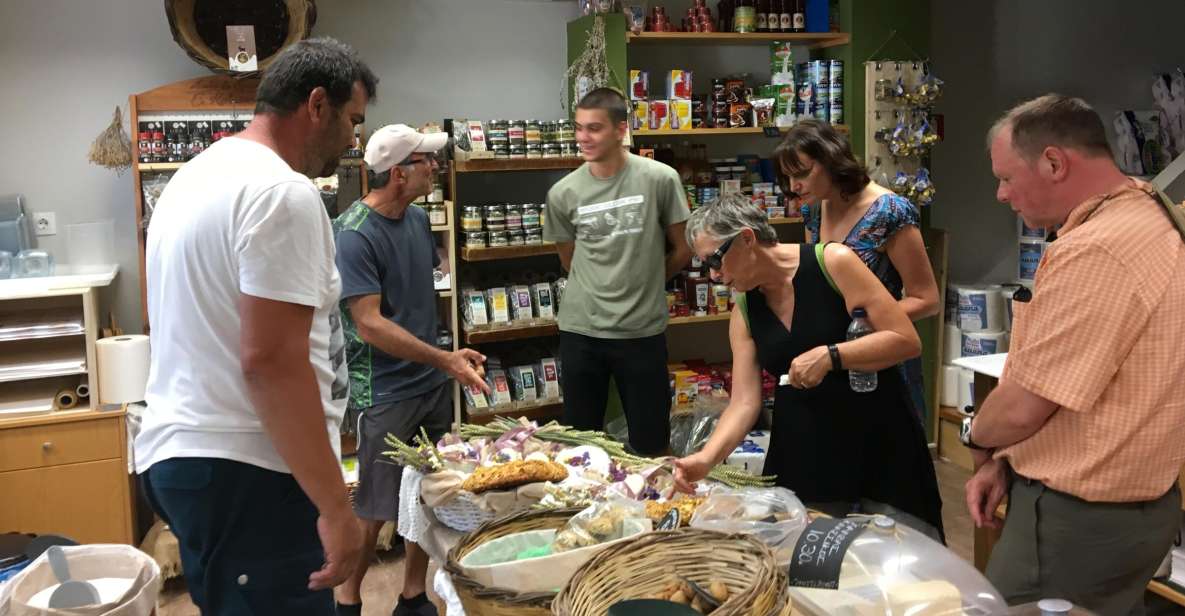
Cretan cheese isn’t one single flavor category, and this tour makes that clear by mixing styles. You’ll taste multiple cheeses, including:
- goat–sheep cheese
- Gruyere
- parmesan
- soft cheese
- natural yogurt with honey
That last one matters. A yogurt with honey taste reads as both sweet and dairy-forward, and it helps you understand how Cretan meals can switch between savory and mild-sweet without feeling like two different worlds.
I also like how the tour avoids only doing the “fancy cheese platter” thing. This tasting is about variety and how cheese shows up in real daily eating—whether that’s as a filling in pastries, part of a snack moment, or paired with simple sweetness.
Raki, Wine, and Souvlaki: Drinks and Savory Bites That Match the City’s Pace
By the time you reach the savory moments, the tour has built momentum. You’ll taste items including:
- souvlaki
- raki
- wine
This is also where the tour’s promise of Cretan culinary life feels closest to what you might find at street level: casual, social, and meant to be shared (even when you’re on a private group tour).
A quick practical note: you’ll likely taste alcohol during the walk. Pace yourself. There’s a difference between tasting and trying to “keep up” with a full drink schedule. If you’re driving later or you just don’t want alcohol, you can still enjoy the walk—just go slow and lean into the non-alcoholic tastings too (like the mountain tea).
Price and Value: Is $119 Worth It?
At $119 per person for about 2 hours, you’re paying for a package: a guided walk, major city sights, and 12 local food and drink tastings, plus the meals and drinks themselves.
Here’s how I judge value for a tour like this:
- If you’re the type who enjoys food samples and wants structure, the price can feel fair because you’re not paying for each item separately. You’re buying guidance and a lot of curated tasting stops.
- The private group setup makes it feel less like a cattle-call, which matters when the experience is built around conversations and timing.
- The amount of food is not symbolic. It’s enough that you may not need a big meal right after.
If you’re mainly chasing monuments and could care less about tasting, you might find this expensive. But if you want both—Heraklion sights plus actual bites—this is priced like a real food experience, not a casual snack.
The Guide Makes It: Friendly, Warm, and Focused on You
A recurring theme in the tour vibe is that the guide is engaging and warm, with the kind of energy that turns explanations into something you actually remember. One guide name you might encounter is Heraklia, and the feedback around her style is consistent: friendly, welcoming, and good at making the tour feel like chatting while you walk.
That tone matters because this isn’t a rigid checklist. It’s a tasting walk, so you want someone who can talk about what you’re tasting and why it matters, without turning it into a lecture.
Who This Tour Suits (and Who Might Want Another Option)
This is a great match if:
- you like eating your way through a city
- you want a structured route in Heraklion’s historic center
- you’re curious about the Mediterranean diet as something practical, not just a headline
- you enjoy both sweet and savory tastings, plus dairy and olive products
It’s less ideal if:
- you can’t do walking well (it’s not suitable for wheelchair users or people with mobility impairments)
- you hate alcohol tastings (raki and wine are included, even though a non-alcoholic herbal drink is also part of the experience)
- you’re the kind of person who needs a “rest” break every 20 minutes
Also: bring sunglasses and a sun hat if you’re walking in bright weather. You’re outdoors most of the time.
Should You Book This Heraklion Tasting Tour?
Yes, if you want a fun, high-value way to combine Heraklion city center sightseeing with a lot of genuine Cretan food tastings. The route makes sense, the tasting variety is broad (bakery sweets, olives and olive oil, cheese, dakos, souvlaki, plus raki and wine), and the explanations are the kind you can use—like understanding why these foods are central to the Cretan way of eating.
I’d book it with confidence if you’re hungry and you want both sides of the experience: the walk through recognizable sights and the “here’s what people eat” part that makes the Mediterranean diet click in your mind.
Skip it or pick something lighter only if you’re not comfortable with a food-heavy, walking-based format.
FAQ
How long is the Tastings of Heraklion city tour?
It lasts about 2 hours.
What does the tour include?
You get 12 local food and drink tastings, including items such as bougatsa, coffee, kalitsounia, fresh fruits, dakos, souvlaki, raki, wine, and a traditional herbal drink (non-alcoholic), plus visits to points of interest.
Where does the tour start and end?
The tour starts at the Capsis Astoria Hotel front door near Eleftherias Square. It ends back at the meeting point area (with the finish listed at WeGuide).
What language is the tour guide?
The tour is guided in English.
Is the tour private?
Yes, it’s listed as a private group.
Will I taste alcohol?
Yes. Raki and wine are included, and there is also a non-alcoholic traditional herbal drink.
Is the tour wheelchair accessible?
No. It is not suitable for wheelchair users or people with mobility impairments.