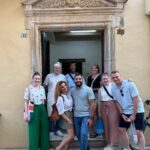
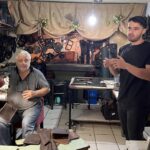
Old Town crafts in 90 minutes? Yes—and you get hands-on. On the Rethymno Traditional Arts & Workshops Tour, I love how up-close you are with papier-mâché work and how the Cretan lyra workshop adds real cultural context, not just a demo. One possible drawback: there’s no food or drinks included, so plan to grab something before or after.
You’ll be walking through Rethymno’s lanes with a small group, usually up to 12 people, and you can actually ask questions. The best part is the human scale of the workshops: family-run, practical, and focused on techniques that are still in use today. Just note the tour is adult-paced, and children under 5 can join for free but don’t actively participate or receive souvenirs.
In This Review
- Key Highlights You’ll Care About
- Rethymno’s Old Town Turns Into a Craft Workshop
- Your 4 Workshop Stops: Wood, Leather, Papier-Mâché, Lyra
- Wood Workshop Near Πλατεία Μητροπόλεως
- Leather Workshop With a Third-Generation Craftsman
- Papier-Mâché Art: The Hands-On, Take-Home Moment
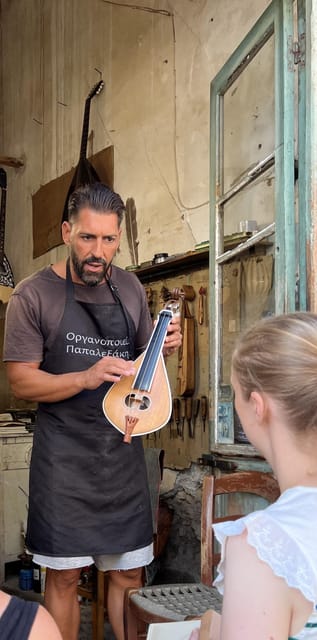
- Cretan Lyra Workshop: Where Music Meets Craft
- Walking the Sights Between Workshops Without Losing Time
- The Real Value of This Tour: Souvenirs With Purpose
- Who This Tour Fits Best (and Who Might Want Another Plan)
- Price and Timing: Is $81 Good Value?
- Small Details That Make This Tour Easier to Enjoy
- Should You Book It?
- FAQ
- How long is the Rethymno Traditional Arts & Workshops Tour?
- Where do I meet for the tour?
- What workshops are included?
- Do I make anything to take home?
- Is there a small group size?
- Are children allowed, and do they receive souvenirs?
Key Highlights You’ll Care About
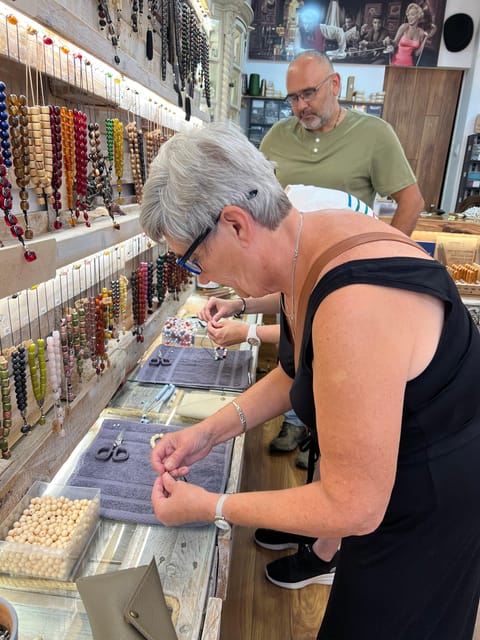
- Four family workshops in one walk: wood, leather, papier-mâché, and a lyra stop tied to Cretan music
- Hands-on papier-mâché using recycled paper/cardboard, plus a piece you take home
- Personalized leather souvenir made the old-fashioned way by a third-generation craftsman
- Lyra workshop with a master maker who shares stories (including a Scotland connection)
- Small group size (max 12) so you’re not just watching from the back row
Rethymno’s Old Town Turns Into a Craft Workshop
Rethymno’s Old Town is the perfect backdrop for this kind of tour because you’re moving on foot, past squares and gates, with workshop doors opening right off the street. Starting at the Former Customs House, you begin with an easy rhythm: a short walk, a guided stop, then another workshop. This is not the kind of tour where you’re rushed from one factory-style display to another.
The group stays small (max 12), which matters more than it sounds. In a crowd, artisans get cut off; here, you get time to ask why they do things a certain way—tools, materials, and even the little “this is how it’s done” habits that get lost in mass production.
The guide is English-speaking (and, in my experience watching how this tour runs, the guide’s energy sets the tone). Many participants specifically mention Virginia as a charming guide who makes the crafts easy to understand and fun to talk about. You’ll also hear Greek terms tied to the mindset of craft—like meráki, the idea of putting heart and soul into what you make.
Practical tip: since no food or drinks are included, you’ll feel better if you treat this like a cultural morning or afternoon slot, not something you try to squeeze in on an empty stomach.
You can also read our reviews of more tours and experiences in Rethymno


Your 4 Workshop Stops: Wood, Leather, Papier-Mâché, Lyra
This tour is built like a short “greatest hits” of Cretan traditional making. Each workshop is family-run and designed to show you the process—not just the finished item.
You’ll also get little moments of guided sightseeing between stops. Think of it as a guided walk that happens to include craft stations. That structure is part of the value: you get both the town context and the behind-the-scenes making.
Wood Workshop Near Πλατεία Μητροπόλεως
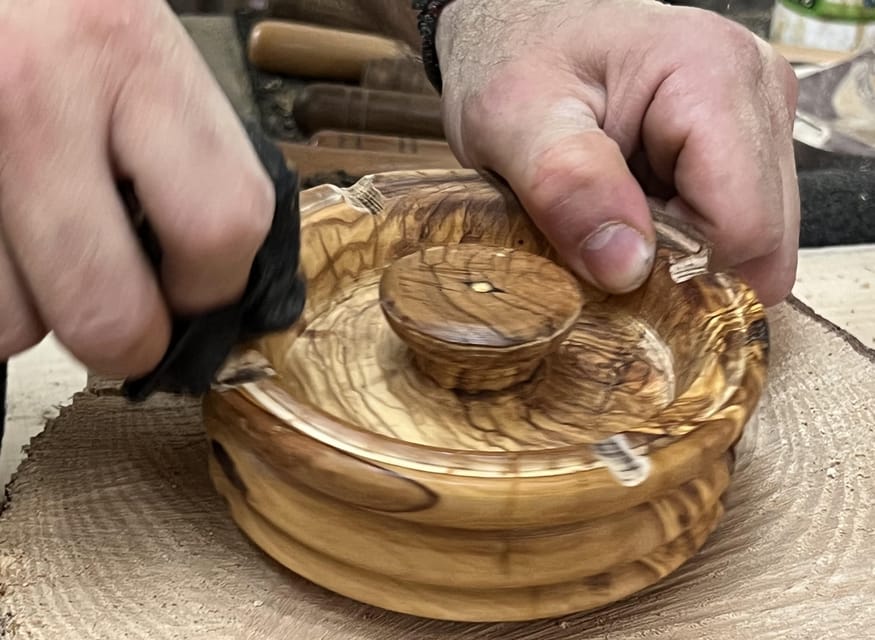
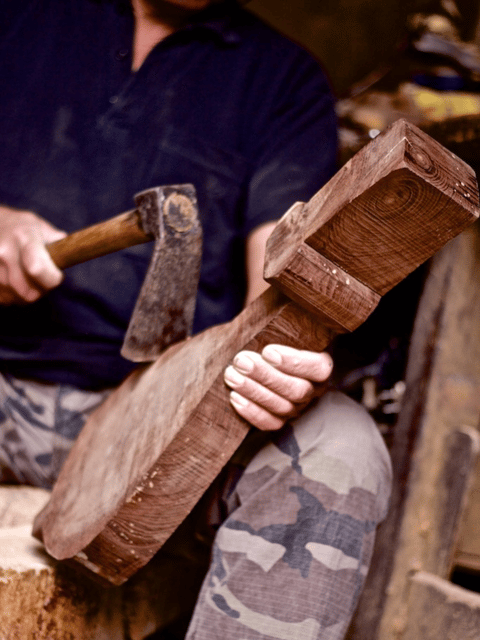
Your first hands-on stop happens around Πλατεία Μητροπόλεως (Metropolis Square). From there, the tour moves into the wood craft demonstration, where you’ll see sculpting and carving done with basic tools and a steady hand.
What I like about the wood stop is how plain the process feels. It’s not about fancy technology; it’s about patience and skill. You watch someone transform a simple piece of wood into something meaningful, and it becomes obvious why this kind of making survives generation after generation.
You also take home a small wooden souvenir. It’s a nice touch because it doesn’t feel random—your item ties back to what you watched being made.
Possible consideration: woodwork demos can be visually intense but short. If you’re hoping for a long, detailed lesson, this is more of a “see how it works” introduction than a full workshop day.
Leather Workshop With a Third-Generation Craftsman
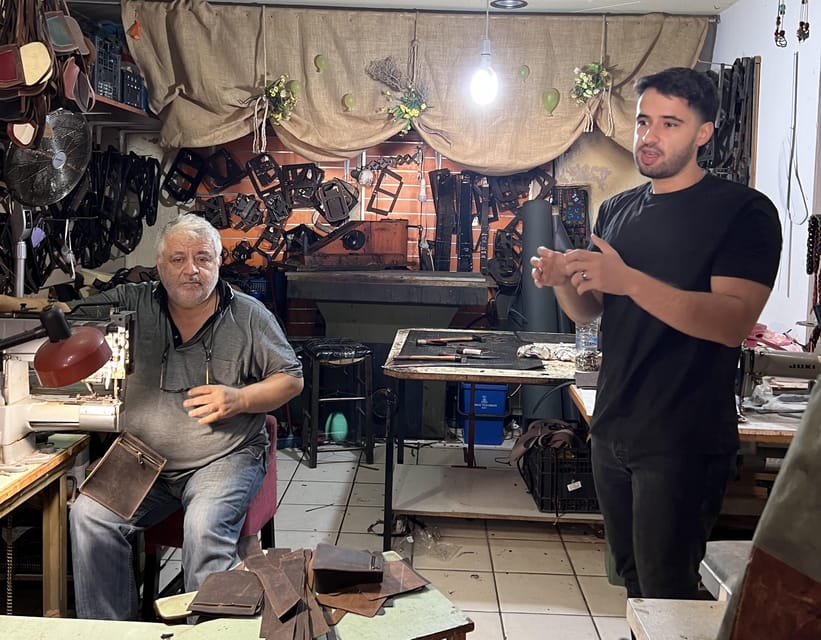
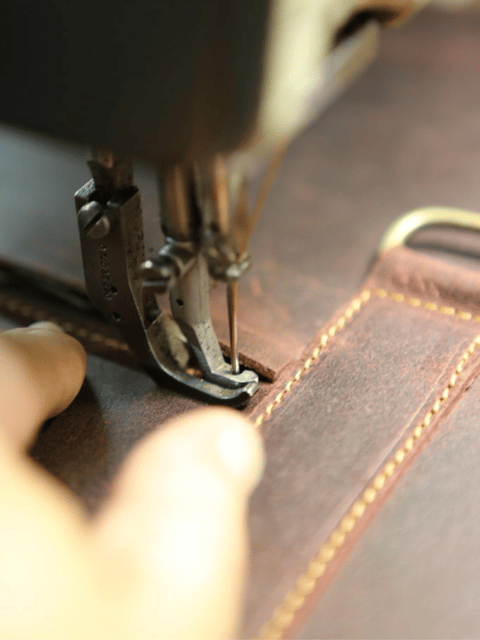
Next you head into the leather workshop, run by a craftsman with deep family lineage—knowledge passed from grandfather to father to son. You’ll see traditional leather goods made the old-fashioned way, and you’ll hear the reasoning behind technique choices.
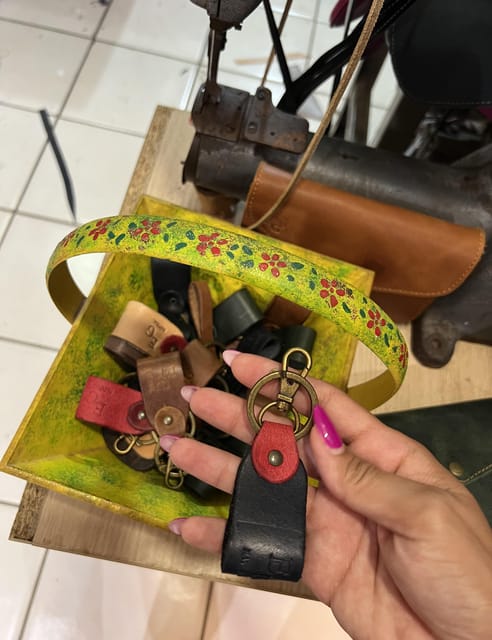
This is one of the stops that feels both cultural and practical. Leatherwork isn’t just about decoration; it’s about making something durable, useful, and designed to last. And since you receive a personalized keepsake, you get a souvenir with a story tied to the maker—not just a mass-market item.
From a value standpoint, I like that this isn’t just a “watch and leave” stop. You’re given something tangible that reflects the craft you came for.
Papier-Mâché Art: The Hands-On, Take-Home Moment
Then comes the most interactive part: papier-mâché. The tour frames it well—papier-mâché in Crete connects to carnival floats, theatrical props, and decorative pieces. It’s also a smart sustainability story, since the materials come from recycled paper and cardboard.
You won’t just watch. You’ll make your own papier-mâché piece to take home. That hands-on time is usually where the tour converts people from observers into participants. Even if you’re not crafty, the process is approachable because it’s guided step-by-step.
This is also a good stop if you like souvenirs that feel personal. Your item won’t be “like everyone else’s,” because your hands are the last step in the making.
One more practical note: because it’s papier-mâché, you’ll likely want to give it a little care during travel. Keep it packed safely so it doesn’t get crushed on your way home.






Cretan Lyra Workshop: Where Music Meets Craft
The final workshop is the lyra workshop, dedicated to the Cretan lyra, often described as the heart of traditional Cretan music. This is the craft stop that feels like a cultural bridge: you learn why the instrument matters and what makes these instruments special.
The maker shares insight directly with you, and the workshop has been featured in documentaries worldwide for its exceptional instruments. That matters, but the bigger value here is the human story.
One detail participants highlight is a personal connection the lyra maker mentions: his mother was born in Scotland. Another participant noted that their wife was also from Scotland, and the moment became more than just trivia—it turned the workshop into a conversation with a person, not an exhibit.
You’ll finish with a sense of how craft and culture work together in Crete: music isn’t separate from making. It’s part of the same living tradition.
Walking the Sights Between Workshops Without Losing Time
The itinerary includes guided visits at key points in the Old Town—plus two short “secret” and “hidden gem” style stops. Translation: you get more than workshop doors. You also get context, plus a chance to browse what artisans and markets have on offer.
These in-between segments help in two ways:
- They keep the tour from feeling like a rushed sequence of demos.
- They let you learn the town layout as you go, so when you wander afterward, you’ll feel oriented.
The tour ends back at the Former Customs House, which is handy for planning your next stop—coffee, dinner, or another round of exploring the alleys at your own pace.
The Real Value of This Tour: Souvenirs With Purpose
It’s easy to judge a workshop tour by whether the souvenirs feel worth it. Here, they do.
You’ll receive:
- A handcrafted wood souvenir
- A personalized leather keepsake
- Your own papier-mâché piece
Those items don’t just function as souvenirs; they prove the tour delivered on its promise: family crafts made in front of you, with you participating at least once.
And the personalization matters. When you’re given a keepsake that ties to a craft and a maker, it’s easier to justify the purchase—even for people who think they don’t buy “things on trips.”
Who This Tour Fits Best (and Who Might Want Another Plan)
This tour is best for you if you like:
- Hands-on experiences (especially papier-mâché)
- Meeting makers and hearing their technique stories
- Small-group walks where you can ask questions
- Culture that’s practical, not just scenic
It’s also a good fit if you’re traveling with someone who cares about crafts, since the mix covers multiple interests: carving, leather, art-making, and music instrument craft.
You might consider a different kind of activity if:
- You’re very short on time and need something with fewer stops
- You need food or drinks included during the activity
- You’re traveling with very young children who won’t actively participate (children under 5 can join for free, but they don’t actively participate or receive souvenirs)
Price and Timing: Is $81 Good Value?
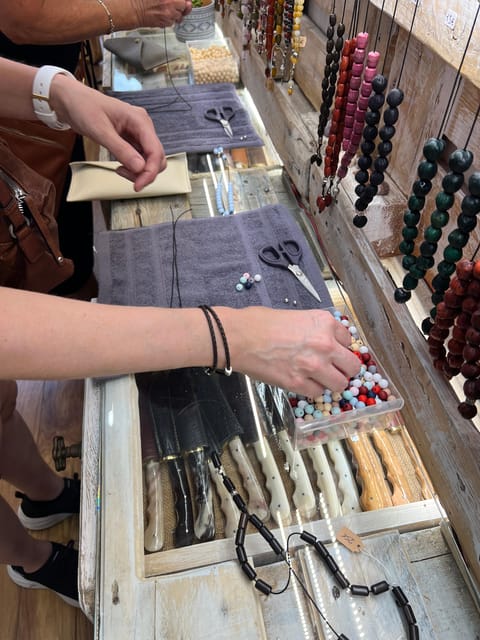
At $81 per person for about 1.5 hours (the tour duration is listed as 1.5 hours, while the overall tour description refers to a 2-hour walking tour), you’re paying for four workshop visits plus hands-on making and take-home items.
Is that a lot? It can be, depending on what you usually spend on experiences. But here’s why it can feel fair:
- You’re not just paying for a guide. You’re paying for multiple artisans and their time.
- You’re taking home multiple handcrafted items, including one you make yourself.
- The group stays small, which often reduces the “factory tour” feeling.
If you’re the type who values experiences over souvenirs, this still works because the value isn’t only the objects—it’s the way you see processes explained and practiced in real time.
Small Details That Make This Tour Easier to Enjoy
A few practical things help you get more out of the tour:
- Wear comfortable walking shoes. You’re moving through the Old Town between workshops.
- Bring patience for hands-on learning. Papier-mâché is fun, but you’ll want time to follow instructions.
- Plan a snack strategy. No food or drinks are included, so eat before you go.
- Arrive at the meeting point on time. You start in front of the information centre at the Former Customs House area.
And if you’re the chatty type, you’ll probably enjoy this most. This tour runs on conversation—between you and the artisans.
Should You Book It?
If you want a Cretan craft experience that’s real, small-group, and tied to take-home making, I’d book it. The combination of wood carving, leatherwork, hands-on papier-mâché, and a lyra workshop gives you variety without feeling like a random checklist. Plus, the small group format is a big deal: you’ll actually talk to the people making the things.
I’d skip it only if you strongly prefer restaurants/museums over interactive workshops, or if you need food and drinks included during the activity. Otherwise, this is the kind of tour where you leave with souvenirs you understand—and stories that make them more than just something to pack.
FAQ
How long is the Rethymno Traditional Arts & Workshops Tour?
The tour duration is listed as 1.5 hours, and the experience is described as a walking tour of around 2 hours.
Where do I meet for the tour?
You meet in front of the information centre, near the Former Customs House.
What workshops are included?
You’ll visit four family-run workshops: a wood workshop, a leather workshop, a papier-mâché art workshop, and a lyra workshop.
Do I make anything to take home?
Yes. You get a hands-on papier-mâché experience and can take your creation home. You’ll also receive a handcrafted wood souvenir and a personalized leather keepsake.
Is there a small group size?
Yes. The tour is designed for a small group, with a maximum of 12 people.
Are children allowed, and do they receive souvenirs?
Children under 5 can join for free, but they do not actively participate and do not receive souvenirs.