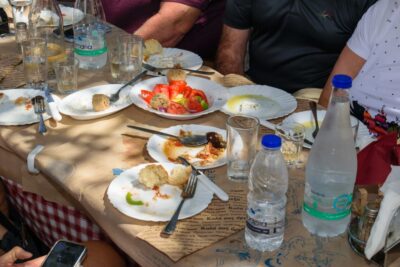
Old Town in Rethymno tastes better when you walk. This evening Cretan food tour mixes real neighborhood stops with hands-on dessert craft, from raki to freshly made baklava. I especially like how it keeps the pace relaxed while still packing in enough food to feel like a full dinner. You’ll also get that small-group feel, so the guide can actually chat and answer questions without herding anyone.
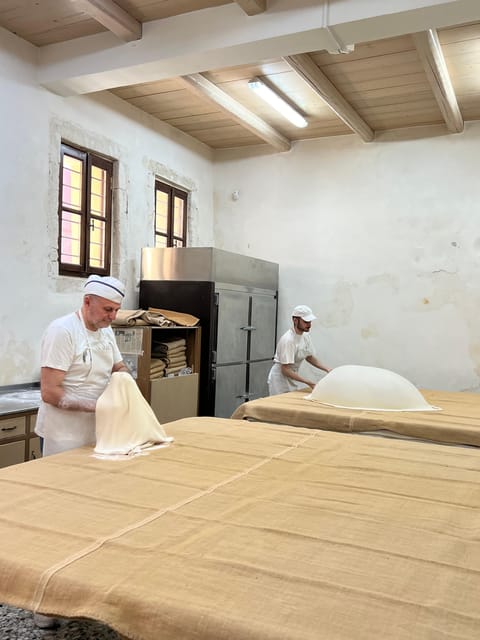
My other favorite part is the mix of old and practical: you’re not only eating, you’re learning what you’re tasting and why it matters in Cretan life. The phyllo workshop visit, led by Giorgos Chatziparaschos in a historic Venetian mansion, is a standout way to understand how kantaifi and baklava get their character.
One consideration: you’ll likely leave pretty full. And if you’re expecting a big, wide-ranging wine tasting, this is more about pairings and local drinks (wine plus raki/rakomelo) than a formal wine flight.
In This Review
- Key Highlights You’ll Actually Care About
- Where You Start: Old Customs House Timing Your Appetite
- First Tastings in Old Town: Raki, Snacks, and Getting Your Bearings
- The Local Bakery Stop: A Cretan Pastry Interlude You’ll Remember
- Inside the Venetian Mansion: Watching Phyllo Work at Giorgos Chatziparaschos
- Iroon Politechniou Square: Wine Pairings and Familiar Crete in a Pretty Setting
- The Secret Stop and Local Snacks: Why the Tour Feels Like a Real Night Out
- Dessert Finale: Fresh Lokma at the End of the Walk
- Sunday in Rethymno: How the Plan Adjusts When Places Close
- Price and Value: Is $104 Worth a 3-Hour Food Night?
- Who This Tour Fits Best (and Who Might Skip It)
- The Guide Factor: Virginia’s Tone Makes the Food Go Down Easy
- Should You Book This Rethymno Cretan Food Tour?
- FAQ
- How long is the Rethymno Old Town food tour?
- What does the tour cost?
- How many stops are there and what kind of food will I try?
- Is dinner included?
- What’s included in the price?
- Are drinks beyond the tastings included?
- Is there a Sunday version of the tour?
Key Highlights You’ll Actually Care About
- Small group (max 12): more conversation, less waiting, calmer stops.
- Fresh baklava and kantaifi making: you watch the phyllo work and taste it right away.
- Raki, rakomelo, and local wine included: you don’t have to start “ordering like locals” on day one.
- Six main stops plus extra surprise tastings: the schedule is tight, but never rushed.
- A Sunday-friendly plan: the tour adjusts for places that close, so you’re not left with empty chairs.
- Family-owned tavern and bakery choices: the places you’ll want to return to after the tour.
Where You Start: Old Customs House Timing Your Appetite

The tour meets at the Old Customs House – Information Centre. That’s a smart choice because it puts you right in the flow of the Old Town, and it’s easy to find before you head into the maze of lanes and squares.
From there, you’ll do a short walk—just enough to get warm and oriented—then you’re into tastings quickly. This matters on an evening tour: you don’t want to spend 45 minutes “getting started” while everyone’s already hungry.
You can also read our reviews of more food & drink experiences in Rethymno


First Tastings in Old Town: Raki, Snacks, and Getting Your Bearings
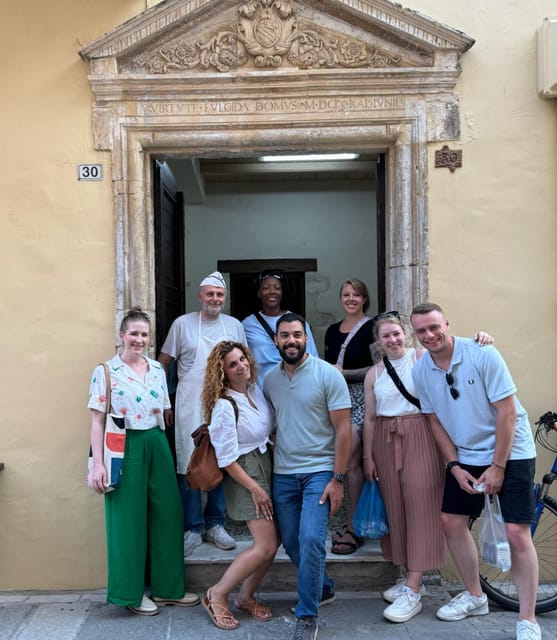
Your earliest stop focuses on that classic Cretan start: spirits and a few local bites, served in a local setting where the evening doesn’t feel like a show. The vibe is more neighborhood dinner than museum-style tour.
You’ll also get a quick education from your guide on what you’re tasting and where those flavors fit in Cretan cuisine. In reviews, guides are repeatedly praised for making this feel relaxed and personable—especially Virginia (sometimes spelled Veronica in notes), who comes across as funny and warm, not stiff or scripted. That tone helps, because you’ll actually try more than one thing.
If you’re sensitive to strong alcohol flavors, be ready: raki and other spirits are part of the included experience. You don’t have to chug, but you do need to understand the tour is built around tasting, not sipping.
The Local Bakery Stop: A Cretan Pastry Interlude You’ll Remember
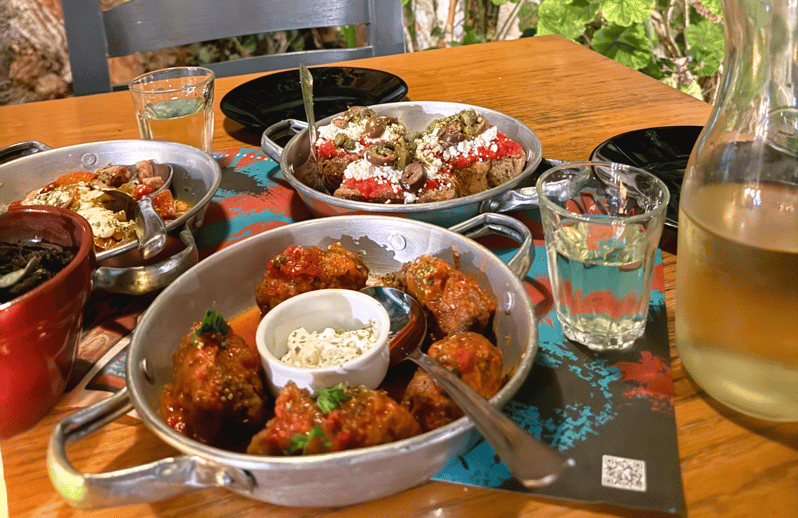
After the first wave, you’ll head to a local bakery for an appetizer-style tasting. This is one of the best “memory stops” of the night because bakery flavors in Crete have a different personality than many tourist-friendly pastries—more about local ingredients and traditional methods than showy presentation.
This stop also breaks up the evening. One part is spirits; the next is phyllo craft; the tour still includes tavern plates and dessert, but the bakery gives you something lighter and pastry-based before the heavier sweets arrive later.
Plan for sticky fingers. That sounds trivial, but lokma and phyllo sweets can get messy if you’re holding conversations and taking bites at the same time. Bring a napkin, and you’ll enjoy it more.
Inside the Venetian Mansion: Watching Phyllo Work at Giorgos Chatziparaschos
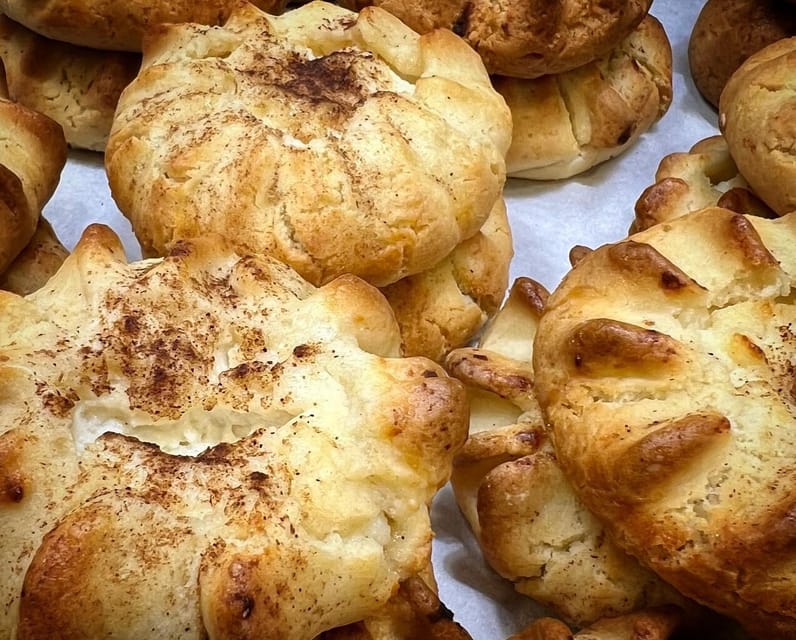
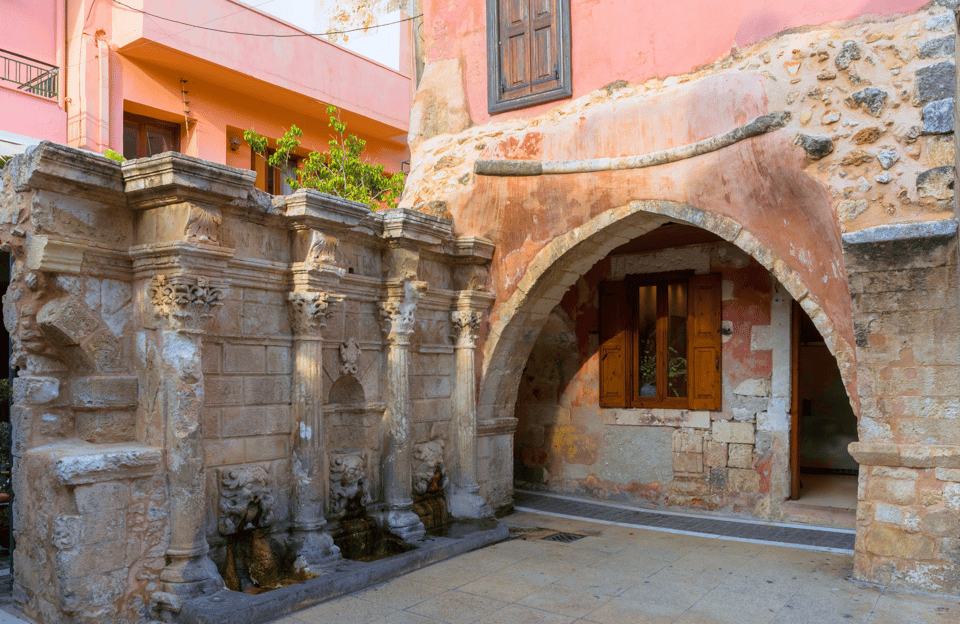
This is the headline moment. You’ll visit a traditional phyllo workshop at a historic Venetian mansion connected with Giorgos Chatziparaschos. Here you get to see how kantaifi and baklava get made—really made, not just displayed.
You’ll also taste the freshly made baklava. That part matters because it turns baklava from a generic dessert you recognize into something you understand: the texture, the sweetness level, and the way the filling works once it’s warm. It also makes the later dessert stop feel even better, because you’ll know what you’re looking for.
One smart detail: you’ll have a few extra pieces set aside so the whole group can enjoy later. That turns the workshop into a shared experience rather than a “watch and leave” moment.
Iroon Politechniou Square: Wine Pairings and Familiar Crete in a Pretty Setting
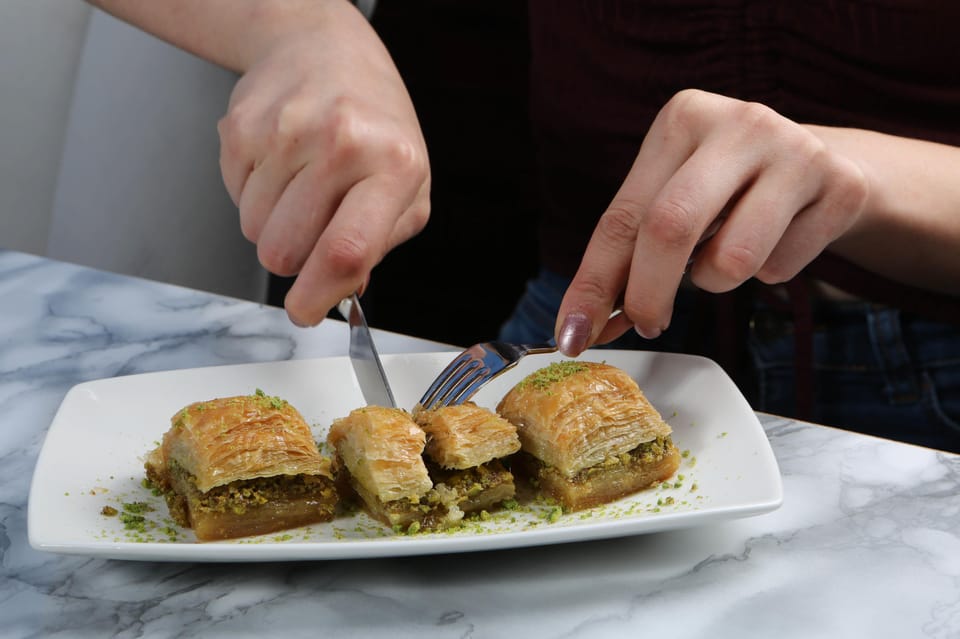
Next you’ll spend time around Iroon Politechniou Square, with wine and more food tastings. This stop is where the tour balances tradition with atmosphere. The square setting helps you slow down for a moment, digest the first half of the sweets and spirits, and settle into the idea that you’re having dinner in stages.
The wine is included, paired with what’s served. Reviews mention that the alcohol choices are part of the charm—especially rakomelo, a warm honey-infused spirit. Still, it’s not set up like a long wine-education class; it’s more about matching flavors and giving you a feel for what locals drink with their food.
A practical takeaway: if you’re a wine person, don’t assume you’ll get a full spectrum of varietals. Think of it as local pairings and tasting portions, designed to keep you moving.
You can also read our reviews of more tours and experiences in Rethymno


The Secret Stop and Local Snacks: Why the Tour Feels Like a Real Night Out
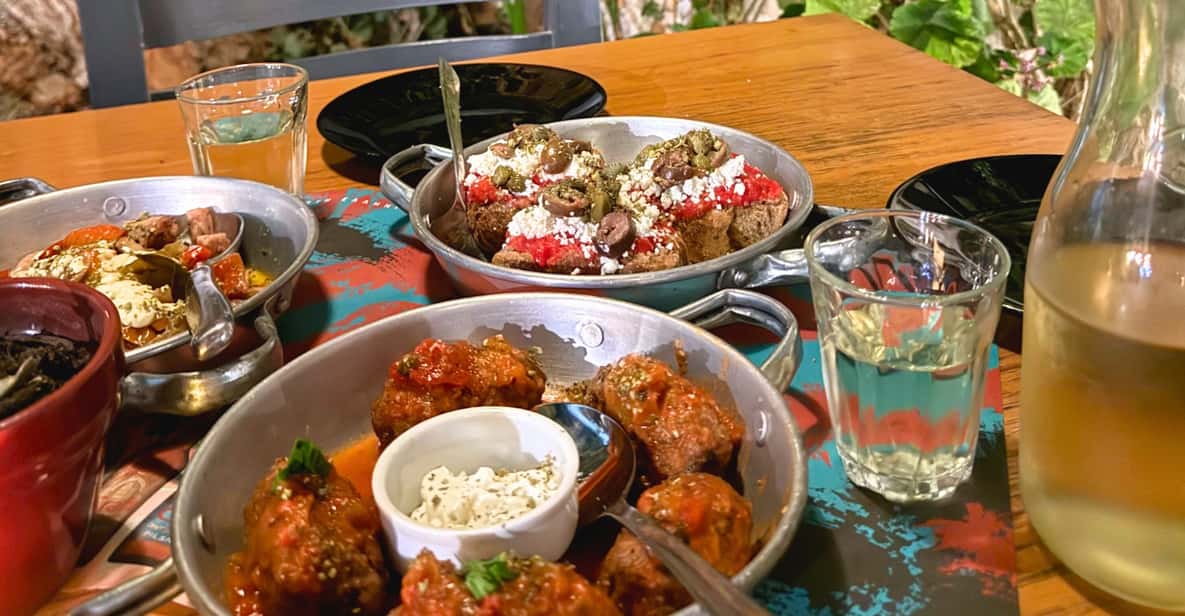
Then comes the part that makes this tour feel more personal: a secret stop with spirits, local snacks, and another tasting. The goal here isn’t just variety for variety’s sake. It’s about guiding you into places and flavors you might not choose on your own on your first evening.
Reviews repeatedly highlight that the guide steers the group toward spots locals actually go to, not just the most obvious storefronts. You’ll also get that sense of being recognized once you reach the tavern/bakery level where family businesses treat visitors warmly.
This is also where you should be honest with yourself: you need to be open to trying things you’ve never ordered. One review even mentions trying snails and being pleasantly surprised. If you’re the type who always sticks to the “safe two items,” you may enjoy it, but you’ll miss some of the magic.
Dessert Finale: Fresh Lokma at the End of the Walk
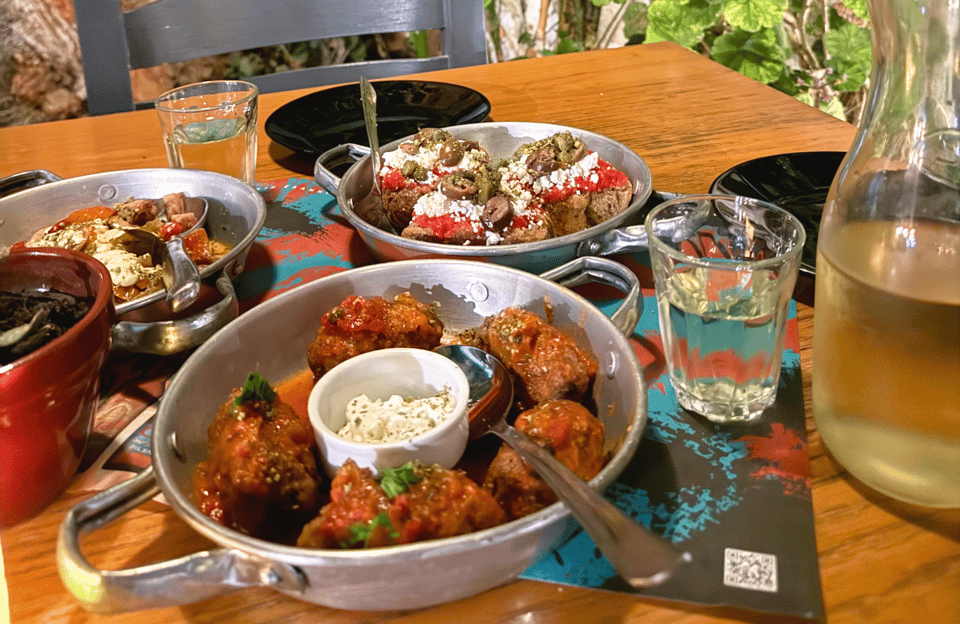
You finish with Greek lokma donuts in Rethymno. This is a great final course because it wraps up the night with something unmistakably sweet and comforting—honey-forward, sticky, and made for sharing.
Ending with dessert isn’t random. The tour has already trained your palate: you tasted baklava from the workshop, you sampled pastries from the bakery, and you experienced sweet-and-spirit flavors across the evening. So when the lokma arrives, it feels like a satisfying conclusion rather than a last-minute sugar overload.
And yes, it’s sweet. Plan your water breaks. If you’re sensitive to very sugary desserts, take smaller bites and pace yourself, because the tour is designed to keep you tasting throughout.
Sunday in Rethymno: How the Plan Adjusts When Places Close
One useful detail: there’s a special version for Sundays, when many traditional spots are closed. That matters because without adjustments, an Old Town food tour can turn into a frustrating search for open restaurants at the last minute.
Here, the tour is designed to keep the overall experience intact. You still get multiple stops and included tastings, so the tour doesn’t feel like it’s waiting for businesses to reopen.
If you’re visiting on a Sunday, this is one of the reasons the tour is worth considering early—so you’re not stuck improvising your dinner with limited options.
Price and Value: Is $104 Worth a 3-Hour Food Night?

At $104 per person for about 3 hours, the value depends on what you want from your evening.
For me, the “yes” case is simple: you’re not just paying for bites, you’re paying for access. You get guided tastings that cover spirits (including raki and rakomelo) plus included local wine, and you get real food stops rather than one restaurant meal with an extra dessert.
Most importantly, the food quantities are meant to be enough to replace dinner. Multiple reviews say you leave unable to eat another bite. That’s a strong indicator you’re getting full-value portions, not tiny samples designed to keep you shopping at the end.
If you’re coming to Rethymno mainly to graze and you’d rather pay for one excellent dinner à la carte, this might feel like a bundle. But if you want a structured “taste course” that also teaches you where locals eat and what to order later, the price lands more fairly.
Who This Tour Fits Best (and Who Might Skip It)
This tour is ideal if you’re:
- A first-time visitor who wants Rethymno Old Town context fast
- A food-first traveler who enjoys trying unfamiliar dishes
- Someone who likes small groups and a relaxed pace
- Interested in traditional sweets and the mechanics of kantaifi and phyllo
You might consider a different style of tour if you:
- Hate strong alcohol flavors (raki and rakomelo are part of the included tastings)
- Want a long, sit-down meal with no walking
- Expect a full wine tasting class with many different wines
Also, if you have allergies or dietary needs, you should plan ahead. The tour asks you to tell them about allergies or restrictions in advance so tastings can be handled properly.
The Guide Factor: Virginia’s Tone Makes the Food Go Down Easy
Time and again, reviews point to the guide as the difference-maker. Virginia is consistently praised for a sense of humor, a relaxed pace, and explanations that connect food to Cretan life and local goods.
That matters more than it sounds. On a food tour, you’ll remember tastings longer if you understand what you’re tasting. A good guide also helps you choose what to try when you’re sitting in front of something you’ve never seen before.
And the group experience seems to be part of the “win”: a maximum group size of 12 keeps things social, not chaotic.
Should You Book This Rethymno Cretan Food Tour?
I’d book it if you want your first night in Rethymno to feel like a guided crash course in local eating—spirits, tavern plates, bakery snacks, and a phyllo workshop that ends with real fresh baklava and lokma.
Skip or rethink it if you’re looking for a quieter, restaurant-only experience, or if you’d rather control your own pace and your own drink choices.
If you do book, come hungry in the best way. This is the kind of tour where you don’t just taste Crete—you learn how to order it for the rest of your trip.
FAQ
How long is the Rethymno Old Town food tour?
It runs for 3 hours.
What does the tour cost?
The price is $104 per person.
How many stops are there and what kind of food will I try?
You’ll have tastings across multiple stops in Rethymno’s Old Town, including spirits, local bakery items, wine and tavern plates, and ends with traditional lokma donuts. The tour experience includes several included tastings spread through the evening.
Is dinner included?
The food tastings are designed to be enough to substitute for dinner.
What’s included in the price?
Included: the walking tour, a live guide, all food tastings, and tastings of traditional raki, rakomelo, and local wine.
Are drinks beyond the tastings included?
No. Any additional food and drinks are not included.
Is there a Sunday version of the tour?
Yes. The tour includes a special itinerary for Sundays when many traditional places are closed.