A full day of Crete, without the crowds. This jeep safari strings together rural villages, real food lessons, and off-road views—so you’re not stuck in the usual tourist loop. I like that the day includes hands-on stops like cooking and pottery, not just photo stops.
My favorite part is the way the itinerary mixes small, everyday traditions with big landscape moments. You’ll see a shepherd family at a traditional mitato (goats, cheese, raki, and oil), then later hit iconic sights like the Windmills of Lasithi Plateau and the 18th-century aqueduct near the ancient plane tree.
One thing to consider: it’s a long day and the routes use dirt roads. Expect some bumps and plan for a slower pace between stops, and also know the operator can adjust routes for safety or timing.
In This Review
- Key things to know before you go
- The 4WD Safari Style: More Local Life, Less Checklist Tourism
- Price and What You’re Really Paying For (Lunch, Wine, and More Than Two Attractions)
- Pickup Timing and the Real Rhythm of an 8–9 Hour Day
- Stop 1: Potamies Village and the Mitato Experience (Goats, Cheese, Raki, Oil)
- Stop 2: Aposelemis Dam and the Submerged Houses of Sfendili
- The Avdou Interlude: Preserved Village Buildings and Old Layouts
- Stop 3: Ano Kera via Dirt Roads and the Ebassas Gorge
- Stop 4: Windmills of Lasithi Plateau and the White Sails Story
- Stop 5: Pinakiano Cooking Class (You Cook, Then You Eat the Evidence)
- Stop 6: Psychro Pottery Workshop and Making Your Own Ceramics
- Stop 7: Plati Plateau Walk and a Local Cafeteria Break
- Stop 8–9: Krasi Wood-Oven Lunch, Wine, and the Ancient Plane Tree
- Stop 10: Malia Olive Oil Mill and a Taste of Export Oil
- The Human Factor: Guides Like Mario, Giannis, Nikos, and Others Make It Work
- Who This Tour Fits Best (And Who Might Want to Choose Another Style)
- Should You Book This Jeep Safari With Cooking Lesson?
- FAQ
- How long is the full-day Jeep Safari tour?
- What’s included in the price?
- Do you get pickup from Heraklion and nearby areas?
- What activities are part of the day besides the drive?
- What should I bring for the tour?
- Is this tour weather-dependent?
Key things to know before you go
- 4WD vehicles for off-road tracks on dirt roads, not just paved roads
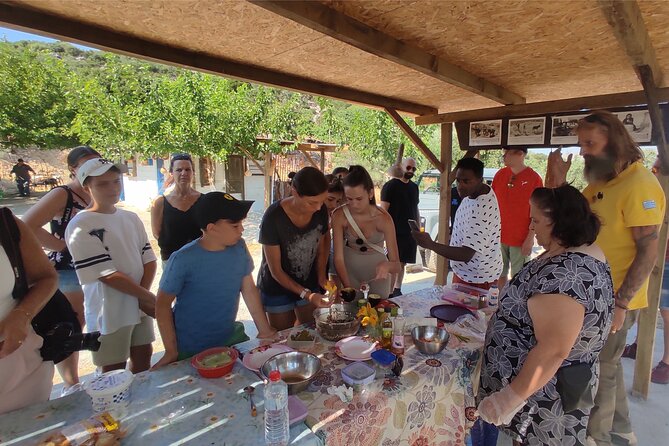
- Hands-on cooking and pottery (you participate, not just watch)
- Lunch with wine and water included at a traditional restaurant in Krasi
- A real rural sequence: Potamies → dam area → Ano Kera → Lasithi Plateau sites
- Small groups (max 20) for a more personal feel
- Village-focused guidance in English, with frequent explanations at key stops
The 4WD Safari Style: More Local Life, Less Checklist Tourism
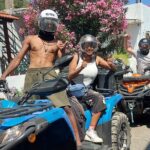
This tour is built around the idea that Crete is more than one or two famous sights. You spend the day bouncing between villages and working spaces, which makes the culture feel less staged and more lived-in. The fact that you’re in a 4WD vehicle helps too—you’re not limited to the same main roads most day-trippers use.
I especially like that you avoid the “arrive, stand, leave” rhythm. The day gives you time to meet people and do things: cheese and flour at Potamies, herbs collection in the mountains, cooking at Pinakiano, and pottery at Psychro.
The flip side is you won’t treat this like a short, flexible hop. From the 8:00 start to the late afternoon return, your day is scheduled. If you hate long sit-down driving, this one may feel like work before it feels like fun.
You can also read our reviews of more cooking classes in Heraklion
Price and What You’re Really Paying For (Lunch, Wine, and More Than Two Attractions)
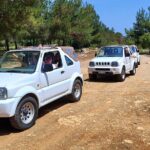
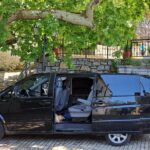
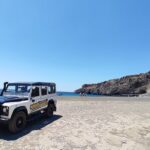
At $111.31 per person for an 8–9 hour day, the price looks simple until you add up what’s included. You’re getting transportation in a 4WD Landrover Defender or Mercedes Vito, an included lunch with wine and water, plus cooking and pottery classes.
A lot of Crete tours sell themselves as a scenic ride with a couple stops. Here, the value is that the included activities are the main event, not filler. If you’ve been curious about how Cretans cook with local products or how pottery is made, that’s where your money lands.
Also, the group size is capped at 20, and the day includes door-to-door pickup in parts of the Heraklion area. That saves time, and it matters on a day that’s already long.
Pickup Timing and the Real Rhythm of an 8–9 Hour Day
The tour starts at 8:00 am, with pickup offered between about 7:45 am and 9:30 am depending on where you’re staying. Drop-off is typically 4:30–5:00 pm. After booking, you’ll get your exact pickup time, and if your street can’t handle the vehicle, you’ll be directed to a nearby meeting point.
What that means for you: build in a relaxed morning. Don’t schedule anything tight right before pickup, because delays are part of real-world pickup windows in different resort areas.
A practical tip from how the day is designed: bring walking shoes, sunscreen, a hat, sunglasses, and a jacket. You’re moving through villages and plateau areas where the weather can shift, and you’ll be doing short walking stretches more than once.
Stop 1: Potamies Village and the Mitato Experience (Goats, Cheese, Raki, Oil)
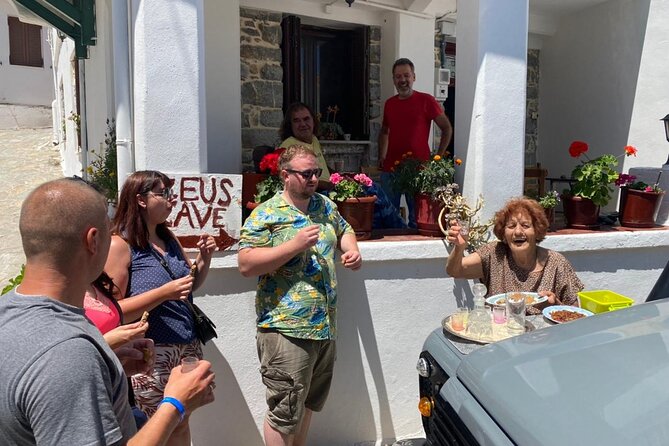
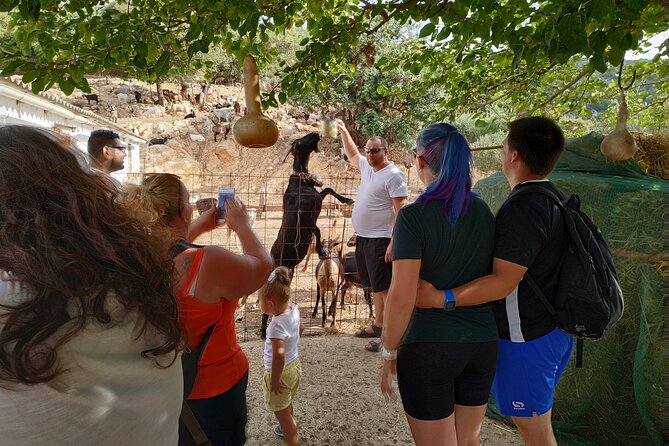
Potamies is where the tour becomes genuinely Cretan. You head to an authentic village and step into a traditional mitato, meeting a shepherd and family. This isn’t just a quick look—it’s about how the farm products are made and how daily work turns into what ends up on your plate.
You’ll see:
- milking from the goats as the start of the process
- how cheese is made
- how flour is made in a traditional herromily
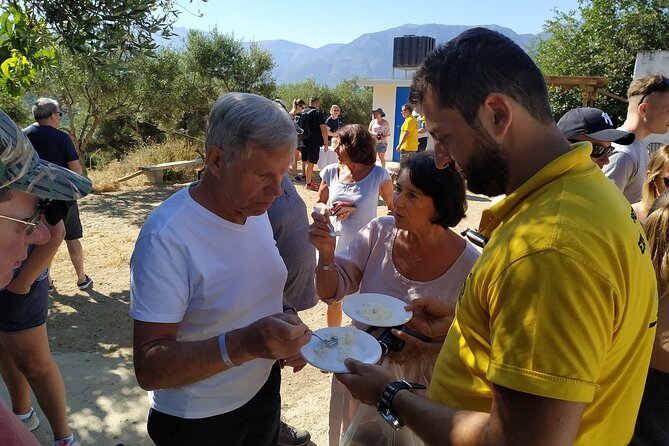
If you want the sensory side, this is the stop to choose. The option to taste traditional products like cheese, raki, and oil is part of the appeal here.
The only caution: this segment can feel more hands-on and “work-like” than museum-style sightseeing. If you’re expecting a purely scenic village stroll, you may be surprised by how much the tour focuses on production and tradition.
Stop 2: Aposelemis Dam and the Submerged Houses of Sfendili
After Potamies, you wander through village gardens with seasonal fruit and vegetables and follow the aromas to the Aposelemis Dam. The dam is described as the largest water supply project in Crete, and it creates a dramatic scene.
You’ll learn about Sfendili village being submerged under the dam’s waters, with old houses fading on the surface. It’s a striking reminder of how infrastructure reshapes geography and daily life.
This stop is shorter, so think of it as a visual breather and a story stop. It adds context to Crete beyond archaeology and beach culture.
You can also read our reviews of more tours and experiences in Heraklion


The Avdou Interlude: Preserved Village Buildings and Old Layouts
Next comes Avdou, described as one of the most representative villages of Crete. The focus here is on how the settlement is preserved, including signs explaining how the village was shaped.
I like stops like this because they don’t ask you to race for a single landmark. Instead, you’re encouraged to slow down and notice the village structure.
The trade-off is that Avdou is more about atmosphere than a single “wow” monument. If you need every stop to be picture-perfect and fast, this may feel quieter than the dam or the plateau.
Stop 3: Ano Kera via Dirt Roads and the Ebassas Gorge
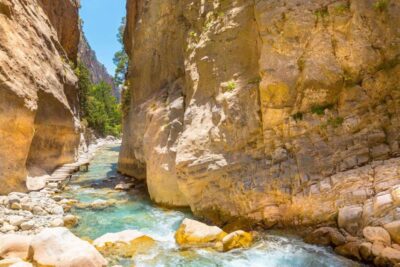
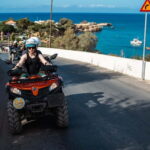
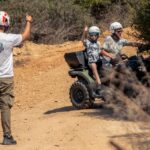
Then you start climbing using dirt roads. You pass through the gorge of Ebassas, and the views shift from village details to big mountain angles and wild terrain.
At a short stop, your guide collects local herbs—oregano, thyme, and sage—using the way Cretans used to do it. This is one of those “small” moments that sticks, because you connect the plant to the flavor later when you cook.
A small caution: dirt roads mean bumps. If you’re sensitive to motion, a quick motion-sickness plan can save your day.
Stop 4: Windmills of Lasithi Plateau and the White Sails Story
At the Windmills of Lasithi Plateau, you see stone structures fitted with white sails that used wind power to draw water for irrigation. In its heyday, Lasithi Plateau had over 10,000 windmills, which gives you scale even if you’re only seeing a fraction today.
This stop is brief, but it’s one of the best payoff-to-time moments on the day. It’s scenic, it’s easy to understand, and it ties directly to how the plateau was farmed.
If you love practical history—how people solved water and food—you’ll enjoy this section a lot.
Stop 5: Pinakiano Cooking Class (You Cook, Then You Eat the Evidence)
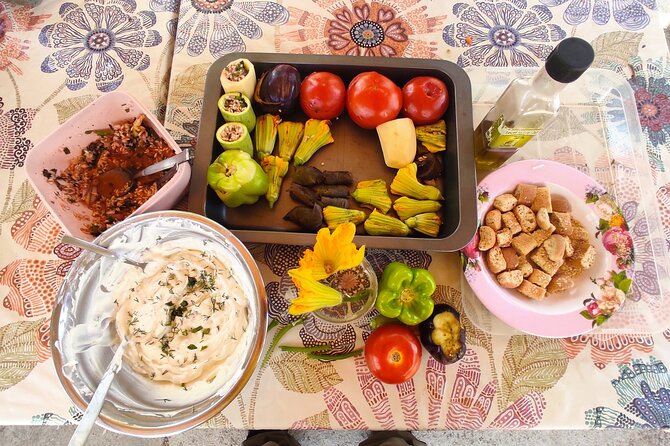
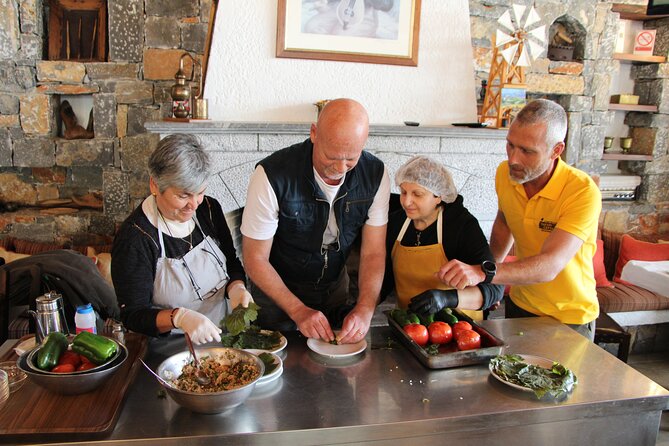
Now you get to the heart of why this tour is more than a ride. In Pinakiano, local professionals lead cooking classes using pure ingredients and local products. You’ll prepare Cretan dishes, then taste what your hands made.
The key value here is learning how flavors connect: herbs collected earlier, local products used in the recipes, and the way meals are built around what’s available.
This is also a great equalizer for groups. Whether you’re a confident home cook or a complete beginner, you get structure and guidance—plus the reward is immediate: you eat your results.
Stop 6: Psychro Pottery Workshop and Making Your Own Ceramics
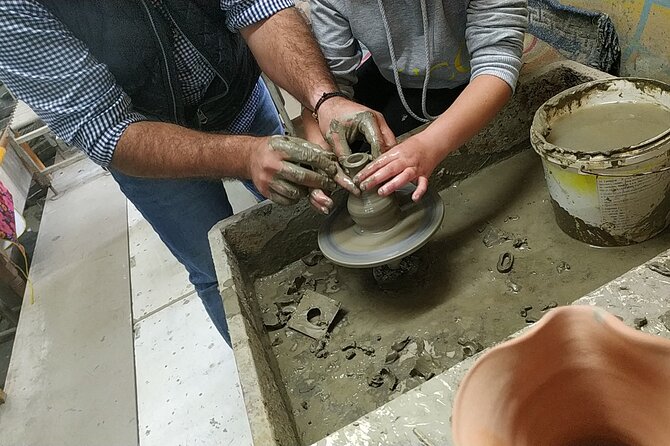
At Psychro, the tour includes a pottery workshop for the secrets of ceramic art—and you participate in making your own ceramics. This is another hands-on stop, and it helps balance the day between food and craft.
I like that this isn’t just a viewing or a quick demo. If you’ve ever wanted a souvenir that isn’t mass-made, this kind of item is the type you can actually feel.
Timing is short (about 30 minutes), so set expectations accordingly. You’ll learn and make something, but it’s not a multi-day artisan residency.
Stop 7: Plati Plateau Walk and a Local Cafeteria Break
Plati is about contact with the plateau’s inhabitants and a tour of the area. You’ll stop at a local cafeteria for optional coffee or a walk on the allies of the old village.
This segment is a nice pause. After climbing, cooking, and pottery, you get to reset and watch village life without a checklist.
If you’re photographing, this is also a good time to step away from the group for a minute (as long as you stay aware of the return meeting time).
Stop 8–9: Krasi Wood-Oven Lunch, Wine, and the Ancient Plane Tree
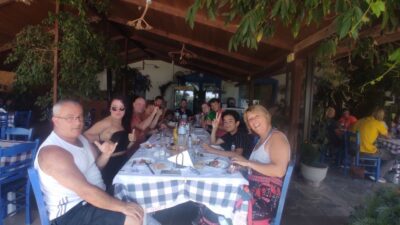
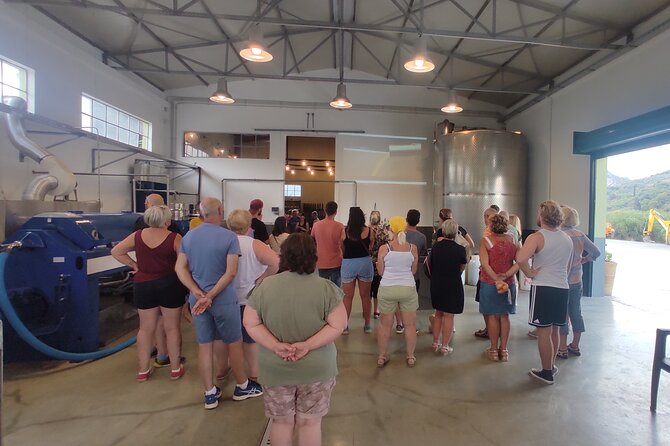
Krasi is where the day turns comfortable and celebratory. You’ll enjoy food baked in a wood oven at a traditional restaurant. Lunch includes wine and water, which makes this a real included meal—not a “snack stop.”
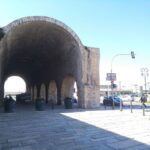
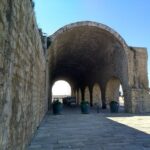
Then the day continues with a visit to a monumental plane tree in Krasi. Its square is dominated by an 18th-century aqueduct, and the plane tree is said to be over 2000 years old. It’s one of those moments where you feel the age of the place in your bones.
If you care about local food culture, this section is a highlight. It’s also a good time to ask your guide questions while everything is calm.
One practical note: lunch with wine is included, but drink responsibly if you’re doing more driving afterward. And if you’re not a wine person, you still get water included.
Stop 10: Malia Olive Oil Mill and a Taste of Export Oil
The day ends with an olive oil mill experience in Malia. You learn how olive oil is exported and you get a small taste test afterward.
Even if you think you already know olive oil, this stop helps connect the dots between grove production, processing, and what ends up in international markets. It turns a bottle on a shelf into a chain of work.
This final taste makes a strong last impression—especially if your earlier stops already built a theme of farms and food traditions.
The Human Factor: Guides Like Mario, Giannis, Nikos, and Others Make It Work
A jeep safari can go two ways: either it’s a route with explanations, or it’s a day with real energy. From what’s consistently praised, the best part is how the guides keep things moving and make the information stick.
Names that come up again and again include Mario, Giannis, Nikos, and Vagelis, with guides like Ilias and Yasser also credited for turning stops into an education you actually enjoy. People also mention drivers like Dimitri and Nico sharing the workload in an engaging way, and the tours being in English with frequent explanations.
For you, that means you won’t feel like you’re just herded from one location to the next. Even short stops come with context, plant notes, and story connections—like herbs today leading to cooking flavors later.
Who This Tour Fits Best (And Who Might Want to Choose Another Style)
This tour is a strong fit for you if:
- you want more rural Crete and less famous-historic-hopping
- you like hands-on experiences, especially cooking and ceramics
- you’re happy with a full day and some driving on dirt roads
- you enjoy learning from locals and seeing how products are made
It may not be ideal if:
- you have serious medical conditions (it’s not recommended for travelers with serious medical issues)
- you dislike long days or motion on rougher tracks
- you prefer a relaxed, slower itinerary with minimal stops
For families, it can work well because the activities are varied and interactive. And the operator can provide child seats if you request them when booking.
Should You Book This Jeep Safari With Cooking Lesson?
I’d book this if you’re the type of traveler who remembers experiences, not just scenery. The combination of rural village work (goats, cheese, flour), a cooking class, pottery making, and an included wood-oven lunch with wine is rare for a single day at this price.
If you’re worried about crowds, you’ll appreciate that the day is designed around local places and smaller moments. And if you want a souvenir that feels personal, the pottery class is one of the best uses of your time.
Go in with the right expectation: it’s an action-packed 8–9 hours, with bumps on dirt roads and frequent movement between stops. Pack for comfort, drink water, and let the day be busy. If you do that, you’re set up for exactly the kind of Crete story you’ll keep telling.
FAQ
How long is the full-day Jeep Safari tour?
It runs about 8 to 9 hours.
What’s included in the price?
The tour includes lunch with wine and water, pickup and drop-off (from many Heraklion-area locations), 4WD transport and fuel, an experienced driver/guide, a cooking class, and a pottery class.
Do you get pickup from Heraklion and nearby areas?
Pickup is offered from wider areas of Heraklion and several nearby towns and villages, with pickup times between 7:45 am and 9:30 am. For other locations, you’ll be given a meeting point.
What activities are part of the day besides the drive?
You’ll visit a traditional mitato to see cheese-making and flour-making, collect herbs in the mountain area, take a cooking class, and take part in a pottery workshop where you create your own ceramics.
What should I bring for the tour?
Bring walking shoes, sunscreen, a hat, sunglasses, and a jacket, plus water.
Is this tour weather-dependent?
Yes. The experience requires good weather, and if it’s canceled due to poor weather you’ll be offered a different date or a full refund.