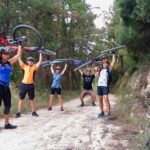
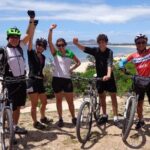
E-bike cycling out of Rethymno is the easy part; the real treat is what waits in the Myli Gorge. You’ll mix hilltop monastery stops, a walk through the gorge, and a lunch that tastes like you found a friend in the village.
What I really liked: the route is varied, so the day doesn’t turn into one long road grind. And with a small group (up to 10), your guide can slow down for stories at spots like Panagia Halevi.
One consideration: this is not for you if you can’t comfortably ride a bike, since the route includes uphill stretches even with e-bike help.
In This Review
- Quick hits worth planning for
- The e-bike plus the gorge is a smart combo from Rethymno
- Halevi Monastery: Panagia Halevi and the flame-shaped windows
- Chromonastiri and Vila Clodio: history lessons without boredom
- Myli Gorge: a short hike with coffee time and an abandoned village
- Roussospiti lunch: Cretan taverna comfort food at village pace
- Agia Irini Monastery: meeting the nuns and hearing the story in person
- Meet your guide: the difference between seeing places and understanding them
- What’s included (and what you’ll pay separately)
- E-bike comfort and effort level: how hard is it, really?
- Price and value: is $79 fair for a 6-hour guided day?
- Who this tour suits best (and who should skip it)
- Should you book the e-Bike Guided Tour to Myli Gorge?
- FAQ
- How long is the e-bike guided tour to Myli Gorge?
- Is lunch included?
- What should I bring?
- Do I need to be an experienced cyclist?
- Is the museum entrance fee included?
- Where does the tour start and end?
Quick hits worth planning for
- Panagia Halevi: church windows shaped like flames, plus a calm garden setting
- Vila Clodio / Military Museum: history stop that breaks up the scenery
- Myli Gorge hike: a short walk with coffee/free time and chances to notice local plants
- Roussospiti lunch: family taverna meal with Cretan dishes, including veg/vegan options on request
- Agia Irini Monastery: a chance to meet the nuns and hear the place’s story
- E-bike support: steep bits feel manageable since the bike helps with “minimum effort” riding
The e-bike plus the gorge is a smart combo from Rethymno
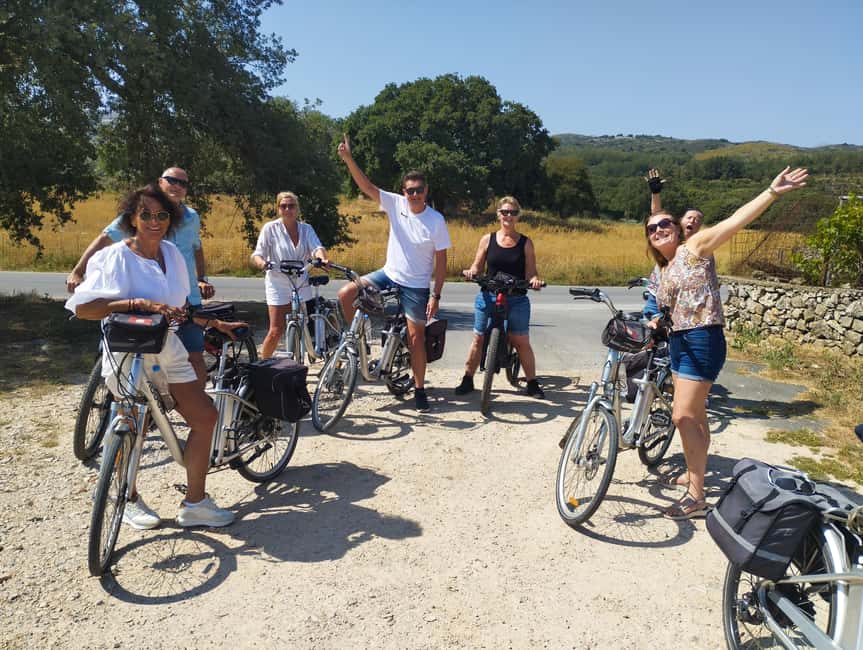
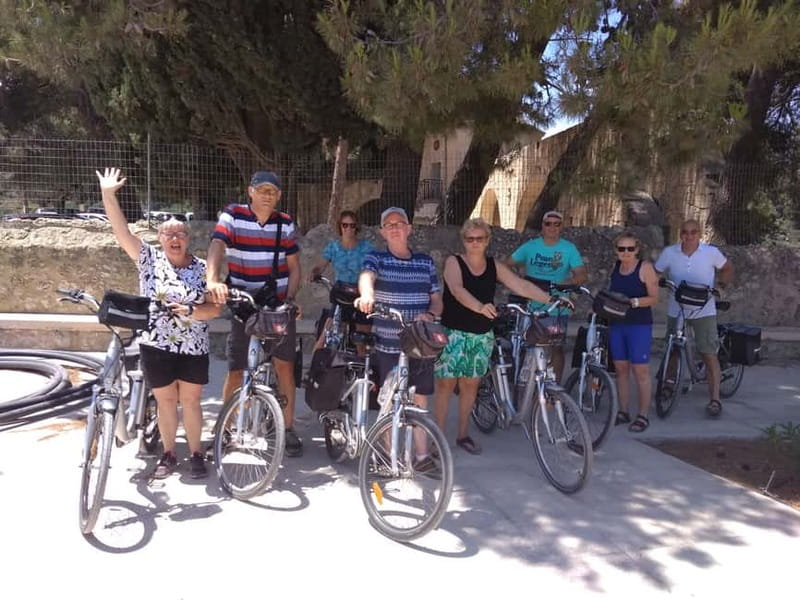
This is the kind of day trip that works for people who want fresh air and real Cretan countryside, without needing to train for months first. The e-bike takes the edge off the uphill climbs, so you can focus on views, not gasping. You still get movement, wind, and that great feeling of being out in the hills instead of stuck in town.
The timing is built for variety too. In about 6 hours, you’ll go from monastery gardens to a museum stop, then into a gorge area for walking and a bit of free time, before finishing with another religious site and a calmer return ride.
You can also read our reviews of more cycling tours in Crete

Halevi Monastery: Panagia Halevi and the flame-shaped windows
Your day starts around eBikes Rethymno, then heads uphill through olive groves and countryside roads. That early climb matters. It warms you up for the route, and it helps you earn the panoramic views later when the elevation opens up over Rethymno and the Mediterranean coast.
The first big stop is Halevi Monastery, also associated with the church of Panagia Halevi. The standout detail here is the church windows shaped like flames—small, specific, and easy to remember once you see them. You’ll also have a moment to take in the monastery area and its garden, which gives this stop a quieter, more reflective mood than the ride itself.
There’s also a “new-and-old” feel. The monastery building ruin near the church was recently renovated, so you’re seeing layers of change rather than only decay.
Practical tip: bring sunglasses and sunscreen. Monastery stops are shaded in places, but the ride and some walking are open to the sun.
Chromonastiri and Vila Clodio: history lessons without boredom
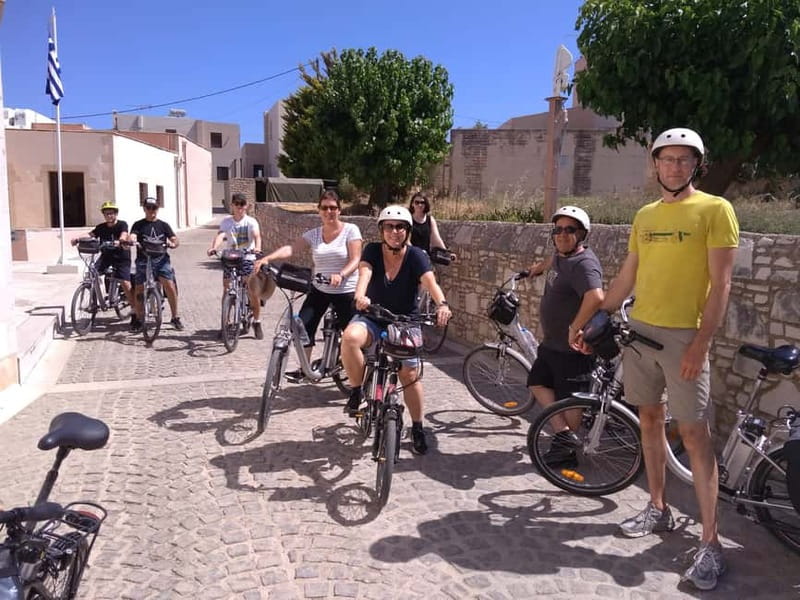
After the monastery garden break, the tour shifts gears toward Chromonastiri and the Vila Clodio site, where the military museum is housed. This is a welcome change if you’re the kind of person who gets antsy when every stop is the same type of scenery.
The museum stop gives context to the region you’re riding through—why places look the way they do, and how “ordinary” villages connect to larger stories. The day stays balanced because this visit sits between the hilltop monastery views and the more natural setting of the Myli Gorge.
A key logistics point: the museum entrance fee isn’t included. If you’re trying to keep the day’s budget tight, plan to pay this directly on arrival.
Myli Gorge: a short hike with coffee time and an abandoned village
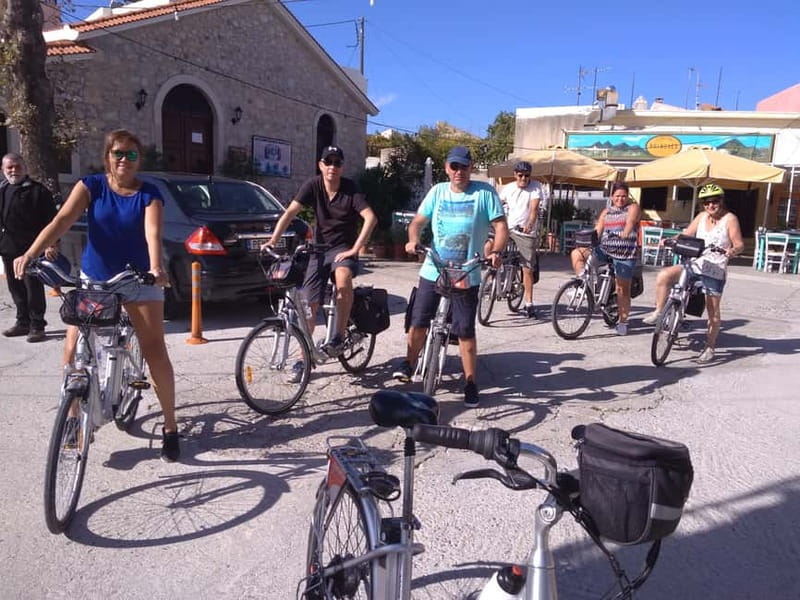
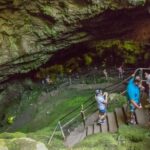
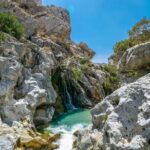
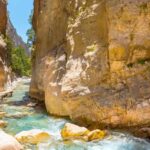
Once you reach the Myli Gorge area, the tour becomes more about walking than riding. You’ll set out on a short hike through a gorge environment with diverse flora and fauna. It’s not a marathon; it’s a chance to slow down, look closely, and feel the cool shift that often comes with gorge terrain.
There’s also a coffee stop and free time built into this part of the day. That matters because gorge walks are easiest when you don’t rush them. You can take a moment, grab a drink (coffee is not included, but it’s offered), and then continue at a comfortable pace.
The best “memory maker” here is the visit to the abandoned village of Myli, including the watermills. It’s the kind of place where you can almost picture daily life: stones worn by use, old structures, and water features that explain how people once worked the land here.
If you’re prone to overpacking, now’s the time to be sensible. Bring what you need for sun and comfort, but keep your hands free so you can enjoy stops rather than juggle your bag.
Roussospiti lunch: Cretan taverna comfort food at village pace
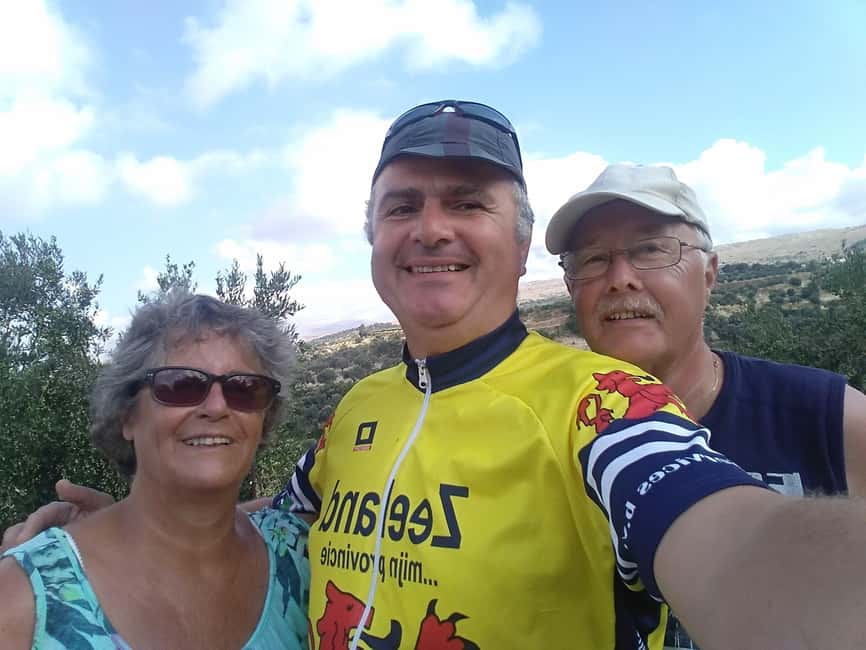
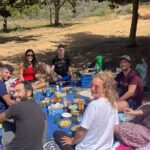
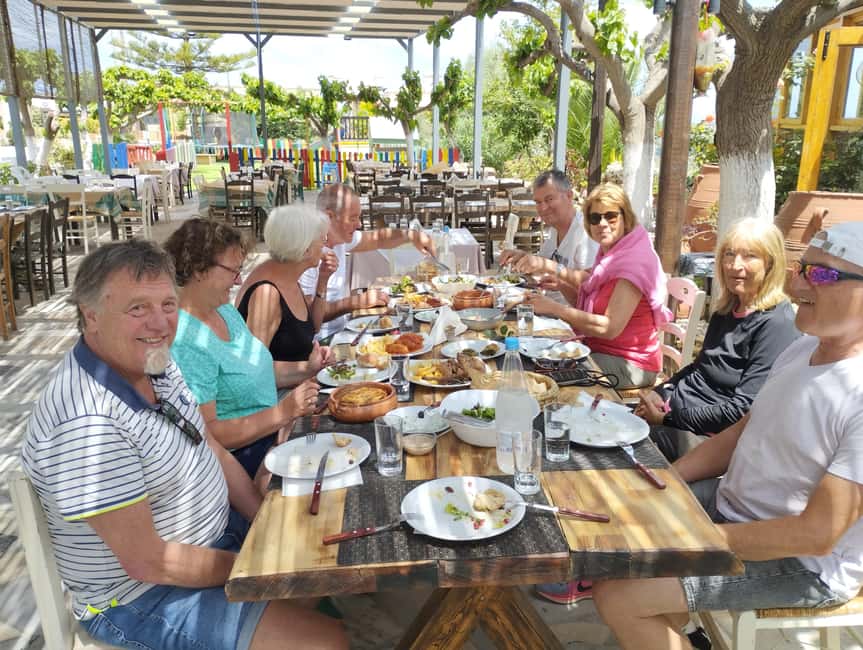
The mid-day break lands in Roussospiti, where lunch is at a family-run taverna. This is one of the tour’s strongest value points. In just one meal, you get a full spread of traditional Cretan dishes (and yes, there’s usually a lot more variety than you’ll find at a quick grab-and-go place).
Lunch is included, along with a bottle of water. Coffee and other drinks aren’t included, so if you want a second cup, you’ll pay for it separately.
Diet notes that actually help: one set of feedback mentioned vegetarian and vegan options being available at the taverna, though it can be best to note dietary needs when booking so you don’t hope for the best at the last second.
What I like about this lunch stop is the mood. You’re off the bike. You can sit. You can talk to your guide. And you can watch how village life continues around you instead of treating everything like a checklist.
You can also read our reviews of more guided tours in Crete
Agia Irini Monastery: meeting the nuns and hearing the story in person
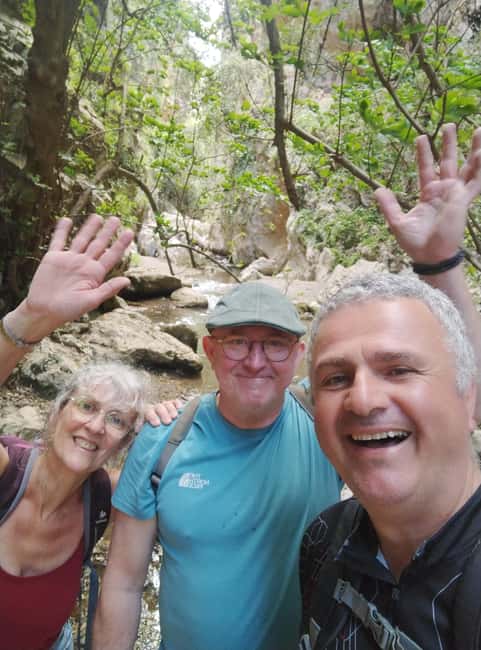
After lunch, you ride to Agia Irini Monastery. This part of the day turns quieter again, and it’s a nice rhythm: action (riding), nature (gorge hike), food (village taverna), then a reflective stop.
One of the most meaningful pieces here is that you’ll talk to the nuns and learn more about the history of the place. That’s where the tour feels more human. You’re not just looking at buildings; you’re hearing how people understand and preserve the site today.
The location also tends to give you big views. Even without chasing a perfect photo angle, you’ll feel the height of the setting when you look back toward the coast.
Meet your guide: the difference between seeing places and understanding them
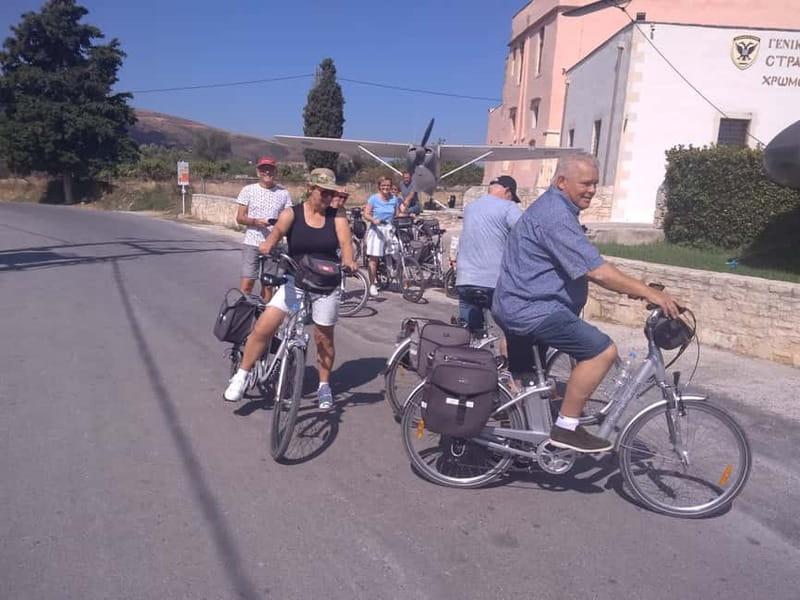
A big part of why this day works is the way the guide runs it. In feedback, guides are often described as energetic, flexible, and ready to adjust when weather changes.
You may hear guides called Michalis (and in some accounts the same person is also called Mike). On at least one occasion, a host named Lena was part of the team. The theme across comments is consistent: you get guidance that makes the stops connect, from monasteries to olive-country roads to the stories behind the museum and gorge ruins.
If you want this tour to be more than scenery, ask questions at the stops—not while you’re pedaling. Save your curiosity for the points where you can stand, listen, and soak it in.
What’s included (and what you’ll pay separately)
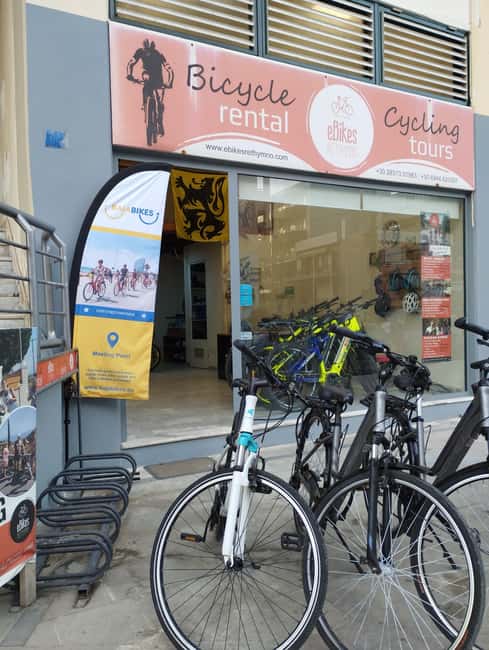
Included items make the day smoother. You get an English-speaking local guide, helmet, bottle of water, and third-party insurance for each rider. Lunch at a local taverna is included, with a variety of Cretan dishes.
Not included:
- Museum entrance fee (at the military museum stop)
- Coffee and drinks (coffee can appear around the gorge/free-time portion, but it’s not included)
That add-up matters for value. The tour cost feels easier to justify if you think of it as: guided e-bike cycling + multiple guided stops + lunch, with only a couple of optional extras.
E-bike comfort and effort level: how hard is it, really?
You’ll ride through olive groves and uphill sections, but the e-bike is there for a reason. The bike helps you cycle with minimum effort, which is a big deal on a route like this where you want to enjoy the ride instead of fighting it.
Still, this isn’t a sit-and-snap-photos experience. You must be able to ride a bike comfortably. There are also clear height and weight limits: not suitable for people under 4 ft 9 in (150 cm) or over 220 lbs (100 kg), and it isn’t suitable for people with mobility impairments.
If you’re on the fence because you’re not a strong cyclist, consider this: the point is to help you manage the uphill, not to remove the need to pedal entirely. You should feel confident handling turns, stops, and occasional uneven road edges.
Price and value: is $79 fair for a 6-hour guided day?
At $79 per person for a roughly 6-hour small-group tour, you’re paying for convenience and local context. You’re not just renting an e-bike and choosing your own stops. You’re getting a plan that strings together monastery viewpoints, a museum visit, a gorge walk, and a proper lunch.
Value is also about pacing. Since the group is limited to 10 participants, you’re more likely to get time at each stop and fewer “keep moving” interruptions. The lunch being included is a real savings too, especially in areas where a decent meal plus drinks can quietly climb.
The separate museum fee is the main predictable extra. If you budget for that and skip buying lots of extra drinks, the rest of the day is well covered.
Who this tour suits best (and who should skip it)
This tour is a great fit if you want:
- a small-group day outdoors with a real guide
- e-bike help for hills around Rethymno
- a mix of nature + monasteries + history + village lunch
It’s not a great fit if:
- you can’t ride a bike (required)
- you fall outside the height/weight limits listed above
- you need mobility accommodations
If you’re traveling as a couple or small group, this also works well because the pace lets you chat and enjoy stops without feeling herded.
Should you book the e-Bike Guided Tour to Myli Gorge?
I’d book it if you want a day that feels like Crete, not just a drive. The combination of e-bike countryside, the Myli Gorge hike, the abandoned Myli watermills, and lunch in a village taverna is a strong mix for one ticket. Add the monastery time at Panagia Halevi and Agia Irini, plus the Vila Clodio museum stop, and the day becomes more than “pretty views.”
Book it with a practical mindset: wear good shoes, protect yourself from the sun, and carry some cash in case you want to cover the museum entrance and any coffee/drinks.
If you want, tell me your travel dates and your cycling comfort level (first time on an e-bike vs. regular rider), and I can help you decide whether this route feels right.
FAQ
How long is the e-bike guided tour to Myli Gorge?
The tour lasts about 6 hours, and starting times vary by availability.
Is lunch included?
Yes. Lunch is included at a local taverna with a variety of traditional Cretan dishes.
What should I bring?
Wear comfortable shoes and bring sunglasses, a sun hat, sunscreen, and cash. A helmet and water are provided.
Do I need to be an experienced cyclist?
No special cycling experience is required, but the tour is not suitable for people who can’t ride a bike. The e-bike helps with uphill effort, but you still need to ride.
Is the museum entrance fee included?
No. The entrance fee at the military museum is not included.
Where does the tour start and end?
The tour starts at Panepistimiou 1, Rethymno 741 00, Greece, and it ends back at the meeting point.