Olives, wine, and raki—served with real Cretan stories. I love how this day blends a hands-on olive mill visit with proper tasting time, not just a quick stop and run. You also get premium SUV transport with pickup and return, so you spend less energy figuring out roads and more time paying attention to flavors.
The other big win for me is the pair-two-spirit approach: a guided walk through Cretan production and then raki tastings, paired with a light lunch that actually tastes like Crete. The one thing to consider is that alcohol tastings are a central part of the schedule, so if you prefer a very low-key day, go in with a slower pace and plan for water.
In This Review
- Key stops that make this tour worth your time
- Skalani olive grove and olive mill: where Crete tastes like Crete
- Premium SUV pickup and village driving: less logistics, more flavor time
- Stironas raki distillery and local snacks: the spirit tour with real comparisons
- Archanes visit and winery lunch: indigenous wine with a stomach-friendly finish
- How to get the most from the tastings (without turning it into a blur)
- Guides and hosts make or break a food tour
- Price and value: what $126 gets you in a 6.5-hour day
- Who should book this Crete olive, wine, and raki tour
- Who might want to adjust expectations
- Should you book? My take
- FAQ
- How long is the tour?
- What is the price?
- Do I get pickup and return to my accommodation?
- What kind of vehicle is used?
- Is there a live guide, and what language is it in?
- What tastings are included?
- Do I taste more than one raki?
- Is lunch included?
- What stops are part of the itinerary?
- What’s the cancellation and payment flexibility?
Key stops that make this tour worth your time
- Skalani olive grove and olive mill: see the traditional side and taste the result
- Olive oil tasting: learn what makes a great oil taste sharp, grassy, and clean
- Stironas raki distillery visit: guided spirits tour plus local snacks
- Rakokazano raki tastings: sample two different rakis for real comparison
- Archanes photo stop and guided visit: a Cretan village moment before lunch and tastings
- Wine tasting with indigenous focus: taste multiple pours centered on local grape varieties
Skalani olive grove and olive mill: where Crete tastes like Crete
Your day starts in the Skalani area with a guided visit that goes beyond looking at trees. You get a proper feel for how the olive grove works, then move into the olive mill where you can connect the dots between the farm and what ends up in your glass—or, in this case, in your small tasting cup.
This is one of those experiences that clicks because it’s practical. You see the production side and you hear the logic behind it, which matters with olive oil. Aroma and flavor don’t happen by accident; they come from when olives are processed and how they’re handled. You’ll also get an olive oil tasting, which is the part most people remember after the walking fades.
What I like most is the pacing. You’re not rushing through a factory-type tour. Instead, the guide’s explanations are tied to what you can smell and taste right there on site. It’s also a great fit if you’ve never cared about oil before. After tasting a few samples side by side, you start noticing differences fast.
One practical note: olive oil tastings are short but intense. If you’re sensitive to strong flavors, take sips of water between tastes and don’t feel rushed to decide instantly.
You can also read our reviews of more wine tours in Heraklion



Premium SUV pickup and village driving: less logistics, more flavor time
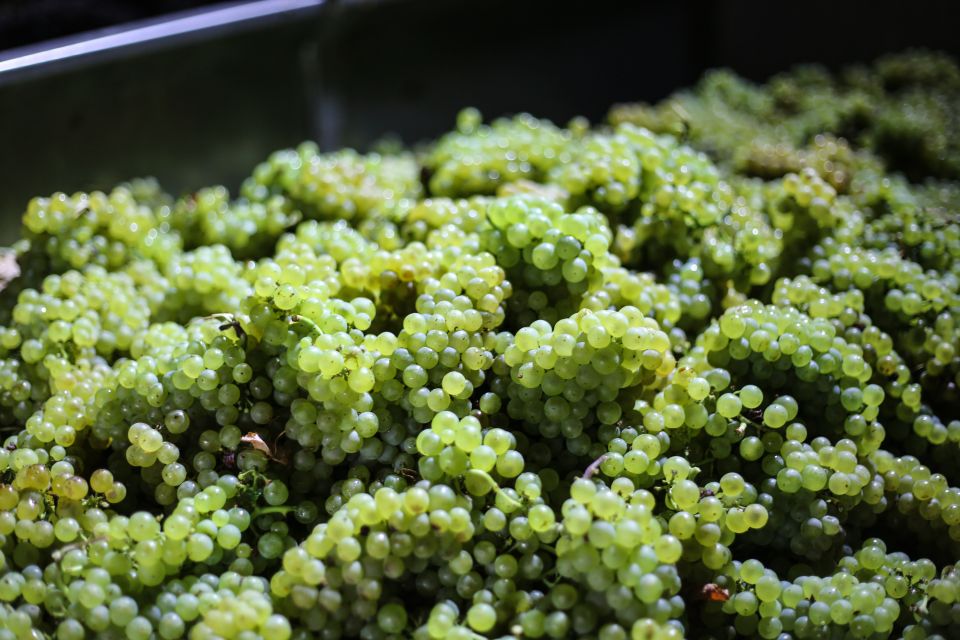
A lot of food tours sound good on paper. The difference here is that the transport is handled for you. You get pickup and return to your accommodation, and you ride in a premium SUV or minivan. That matters more than you’d think—Crete’s roads can be slow, and a comfort-focused ride lets you arrive with energy instead of a headache.
In a day like this, the driving time isn’t wasted. You’re moving between places that are connected by production, not by tourist convenience. You also travel through local villages, which gives the day a real rhythm: one stop that teaches you the craft, then the next stop where you taste the payoff.
If you hate being stuck on a schedule where you’re always late or always searching for the next address, this kind of setup is a relief. It’s especially useful if you’re traveling without a rental car or you’re doing a quick trip and don’t want to burn half your vacation dealing with navigation.
Stironas raki distillery and local snacks: the spirit tour with real comparisons
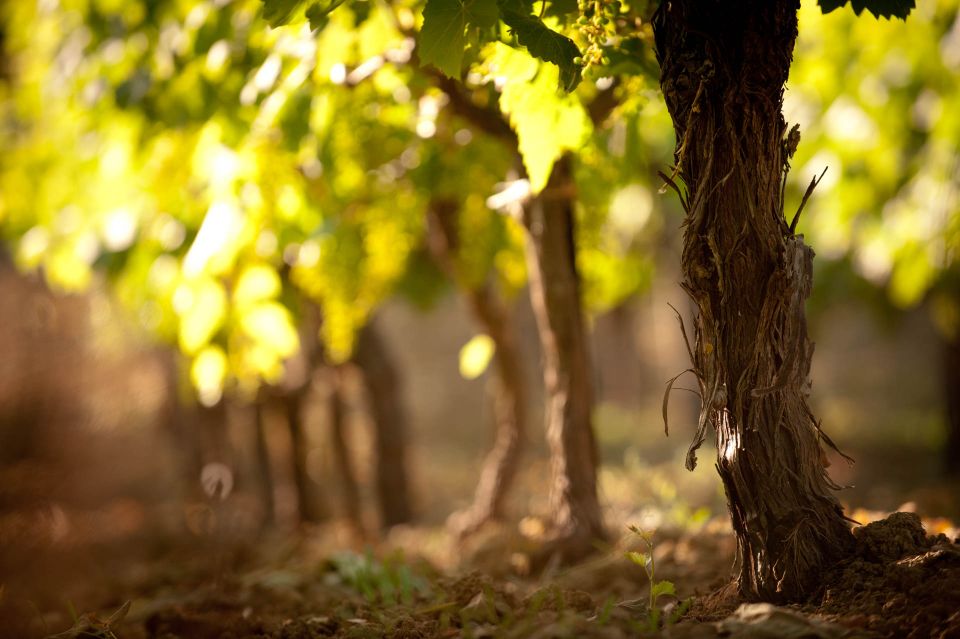
Raki is one of those drinks people either love immediately or treat like something they tolerate. This tour is set up to help you understand why it has so many fans.
In the Stironas stop, you’ll join a guided spirits visit, and you’ll also get local snacks. Then the day centers on a distillery experience in the Rakokazano setting. That Rakokazano part matters, because it frames the tasting properly: you’re not just drinking. You’re seeing how the product is made and how it ends up on a tasting line.
The highlight that gets the attention is the tasting structure. You’ll savor two different rakis, which gives you an actual comparison instead of one round that blurs together. That’s one of the reasons I like this style of tour. When you taste two related spirits back-to-back, you notice differences in aroma and finish right away—smoke notes, sweetness level, and how warm the spirit feels at the back of your throat.
One thing to keep in mind: raki tastings are still tastings, and tastings add up in a 6.5-hour day. If you don’t drink often, slow down with each pour and use water between samples. You’ll enjoy it more, and you’ll remember more, too.
Also, check how you feel about spirits before committing. This isn’t a museum-only day—it’s a production-to-tasting day, and raki is part of the main storyline.
Archanes visit and winery lunch: indigenous wine with a stomach-friendly finish
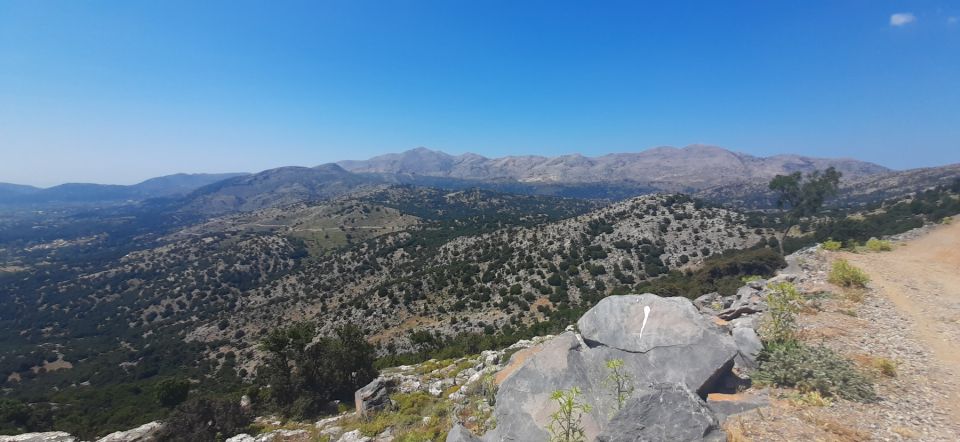
After the raki-focused stop, you shift into the winery side. You get an Archanes photo stop and a guided visit in that area, which gives you a more rounded feel for the island beyond olives and spirits.
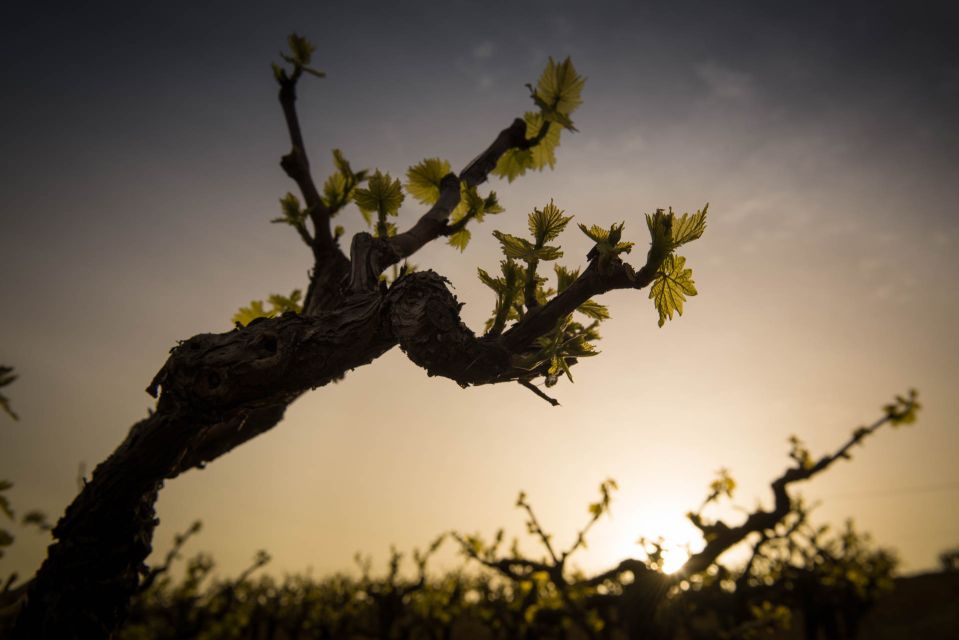
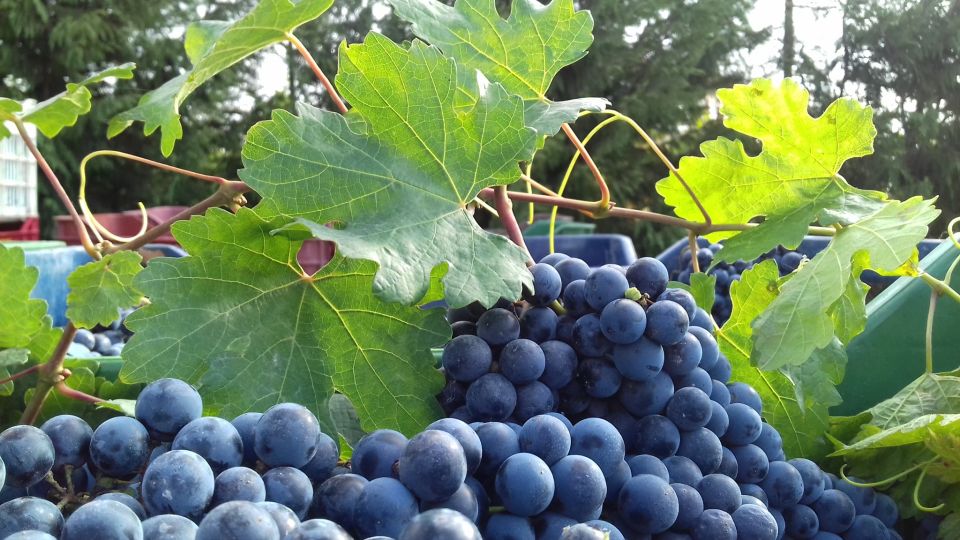
This is where the wine tasting fits in. You’ll do a guided winery tour and a guided wine tasting focused on three indigenous Cretan varieties. The goal isn’t to overwhelm you with wine trivia. It’s to help you taste like you’re learning something, not just collecting sips.
In practical terms, the tasting is structured enough that you can participate. You’ll be shown how to approach the wine—how to notice aroma and how to taste without rushing. One review I saw highlighted how the tasting was interactive, including learning about swirling, smelling, and tasting. That kind of guided approach is great if you’ve ever sat through a tasting thinking, I don’t know what I’m supposed to be noticing.
Then there’s lunch: a light lunch included, and it’s not a sad afterthought. Multiple reviews praise it as fresh and generous, including a vegetarian Greek feast style. That’s a key value point for you. When you’re doing olive oil, wine, and raki in one day, a meal that doesn’t feel like airport food makes a real difference in how the rest of the tastings land.
For best comfort: wear something breathable and plan on taking your time. You’ll go from tasting intensity to actual food, and your body will thank you.
How to get the most from the tastings (without turning it into a blur)
If you want to walk away with real memories, use a simple system:
- For olive oil, smell first, then take a tiny sip. You’re looking for cleanliness and a sharp, olive-forward bite, not sweetness.
- For wine, take notes even if it’s just a few words like dry, floral, or bold. Indigenous varieties can taste different from what you might know from mainland grapes.
- For raki, pace yourself. Compare the two tastings in small steps, not big gulps.
Also, don’t underestimate hydration. Tastings are short, but they stack. Water between stops helps you stay present instead of slightly foggy.
If you’re buying anything later with your own money (personal expenses aren’t included), do it with a clear head. The best purchases are usually the ones you can still describe—so you’re not guessing the next morning.


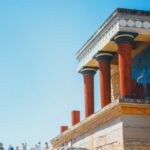



Guides and hosts make or break a food tour

The experience is guided in English, and that language access is a real plus if you want to ask questions and actually understand what you’re tasting. Reviews highlight guides and hosts who are friendly and attentive, with drivers like Angela, Tony, Arula, Helen, and Michael mentioned in different experiences. Winery and olive-farm hosts like Eleni, Alex, and even owner and oenologist Maria show up in reviews as well.
The practical takeaway: on a well-run tour like this, the guide doesn’t just read facts. They connect production to flavor. That’s how you end up caring about why a certain oil tastes peppery, why a certain wine feels balanced, or why one raki sample feels warmer and another feels sharper.
If you’re the type who likes to ask, this is a format that gives you room to do it. And if you’re more quiet, you can still enjoy the day because explanations are built into each stop, not stuck at the end.
Price and value: what $126 gets you in a 6.5-hour day
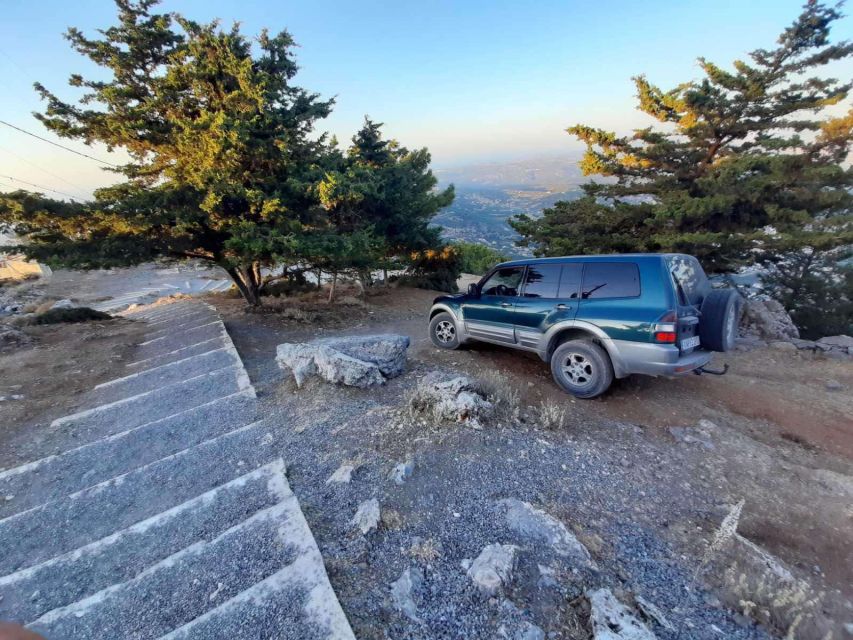
At $126 per person for about 6.5 hours, the value comes from packing together what’s usually expensive or annoying to arrange separately:
- Door-to-door pickup and return
- A premium SUV/minivan ride between multiple production sites
- Guided tours at the olive mill and distillery settings
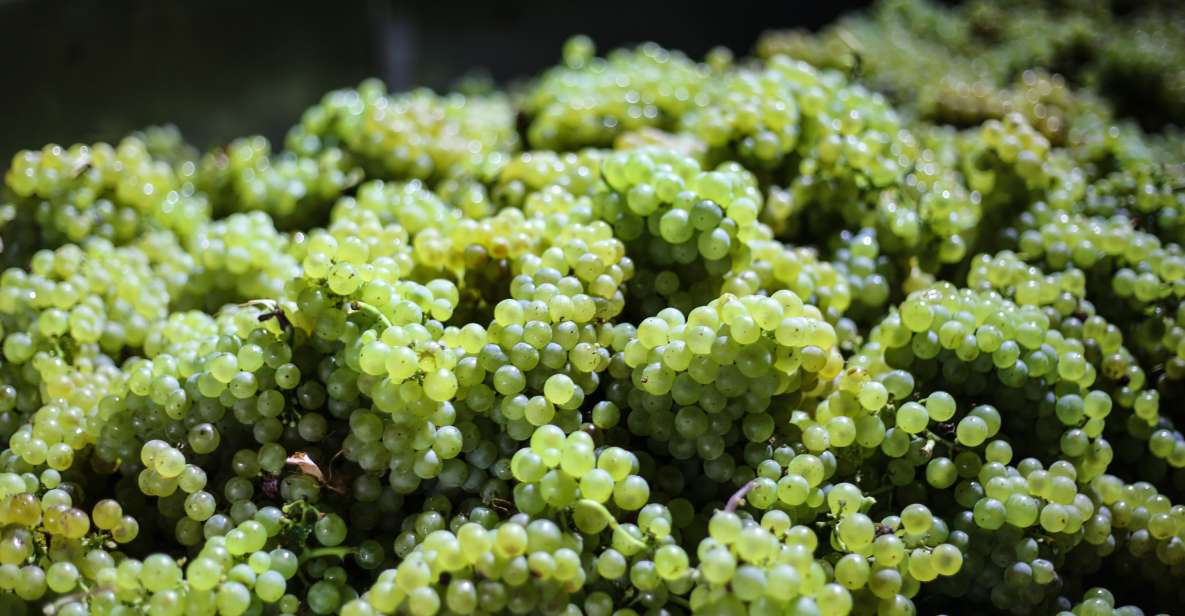
- Tastings: olive oil, indigenous-focused wine, and two raki tastings
- A light lunch included
If you tried to replicate this on your own, you’d pay for transportation and would still need to line up tours and tastings. Here, your time is organized, which is often the real cost on a trip.
You also get a tight, focused theme: olives, wine, and raki. That’s a good sign for value because the day has a clear point. You’re not jumping between unrelated stops that feel like filler.
Who should book this Crete olive, wine, and raki tour
This is a strong fit if you:
- Love food and drink that’s tied to where it comes from
- Want a guided experience without dealing with tickets, driving, or scheduling
- Enjoy tastings where you can compare samples, not just take one sip
- Prefer comfortable transport, especially if you’re traveling with family or want an easy day
It also works well for couples and small groups who want a relaxed flow. One nice detail from reviews: people appreciated guides and hosts being patient and good at handling small needs, like dietary preferences or family quirks. That’s the kind of care that makes a day feel human.
Who might want to adjust expectations
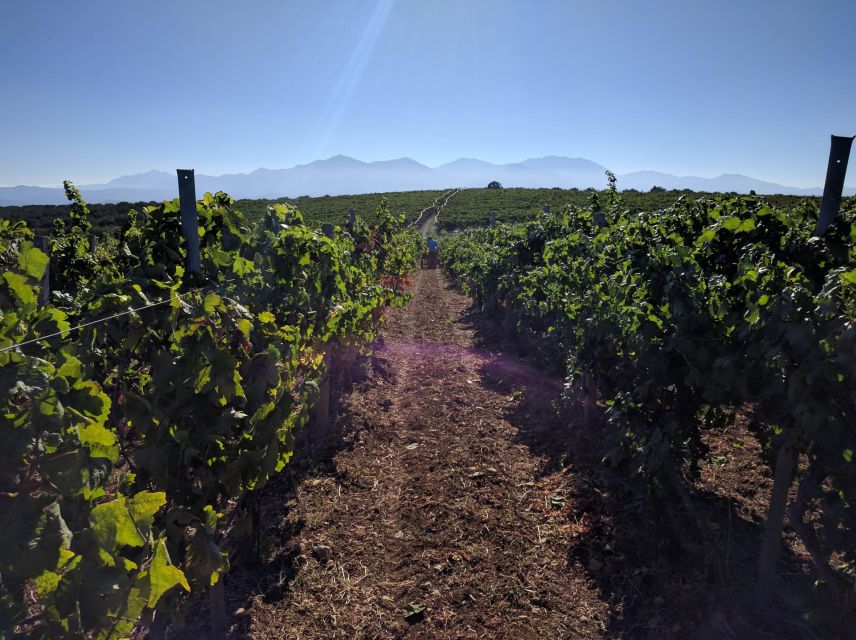
If you don’t drink alcohol, this might still be enjoyable for the olive oil side, but it may feel less satisfying because spirits and wine tastings are central to the structure.
Also, remember it’s a 6.5-hour outing with multiple guided stops. If you want a long, slow day with lots of independent wandering and zero schedule pressure, you might find this tour a bit structured.
Should you book? My take
I’d book this tour if your goal is a true taste of Cretan production—olive oil first, then indigenous wine, then raki with comparisons—while staying comfortable the whole day. The combination of guided visits and included tastings means you won’t end up doing the classic mistake of paying for transportation but getting little tasting time.
And if you’re worried about the day feeling repetitive, the tasting variety is the antidote: olives lead to wine, wine leads to spirits, and each stop is built to teach you what you’re tasting.
If you’re open to alcohol tastings and want an organized, authentic food experience without renting a car, this one is a solid choice.
FAQ
How long is the tour?
The duration is 6.5 hours.
What is the price?
The price is $126 per person.
Do I get pickup and return to my accommodation?
Yes. Pickup and return are included.
What kind of vehicle is used?
You travel in a premium SUV or minivan.
Is there a live guide, and what language is it in?
Yes, there is a live tour guide in English.
What tastings are included?
Olive oil tasting, guided wine tasting of three indigenous Cretan varieties, and raki tasting at the Rakokazano raki distillery are all included.
Do I taste more than one raki?
Yes. The experience includes tasting two different rakis.
Is lunch included?
Yes, a light lunch is included.
What stops are part of the itinerary?
The tour includes visits around Skalani, Stironas, and Archanes, with guided tours and a photo stop in Archanes.
What’s the cancellation and payment flexibility?
You can cancel up to 24 hours in advance for a full refund, and there is a reserve now & pay later option.