It smells like Greece before you even start. Sit on a rooftop in Heraklion as you learn traditional Cretan soap-making using local extra virgin olive oil, just like it was done for generations. I especially love how hands-on it is, and I also like that the process feels calm and safe with a biochemist instructor. One thing to consider: at 2 hours, you’re learning the method and making your bars, but you won’t get a super long, leisurely session to experiment endlessly.
You’ll work with olive oil produced locally without insecticides or fertilizers, and you can shape the soap to your taste—think color, perfume, and form. The workshop wraps practical craft skill into a relaxed cultural moment, plus you get tea with Cretan herbs and olive oil cookies along the way. The only drawback is simple: you’ll need to meet at the stated address (Michail Vlachou 27), so plan to get there on your own.
This is the kind of experience that feels like visiting someone’s kitchen, not buying a souvenir. And when you take the soap home, it’s ready the next day—so your memory gets used every time you shower.
In This Review
- Key highlights to know before you go
- Rooftop soap-making in Heraklion: what the experience really feels like
- The real lesson: traditional Cretan soap from extra virgin olive oil
- The 2-hour flow: what happens from Michail Vlachou 27 to the finished bars
- From scratch to finished bars: safety, hands-on work, and real technique
- Personalization without pressure: perfume, color, shape, and your own bar count
- The Crete touch: tea with herbs and cookies with olive oil
- Price and value: why $49 for 2 hours makes sense
- Who should book this workshop in Crete, and who might not
- Should you book this Heraklion Cretan soap workshop?
- FAQ
- How long is the Crete soap workshop?
- How much does it cost?
- Where does the workshop meet?
- Is the workshop taught in English?
- Do I need any experience with soap-making?
- What do I take home?
- What’s included in the price?
- How do I get there using public transport?
- FAQ
- What’s the group size?
- Is it refundable if my plans change?
- Can I reserve without paying right away?
- Is the process safe?
Key highlights to know before you go
- Small group (max 6) keeps the teaching personal and unhurried
- Local extra virgin olive oil (no insecticides or fertilizers) is part of the authenticity
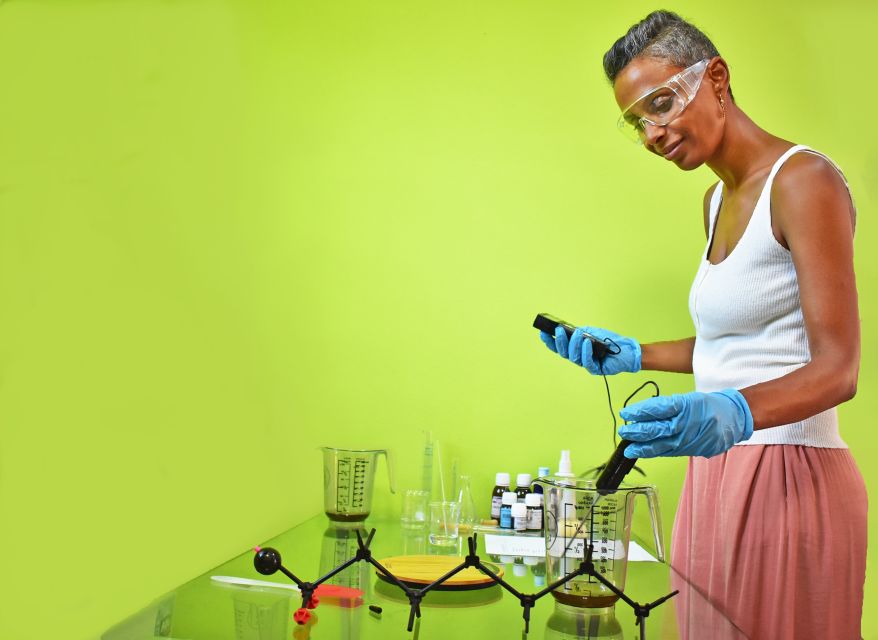
- Biochemist instructor guidance makes the chemistry feel clear and safe
- Rooftop setting in Heraklion with a short viewpoint break
- Personalize your soap with choices like scent, color, and shape
- Take-home result: your bars plus a step-by-step recipe for later at home
Rooftop soap-making in Heraklion: what the experience really feels like
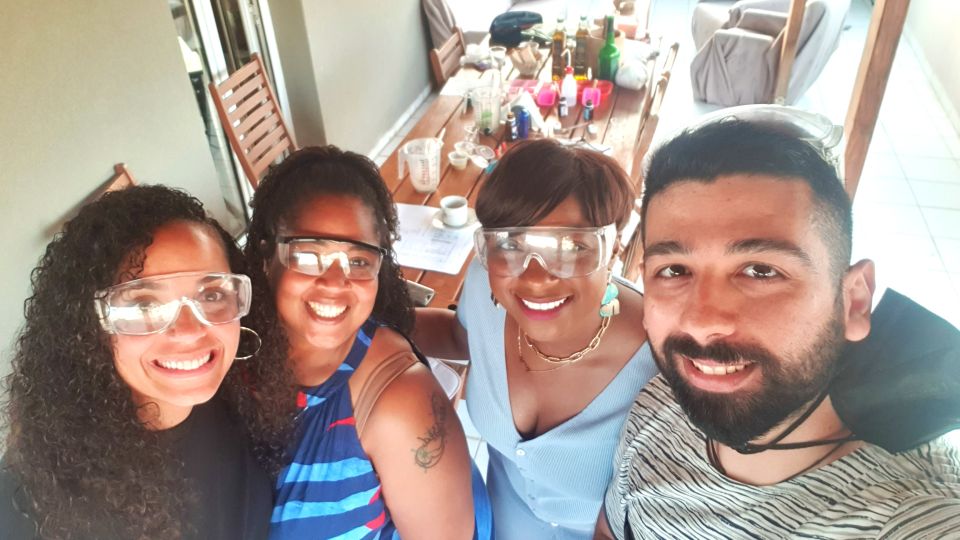
Heraklion has plenty of history on the street level. This workshop adds a different kind of immersion: the stuff that lived in everyday life. The setting is a rooftop at a local home, so you get that warm mix of sea-air feeling and quiet craft work. And yes, you’ll catch the scent of traditional Cretan products as you go. That smell matters here. It keeps reminding you that soap used to be more than a convenience—it was a practical household skill.
I like that the vibe is friendly and not stiff. The instructor, Grigorios Giakoumakis (often called Greg or Grigorios by folks in the group), runs things like someone who enjoys teaching. In the best workshops, you forget you’re learning. You’re just making, chatting, and asking questions. That’s exactly how this one lands.
There’s also a very practical angle: you’re not just watching someone else do the work. You use your hands to produce a product made with extra virgin olive oil. That turns the session into something you can repeat later—especially since you can take home a step-by-step recipe.
You can also read our reviews of more tours and experiences in Heraklion.


The real lesson: traditional Cretan soap from extra virgin olive oil
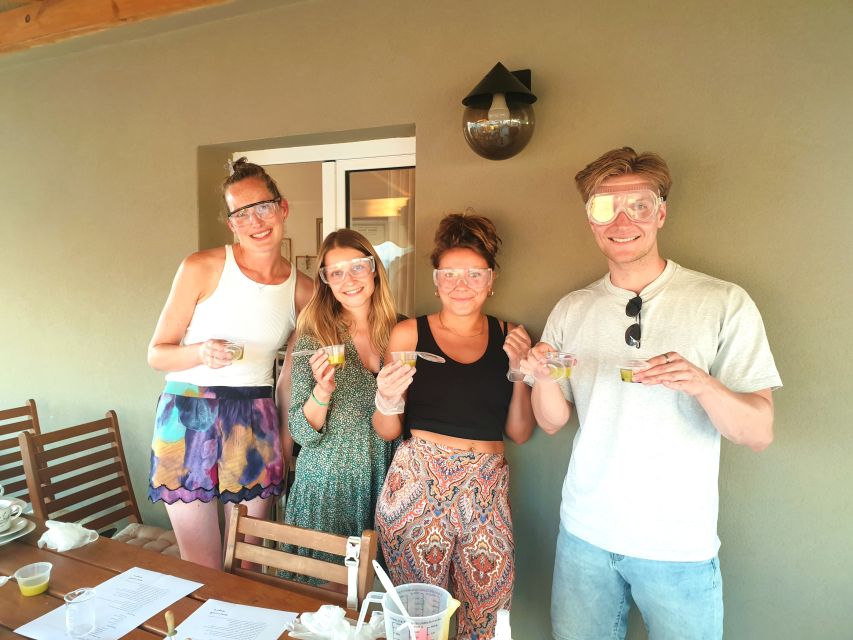
The heart of the workshop is simple and very Crete-specific: Cretans made their own homemade soap using extra virgin olive oil. In this class, that’s not a marketing buzzword. It’s the core ingredient and the point of the whole day.
A few details matter for anyone who cares about what goes into the final bar:
- The olive oil used is produced locally
- It’s described as made without insecticides or fertilizers
- The goal is to use only extra virgin olive oil to create what you’re making in the room
You’ll also hear how recipes were passed down through generations of the instructor’s family. That doesn’t mean you’re getting a “museum lesson.” It means you’re being taught how the process worked and how people adjusted it to fit their own preferences and routines.
Another thing I appreciate: the instructor’s background is in biochemistry, so the class doesn’t feel like guesswork. You’re learning a craft with real structure. That helps if you’re the type who worries about whether you’re doing it correctly. Here, the process is explained in a way that keeps things understandable.
And the best part is that you leave with something you can actually use. Soap is one of those rare souvenirs that doesn’t just sit on a shelf.
The 2-hour flow: what happens from Michail Vlachou 27 to the finished bars
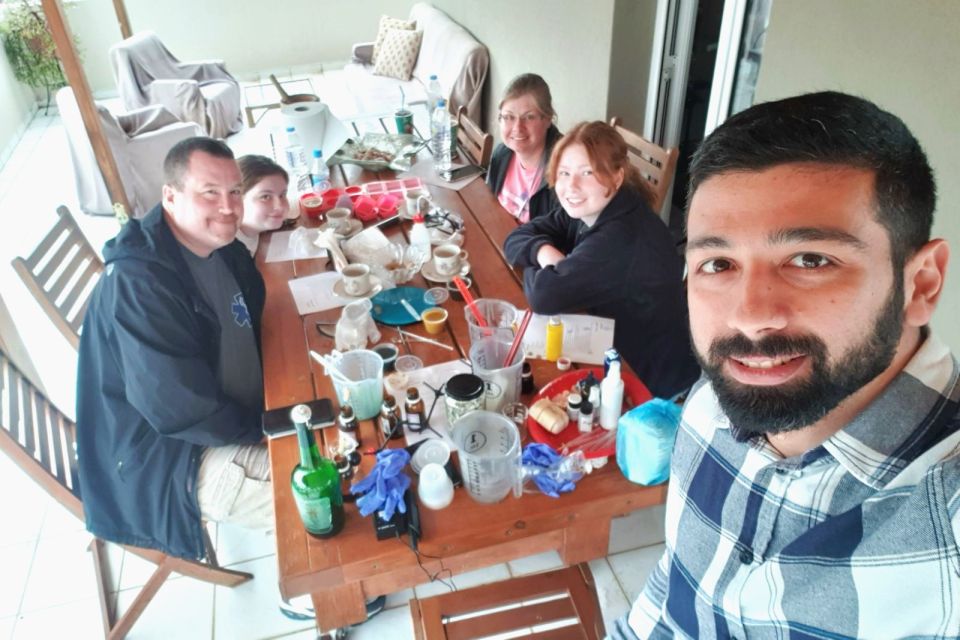
The workshop starts with you meeting at Michail Vlachou 27 in Heraklion. If you’re using public transport, the class information points to Bus No 4 (Mastampas) and getting off at the stop Ieroloxiton 76 Daskalaki. If you have your own car, that’s another straightforward option, since you just need to be there on time.
After you arrive, you get going with the soap-making process from scratch. The class is designed so you don’t need special knowledge. You’ll follow along with the guidance of the instructor and the teaching setup includes protective gear. That’s important because soap-making involves materials and steps that you should handle carefully—even if you’re just a “newbie.”
The session includes a short break—about 10 minutes—at a viewpoint along the way. It’s not a full sightseeing block, but it’s enough to reset your brain and enjoy the setting.
Back at the starting point, you complete the work and get ready for the best part: taking your soap home. You won’t have to wait weeks for your souvenir to be useful. Your bars are ready the next day, so they turn into a practical memory, not a project you forget about.
From scratch to finished bars: safety, hands-on work, and real technique
This workshop is very clear about safety. The process is described as completely safe, even for young children, and no specific prior knowledge is required. That matters because soap-making can sound intimidating before you see how it’s taught and managed.
You’ll work directly with the ingredients and the process to create your bars. Instead of being stuck with one standard result, you get a chance to adjust features to your preferences, including:
- Perfume choices
- Color
- Shape
You also get help from the biochemist instructor while producing the soap tailored to what you want. In practical terms, that means you won’t feel like you’re “doing it wrong” without support. The tone from the reviews matches this—people describe the teacher as kind and patient, and they highlight that you don’t need to be the kind of person who normally loves soap to enjoy it.
At the end, you take your soap with you, and you also get the recipe to take home. I love that combo because it gives you both the finished result and the method. If you ever want to recreate the process later, you have a real starting point.
Personalization without pressure: perfume, color, shape, and your own bar count
One of the most praised parts of the experience is that your soap is genuinely yours. You’re not leaving with a generic bar. You’ll be able to personalize it—again, with options like scent, color, and shape.
People who did the workshop report that you take home one big bar or two smaller bars of your own homemade soap, depending on how it’s set up for your group. Either way, you’ll be leaving with something substantial enough to matter.
This is also a good craft moment if you like creative choices but don’t want a full art-class time commitment. You can express preferences without needing to be an expert. And because the ingredients and the basic process stay within traditional bounds, your customization feels connected to the culture rather than random DIY decoration.



The Crete touch: tea with herbs and cookies with olive oil
A great workshop always includes the “in-between” moments, not just the main activity. Here, you’re treated to tea with Cretan herbs and traditional cookies with olive oil. That sounds small, but it changes the feel of the day.
It turns the session into more of a hangout with a purpose. You’re not racing from one step to another; you’re breaking rhythm in a way that matches local hospitality. The tea also pairs naturally with the scent of olive oil and soap chemistry. It keeps the experience grounded in everyday life, where food and drink are part of the work culture—not an add-on.
Price and value: why $49 for 2 hours makes sense
At $49 per person for a 2-hour workshop, this isn’t a “buy a photo” kind of activity. You’re paying for instruction, small-group attention, and the materials needed to make take-home soap.
Here’s how the value stacks up:
- You get a finished product you can use the next day
- You get the method via the step-by-step recipe
- You learn a skill that translates into at-home making (at least as a follow-up project)
- The group size is limited to 6, so it’s not a factory line
- The teaching is supported by a biochemist instructor, which helps explain what you’re doing
If you like practical souvenirs, this is one of the better types. Most vacation crafts end in a trinket. This ends in something that can live in your bathroom and remind you of a specific place and person.
And because it’s English-led, the value feels more direct: you can actually understand the process rather than just watching hands move.
Who should book this workshop in Crete, and who might not
This is a great match if you want an authentic, hands-on cultural experience that’s not locked into a museum pace. It also works well if you’re curious about everyday traditions and like learning through doing.
You’ll likely enjoy it if:
- You want something different from beaches and archaeological sites
- You enjoy craft experiences, even if you’re not a “soap person”
- You like small group interactions where questions get answered
- You want a take-home item that gets used
You might skip it if:
- You only want big outdoor sightseeing in your time window
- You dislike structured activities or prefer purely passive tours
That said, the format seems designed to keep things comfortable for a wide range of people, including families (the class is described as safe for young children).
Should you book this Heraklion Cretan soap workshop?
Yes, if your idea of a good travel day is learning something practical, taking home a real result, and enjoying the kind of hospitality that feels personal. The strongest reasons to book are the small group, the hands-on soap-making, and the fact that you leave with both soap and a recipe.
If you’re on a tight schedule, the 2-hour duration is also friendly. And if you care about ingredients, the emphasis on local extra virgin olive oil (without insecticides or fertilizers) makes the experience feel grounded rather than generic.
My final take: this is one of those activities where you come away thinking I can actually do this again. That makes it worth the money, and it makes the Crete memory last longer than a postcard.
FAQ
How long is the Crete soap workshop?
The workshop lasts 2 hours.
How much does it cost?
The price is listed as $49 per person.
Where does the workshop meet?
The meeting point is Michail Vlachou 27.
Is the workshop taught in English?
Yes, the instructor teaches in English.
Do I need any experience with soap-making?
No. The workshop says no specific knowledge is required.
What do I take home?
You take home your own traditional Cretan soap, and it’s said to be ready the next day. You also receive a step-by-step recipe to make soap at home.
What’s included in the price?
Included items are the soap workshop with a local, protective gear, tea with Cretan herbs, and traditional Cretan cookies with olive oil.
How do I get there using public transport?
You can use Bus No 4 (Mastampas) and get off at Bus-stop Ieroloxiton 76 Daskalaki.
FAQ
What’s the group size?
It’s a small group, limited to 6 participants.
Is it refundable if my plans change?
The activity lists free cancellation up to 24 hours in advance for a full refund.
Can I reserve without paying right away?
Yes. It offers Reserve now & pay later, so you can book and pay nothing today.
Is the process safe?
The workshop states the procedure is completely safe, even for young children.
If you want, tell me your travel dates and where you’re staying in/around Heraklion, and I’ll help you estimate the easiest timing to reach Michail Vlachou 27 without stress.