Windmills, caves, and Cretan stories in one day. This small-group Lasithi Plateau tour from Agios Nikolaos mixes village life with myth stops like Zeus Cave, and it starts you off with an included lunch plus bottled water to keep the day moving.
The main thing to plan for is the cave climb and heat; once you’re on the way up toward Psychro and the cave, expect some real effort, especially in warm weather.
In This Review
- Why Lasithi’s Village Circuit Feels Like a Real Day in Crete
- What You Get With the Small-Group Ride (and Why It Matters)
- Stop 1: Kritsa Village, Legends, and the Gorge-Village Mix
- Stop 2: Katharo Plateau at 1,250m and the Dwarf Hippopotamus Clue
- Stop 3: Lasithi Plateau Windmills and the Road to Psychro
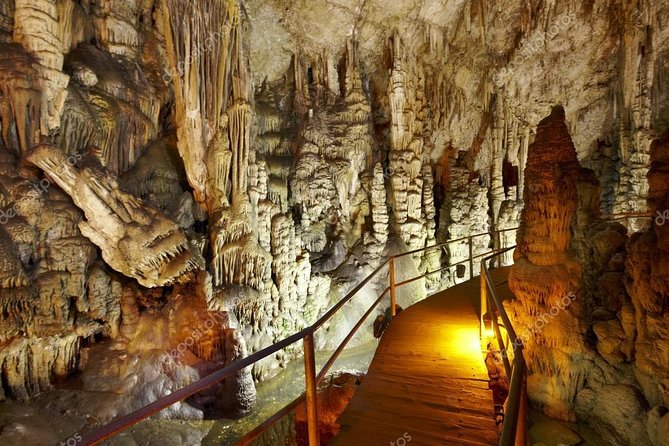
- Zeus Cave at Psychro: the Famous Myth Stop (and the Climb Reality)
- Stop 4: Krasi Plane Tree and the Nikos Kazantzakis Photo Moment
- Lunch, Water, and Pacing: How to Enjoy the Full 6 Hours
- Price and Value: What $106.65 Buys You Here
- The Main Downsides to Consider Before You Go
- Should You Book Lasithi Plateau Traditional Villages?
- FAQ
- What’s the starting location for this tour?
- How long is the Lasithi Plateau Traditional Villages tour?
- What’s included in the price?
- Are sightseeing entrance fees included?
- Which attractions are visited?
- How long do you spend at each stop?
- Is the tour small-group?
- Is pickup offered?
- What language is the tour offered in?
- What day and time does this tour run?
Why Lasithi’s Village Circuit Feels Like a Real Day in Crete
This is the kind of Cretan outing that doesn’t just park you at viewpoints. You bounce between working villages, high plateaus, and a famous myth-linked cave—so the day feels like a story with chapters, not a checklist.
You’ll also get a practical rhythm. Each stop has a clear time window, you’re fed, and you’re transported in comfort in between the walking parts. At this price point, that matters: it turns a long day into something manageable.
One more reason I like this tour: it’s built around the Lasithi Plateau region, not just the headline attraction. Windmills and village legends sit right next to the big Zeus moment, and both sides deepen the experience.
What You Get With the Small-Group Ride (and Why It Matters)
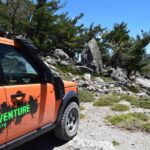
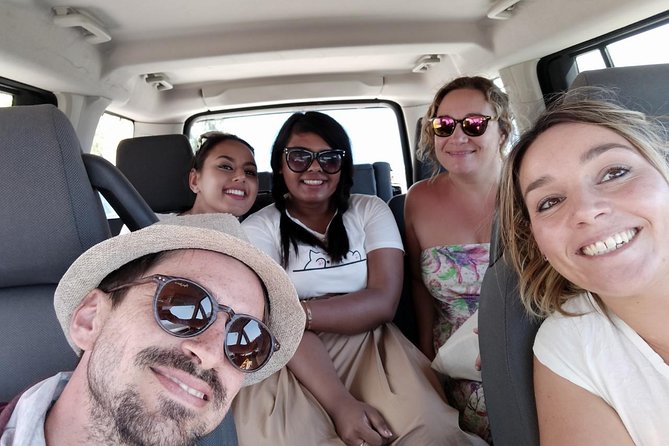
Pickup is offered from the Agios Nikolaos area, and you’ll ride in an air-conditioned vehicle. With a maximum of 10 travelers, the driver-guide setup tends to feel more personal than big-bus tours.
That small-group format helps in two ways:
- You can ask quick questions as you’re driving between stops.
- You’re less likely to lose track of people when you’re transitioning from the van to a village path and back again.
Still, keep expectations grounded. Any multi-stop tour like this depends on how the group behaves and how your specific pickup flow works that morning. On very full-feeling days, the vehicle can feel tight for everyone, so wear comfortable clothing and be ready for a slightly bumpy schedule.
You can also read our reviews of more tours and experiences in Agios Nikolaos.

Stop 1: Kritsa Village, Legends, and the Gorge-Village Mix
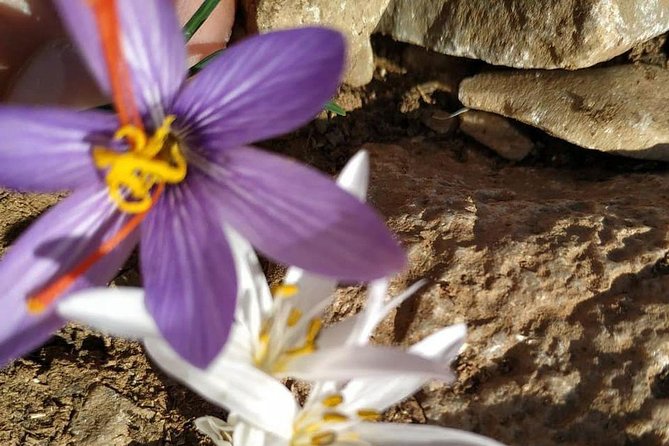
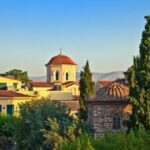
Kritsa is the “welcome to the area” stop. You get about an hour in this traditional village, with its legends and a mix of archaeological and religious monuments. It’s a place where stories attach to stone—so even a short visit can feel meaningful.
What you should do with your time there:
- Walk slowly and look for the religious details and older-looking corners of the village.
- Take a few photos of the setting, but don’t rush. The charm is in the textures and small clues, not just big views.
A possible drawback: because it’s a traditional village visit, expect uneven surfaces. Wear shoes with grip. In warm weather, plan to shade-break often, because you’re not just standing in a museum—you’re out in the village air.
Stop 2: Katharo Plateau at 1,250m and the Dwarf Hippopotamus Clue
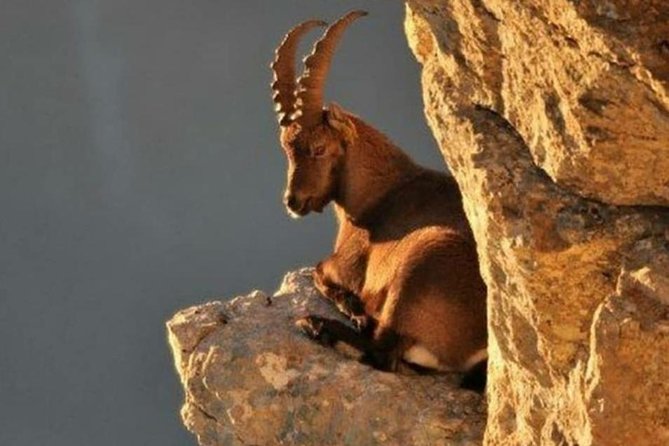
From Kritsa you head to Katharo Plateau (around 1,250 meters). This is a landscape of myths and altitude, and the guide-focused value here is the way the stories connect to the geology.
The standout detail: fossils of the Cretan dwarf hippopotamus have been found in the area. That’s a fun hook because it gives the plateau a deep time layer. You’re not only hearing Ottoman-era legends; you’re also getting a reminder that Crete’s history goes way beyond human timelines.
This stop is about an hour. That’s enough time to:
- get your bearings on the plateau,
- enjoy the open air,
- and learn why people tied local legends to this high ground.
Main consideration: it can feel exposed. Bring sun protection, and don’t expect this stop to be all shade and benches.
Stop 3: Lasithi Plateau Windmills and the Road to Psychro
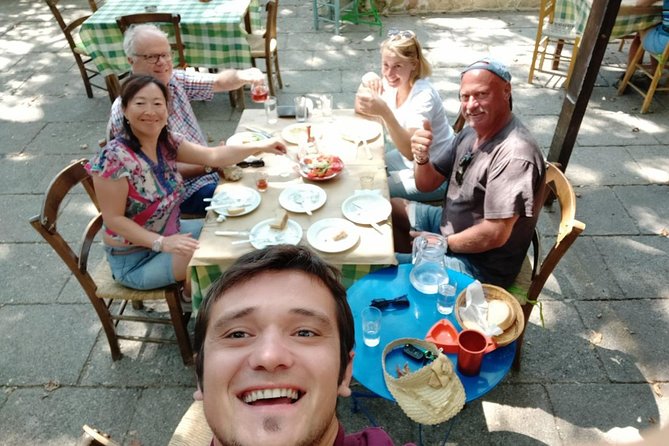
Now you’re in the heart of the Lasithi Plateau world. You’ll spend about two hours in this area, around 1,150 meters altitude, and you’ll learn how the plateau once ran on wind power.
Here’s the headline: more than 10,000 traditional windmills operated on the plateau until a few decades ago. In the 1950s and 1960s, the area was among the early wind farms in Europe. Even if you only see remnants, the scale of the story makes the place feel bigger than it looks.
This stop also ties directly to Psychro and the famous cave. The Diktaio Cave—often linked with Zeus—is associated with Psychro, at about 840 meters. That altitude change matters. You’ll feel the day switch from “high plateau air” to “lower, warmer approach” as you move toward the cave timing.
One important note for planning: sightseeing entrance fees aren’t included. So budget extra for the cave entry when you arrive.
Zeus Cave at Psychro: the Famous Myth Stop (and the Climb Reality)
The Zeus Cave visit is the moment many people want, and it’s also the part that most affects your comfort level.
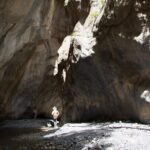
From what I’d plan for, you should go in ready for a climb. The cave experience can involve steps or a steep hike up toward the area, and in warm weather it can be intense. Some visitors also use donkeys on-site to manage the route, which can reduce the physical strain.
My practical advice:
- Wear grippy shoes. Cave approaches and paths can be uneven.
- Bring water (you’ll have bottled water with the tour, but you can also top up if you think you’ll need more).
- If you’re using a donkey option on-site, keep the goal simple: reduce strain, not add stress. If an animal looks overworked, you can choose to walk instead.
Also, set your expectations for the style of the explanation. Guides often talk a lot about Greek mythology. If you want shorter, punchier facts only, you may need to stay mentally flexible and treat it like a guided storytelling session, not a quick photo stop.
If you love the myth side, this is exactly the kind of stop that makes the whole day click: windmills up top, then Zeus’s birthplace area down the way, with the same regional legends guiding you from one chapter to the next.



Stop 4: Krasi Plane Tree and the Nikos Kazantzakis Photo Moment
Your final village-style stop is Krasi for about 30 minutes. This is quick, but it’s a good capstone because it connects a living landmark to a famous Cretan writer.
You’ll make a short stop to photograph a plane tree linked to Nikos Kazantzakis. The tree’s perimeter is about 24 meters, and it’s estimated to be around 2,400 years old. There’s also a popular saying that the tree’s perimeter corresponds to its age in years divided into centuries—so each measure equals 100 years.
This is the kind of stop that works even if you’re tired. You get a standout photo, a story, and then you’re ready for the ride back.
Lunch, Water, and Pacing: How to Enjoy the Full 6 Hours
Lunch is included, and it’s one of the best parts of the day. You’ll get something local to keep you energized, which is key because this tour has elevation changes and a cave-focused climax.
Two practical pacing tips:
- Eat lunch while it’s served, not after you start feeling sluggish. Hunger can sneak up fast on a day with walking.
- Use the time between stops to rehydrate and cool down. You’ll have bottled water included, but you can still get overheated if you rush every photo.
The tour runs for about six hours, so it’s not the kind of day where you can “add a third attraction” on your own. Think of it as a designed circuit: you’re meant to follow their flow from Kritsa to the plateau to Psychro and back.
Price and Value: What $106.65 Buys You Here
At around $106.65 per person for a ~6-hour outing, this tour can feel like a good deal if you care about three things: organization, comfort, and a guided mix of places.
You’re paying for:
- an air-conditioned vehicle across multiple stops,
- lunch and bottled water,
- and access to a small-group guide experience that connects the sites.
The main extra cost risk is admissions—sightseeing entrance fees aren’t included, and the cave is the obvious one tied to that. So check your expected add-on before you mentally budget the total.
Compared to doing this region solo, the value is in the stitching: you don’t have to plan the sequence of Kritsa → Katharo → windmill area → Psychro → Krasi, and you get context while you’re moving.
If you want a “drive and listen” day with real stops, this is priced like a practical option, not a luxury one.
The Main Downsides to Consider Before You Go
No tour is perfect, and this one has a few honest friction points to keep in mind.
Heat and effort near the cave. Even with air-conditioned transport, the cave approach can be demanding. If you’re not comfortable with climbs, stairs, or walking in warmer temperatures, you might find the day more exhausting than you expected.
Communication and pacing can vary by group. On some departures, transitions between vehicles and meeting points can feel chaotic if your pickup flow isn’t smooth. Pay attention at each stop when the group gets reminders about where to reunite.
Long storytelling isn’t for everyone. If you prefer short, factual explanations and lots of silence, you may feel the mythology talk runs long at times. That said, many people love it because it adds meaning to the place names.
Donkey use is worth thinking about. Donkeys are sometimes an on-site option for reducing the physical climb. If you’re considering it, use common sense and prioritize the animals’ well-being and your own safety.
Should You Book Lasithi Plateau Traditional Villages?
Book it if you want a guided day that blends village texture with plateau myths, and you’re especially interested in the Zeus Cave connection. I’d also recommend it if you like small-group travel, because the whole experience feels more human and less rushed.
Skip it or choose a different format if:
- you struggle with climbs or long uneven walking,
- you get uncomfortable in warm weather and want a mostly flat day,
- or you’d rather spend more time at one site than rotate through several.
For most people who like culture plus nature-plus-storytelling, this tour hits a sweet spot. It’s not just about seeing Lasithi—it’s about understanding why people keep tying these places to legends, wind power, and ancient roots.
FAQ
What’s the starting location for this tour?
The tour takes place in the Agios Nikolaos area in Greece.
How long is the Lasithi Plateau Traditional Villages tour?
It runs for about 6 hours.
What’s included in the price?
The tour includes an air-conditioned vehicle, lunch, and bottled water.
Are sightseeing entrance fees included?
No. Sightseeing entrance fees are not included.
Which attractions are visited?
You’ll stop in Kritsa, Katharo Plateau, the Windmills of Lasithi Plateau area (with the Zeus Cave linked to Psychro), and Krasi.
How long do you spend at each stop?
Kritsa is about 1 hour, Katharo Plateau is about 1 hour, Windmills of the Lasithi Plateau area is about 2 hours, and Krasi is about 30 minutes.
Is the tour small-group?
Yes. The maximum group size is 10 travelers.
Is pickup offered?
Yes, pickup is offered.
What language is the tour offered in?
The tour is offered in English.
What day and time does this tour run?
It lists Wednesday with an opening time of 9:00 AM to 10:00 AM.