Few places mix faith and scenery this well. This private Chania tour is built around Orthodoxy and the monasteries tucked into hillsides, caves, and quiet rural roads, with a historian guiding every stop. You’ll also get long enough time at each site to actually notice what you’re seeing—altars, rituals, inscriptions, and the daily rhythm of monastic life.
Two things I like a lot: first, the private pacing. You’re not shuffled through; you can linger, ask questions, and take photos without feeling rushed. Second, the guide—Apostolis—brings the details to life with patient, friendly storytelling that makes the sites feel real, not like checkboxes.
One drawback to plan for: monastery clothing rules. You’ll need to dress properly for church visits, and comfortable shoes matter because some parts involve walking on uneven ground and climbing into quiet corners.
In This Review
- Key highlights worth your attention
- Why Chania monasteries feel different (and more personal)
- Starting with ruins: the Byzantine church complex that sets the tone
- The underground twist: St. Spyridon below ground
- Eastward into Akrotiri: monasteries, solitude, and working life
- Two desolate active monasteries with mountain paths
- A surprising stop: the olive mill and why it matters to Orthodoxy
- Myth meets faith: the 12 Gods and farming prosperity
- Coffee break in a traditional village: where questions get answered
- The end of the day: abandoned monastery complex and a Virgin Mary chapel
- What you’re really paying for: $176 per person value check
- Practical tips so the day runs smoothly
- Who should book this Chania monasteries tour
- Should you book it?
- FAQ
- FAQ
- What language is the tour guide?
- How long is the Chania monasteries private tour?
- Does the tour include pickup from Chania central areas?
- Is this tour private or shared?
- What does the box lunch include?
- Are entrance fees included?
- What unique church site is included?
- Is it wheelchair accessible?
- What should I wear?
Key highlights worth your attention
- Apostolis, a trilingual history-byzantine archaeology guide (EN/DE/GR) who explains what you’re seeing, not just where you’re standing
- Underground Church devoted to St. Spyridon, a rare kind of Orthodox space that changes how you picture worship
- Byzantine-era ruins of an unknown church complex, plus a later visit to a site linked to the Proto Byzantine era
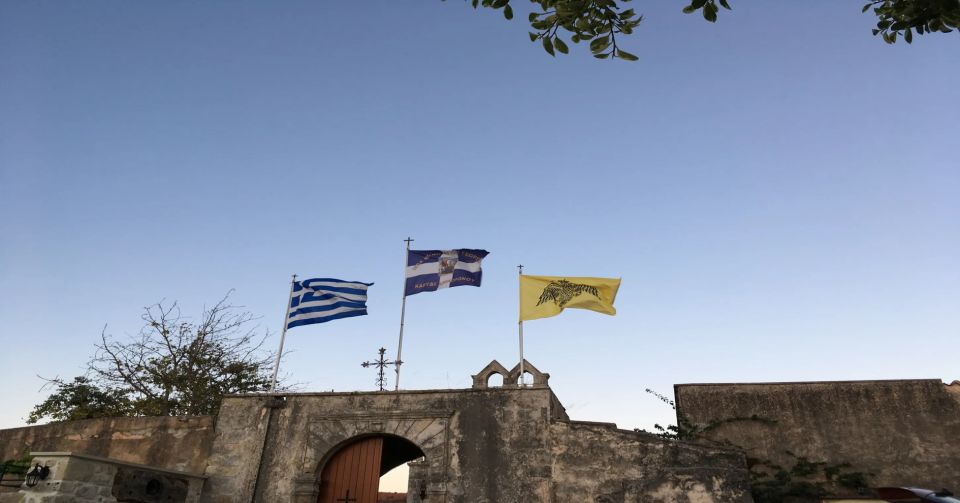
- Monasteries tied to Mount Athos traditions, including stops where you can observe monks doing everyday work
- Akrotiri views over the Aegean, ending with a whitewashed chapel to the Virgin Mary in a dramatic location
Why Chania monasteries feel different (and more personal)
Chania is a place where faith isn’t only found in big churches. It shows up in small chapels on side roads, in caves where hermits once lived, and in monasteries built with geography in mind—hills for quiet, slopes for defense, and distant views for contemplation.
This tour leans hard into that “Christian tradition across the landscape” idea, but with a practical twist: you’re not just driving to pretty buildings. You’re learning what those buildings were for—how worship spaces functioned, how altars and rituals shaped daily life, and why certain monastic sites mattered over centuries.
And the private format matters. When your guide is Apostolis, the day can flex around what you care about—whether you’re more interested in coastal monastery settings, altar symbolism, or the way monastic traditions link Crete to wider Orthodox practice.
You can also read our reviews of more private tours in Chania
Starting with ruins: the Byzantine church complex that sets the tone
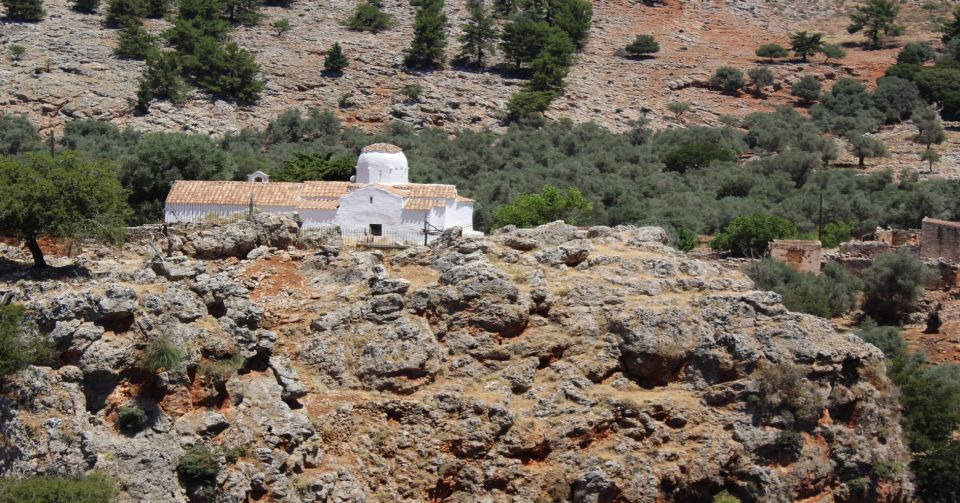
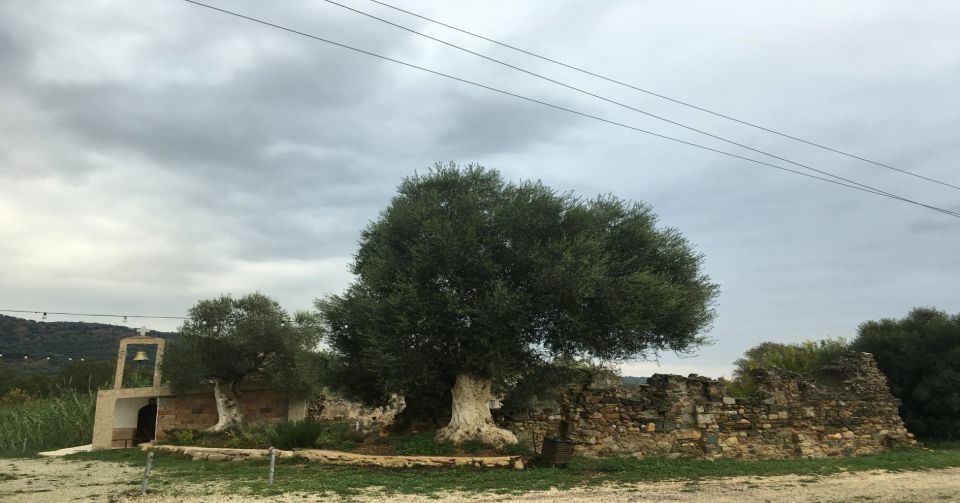
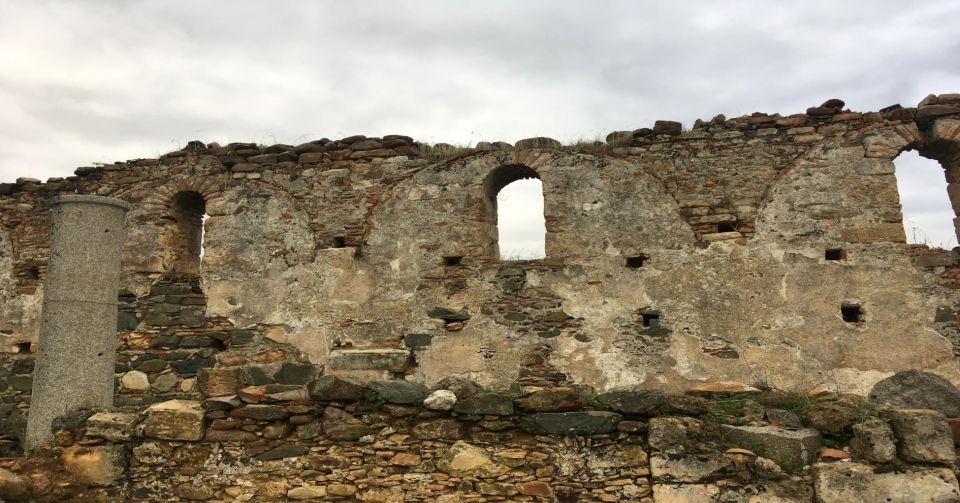
The day begins in and around Chania with a couple of guided stops and photo opportunities, then you move into deeper historical territory fast. A major early moment is a visit to the ruins of an unknown Byzantine-era church complex. This isn’t a full reconstruction with interpretive panels everywhere. It’s more like learning from the bones of the site.
That changes how you look. When you’re standing in remains of an Orthodox worship space, details like layout, devotional focus, and liturgical purpose start to make sense. The tour uses this early stop to set a framework: what ancient Orthodox doctrine was tied to, and how worship was carried out in the past.
You’ll also get a follow-up look at another church complex connected to the Proto Byzantine era. Together, these visits give you a better timeline sense—how ideas stayed consistent while forms evolved across centuries.
The underground twist: St. Spyridon below ground
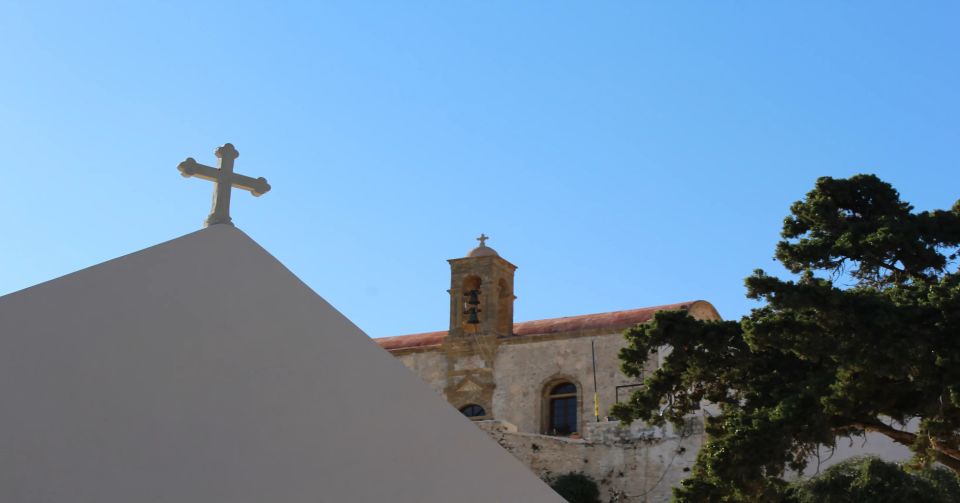
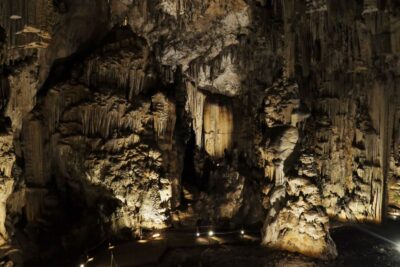
One of the most memorable elements is the stop at a rare Greek Orthodox underground church devoted to St. Spyridon. Even if you know the general idea of underground chapels, stepping into this kind of space tends to reframe everything you assumed about worship settings.
Underground means different acoustics, different light, and usually a different sense of privacy and protection. On a tour like this, it’s not just “look at the room.” Your guide ties the space to Orthodox devotion and helps you understand why a site like this would exist and what it meant for the people using it.
If you like places where architecture quietly carries stories, this stop is a strong reason to choose a guided private experience over a standard sightseeing loop.
Eastward into Akrotiri: monasteries, solitude, and working life
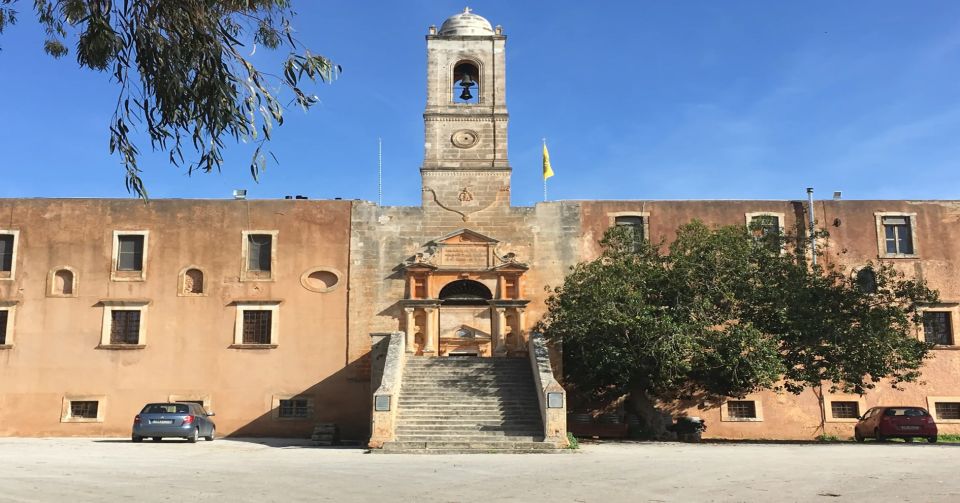
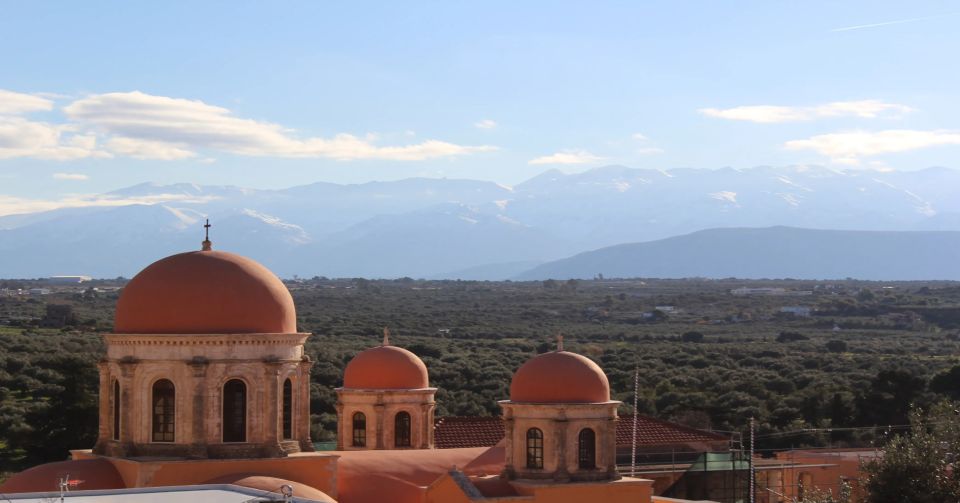
After the early Byzantine stops and the historical setup, the route turns toward the eastern parts of Chania and then into the Akrotiri region. Akrotiri is known for monastery traditions and for tucked-away religious sites, and the itinerary leans into that.
One approach I appreciated: the day doesn’t treat religion as a museum topic only. You get stops where monastic spaces are active, and you can see monks doing daily tasks. That matters because monastery life isn’t only about ceremonies. It’s also about discipline, routine, and making spiritual practice work alongside real labor.
Two desolate active monasteries with mountain paths
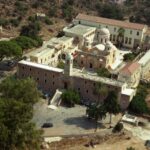
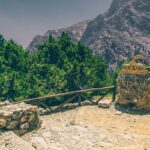
In Akrotiri, you visit two desolate, active, and very beautiful monasteries reached through tiny mountain passages. The tour focuses on what daily work looks like and how the hardships of monastic life fit into the bigger spiritual picture.
You also get to see large cultivated areas associated with monasteries. That’s a practical side of faith. Monasteries historically supported themselves, and farming rhythms connected directly to survival—especially in a place like Crete where resources could be tough.
And yes, the scenery helps. You’ll likely feel the day’s structure click: ruins and doctrine early on, then lived monastic life later, then views and final devotion at the end.
A surprising stop: the olive mill and why it matters to Orthodoxy
Between monastery visits, you’ll stop at an abandoned olive mill. This is one of those detours that sounds niche until you’re standing there and realizing how much monastic wealth and survival depended on food systems.
Your guide connects the mill to the wider story: the tedious process of making olive oil, the importance of agriculture for Crete, and how Orthodox monasteries accumulated assets through centuries of pilgrim donations.
So the olive mill isn’t a random photo break. It’s a way to explain the economics behind the spiritual landscape—how communities sustained religious life, paid repairs, hosted travelers, and stayed functional for generations.
Myth meets faith: the 12 Gods and farming prosperity
This tour also includes a historically minded detour eastward, where you learn about the 12 Gods of Mount Olympus and how ancient belief traditions relate to prosperity—especially in the farming sector.
It’s a fascinating contrast: the day moves from older Greek religious ideas to the Christian Orthodox focus, with the land and livelihood staying as the common thread. Whether you’re into theology or just want better cultural context, this part helps you see Crete as layered, not erased.
It also keeps the ride from feeling like one lecture after another. You get variety in topics while staying within the big theme: how people explained the world and tried to live well inside it.
Coffee break in a traditional village: where questions get answered
At some point, you’ll have a break—plus a chance for a coffee break in a traditional Cretan village. This is where I’d use the downtime to ask questions about whatever you found confusing earlier: altar symbolism, liturgical details, the meaning of certain ritual elements, or why certain sites are linked to bigger Orthodox traditions.
The best part of Apostolis-style guiding is that the answers don’t feel generic. He’s set up the day with historical context, so when you ask something specific, it connects back to what you’ve already seen.
The end of the day: abandoned monastery complex and a Virgin Mary chapel
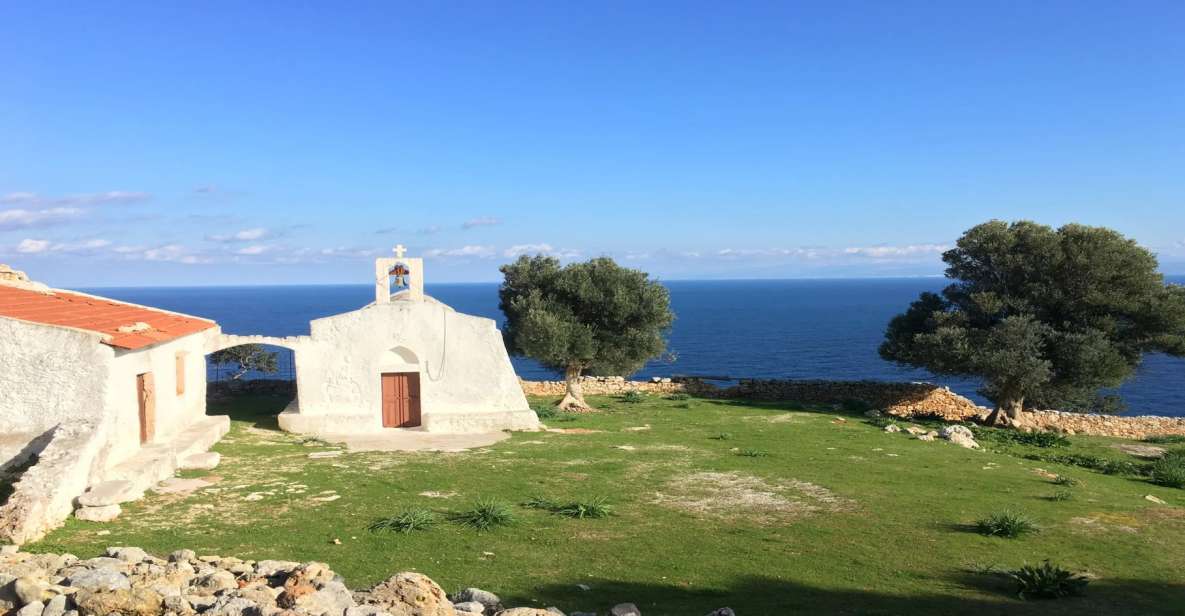
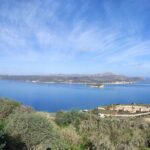
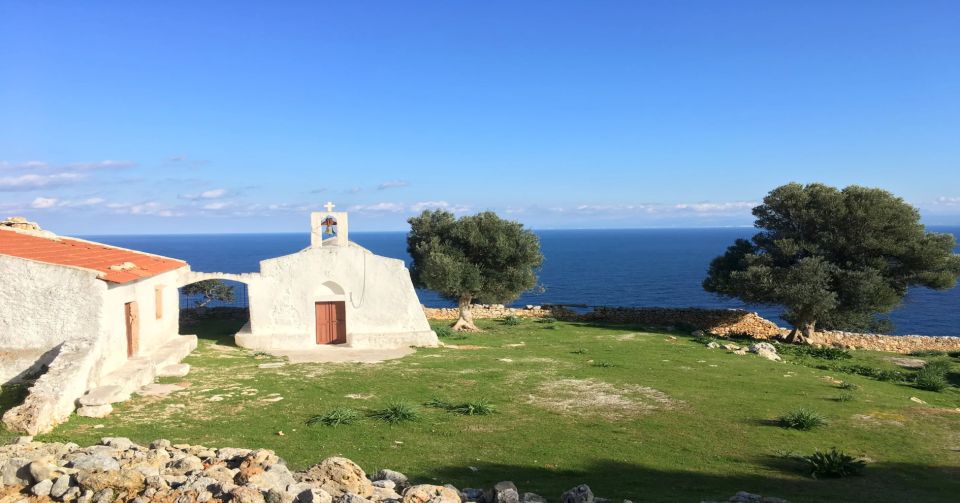
The tour finishes with a visit to an abandoned monastery complex in an undisclosed location, followed by a whitewashed chapel devoted to the Virgin Mary. This is where the day turns scenic in a big way: you’ll get views over the Aegean Sea and a final moment of quiet photo-taking.
The abandoned monastery piece is important, too. It shows that monasteries can change roles or fade over time, but the spaces still hold spiritual weight. Then the final chapel adds the living present back in—white walls, a devotional focus, and a view that makes the whole itinerary feel like it was designed for the senses, not just the schedule.
What you’re really paying for: $176 per person value check
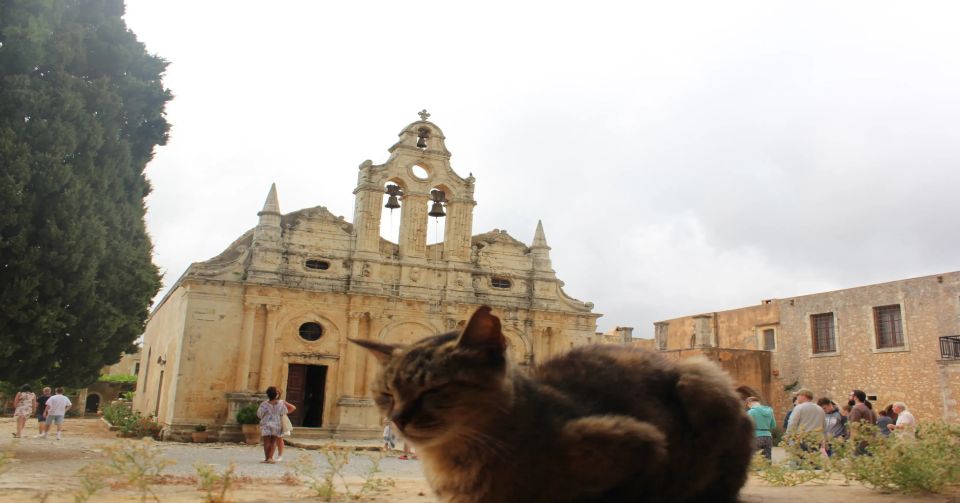
At $176 per person for about 7.5 hours, this is not a budget bus tour. You’re paying for a few concrete things:
- A private vehicle with A/C, so you’re comfortable through the mountain roads
- A professional historian-style guide (Greek Ministry of Tourism certified) who can connect the dots between architecture, worship, and Byzantine life
- Private group pacing, meaning time at sites is flexible and you aren’t rushed
- Extras like a box lunch (water, banana, apple, chocolate), skip-the-ticket-line, and surprise gifts at the end
- Free hotel pickup and drop-off from central Chania areas, which saves you the hassle of coordinating transport
What’s not included matters: entrance fees and any lunch/drinks beyond what’s in the box are extra. If you’re the type who hates unexpected costs, this is worth factoring in before you go.
Still, if you care about understanding what you see—especially with underground and Byzantine-era spaces—this price starts to look reasonable. You’re essentially buying a day of interpretation plus transportation, not just access to monuments.
Practical tips so the day runs smoothly
Here’s how I’d set yourself up for an easier experience:
- Wear comfortable shoes. Some paths can be uneven, and some monasteries involve more walking than you’d expect.
- Pack a layer. Weather can shift, and churches/chapels can feel cooler in shadowed areas.
- Bring proper clothing for monasteries. You’ll need to cover up for church visits, and athletic clothing is usually a safe choice if it fits the rules.
- Plan to be off the main drag. The day includes secluded churches, desolate monasteries, and abandoned complexes—so expect fewer big-road conveniences.
- Use the private format. If you’re curious about the altar, rituals, or how monastic traditions connect to Mount Athos, ask early. You’ll get better context as you go.
Who should book this Chania monasteries tour
This tour is a great match if you want:
- History explained in a human way, tied to places you can see
- Sites you can’t easily find on your own (especially the underground St. Spyridon church and the secluded monasteries)
- A day that balances doctrine, daily monastic life, and big views
- A guide who can adjust the day to your interests and not rush you through
It’s less ideal if you want a quick drive-by checklist of famous landmarks with minimal walking and minimal religious context. This one rewards curiosity.
Should you book it?
I think it’s worth booking if your ideal day includes quiet chapels, monastery courtyards, and explanations that make Byzantine-era details click. With Apostolis leading, you’re getting both the historical backbone and the friendly, patient style that turns a route into a story.
If you’re unsure, use this simple filter: do you want to understand why these places exist, not just take photos of them? If the answer is yes, book it. If not, you might prefer a lighter sightseeing day.
FAQ
FAQ
What language is the tour guide?
The guide is available in English and Greek.
How long is the Chania monasteries private tour?
The duration is 7.5 hours.
Does the tour include pickup from Chania central areas?
Yes. Free hotel pickup and drop-off is included from all central Chania areas. You should wait in the hotel lobby about 10 minutes before pickup.
Is this tour private or shared?
It’s a private group.
What does the box lunch include?
The box lunch includes water, a banana, an apple, and chocolate.
Are entrance fees included?
No. Entrance fees are not included.
What unique church site is included?
The tour includes an old underground church devoted to St. Spyridon.
Is it wheelchair accessible?
Yes, the tour is listed as wheelchair accessible.
What should I wear?
You’ll need proper clothing for entering monasteries and churches. Athletic clothing and comfortable shoes are advised, and bring weather-appropriate layers.