Wood-fire Cretan cooking beats any restaurant meal. This evening with Androniki feels real because you learn by doing, not just watching, and you get to work with homegrown produce and a wood oven. I also love the homemade drinks, especially the raki. One thing to consider: it’s an active cooking session, so if you want only tasting with zero hands-on time, this may feel a bit hands-on.
In this small group (up to 10 people), you’ll spend about four hours in the village of Loutra, just 11 km from Rethymno. Expect warm hospitality, a laid-back pace, and plenty of food—plus the kind of meal that makes you talk longer than you planned.
In This Review
- Key things I’d plan around before you go
- Where Loutra starts: the simple setup near Rethymno
- The flow of the evening: cook first, then actually sit down
- Outdoor wood-oven cooking, up close and not staged
- The menu you’ll learn: Cretan favorites in appetizer-to-sweet order
- Homemade raki and Greek wine: drinks that match the food
- Dining in a host’s home: the difference between “tour” and “table”
- Who this is for (and who might not love it)
- Price and value: is $114 per person fair?
- Practical tips for getting the most out of your Cretan cooking evening
- Should you book this cooking evening in Rethymno?
- FAQ
- What’s the duration of the cooking experience?
- What’s included in the price?
- Is it a small group?
- Where is the meeting point?
- What dishes will we cook or eat?
- What language will the host use?
- What if I have food restrictions?
Key things I’d plan around before you go
- Small group limit (10 people) keeps the lesson personal and the atmosphere friendly.
- Outdoor cooking by wood oven means your dishes actually have that smoky, fire-kissed character.
- Homegrown vegetables and olive-oil basics shape the flavors from the start.
- Homemade raki and included drinks make the evening feel like a true host-and-table experience.
- A menu built from Cretan classics like Chortopites and kremidokalitsouna helps you learn recognizable flavors you can recreate later.
Where Loutra starts: the simple setup near Rethymno
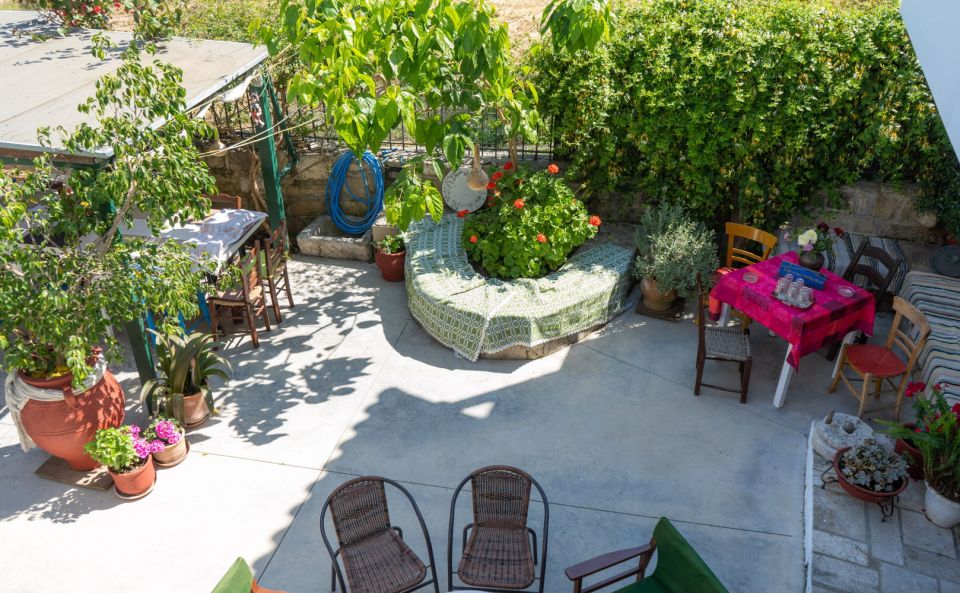
This cooking class happens outside in Loutra, a small village near Rethymno—about 11 km away. The meeting point is easy enough to manage if you have a car or taxi, and you can also reach Loutra by bus from Rethymno. Since the village is small and doesn’t have street names, the activity provides a specific map pin (listed on Google Maps as andronikis cretan house), and your full address arrives in your voucher.
Why this matters: you’re not heading into a big tourist hub where everything feels standardized. Instead, you’re going into a real home setting, and that changes the vibe fast.
You’ll also get a host/greeter in Greek and English. That’s a big deal if your Greek is basic: you’ll still follow the steps and learn what each dish is aiming for.
You can also read our reviews of more cooking classes in Rethymno

The flow of the evening: cook first, then actually sit down
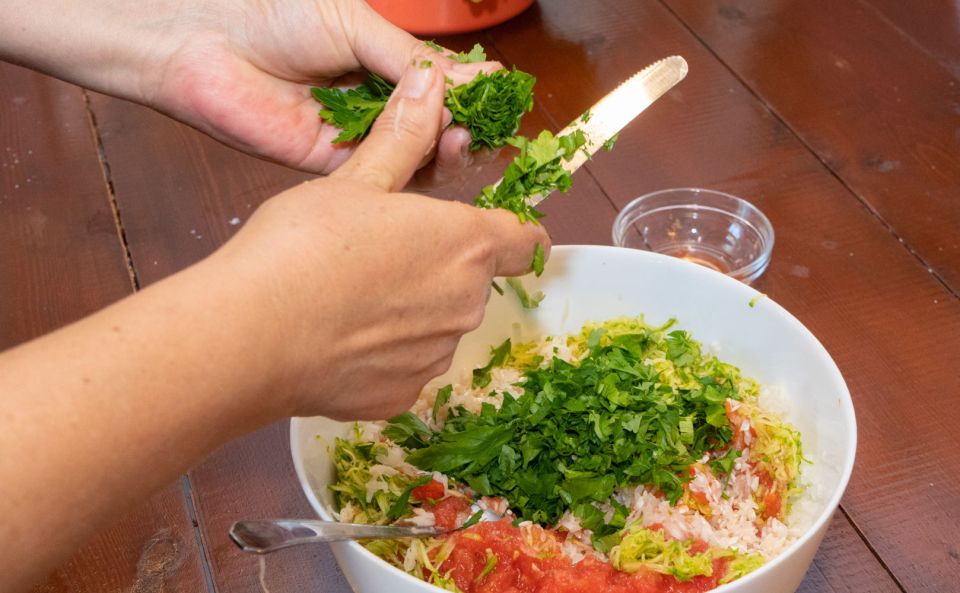
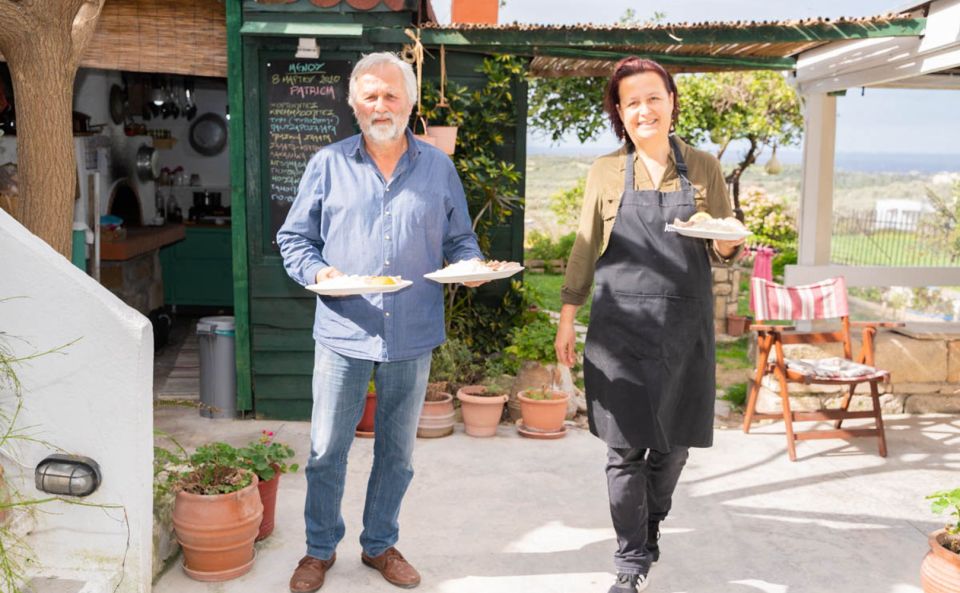
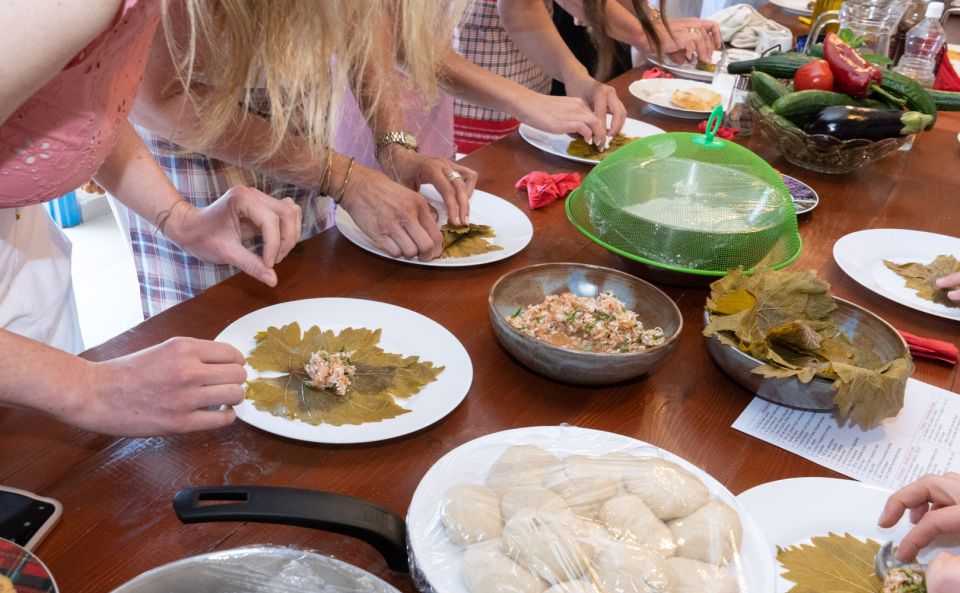
The structure is straightforward and very satisfying. You start in the outdoor cooking area, where Androniki guides you through a selection of traditional Cretan dishes. Then you eat what you helped make.
A typical pacing looks like this:
- You prepare dishes using ingredients from home-grown vegetables and homemade staples like olive-oil-based components.
- You spend time on multiple items—appetizers, mains, and sweets—rather than one single dish.
- You’re working at the rhythm of a home kitchen, with a wood oven doing most of the drama.
- Drinks are part of the experience, not an afterthought.
With a duration of about four hours, you’re not rushed. You also get enough time to learn the practical stuff: shaping, assembling, timing, and how the kitchen’s flavors build across courses.
Outdoor wood-oven cooking, up close and not staged
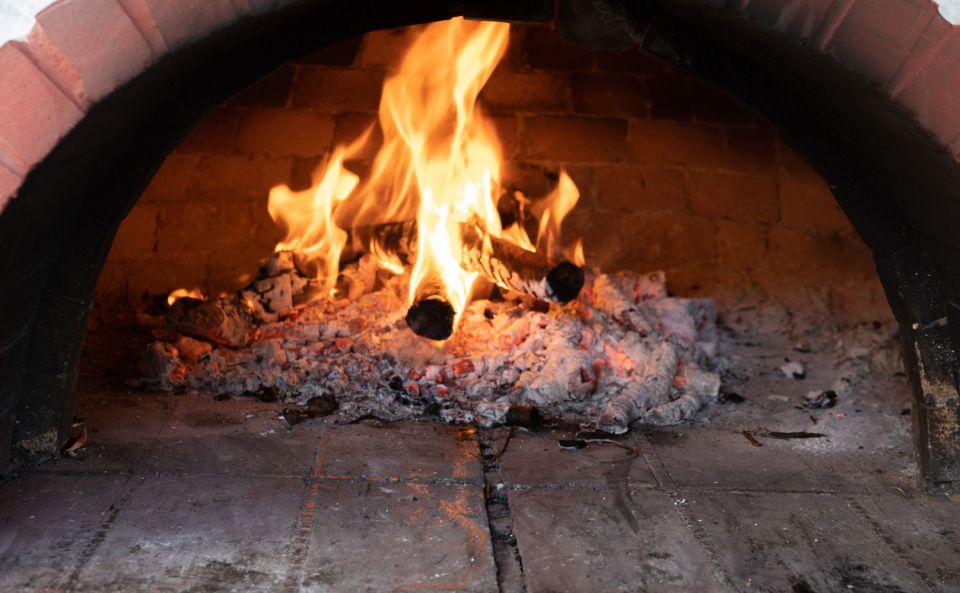
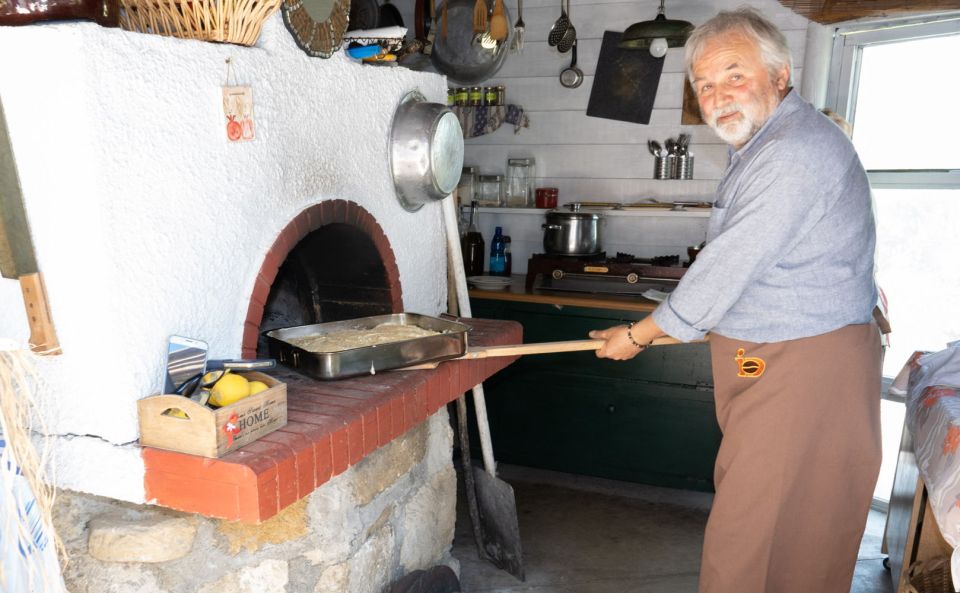
The most memorable setting here is the outdoor cooking setup. The main action happens outside, centered on Androniki’s wood oven. That’s where the smell starts before you even begin cooking, and it’s where you’ll see how fire changes the final texture.
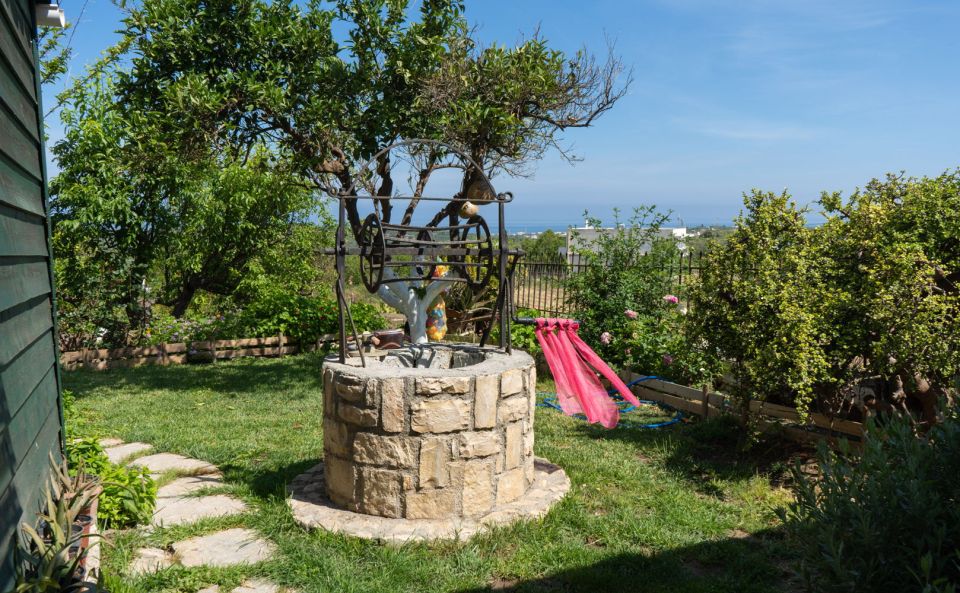
You’re also working with produce that’s grown on-site (at least the vegetables and herbs). In practice, that means the ingredient quality is high and the cooking instructions make sense. If you’ve ever cooked with ingredients that were already tired and bland, you’ll notice the difference right away.
One more practical point: because the class is outdoors, it’s a great match for fair weather evenings. If the weather is unpleasant, you might want to bring something light for temperature changes, since this isn’t inside-your-museum-style dining.
The menu you’ll learn: Cretan favorites in appetizer-to-sweet order
This evening focuses on classic Greek and Cretan dishes, with the specific lineup rotating through a selection. What stays consistent is the “make it yourself” approach.
Here are the dishes named as part of the menu and the ones you should expect to see in the mix:
- Kremidokalitsouna (onion-filled pastry bites)
- Chortopities (wild herb pies)
- Sfakianes pites (another type of Cretan pie—often herb- or greens-forward)
- Dakos (barley rusk-based dish, usually with toppings)
- Horiatiki (Cretan salad, commonly known as Greek salad)
- Gemista (stuffed vegetables)
- Moussaka
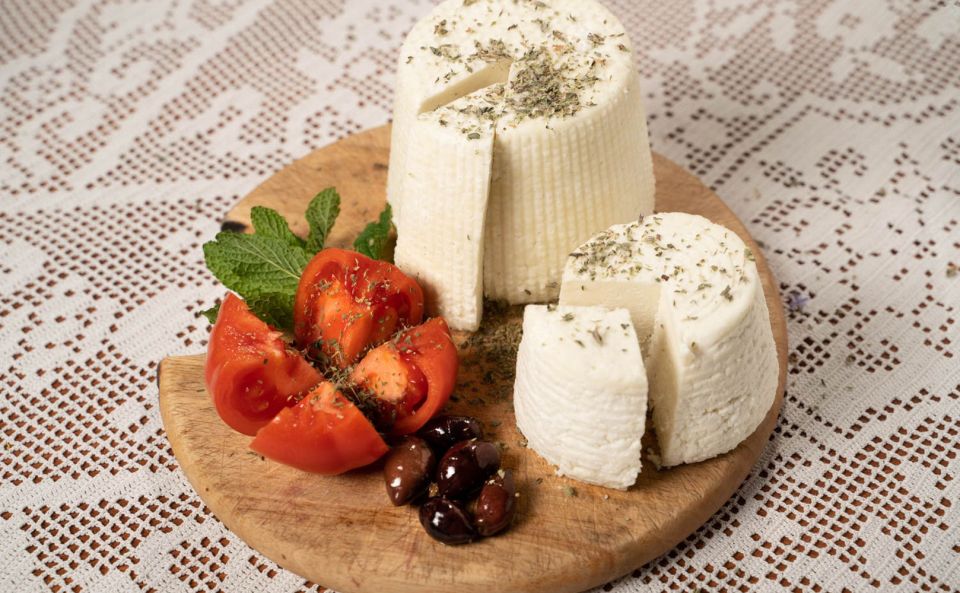
- Tzatziki and cheese as part of the spread
- Sweets/dessert elements toward the end of the meal
- Homemade drinks, including raki
You’re not just “tasting everything.” You’re helping prepare multiple items across courses, so you connect the dots between ingredients and finished flavor.
If you’re a food lover, this is where the value shows. Learning kremidokalitsouna means you’ll understand how onion filling behaves when baked. Making Chortopities teaches the logic of herbs, dough, and seasoning. Then when you sit down to eat, you’re not eating strangers’ creations—you’re eating your own work.
Homemade raki and Greek wine: drinks that match the food
Included drinks are part of the reason this experience feels like a real evening at a local home. You’ll have homemade raki—made by the hosts—and you’ll also enjoy delicious Greek wine along the way.
Why that matters: raki isn’t just a ceremonial add-on here. It fits the rhythm of the meal and the hosting style. You’ll feel it in the atmosphere—less like a ticketed event, more like an evening built around food, conversation, and good timing.
If you’re a careful planner, keep in mind it’s an alcohol-included format, so pace yourself while cooking and eating.
You can also read our reviews of more tours and experiences in Rethymno

Dining in a host’s home: the difference between “tour” and “table”
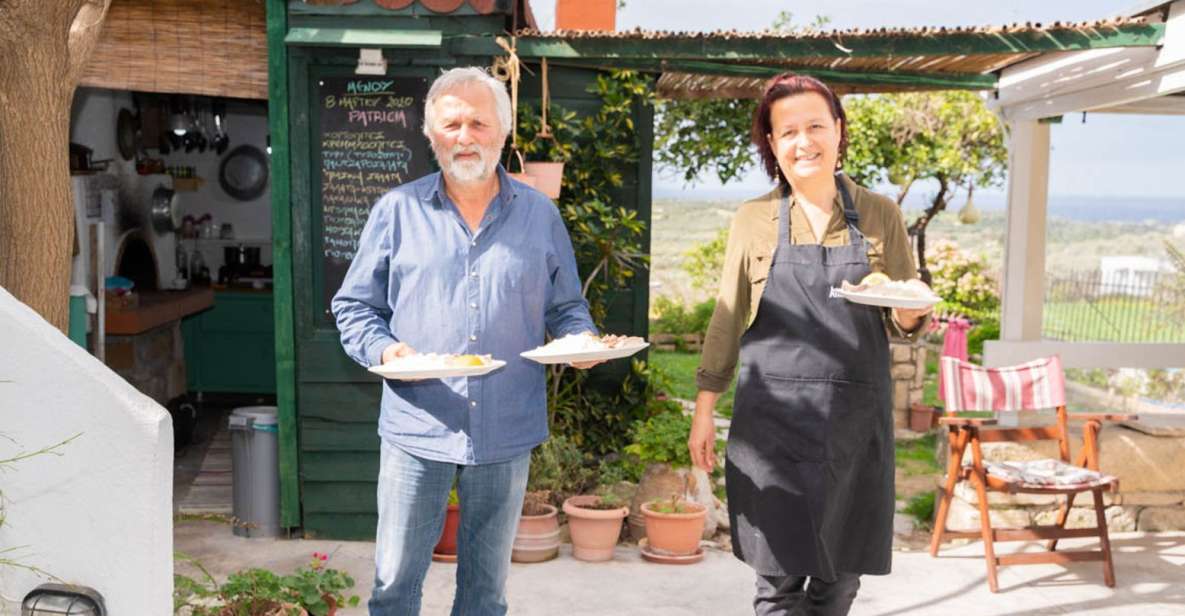
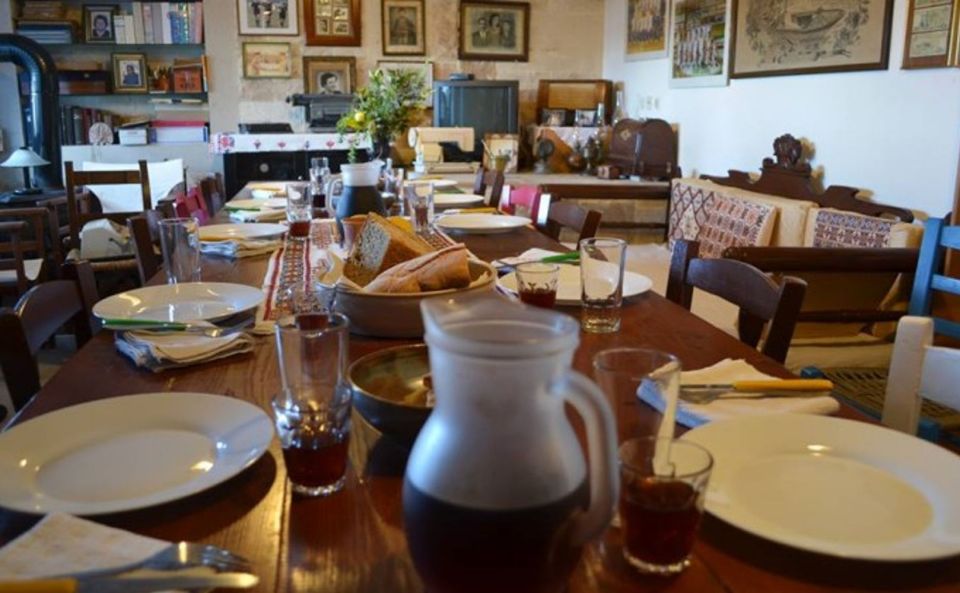
After the cooking, you eat your results in the host’s home. That’s a key distinction. In some cooking classes, the food part is almost an afterthought. Here, the meal is the payoff.
The dining experience is also tied to traditional Greek hospitality. The group dynamic stays warm and relaxed, and with a limit of 10 people, you’re not stuck in a crowd where conversations never start.
From the accounts you can take seriously, the hosts are not only friendly; they’re also organized and supportive—so even if you’re not a confident cook, you’re not thrown to the wolves.
Who this is for (and who might not love it)
This is a strong fit if you:
- Want hands-on cooking and not just “watch and snack.”
- Love Cretan staples like herb pies, onion pastries, stuffed vegetables, and moussaka.
- Enjoy small-group evenings with local hosts rather than big group bus tours.
- Appreciate food experiences tied to fresh produce and homegrown ingredients.
You might think twice if you:
- Want a purely tasting-focused evening with minimal cooking.
- Have food restrictions and you won’t communicate them ahead of time (the activity asks you to share allergies/dietary needs).
- Prefer strictly indoor settings regardless of weather.
Price and value: is $114 per person fair?
At $114 per person for about 4 hours, the price isn’t low in absolute terms. But it can feel fair—sometimes even good value—because you’re paying for several things at once:
- Instruction from a local chef/host (not a generic “demo”).
- Multiple dishes across courses rather than one-item cooking.
- Included drinks (including homemade raki and Greek wine).
- A small group format (up to 10), which usually means more attention and less waiting.
- Homegrown ingredients and a real wood-oven cooking setup.
If you price out a private tasting + wine + food experience in Rethymno, and then compare it to what you actually do here (cook, learn, eat, and drink), the value case gets easier to make.
Also: you leave with recipes you can repeat at home because you learn the process, not just the final bite.
Practical tips for getting the most out of your Cretan cooking evening
A few smart moves can make the whole thing smoother:
- If you have allergies or a special diet, communicate it clearly beforehand. The hosts ask for this so they can plan.
- Arrive on time. Wood-oven timing is real, and cooking benefits from starting together.
- Wear comfortable clothes you don’t mind getting a little flour or kitchen aromas on. Outdoor cooking is still kitchen work.
- Go in hungry. The meal portion is designed to be generous, and you’ll want room for sweets at the end.
One more thing: if you’re the type who likes taking notes, bring a small notebook or notes app. The steps for pies and filled pastries can be easier to remember once you write them down while the process is fresh.
Should you book this cooking evening in Rethymno?
I’d book it if you want an evening that’s less about seeing Cretan culture from the outside and more about tasting it from the inside. The combination of wood-oven cooking, homegrown ingredients, and homemade raki makes this feel like an actual local night at a real table.
If you only want a quick photo-and-taste stop, there are cheaper, shorter experiences in the area. But for people who care about learning and eating well, this one’s hard to beat.
FAQ
What’s the duration of the cooking experience?
The experience lasts about 4 hours.
What’s included in the price?
You meet and cook with a local chef/host, learn traditional recipes, and dine in your host’s home. Drinks and beverages are included.
Is it a small group?
Yes. It’s limited to a small group of up to 10 participants.
Where is the meeting point?
The activity is in the village of Loutra, about 11 km from Rethymno. A specific Google Maps pin is provided, and the full address is shared in your voucher.
What dishes will we cook or eat?
You’ll make and eat a selection of traditional Cretan and Greek dishes. Names mentioned include kremidokalitsouna, Chortopities, Sfakianes pites, dakos, horiatiki, gemista, moussaka, plus tzatziki and cheese.
What language will the host use?
The host/greeter speaks Greek and English.
What if I have food restrictions?
You need to communicate any allergy or special diet requirements ahead of time.