Cold water in a Crete gorge sounds wild. Kourtaliotiko Gorge is a guided river trek where you swim near the waterfall cave, then follow the current through pools and forest paths in Rethymnon. I especially like how guides such as Manolis keep the vibe fun but organized, with helmets and neoprene suits ready from the start.
I also love the route choice: you take paths away from crowds, so the gorge still feels wild and natural instead of like a theme park. On top of that, you get waterproof gear for your phone and you’re in position for photos inside the canyon, not just from a viewpoint.
One consideration: this is water-and-rock walking. You’ll want footwear that grips and you should be comfortable with cold water swims and splashes. If you have back issues, heart problems, recent surgery, mobility limits, or you’re pregnant, skip this one.
In This Review
- Key takeaways before you go
- Kourtaliotiko Gorge in one breath: swims, pools, and a cave waterfall
- Is it worth $112? What you get (and the small entrance fee)
- Gear-up moment: neoprene suits, helmet, poles, and phone protection
- First big payoff: waterfall views, safe jumps, and that cave swim
- Moving downstream: natural pools and paths away from crowds
- The exit through olive trees and the Banana Garden lunch reset
- What you should bring and wear so your day stays fun
- Fitness and safety fit: who should go, and who should skip
- Getting there from Rethymno or Plakias: transfers that matter
- Photo notes and comfort tips for the best results
- Should you book this tour?
- FAQ
- How long is the Kourtaliotiko Gorge guided river trekking experience?
- What’s the total cost, and is there an extra entrance fee?
- What’s included in the tour price?
- Do I need to bring a phone case?
- What should I bring for the trek?
- Is hotel pickup available?
- What swimming time should I expect?
- What languages is the guide available in?
- Who is this activity not suitable for?
Key takeaways before you go
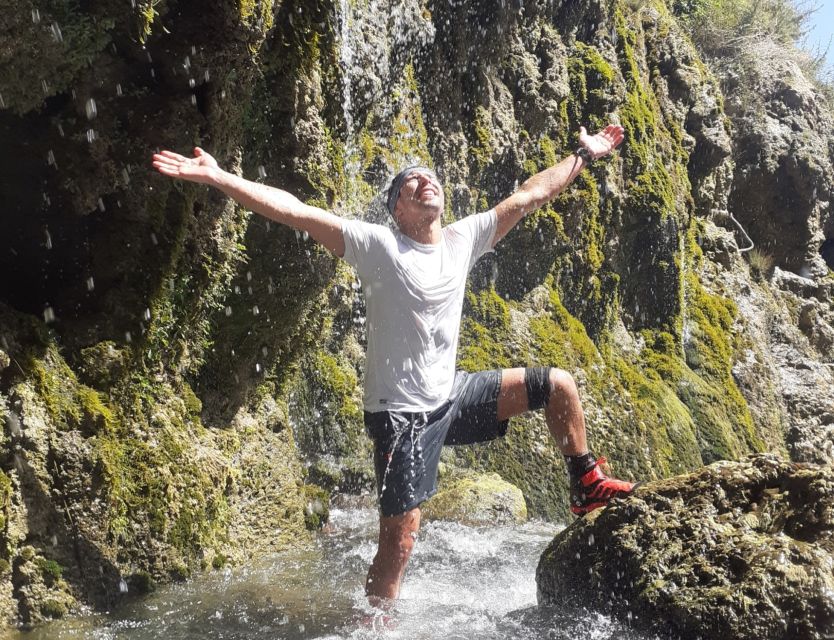
- The waterfall cave swim is the signature moment, with a cold, memorable payoff early on
- Equipment is included: neoprene suits, helmets, poles, waterproof phone cases, and waterproof backpacks
- Crowd-avoiding routes keep the gorge feeling more like a secret than a factory line
- Natural pools and mini breaks give you lots of chances to cool off and reset your legs
- Banana Garden lunch stop ends the trek with an easy, local reset in a relaxed setting
- Comfort depends on footwear and comfort with slippery rocks in flowing water
Kourtaliotiko Gorge in one breath: swims, pools, and a cave waterfall
Kourtaliotiko Gorge sits in central Crete near Rethymnon, and it feels built for a river adventure. The whole point is simple: you start above the gorge, get kitted up, then you walk downstream through the canyon along the river edge. Along the way, you find natural pools, little stops for photos, and that major waterfall moment that people talk about long after they get home.
What I like most is how the gorge mixes action with scenery. One minute you’re cooling off in water; the next you’re looking at the gorge walls, plane trees along the route, and the nonstop flow coming down from the mountains. It’s not just a hike where you barely touch the river. It’s a proper “river trekking” day.
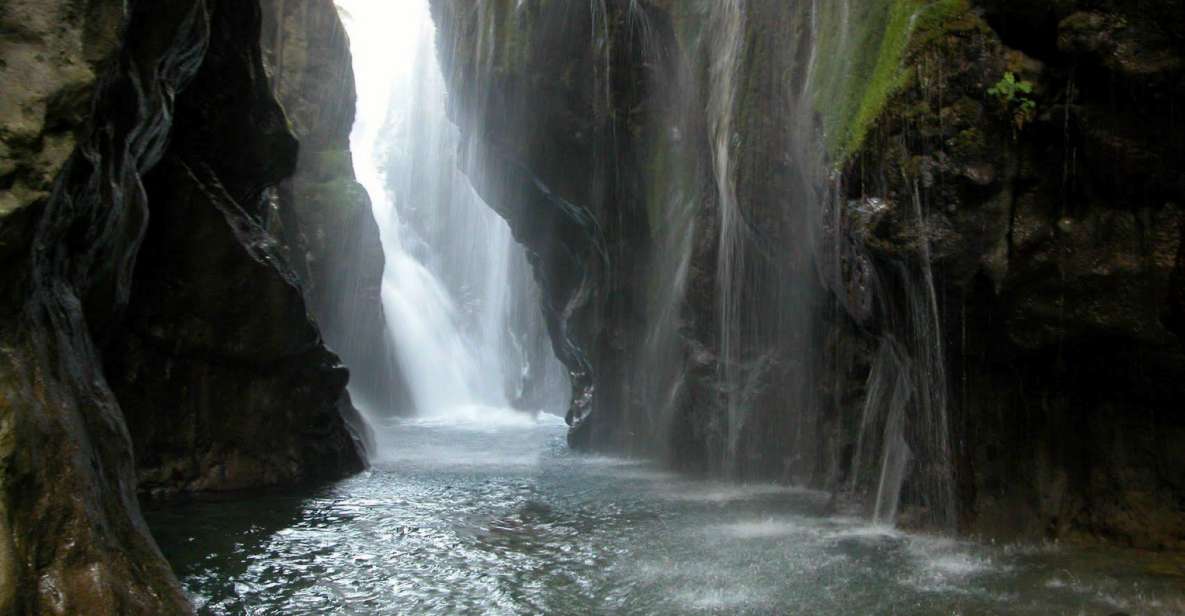
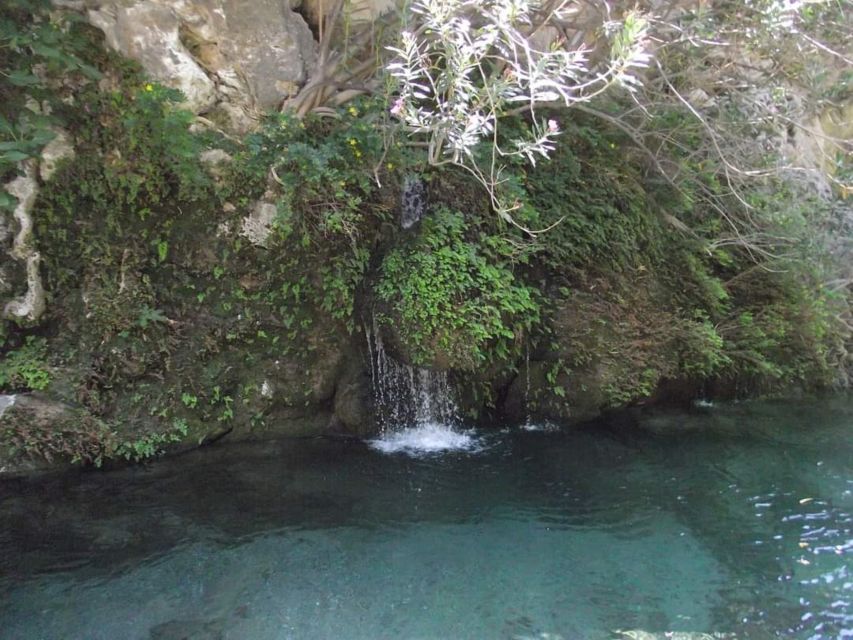
And when you reach the waterfall cave area, it’s not just about standing there. You’re set up for a swim right by the waterfall in the big cave zone. It’s dramatic, cold, and very Crete.
You can also read our reviews of more tours and experiences in Plakias.
Is it worth $112? What you get (and the small entrance fee)
At $112 per person for a 5-hour guided experience, you’re paying for more than the walk. You’re also paying for safety setup, local guiding, and the extras that make water trekking actually work.
Here’s the value picture:
- Guide and all included trekking gear: neoprene suits, helmets, helmets, hiking poles, waterproof cases for phones, and waterproof backpacks
- Transports between entrance and exit so you’re not scrambling to figure out a hike-out plan
- Skip-the-line for the entrance ticket
- Light lunch after the trek, plus the chance to relax at the Banana Garden area afterward
The only extra you should plan for is a €5 per person entrance fee paid in cash. Drinks during lunch aren’t included, so if you want soda or something stronger, keep that in mind when you’re budgeting.
If you price this like a DIY trip—getting the right footwear, finding the route safely, sourcing waterproof phone storage, and arranging transportation—it starts to look like a fair deal. You’re mostly buying simplicity and confidence.
Gear-up moment: neoprene suits, helmet, poles, and phone protection
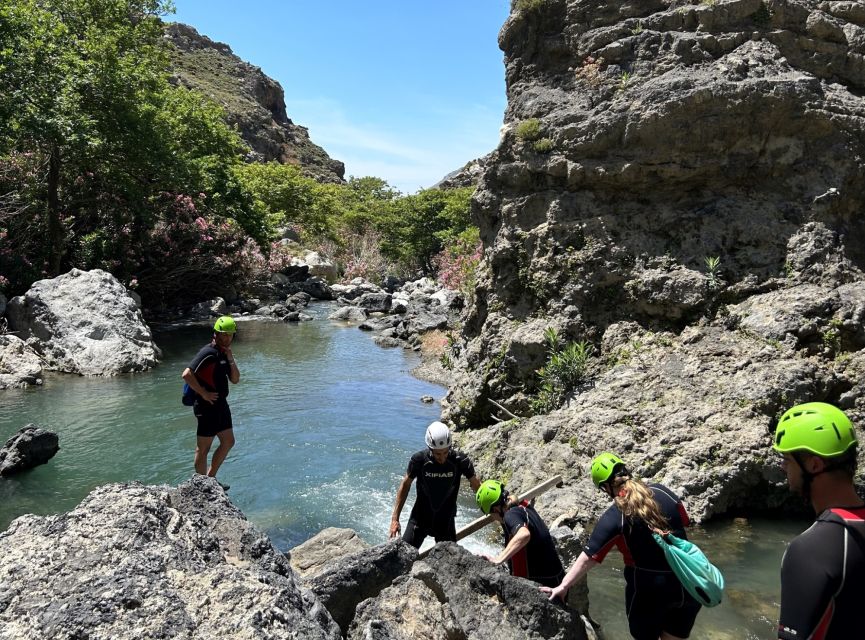
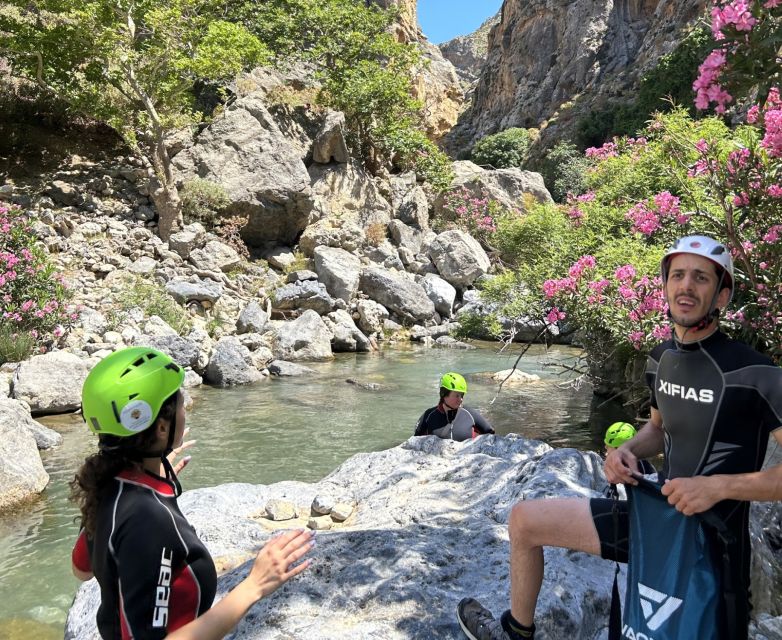
The start is hands-on and practical. Once you arrive above the gorge, you’re given what you need to handle cold water and slippery surfaces: neoprene short-sleeve suits, helmets, walking sticks (hiking poles), and water-ready storage.
This matters more than it sounds. River trekking isn’t like walking a trail in dry conditions. Neoprene helps you handle the initial cold shock and stay comfortable enough to keep moving. Helmets and poles reduce stress when footing gets uneven near rocks and along the water edge.
You also get waterproof cases for mobiles and waterproof backpacks, which is a big deal for this kind of day. The best photos happen during the action—at waterfalls, in natural pools, and in the cave zone—so having your phone protected means you actually capture the moment without playing phone-protection roulette.
A quick but important tip: you’ll be asked for your height and weight so the neoprene suit fits you better. If you want a smoother day, send that info when requested.
First big payoff: waterfall views, safe jumps, and that cave swim
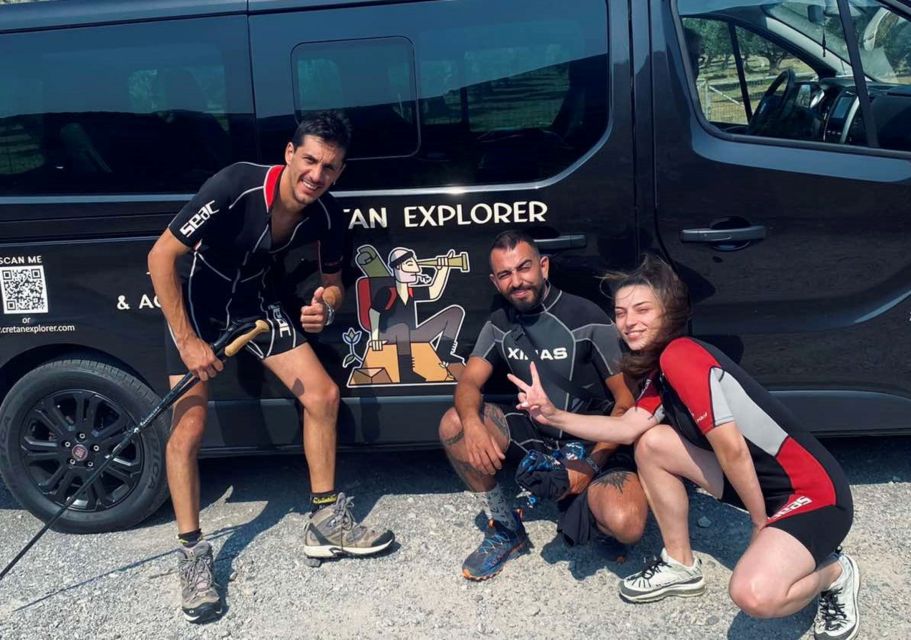
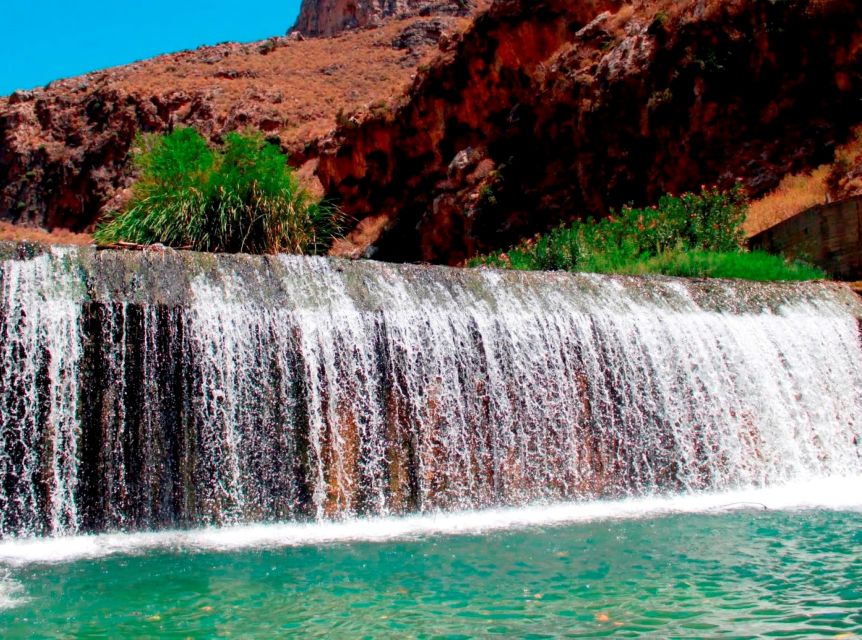
The first stretch focuses on one thing: the gorge’s big waterfall. You get an amazing view early, and the flow doesn’t pause. The water coming down from the mountains is powerful, and it sets the tone for the whole trek.
Then comes the moment that turns this from a hike into an adventure. There’s a small, safe jump designed to cool you off, and the location is described as ideal for photos. It’s not “reckless”—the setup is part of why this experience feels safer than trying to copy it on your own.
After that, you move down the river with more splashing and pool time. The waterfall cave element is one of the highlights: people love the idea of swimming into the great waterfall area inside the big cave. That “closed-in” space plus the thunder of water makes for a memory that’s hard to compare to anything else in Crete.
If you’re sensitive to cold water, that first plunge is still manageable. Neoprene suits are included, and the guide controls pacing so you’re not rushing in.
Moving downstream: natural pools and paths away from crowds
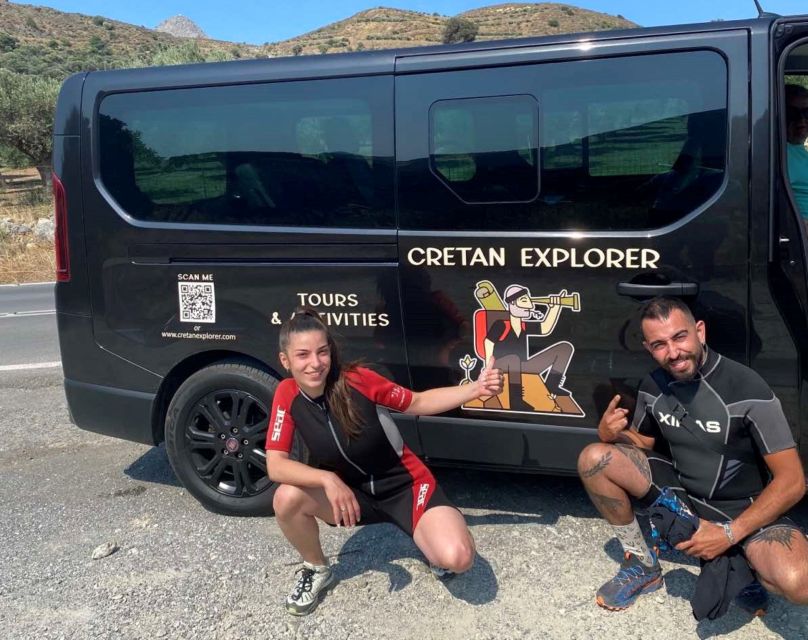
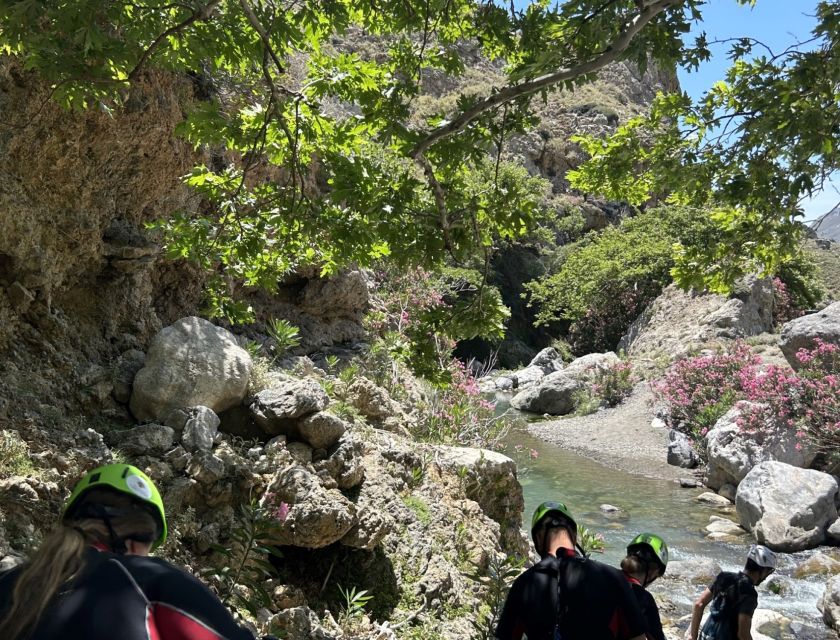
After the initial waterfall zone, the day keeps going. You walk along the shore through the gorge, and you’re not just waiting around for the next photo. Along the route, there are natural pools where you can stop, cool down, and enjoy short moments of play.
One detail I think you’ll appreciate: the route includes “special paths” that help you stay away from crowds. It changes the feel of the day. Instead of being funneled through the same few stops, you get a calmer experience that still feels close to the water and the plants.
This is also where the scenery starts to feel more “lived-in by nature” than “tour stop.” Plane trees and the canyon’s changing light create good photo opportunities, especially when the group pauses and you’re near the river edge.
Timing wise, there’s a stretch where you walk down for around two more hours into the gorge before you reach the exit. That’s enough time to feel like you did something real, without turning it into an all-day endurance slog.
The exit through olive trees and the Banana Garden lunch reset
When you reach the exit, you transition from “gorge energy” to “easy human break.” The exit point is an old olive grove area, and from there you head to Banana Garden—often described as a hidden paradise-like spot—where you refresh and talk about what you just did.
The light lunch is included after the trek. Expect a simple, satisfying meal style (and drinks aren’t included with the lunch). In real-world terms, this is where sore legs stop complaining and you start focusing on the day again.
From the way people describe it, the walk out doesn’t feel like a long punishment after leaving the water. There’s often a short uphill bit and then flatter paths through a valley setting until you reach the car area. Even if your legs are tired, it helps that the hard part is done: the descent and the water action are the main effort.
This finish matters. If you’ve ever done “activity + 10 minutes snack” tours, you’ll notice the difference here. You get an actual decompression stop.
What you should bring and wear so your day stays fun
Water trekking is easiest when you pack smart. Use the recommended items as your baseline:
Bring:
- Swimwear
- Towel
- Water (plus any snacks you personally want)
- Comfortable shoes or sports shoes
- Cash for the €5 entrance fee
- Flip-flops (useful for drying and changing)
- Any extra layers you prefer, if you get cold easily
About footwear: watershoes with soft soles are not suitable. That’s a key detail. If your shoes flex too much, footing can feel unstable on rocks and in water. You want something that grips and holds shape.
Also: keep your phone safe even with waterproof gear. You’ll be near splashes and pool water, and while a waterproof case helps a lot, it’s still smart to secure it and use it during the pauses rather than constantly handling it.
Fitness and safety fit: who should go, and who should skip
This is described as a moderate hike suitable for most fitness levels, but it’s still a river trekking day. You’ll be walking on uneven surfaces, getting wet, and doing short swimming moments.
It’s not recommended for:
- Pregnant women
- People with back problems
- People with mobility impairments
- People with heart problems
- People with recent surgeries
- People over 70
- People who are visually impaired
If you’re dealing with a knee injury or a similar issue, it may still be possible with the right guidance and pacing. One person noted the guide took special care for knee comfort, which is encouraging. Still, you should be realistic about what your body handles: cold water, wet footing, and continuous movement.
This is also why helmets, poles, and experienced guides matter. The best value comes when the activity stays controlled and predictable, especially during the more action-heavy parts.
Getting there from Rethymno or Plakias: transfers that matter
Logistics are part of the experience here, because you’re hiking through the gorge and don’t want to end up backtracking.
Pickup is optional and depends on where you’re staying:
- Hotel pickup around Rethymno is optional
- Pickup is also available from the Plakias area and certain nearby villages like Sellia, Mirthios, Lefkogia, and Mariou
You’ll also get transfers between the exit point and the entrance of the gorge. That’s one of those “small details” that makes a big difference. It turns the day into a smooth activity instead of a scavenger hunt for rides.
The pickup information is shared with you in advance, so plan to check your day-before details if you’re using the pickup option.
Photo notes and comfort tips for the best results
This tour is built for photos, but only if you plan for the water conditions.
My advice:
- Use your phone during the action pauses, not while you’re trying to keep balance on moving rocks.
- Count on the cave waterfall area for your strongest shots, especially if your case protection is secure.
- Bring a towel that’s actually absorbent, because changing quickly keeps you comfortable for the rest of the trek.
- Wear comfortable socks if you use shoes that might rub when wet.
- If you want to capture the waterfall and pool moments, listen carefully during the briefing so you know when the timing is best.
One practical perk: waterproof cases for mobiles are included, and one person praised that the group had these protections available. That means you won’t need to hunt for gear at the last minute.
Also, if it’s very hot, you might find the water temperature a relief. Neoprene suits help no matter what, but you’ll still feel the contrast between sun and gorge water.
Should you book this tour?
Book it if you want a real river experience in central Crete: swims, natural pools, and the signature waterfall cave moment, with safety gear and guidance that keeps things organized. The included equipment and guide time make the $112 feel reasonable, especially compared to trying to replicate the route yourself and arranging all the waterproofing and transport.
Skip it if you fall into the listed “not suitable” categories or if you know you’re not comfortable with cold water, wet rock footing, or continuous movement in a canyon environment.
If you’re deciding between multiple Crete activities, this is the one I’d pick when the weather is warm and you want to cool down while still doing a moderate hike. You’ll leave with the kind of day that feels more like a story than a checklist item.
FAQ
How long is the Kourtaliotiko Gorge guided river trekking experience?
The duration is 5 hours.
What’s the total cost, and is there an extra entrance fee?
The price is $112 per person, and there is an additional €5 per person entrance fee paid in cash. Drinks during lunch are not included.
What’s included in the tour price?
It includes an experienced guide, neoprene short-sleeve suits, waterproof cases for mobile phones, waterproof backpacks, helmets, hiking poles, a light lunch after the trek, and transfers between the exit and entrance of the gorge. It also includes skip-the-line for the entrance ticket. Optional hotel pickup is offered in certain areas.
Do I need to bring a phone case?
Waterproof cases for mobile phones are included, but you should still bring your phone in a protected way and use it when it makes sense during stops.
What should I bring for the trek?
You should bring swimwear, snacks (optional but recommended), water, sports shoes or comfortable shoes, cash for the entrance fee, a towel, flip-flops, and a water-ready setup. Watershoes with soft soles are not suitable.
Is hotel pickup available?
Pickup is optional. You may be picked up from around Rethymno, and also from the Plakias area and nearby villages such as Sellia, Mirthios, Lefkogia, and Mariou. You’ll receive exact pickup details.
What swimming time should I expect?
You can expect swimming and cooling-off moments in natural pools, plus the main waterfall-cave highlight and a small, safe jump early in the route.
What languages is the guide available in?
The live tour guide is available in English, German, Italian, Spanish, and Greek.
Who is this activity not suitable for?
It’s not suitable for pregnant women, people with back problems, people with mobility impairments, people with heart problems, people with recent surgeries, people over 70, and people who are visually impaired.