Heraklion hits different when you eat your way through it. This tour strings together Cretan food tastings with city sights and local stories, so you’re not just looking at landmarks—you’re learning what people eat, make, and brag about.
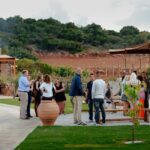
I love the small-group pace (fast enough to feel like a proper tour, slow enough to enjoy the stops), and I love the variety: bougatsa and coffee up front, then sweets and honey, plus raki and classic meze later on.
One thing to consider: the walking areas can be noisy, and sound might be a little hard to catch depending on where you stand.
In This Review
- Key things to know before you go
- Why this Heraklion food tour is a smart way to start
- Meeting near the Heraklion Archaeological Museum
- Venetian Harbor vibes: Koules, fountains, and the Loggia walk
- Churches, streets, and market energy in the middle of the day
- The first bites: bougatsa, coffee, honey, and Cretan sweets
- Rocca a Mare Fortress and the rhythm of breaks
- Stivania workshop: leather boots, handmade process, and local craft
- Local café and taverna-style meze: where you settle in
- Pastry History Museum as a finale
- Price and value: what $106 includes in real terms
- Sound and pace: the one watch-out
- Who this tour is best for (and who might skip it)
- Should you book the Food Tour in Heraklion?
- FAQ
- How long is the Food Tour in Heraklion?
- Where does the tour start?
- What’s included in the price?
- What food and drinks will I try?
- Is the tour in English?
- Is there a break during the tour?
- What should I bring?
- Is there free cancellation?
- Can I reserve and pay later?
- Is the group small?
Key things to know before you go
- Tastings built into the route: you’ll eat at multiple stops instead of doing it all at one restaurant
- Icon stops that anchor the day: Old Venetian Harbor sights, plus Agios Minas and Agios Titos
- A stivania workshop visit: you’ll learn about handmade leather shepherd boots, not just taste food
- Central Market time: a real look at local products and flavors in the middle of the walk
- Ends with a pastry focus: the tour finishes at the Pastry History Museum area
- English host on the move: you get city context as you walk, not just a food list
Why this Heraklion food tour is a smart way to start
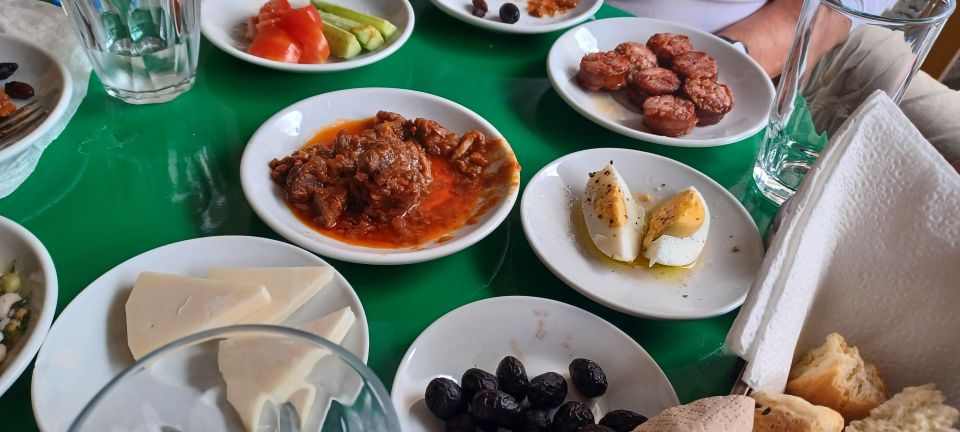
If Heraklion is new to you, this kind of tour can help you get your bearings fast. You cover a compact slice of the city on foot, with pauses that let you slow down and actually taste things. That matters because Crete’s food culture isn’t only about what’s on the plate—it’s also about the places people gather, shop, and celebrate.
The tastings feel spread out across the afternoon, so you’re not waiting until the end to eat. And because the route includes landmarks like Agios Minas Cathedral and churches such as Agios Titos, you get a sense of how food fits into daily life and local identity, not just sightseeing.
This is also a good value for the time. At $106 for 4 hours, you’re paying for an English-speaking host, multiple tastings, and structured market/workshop stops. You’d likely spend similar money if you tried to do it yourself—just without the guidance and without the “why” behind what you’re eating.
You can also read our reviews of more food & drink experiences in Heraklion


Meeting near the Heraklion Archaeological Museum
Your tour starts at a statue in the square, tied to the Heraklion Archaeological Museum area. It’s a central starting point, which helps if you’re building the rest of your day around the tour. You’ll meet your English host and get going on foot through the city’s core.
From there, you pass through Plateia Eleftherias and take a few guided moments where you can snap photos and orient yourself. There’s also time set aside for a photo stop on Dedalou, plus a visit at Βασιλική Αγίου Μάρκου. Even if you’re not a details-only museum person, these early stops matter because they set the tone: you’re learning as you walk.
Practical tip: wear comfortable shoes. The tour is built around walking breaks and short stretches between tastings, so you want good grip and cushioning.
Venetian Harbor vibes: Koules, fountains, and the Loggia walk
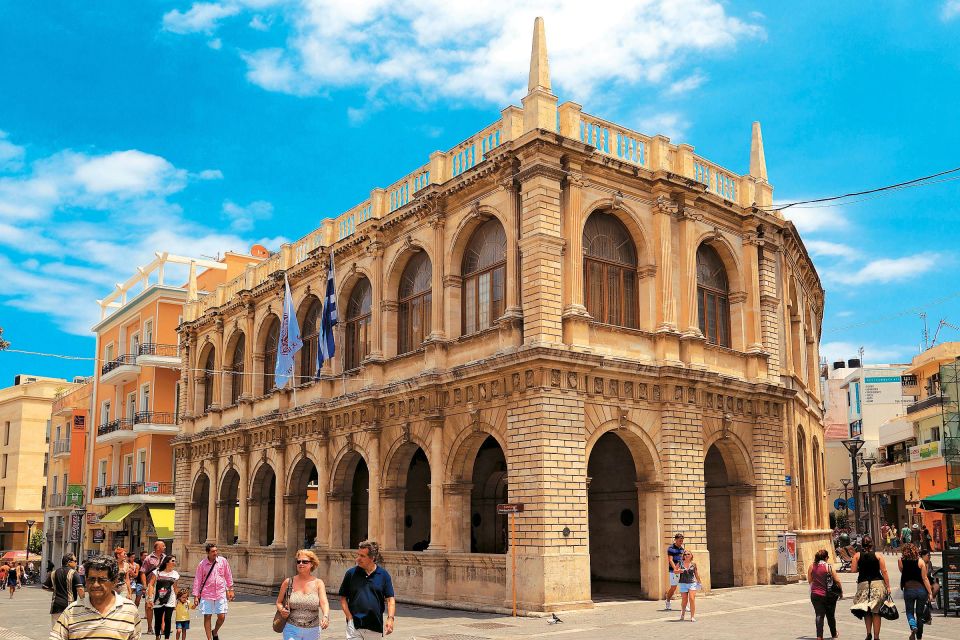
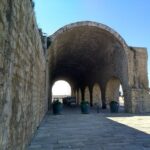
One of the coolest parts of the route is the way the city’s layers show up as you move. The tour includes a look at Κoules Fortress (Castello del Molo) at the Old Venetian Harbor area. Then you keep rolling through the harbor-side atmosphere—part historic, part everyday city life.
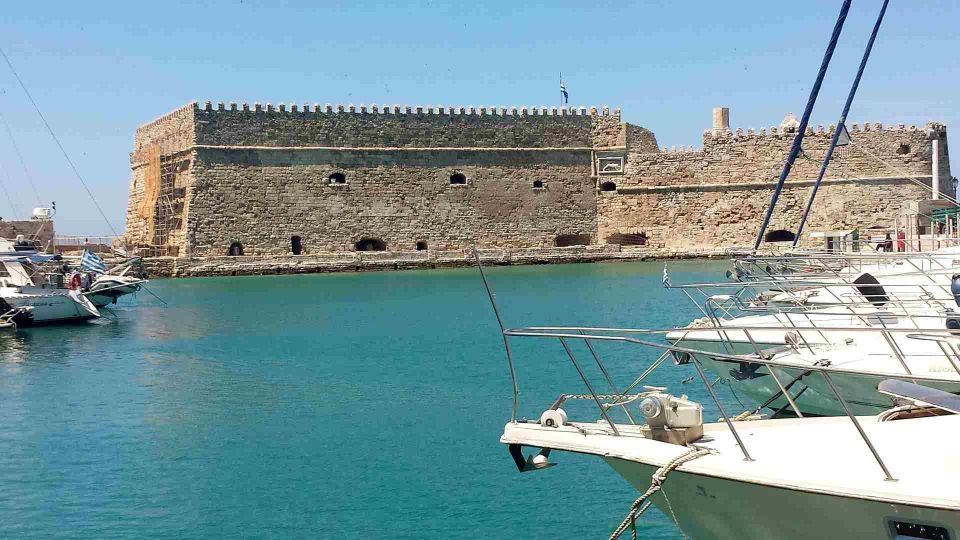
You also get a photo moment at Morosini Lions Fountain and a visit at the Venetian Loggia. These stops are great if you like architecture but don’t want a long, lecture-heavy history session. Here, you get the key points as you walk, then you keep moving toward the food.
Why I like this setup: it breaks the day into “see, taste, walk, repeat.” You don’t feel trapped in one neighborhood for hours, and the scenery helps make the eating moments feel more special.
Churches, streets, and market energy in the middle of the day
After the harbor-side section, the tour leans more into classic Heraklion streets and religious landmarks. You’ll visit Agios Titos Church with photo stops and guided time, and you’ll also spend time around Agios Minas Cathedral with guided touring along the way.
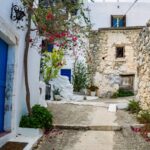
There’s even a quick photo stop connected to 25th Avgoustou 17. The listing doesn’t call it out as a major landmark, but these smaller stops help connect the city’s texture—side streets and local angles that big tours often skip.
Then comes the best sensory shift: Central Market, Heraklion. This is where the day starts smelling like real shopping and real cooking. You’re not just eating in a tidy restaurant setting; you’re seeing ingredients and local products in the place where people choose them.
If you like taking photos, this is a prime stretch. The market stop is timed as a guided walk with photo moments, so you’re not stuck rushing or guessing what to look for.
The first bites: bougatsa, coffee, honey, and Cretan sweets
The food portion has a strong start. You begin with Cretan bougatsa paired with strong Greek coffee. This combination is a smart kickoff because it’s recognizable, filling, and it gives you a baseline for what the tour will keep doing: pairing local staples with simple, high-quality flavors.
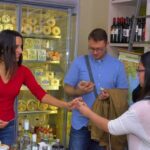
From there, you’ll move into tastings that focus on premium local honey and traditional Cretan sweets. These stops are where you can actually learn what you like. Some people gravitate toward the pastry side; others prefer honey-forward bites. Either way, you’ll leave with a better idea of what you want to hunt down later.
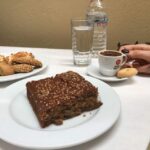
Raki enters the mix as part of the traditional tasting set, and you’ll also have coffee and dessert time at a local café break. In other words: this isn’t a single-meal tour. It’s designed so your palate stays awake and interested throughout the walk.
You can also read our reviews of more tours and experiences in Heraklion

Rocca a Mare Fortress and the rhythm of breaks
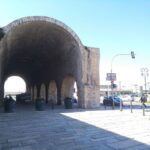
About mid-afternoon, the tour adds a breath of space with Rocca a Mare Fortress. The listing schedules a break here, plus sightseeing time and photo stop moments. That’s useful if you’re touring with someone who gets tired of constant walking. You get a reset without losing the flow.
After the fortress, you’ll continue toward more landmark stops, including the Agios Minas Cathedral section and then the Central Market. So the day keeps moving, but you still get a planned pause.
This rhythm is one of the reasons the overall pace works. Denise’s experience highlighted that the pace felt fast but not chaotic, and the mix of restaurants and antiquities felt well balanced. That balance is exactly what you’re looking for if you want both culture and eating.
Stivania workshop: leather boots, handmade process, and local craft
One of the most memorable non-food stops is the family-run workshop focused on stivania, the traditional leather boots worn by Cretan shepherds. The tour gives you a chance to see the craftsmanship side of local culture—how a practical item becomes part of identity.
What you’ll take away here is the handmade process and why the boots matter culturally. Even if you don’t buy anything, this kind of stop makes the whole tour feel more grounded. Food can be seasonal and personal, but craft connects it to everyday life: materials, labor, tradition.
This is also a nice change of pace after market time and church visits. It turns the day from “taste and walk” into “taste and understand.”
Local café and taverna-style meze: where you settle in
The itinerary includes at least two eating-focused moments besides the early bougatsa. First, you have a local café break with coffee, dessert, and food tasting.
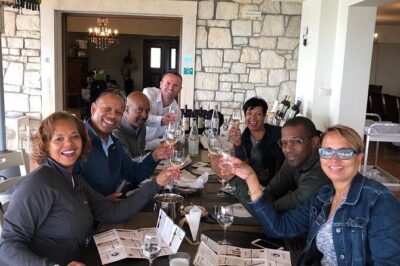
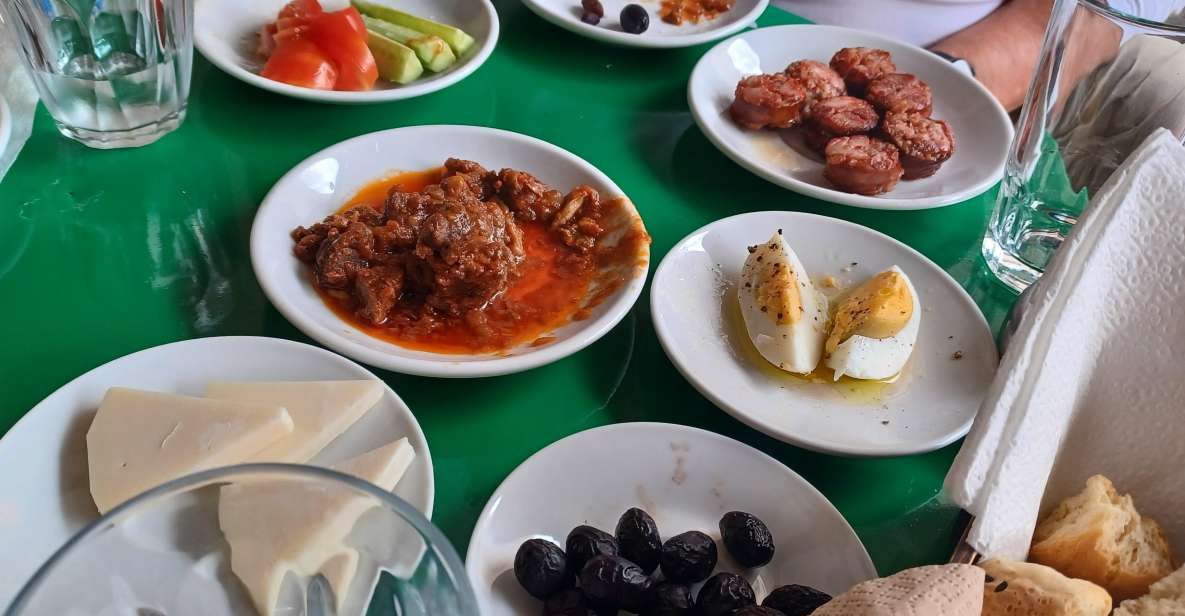
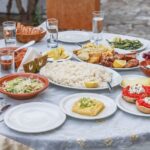
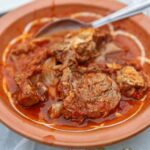
Later, there’s a break at a local restaurant where you’ll get more food tasting time. The overall tour description also frames the experience as ending in a traditional taverna style setting with classic Cretan meze. In practice, that means you should expect a more relaxed, sit-down feel compared to the market browsing.
This is where you’ll likely feel the most “Crete” in one sitting: small plates, shared energy, and the sense that you’re eating the local way rather than just sampling bites like a checklist.
Tip: if you’re sensitive to strong coffee, pace yourself. Greek coffee is part of the route, and you’ll have dessert and other tastings later.
Pastry History Museum as a finale
The tour ends at the Pastry History Museum. That’s a great finishing move because it ties back to what you’ve been tasting: the pastry side of Cretan sweets and comfort food.
It’s also a strong way to avoid that awkward end-of-tour feeling where you’ve eaten enough to be satisfied but you still want something to do. Here, the finish gives you a cultural “wrap” that matches the theme of the day.
I’d treat the finish as a natural springboard. After you’ve built a flavor memory of the day, you’ll know what to look for on your own later—especially if you pass another pastry shop or honey stall.
Price and value: what $106 includes in real terms
At $106 per person for 4 hours, you’re paying for more than food. Your ticket covers:
- multiple food and drink tastings
- an English-speaking host guiding the walk
- market and traditional workshop visits
If you tried to replicate this yourself, you’d have to pay for each meal and tasting separately, plus you’d still need a way to find the specific workshop and understand what you’re looking at in the market. The value here is the structure: the food shows up at the right moments, and the sights are used as anchors for story and context.
Also, the reviews reflect a strong experience fit. Maureen specifically called out time with Rallou, the guide, and praised the way the tour showed her Heraklion. Denise noted the variety of local fare and the pacing mix. When you consistently see that pattern—variety plus good pacing—you can feel confident the tour is designed to work for people with limited time.
One more practical note: if you’re on a tight schedule, this is the kind of activity that can carry your afternoon. You don’t need to build a separate food plan after, because the tastings are integrated into the walk.
Sound and pace: the one watch-out
The main drawback isn’t the food or the route—it’s audio. One reviewer pointed out that the guide could have used a microphone, and that background noise can make hearing harder.
You can’t control the city sound level, but you can control where you stand. If you want to catch every explanation, aim to stay closer to the host rather than floating to the side for photos. If you’re the type who relies on crisp sound for conversation, consider that the environment may be noisy.
On the pacing front, the tour is fast enough to feel energetic, but it still includes break moments and multiple stops where you can sit and taste.
Who this tour is best for (and who might skip it)
This works especially well if you:
- want to learn Heraklion through food and city spots instead of doing separate tours
- like market time and hands-on craft stops
- prefer a guided plan when you only have a half-day
It may not be ideal if you:
- hate walking and want long sit-down time only
- struggle with audio in busy outdoor areas unless you can position yourself well
Should you book the Food Tour in Heraklion?
I’d book it if your main goal is to taste widely without spending your whole day planning. The combination of bougatsa and coffee, honey and sweets, raki, and meze-style eating gives you a real sample of Cretan flavors, while the church and market stops keep the experience anchored in place.
You’ll also get a standout cultural stop with the stivania workshop, which adds depth beyond eating. Just go in with the expectation that you’ll be walking and that sound can be tricky—then you’ll get exactly what this tour is designed to deliver.
FAQ
How long is the Food Tour in Heraklion?
The tour lasts 4 hours.
Where does the tour start?
It starts at the statue in the square, connected to the Heraklion Archaeological Museum meeting area.
What’s included in the price?
You get multiple food and drink tastings, an English-speaking local host walking tour, and visits to local markets and traditional workshops.
What food and drinks will I try?
You’ll taste traditional dishes and sweets, plus coffee and raki. The tour also specifically includes Cretan bougatsa with strong Greek coffee, honey, and traditional Cretan sweets, along with meze at the end.
Is the tour in English?
Yes, the host or greeter provides the tour in English.
Is there a break during the tour?
Yes. The itinerary includes break time at a local café and again at Rocca a Mare Fortress, plus another break at a local restaurant.
What should I bring?
Bring comfortable shoes for a walking tour.
Is there free cancellation?
Yes. You can cancel up to 24 hours in advance for a full refund.
Can I reserve and pay later?
Yes. You can reserve now and pay later.
Is the group small?
Yes. The tour is described as a small-group experience.