A day on Crete that mixes myths and real viewpoints. I like the clear flow of stops—Panagia Kera Kardiotissa first, then the high plateau world of windmills and caves, and finally Knossos for the Minoan big hits. The guides (I even heard how well Katie handles French explanations) make the stories understandable, not just read-off plaques. One caution: the cave visit depends on conditions, and you’ll also be walking uphill toward it, so build in a bit of patience for timing.
The price is solid for a full-day circuit—$53 with pick-up service across a big chunk of the north coast, an air-conditioned coach, and a professional multilingual guide. Entrance fees are extra, though, and the day can feel bus-heavy if you’re hoping for long, slow stays at each place.
In This Review
- Key things I’d center on before you go
- First stop: Kera Kardiotissa Convent on the way to the plateau
- Lasithi Plateau: windmills, drainage ditches, and the 18-town feeling
- Psychro Village and the Zeus cave area: stalactites, stalagmites, and time pressure
- Tzermiado hill town: lunch plus old-stone charm without the rush
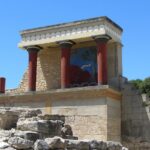
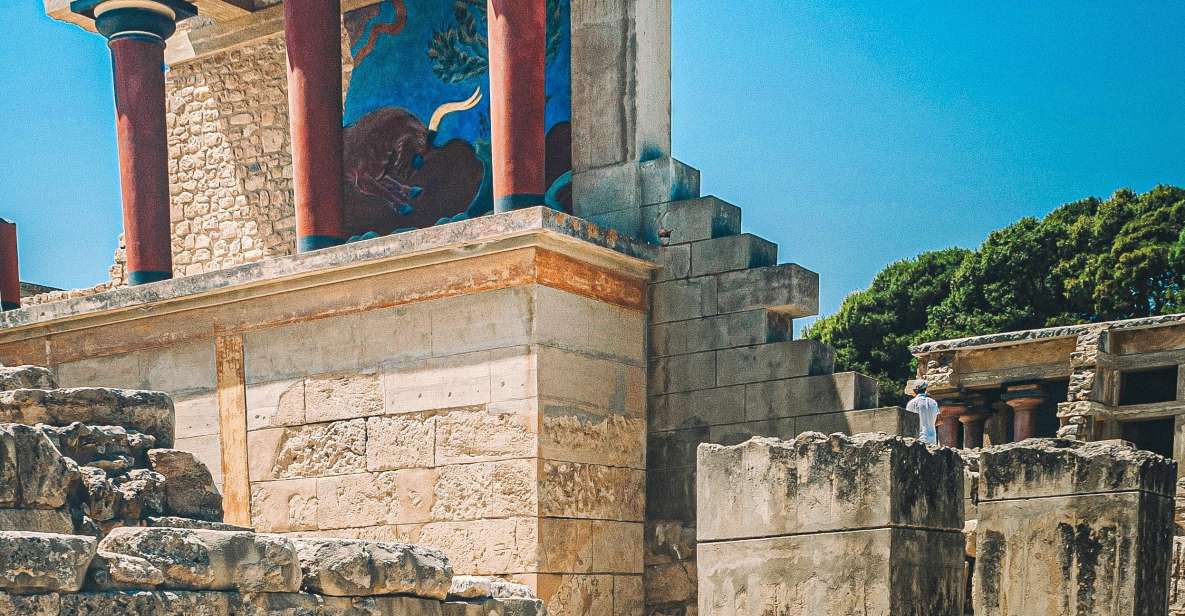
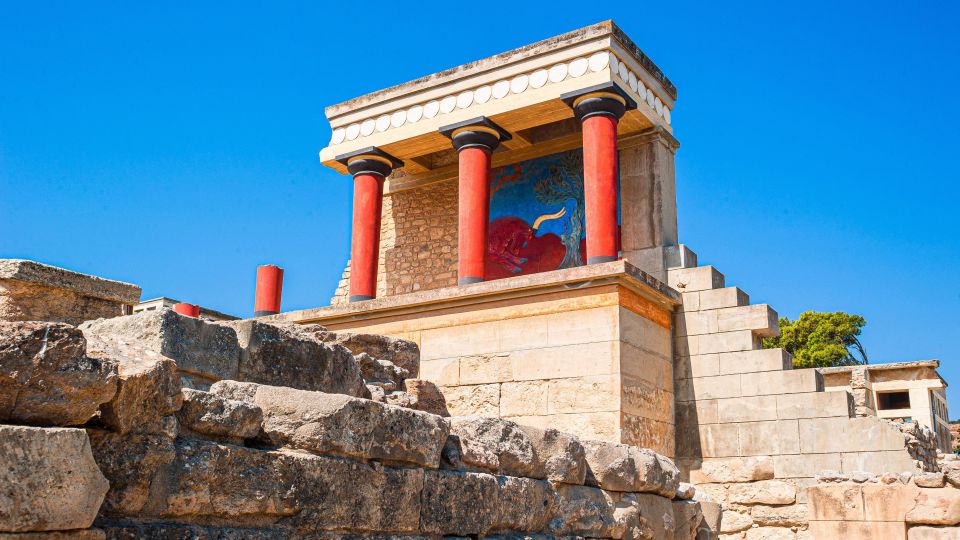
- Knossos Palace: where the Minotaur story turns into a place
- The transport and pacing: good organization, but expect bus time
- What’s included vs. what you’ll pay separately
- What to pack for a smoother day
- Who this tour suits best (and who should think twice)
- Should you book the Crete: Lasithi Plateau & Knossos Palace Tour?
- FAQ
- Is pick-up included, and where does it run?
- What entrance fees cost extra?
- How long is the tour?
- Is the Zeus cave visit inside guaranteed?
- How much walking is involved?
- What should I bring?
Key things I’d center on before you go
- Kera Kardiotissa Monastery: a nuns-run convent stop with a miraculous Marian image and older icons you can actually see, not just hear about.
- Lasithi Plateau at 850 meters: windmills and drainage ditches (the Venetian system) explain why this plain looks the way it does.
- Psychro Village plus the Zeus cave area: you get the cave timing plus a craft-focused break, including a ceramics workshop-style visit.
- Tzermiado lunch and village atmosphere: a hill-town pause with guided time, snacks, and the simple pleasure of eating local without racing.
- Knossos in one guided walk: the Minotaur/Labyrinth story becomes easier to follow once you’re standing on the palace grounds.
- A “three languages” tour trade-off: when explanations run in multiple languages, moments can be less detailed than a single-language tour would be.
First stop: Kera Kardiotissa Convent on the way to the plateau
This tour starts at a working monastery: Panagia Kera Kardiotissa. It’s run by nuns, and that matters because you’re not just sightseeing inside a museum shell—you’re visiting a living religious place with an atmosphere that feels calmer than most tourist stops.
You’ll get a break and photo stop first, then a guided visit with time on your own. The highlight here is the miraculous image of the Virgin Mary, plus a collection of paintings and icons from the 1400s. If you like religious art, this is the kind of stop where you can actually slow down and look.
Practical note: you’ll want to dress comfortably and keep your expectations realistic. This is a short, structured stop—so go in knowing you’ll be choosing a few details to focus on instead of trying to see everything.
You can also read our reviews of more tours and experiences in Heraklion.

Lasithi Plateau: windmills, drainage ditches, and the 18-town feeling
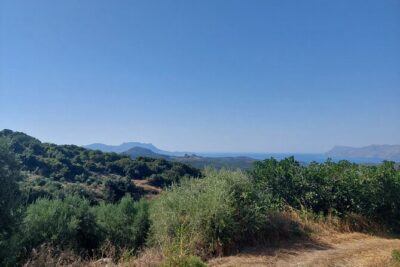
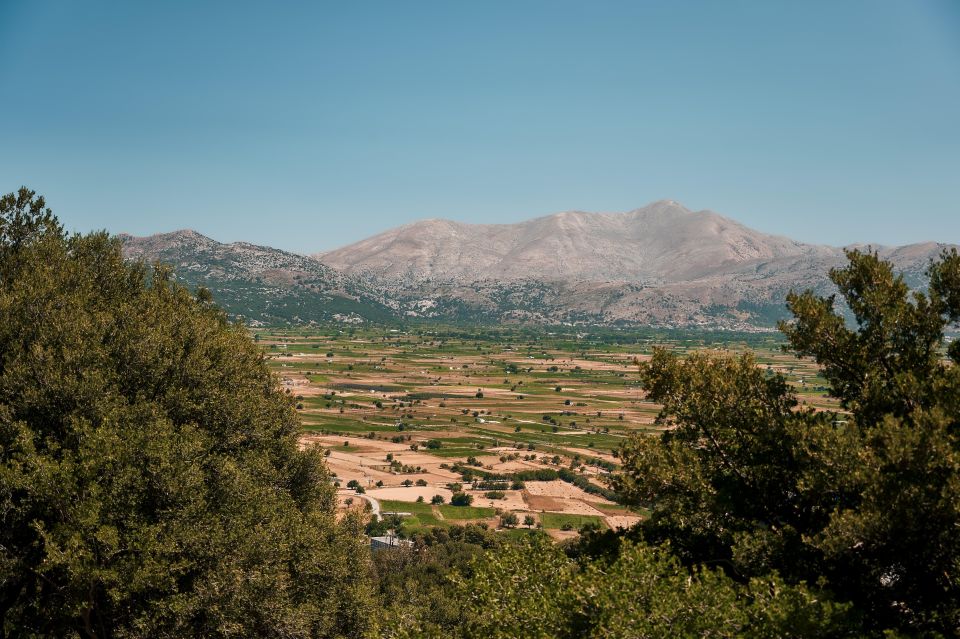
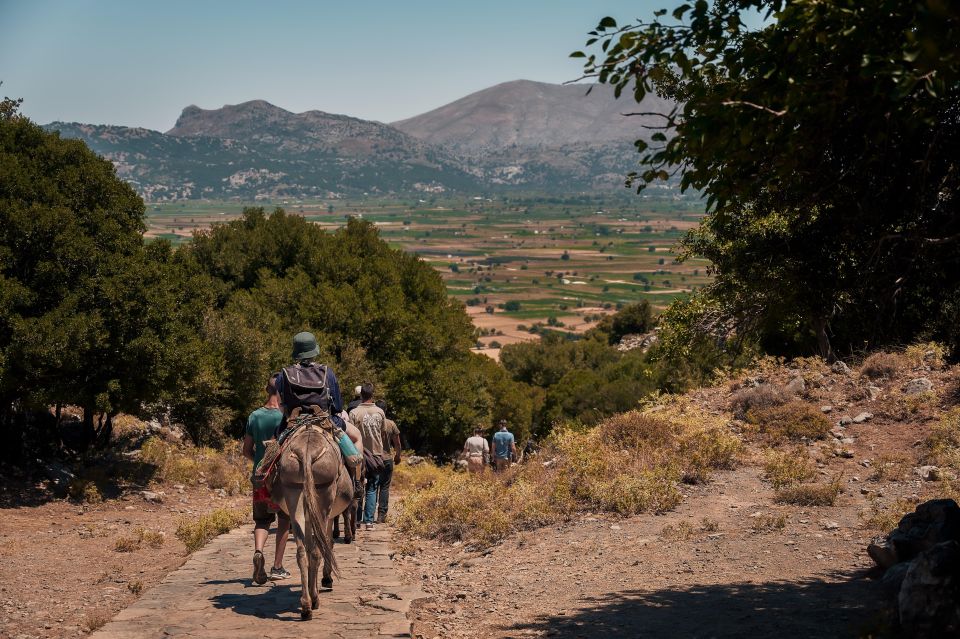
Next you move into the Lasithi world. The plateau sits about 850 meters above sea level, which is why the air and light feel different from the coast. The setting is also tied to the Dikte Mountains and the plateau’s 18 towns, which helps you understand why locals built life up here instead of treating it as a blank highland.
This is also where the tour’s explanation adds value. You’ll hear about the plateau’s windmills still standing and the complex Venetian ditch system that drains the plateau. Those ditches aren’t just trivia—they’re a key to why agriculture and settlement patterns make sense in a high plain surrounded by mountains.
What I like about this stop is the way it gives you a mental picture. You start the day near sea level, then you look out and realize you’re in a different Crete. The myths feel more believable here, too, because the terrain itself looks older than the roads.
Psychro Village and the Zeus cave area: stalactites, stalagmites, and time pressure
You then reach Psychro, a pretty village setting that works as a pause before the cave portion. The tour includes time for photos, a visit, free time, and an arts-and-crafts market stop tied to the area’s workshop culture.
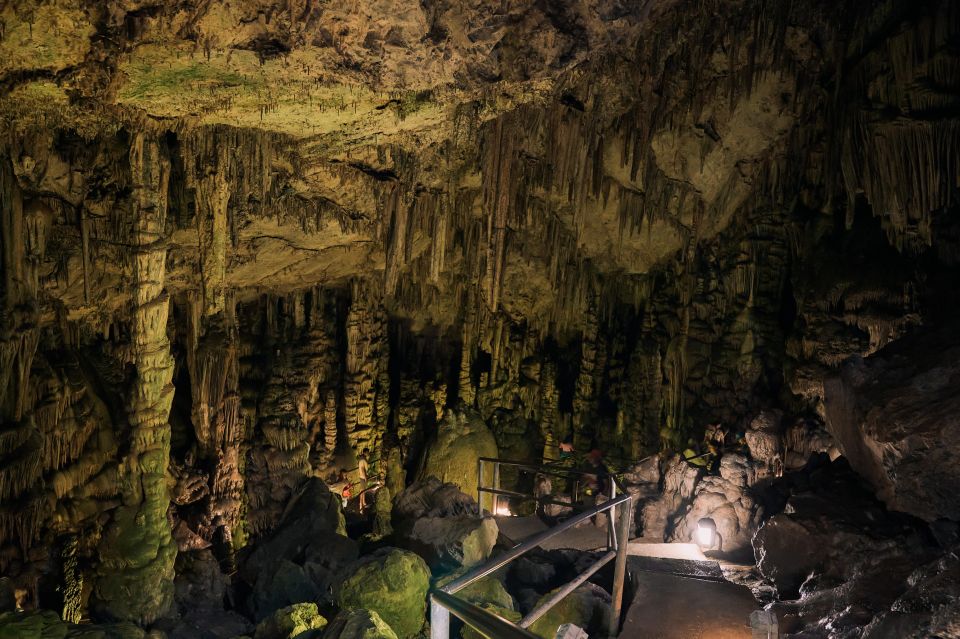
The cave you’re aiming for is the Dikteon Cave, connected to the belief that it’s where Zeus was born. It’s known for impressive stalactites and stalagmites, and that’s the kind of natural feature you can’t fully appreciate from outside.
Two realities to plan for:
- There’s a walking requirement toward the cave: you’ll be going uphill about 300 meters.
- Cave access can be affected by operational conditions. On some days, the cave may be closed, which means you may lose the chance to go inside.
If the cave is open when you go, go in with a “don’t waste time” mindset. The interiors are cool, but you don’t want to end up back at the group when your actual visit was the part you cared about most. Comfortable shoes are not optional here—this is not a flip-flop day.
Also remember: the cave entrance fee is not included (listed as 6.00€), so have cash or a plan for payment on the day.
Tzermiado hill town: lunch plus old-stone charm without the rush
After the cave/village portion, the tour shifts into a gentler mode with Tzermiado. This hill town is described as the capital of the towns on the hill, and you can feel the difference: fewer big-ticket sights, more of that lived-in Crete vibe.
You’ll get a break, photo stop, guided visit, and then time to eat. Lunch is built into the stop (and it’s positioned as a local pub experience), plus there’s time for local snacks and free exploring.
This part of the day works well for two types of travelers:
1) If you’re tired from transit and walking, Tzermiado gives you a “sit down and reset” window.
2) If you love small places, you can trade big-site crowds for street corners and quiet viewpoints.
Don’t expect long, slow wandering like a free-day plan. This is still a timed tour, but the stop is long enough that you can eat properly and not just grab something and bolt.
Knossos Palace: where the Minotaur story turns into a place
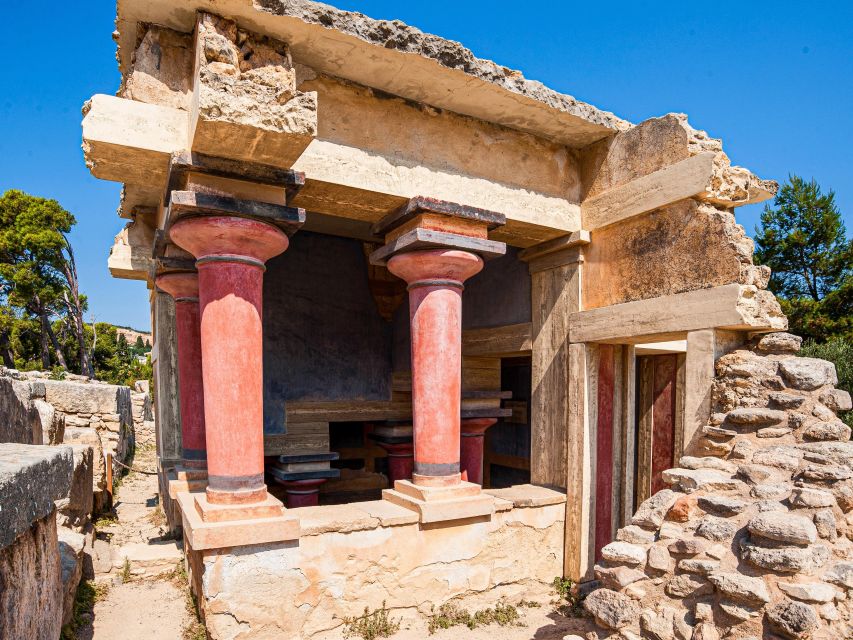
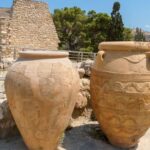
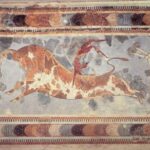
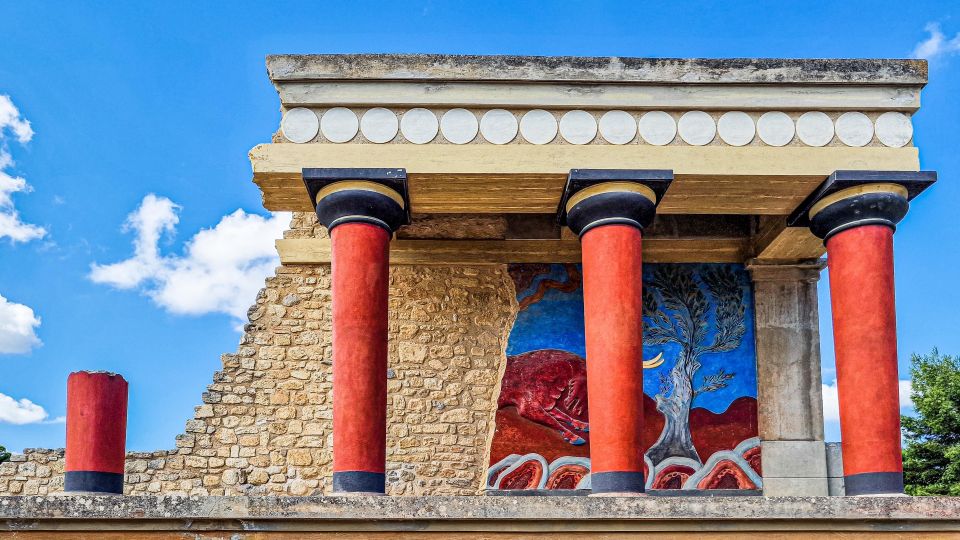
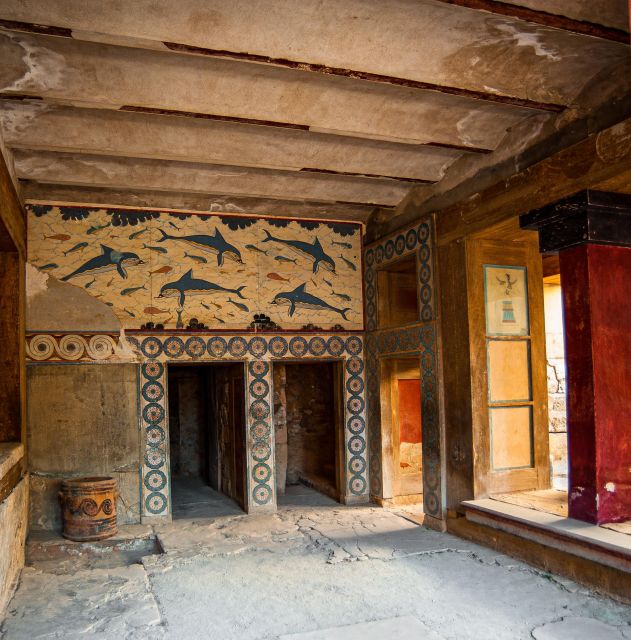
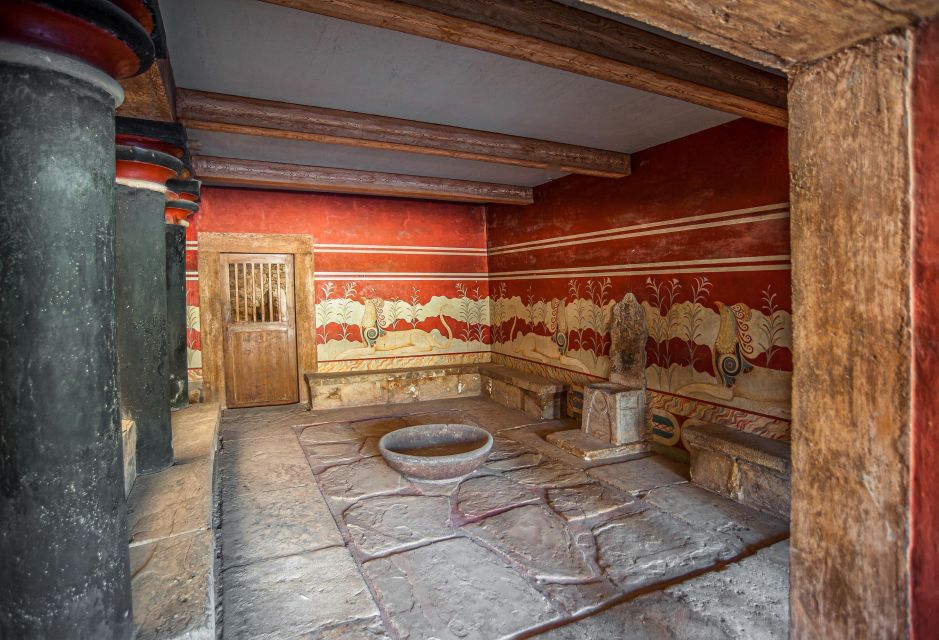
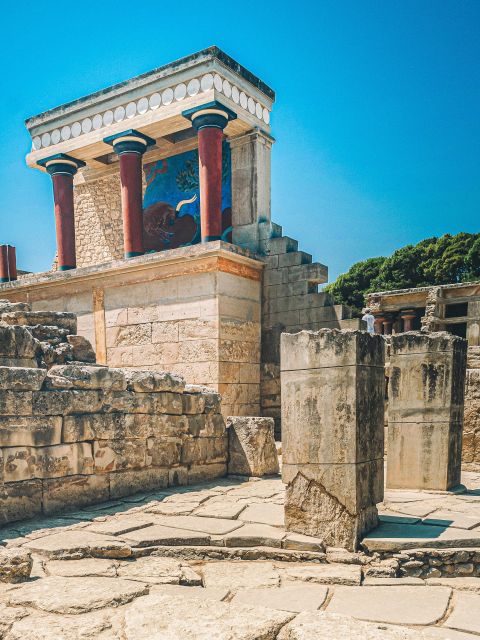
By the time you reach Knossos, you’re ready for the big names. This is the famed Minoan palace and the setting tied to King Minos, the Minotaur, and the Labyrinth mythology. You’ll get a guided walk through the ruins and time for free exploring afterward.
The guided portion is what helps most. Knossos can feel like “random walls” if you’re reading from your own guidebook alone. With a guide pointing out the palace logic—how sections relate, why certain areas mattered—you start to understand why Knossos became the political center in its time.
It’s also a good moment for a worldview shift. The tour frames Knossos as the capital of the Minoan state, and while you don’t need to obsess over dates, being there makes the cultural claim easier to accept: this is old. Very old.
Practical note: the Knossos entrance fee is not included and is listed as 15€ per person (with reductions available). Plan for that cost if you want the full experience inside. Also, bring cash if that’s what the site expects that day.
Time-wise, you’ll have around 110 minutes total for the Knossos segment, which is enough for a guided walk plus a decent look around if you don’t get stuck photographing every stone.

The transport and pacing: good organization, but expect bus time
The tour uses air-conditioned coach transportation and includes professional driver service. You’ll also have pick-up and drop-off that covers many north-coast areas, including places like Heraklion, Hersonissos, Malia, and nearby resorts. That’s part of why the day is smooth: you don’t have to coordinate separate rides between scattered sites.
The pacing is the trade-off. This is a 10-hour circuit, and that means you’ll spend time on the road. The stop durations are short-to-medium, which keeps everything moving but can feel like you’re doing highlights rather than deep study.
There’s also the language setup: tours run in English, French, and German. One travel experience point to know is that three-language formats can limit how detailed explanations get during fast-changing moments, because the guide is covering multiple audiences.
Still, the overall organization seems to work well. The day is long, but the structure helps you avoid the common Crete problem: wasting half your time trying to connect buses and find places you can’t quite locate.
What’s included vs. what you’ll pay separately
This matters for value, so here’s the clean split.
Included:
- Professional, multilingual speaking guide
- Professional driver
- Air-conditioned coach transfers
- Pick-up service from any place between Agia Pelagia – Malia
- Liability insurance via Generali
Not included:
- Cave of Zeus (Dikteon Cave) entrance: 6.00€
- Knossos Palace entrance: 15€ per person (reductions available)
- Kera Monastery entrance: 2.00€
So you should budget for entrances on top of the base price. The good news is that the main sites on the day do charge entry, so you’re not paying extra for optional add-ons—you’re paying the normal site costs to see what you came for.
What to pack for a smoother day
You’ll be outside a lot and walking, including the uphill segment toward the cave. Bring:
- Comfortable shoes
- Sunglasses
- Sun hat
- Water
- Comfortable clothes
- Cash
The tour also notes that alcohol and drugs aren’t allowed. If you’re thinking of grabbing a drink during lunch, keep it to what’s served there, and don’t plan on bringing your own.
Who this tour suits best (and who should think twice)
This works best if you want a one-day itinerary that links Crete’s myth layer (Zeus) with its archaeology superstar (Knossos) and still includes real village life (Psychro and Tzermiado).
It’s a good match for:
- First-time visitors who want a “cover the classics” day
- People who like guided storytelling more than solo exploration
- Travelers staying along the north coast who don’t want to drive
You might think twice if:
- You hate bus time and want long, slow stays everywhere
- You care most about the cave interior and would be disappointed if it’s closed that day
- You prefer single-language depth rather than a three-language delivery format
Should you book the Crete: Lasithi Plateau & Knossos Palace Tour?
If your priority is seeing Kera Kardiotissa, experiencing the Lasithi Plateau scenery and myth setting, and ending at Knossos with a guided interpretation, this tour is a strong value for a full day. The included transport saves time, and the stop variety keeps it from turning into one long archaeology lecture.
Just go in with two expectations locked in: entrances cost extra (cave, Knossos, monastery), and the cave visit depends on actual conditions and your willingness to handle the uphill walk. If those match your travel style, you’ll likely come away feeling you covered a meaningful slice of Crete in one organized day.
FAQ
Is pick-up included, and where does it run?
Yes. Pick-up and drop-off are included from many north-coast locations, and pick-up coverage is stated for areas between Agia Pelagia and Malia (the exact pick-up point is sent by email after booking).
What entrance fees cost extra?
The Dikteon Cave (Zeus cave) entrance is listed at 6.00€, Knossos Palace at 15€ per person (reductions available), and Kera Monastery at 2.00€.
How long is the tour?
The total duration is listed as 10 hours.
Is the Zeus cave visit inside guaranteed?
Not necessarily. The tour includes the cave area, but the information you have also notes that the cave can be closed, so access may vary by day.
How much walking is involved?
The tour notes a walk uphill of about 300 meters to the cave.
What should I bring?
Bring comfortable shoes, sunglasses, a sun hat, water, comfortable clothes, and cash.