Flying over Crete beats any postcard. I especially like the view of Lake Kourna from the air and the confidence that comes with a professional pilot running the show. One consideration: the experience isn’t for everyone, since you need to be comfortable with heights and you should follow their listed medical limits.
You’ll ride in a two-seat paratrike with a setup designed for comfort and conversation. You get live English guidance, plus an audio guide with Greek and English options. Timing is flexible based on conditions, so plan for a quick weather-related check a few days before you fly.
In This Review
- Key Things That Make Chania Paratriking Different
- Why Chania From the Sky Makes So Much Sense
- The Paratrike Setup: Helmets, Two Seats, and Fast Takeoff
- Getting to the Launch Point: Near Hotel Euphoria’s Parking
- The 20 Minutes Over Crete: Lake Kourna, Lefka, Ori, and the Coastline
- What the experience feels like in your body
- Safety and Suitability: What They Say, What You Should Consider
- Weather Changes and Plan B: When Paratriking Isn’t Possible
- What to Bring (and What to Skip)
- Certificates, Video Options, and What the Price Covers
- Comfort for Different Needs: Wheelchair Access Meets Real Limits
- Who Should Book Chania Paratriking (and Who Should Skip It)
- Should You Book It?
- FAQ
- How long is the Chania paratriking experience?
- Where do I meet the team?
- Is experience required to go paratriking?
- What’s included in the price?
- What should I bring for the flight?
- Who isn’t it suitable for?
Key Things That Make Chania Paratriking Different
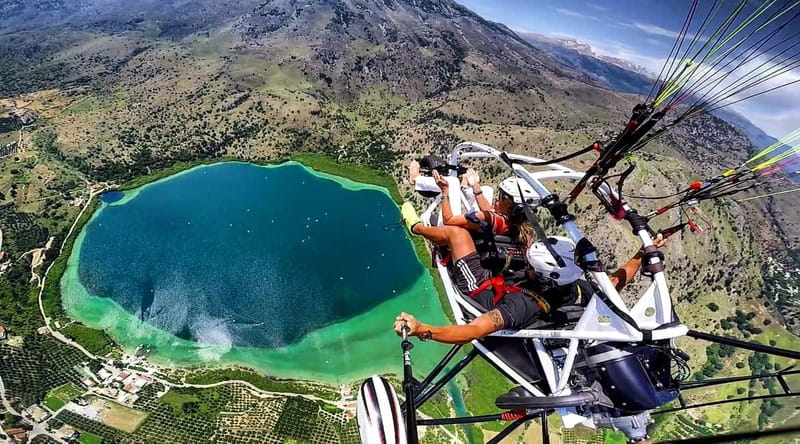
- Lake Kourna from above: you can pick out the lake’s shape and edges as you glide over it
- Mountain backdrop with Psiloritis and the White Mountains: look for the peaks in the background while the sea stays below
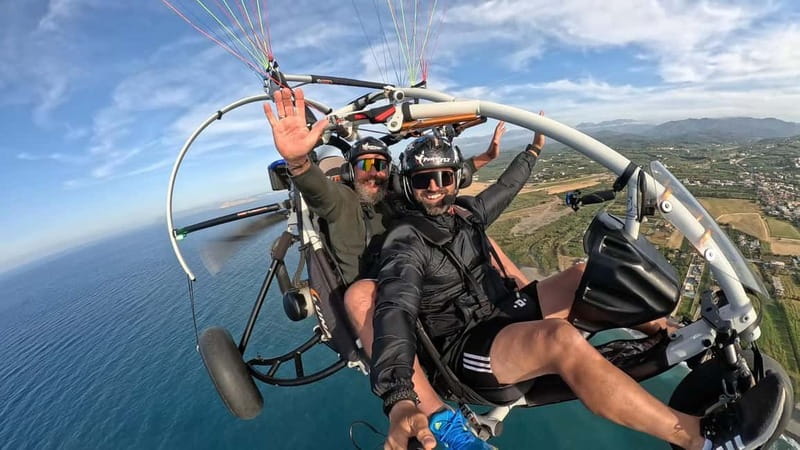
- Helmet communication built in: you and the pilot wear wired helmets so you can talk during the flight
- A 2-seater paratrike that gets airborne fast: the powered setup brings you up quickly, with a short time to takeoff
- Real wildlife possibility: the route is described as a chance to spot Caretta caretta turtles swimming and nesting on the beach
Why Chania From the Sky Makes So Much Sense
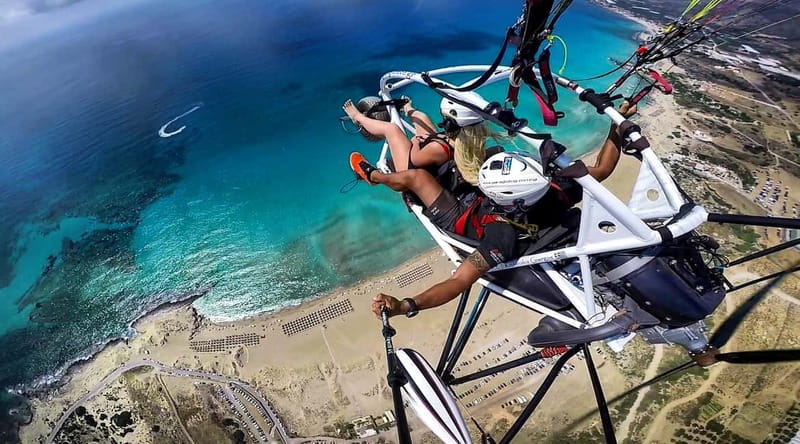
Chania is one of those places where the shoreline views don’t stop at the harbor. From above, everything gets clearer: the curve of the coast, the way land folds into sea, and how the mountains sit behind it all. This paratriking experience is built for that kind of instant geography lesson.
I also like that the experience is structured around comfort. You’re not strapped into an all-or-nothing seat. It’s a two-seater paratrike with the pilot and passenger sharing the same space, plus a helmet setup for communication. That matters if you’re a little nervous. It’s much easier to relax when you can ask questions and hear what’s happening.
Still, it’s not a casual stroller activity. You’ll be in the air over the coastline, and they list clear limits for people with certain conditions. If heights are a problem for you, take that seriously.
You can also read our reviews of more tours and experiences in Chania.
The Paratrike Setup: Helmets, Two Seats, and Fast Takeoff
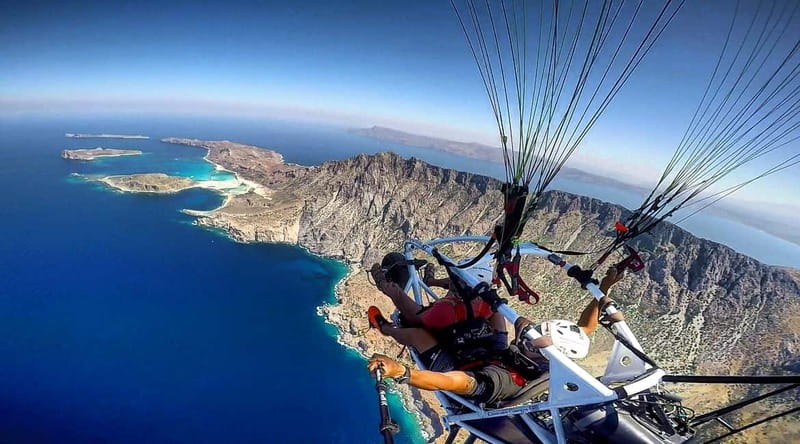
This is paratriking, not just “paragliding with a seat.” The key difference is the three-wheel trike (two seats) plus the powered launch. The engine and parachute combination is described as getting you airborne in about one minute. For you, that means less waiting and more time enjoying the views.
Before you lift off, there’s preparation time included. You also get the equipment from the pilot/instructor, including a helmet. The helmet system is wired so you and the pilot can speak while you’re in flight. That makes the whole experience feel more like guided touring than passive sightseeing.
Comfort-wise, the trike design is meant to keep both people steady and relaxed. The pilot’s job is to fly and manage the route, while you focus on looking out at sea, coastline, and mountains.
Getting to the Launch Point: Near Hotel Euphoria’s Parking
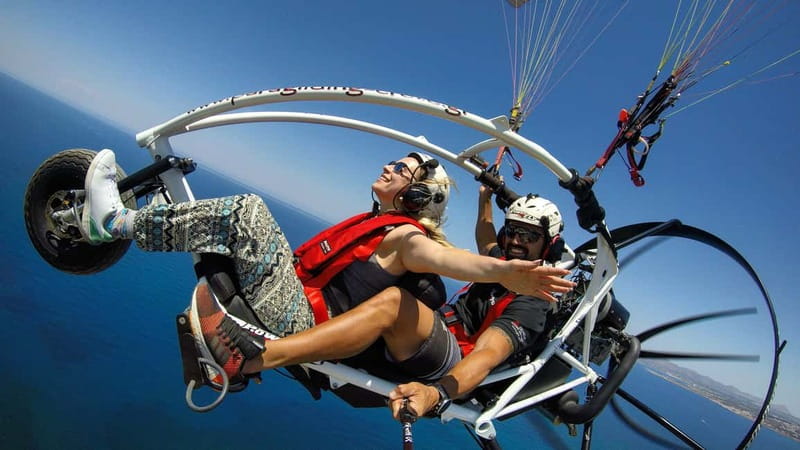
Meet up is simple but specific: they’re located next to Hotel Euphoria’s parking in Chania. You’ll communicate with them so they can send you the exact spot using Google Maps. The activity ends back at the meeting point, so you’re not stuck finding your way afterward.
In practice, expect a short lead-time of coordination. A few days ahead, they contact you based on weather conditions, including when and where the flight will happen. That timing check is part of how they keep the experience running smoothly and safely.
If you’re the type who likes to be early, I’d do it. The flight itself is only 20 minutes, so you want the rest of your time on the ground to feel calm, not rushed.
The 20 Minutes Over Crete: Lake Kourna, Lefka, Ori, and the Coastline
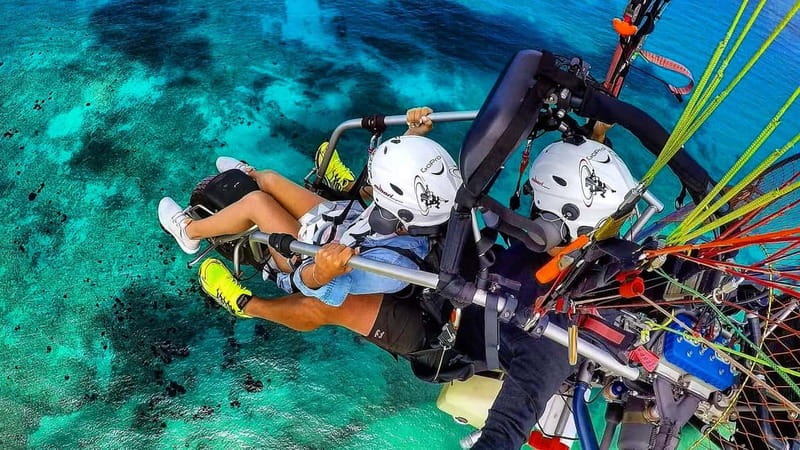
The flight is short on paper, but it doesn’t feel short if the weather cooperates. You’ll be in the air long enough to see major landmarks and understand how they relate to each other.
Here’s what the experience is built around:
- Lake Kourna: You’ll be able to spot the lake from above as you fly
- Lefka and Ori: these are part of the coastal and mountain view picture you’ll be tracking mid-flight
- The White Mountains and Psiloritis: look for the mountain range features in the background
- The sea and coastline underneath: the aerial view is the point, and this is where the trike really shines
One of the best parts of a short flight like this is focus. You don’t have time to get distracted by small talk. You watch. You point. You take in how the coastline bends and how inland terrain rises behind it.
And yes, there’s a wildlife angle. The highlights include a chance to spot Caretta caretta turtles swimming and nesting on the beach. Wildlife spotting is always weather- and season-dependent, so don’t assume you’ll definitely see them. But knowing the route has that possibility adds something fun and memorable to the flight.
What the experience feels like in your body
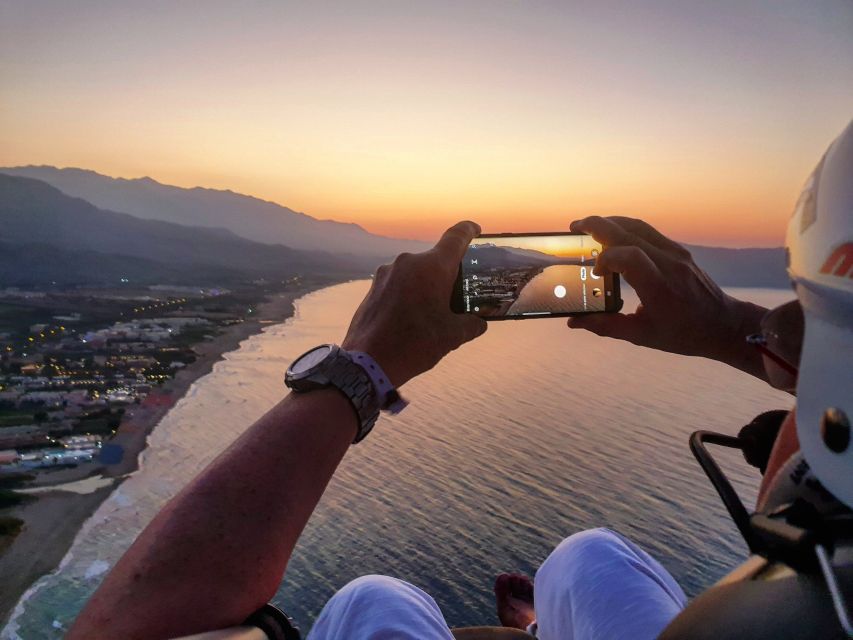
You’re told you can feel the sun and clouds on your skin while watching the sea below. That’s not a vague marketing line—it’s basically the point of open-air flying. If you’re prepared for wind, you’ll enjoy it more.
Safety and Suitability: What They Say, What You Should Consider
The experience is described as safe and requiring no prior experience. Equipment is provided, and the pilot/instructor handles flight operation. The helmets and guided communication are also part of what makes this feel managed rather than chaotic.
That said, you should match yourself to their “not suitable” list. They note it’s not suitable for:
- Children under 6 years
- Pregnant women
- People with heart problems
- People afraid of heights
- People with vertigo
- People with epilepsy
- People with pre-existing medical conditions
Here’s my practical take: even if something sounds safe, the restrictions exist for a reason. If you have any uncertainty about how you react to heights, motion, or medical limits, ask before you book.
Also note a small gear rule: hats are not allowed. The wind and helmet fit matter, so bring what you can wear comfortably without a hat.
Weather Changes and Plan B: When Paratriking Isn’t Possible
Weather can shift fast in Crete. They contact you a few days before with weather-dependent timing and location. And if conditions force a change, there can be a swap to paragliding instead. That’s a real-world possibility based on an example of coordination and fast rescheduling.
What I like about how this is handled is communication. You’ll receive meeting point guidance and timing details, and they use WhatsApp for coordination. If you need to reschedule, they can help you arrange another day when possible.
Tip for you: don’t treat your flight date like an untouchable commitment. Build in a little flexibility so you can take the best weather window, not the first calendar slot.
What to Bring (and What to Skip)
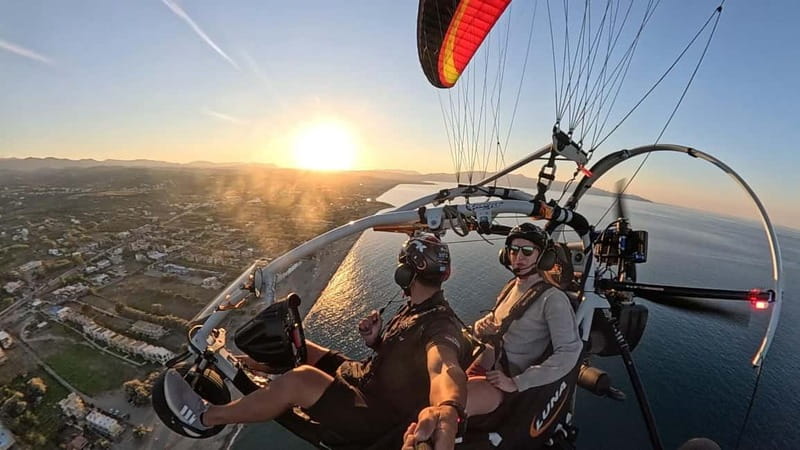
This is one of the easiest parts to get right, because the list is specific. For your flight day, bring:
- Warm clothing and a windbreaker
- Sunglasses
- A jacket and comfortable clothes
- Sports shoes
- Weather-appropriate layers
- Thermal clothing if it tends to be cool where you’re staying
A paratrike ride can be cool even when the city feels warm. Wind exposure is real, and you want layers that you can tolerate for 20 minutes without getting stiff.
Skip:
- Hats
- Smoking (they specify no smoking in the vehicle)
If you tend to overpack, resist the urge. You mainly need comfortable layers, wind protection, and a way to keep your eyes comfortable in sunlight.
Certificates, Video Options, and What the Price Covers
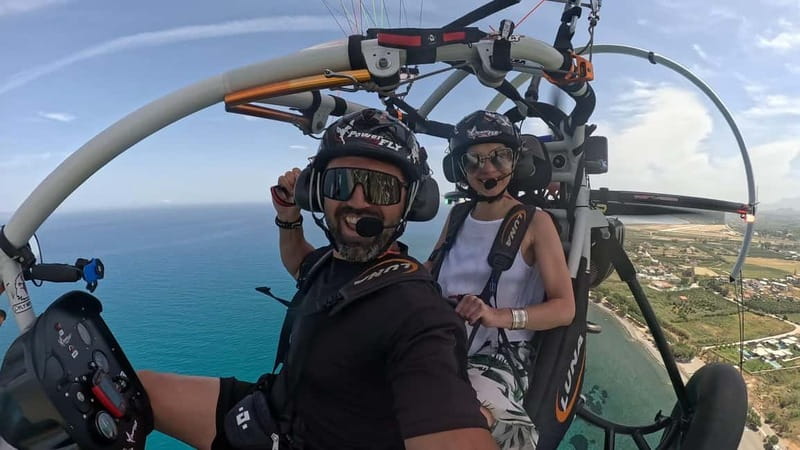
The price is $158 per person, and the experience lasts 20 minutes, depending on availability and conditions. Is it good value? In my view, yes if you want a professional-guided aerial view without learning anything yourself.
You’re paying for:
- Preparation and guidance
- A professional pilot/instructor
- Helmet and flight in a 2-seater paratrike
- A commemorative certificate
What isn’t included:
- Hotel pickup/drop-off
- Video of the experience on a memory card
- Food and drinks
One helpful nuance: there can be an optional video add-on. In at least one case, the option included taking the entire SD card with you. Since video details aren’t fully listed in the base information, I’d ask when you book or when you confirm your time slot.
If you’re already carrying a camera phone, bring it. But also remember the helmet and wind mean you might want a snug, practical setup rather than fiddling with gear mid-flight.
Comfort for Different Needs: Wheelchair Access Meets Real Limits
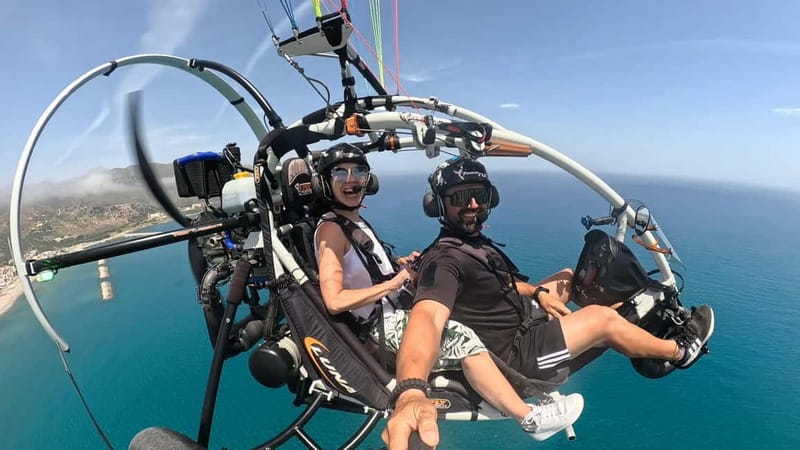
The activity is listed as wheelchair accessible, and it includes support from the team when movement is limited. That can make a big difference if the walk to the takeoff area is short but still challenging.
At the same time, you’ll notice the medical restrictions. So it’s not “all conditions welcome.” It’s more like: accessibility and assistance are available for mobility needs, but they still have safety boundaries for things like vertigo, heart conditions, epilepsy, and other pre-existing conditions.
If you have mobility limits, tell them when you book. You’ll get a clearer sense of what support they can provide on the ground.
Who Should Book Chania Paratriking (and Who Should Skip It)
Book this if:
- You want a guided aerial view of Lake Kourna and the coastline without any training
- You like the idea of a short, high-impact experience that stays focused
- You prefer a setup where you can talk with the pilot through wired helmets
- You’re comfortable taking a weather-dependent slot and staying flexible
You might skip this if:
- You strongly dislike heights or you have vertigo
- You have heart problems, epilepsy, or other pre-existing medical conditions listed as not suitable
- You need hotel pickup, since none is included in the base offering
If you’re on the fence, I’d use this quick test: can you picture yourself looking down from the sky for a few minutes? If the answer is no, it’s better to choose a different activity and protect your comfort.
Should You Book It?
If you’re choosing between “another day of photos” and a real aerial perspective, I think paratriking in Chania is a smart pick. The combination of a two-seat trike, guided instruction, and landmark views over Lake Kourna, mountain ranges, and the sea makes the 20 minutes feel like it has a purpose.
Just check your comfort level with heights, pack for wind, and be ready for weather timing. If you do those three things, you’ll likely come away feeling like you saw Crete in a way the ground can’t provide.
FAQ
How long is the Chania paratriking experience?
The flight duration is 20 minutes. Starting times depend on availability and the weather.
Where do I meet the team?
The meeting point is next to Hotel Euphoria’s parking in Chania. They’ll send you the exact location using Google Maps after you communicate with them.
Is experience required to go paratriking?
No. You don’t need experience because the pilot/instructor provides suitable equipment and handles the flight.
What’s included in the price?
Included: preparation for your flight, a professional pilot and instructor, helmet, flight in a 2-seater paratrike, and a commemorative activity certificate.
What should I bring for the flight?
Bring warm clothing, a windbreaker, sunglasses, a jacket, comfortable clothes, sports shoes, and weather-appropriate clothing. Thermal clothing can help if it’s cool.
Who isn’t it suitable for?
It isn’t suitable for children under 6, pregnant women, people with heart problems, people afraid of heights, people with vertigo, people with epilepsy, or people with pre-existing medical conditions.