Olive oil gets real fast in Kritsa. You start with visits to olive groves and the Cooperative of Kritsa, then you end up at a family-run taverna for tasting, a cooking lesson, and lunch. I like that it feels hands-on, not just a stop-and-snap photo deal, and I also like the way the experience connects the trees to what ends up on your plate. One thing to consider: it depends on good weather and it starts at 9:00 am, so plan your Crete morning accordingly.
This is priced at $155.77 per person and runs about 5 to 7 hours including travel time. You can request pickup, but you’ll need to contact the operator to confirm the exact pickup time from your hotel. I also like the format: it’s a private tour/activity, so it’s only your group.
At the taverna, Paradeisos, the vibe is very Cretan: practical cooking, olive oil tasting, and a lunch that feels like it belongs to the day, not to a scripted program. Service animals are allowed, it’s near public transportation, and most people can participate, as long as they’re comfortable with a few hours on the move.
In This Review
- Quick hits before you go
- Why Kritsa Is a Smart Choice for Your First Olive Oil Day
- Getting There: 9:00 am Start and Hotel Pickup Timing
- Stop 1 in Kritsa: Olive Groves and the Cooperative Connection
- The Taste Part: Olive Oil Tasting That Makes Food Sense
- Paradeisos Taverna: Cooking Lesson and Lunch (Where It All Comes Together)
- What the 5 to 7 Hours Really Means for Your Day Plan
- Price and Value: Does $155.77 Make Sense?
- Who Should Book This Olive Oil and Cooking Experience?
- Should You Book It? My Decision Guide
- FAQ
- What time does the tour start?
- Where do we meet for the tour?
- Is hotel pickup available?
- How long is the experience?
- Is this a private tour?
- What languages is the tour offered in?
- What if the weather is bad?
- Can I get a refund if I cancel?
- Are service animals allowed?
Quick hits before you go
- Kritsa olive groves first: you build context before you taste anything
- Cooperative visit: you see where the local olive story lives beyond the tree
- Paradeisos taverna lunch: food comes with your lesson, not after it’s over
- Cooking lesson included: you leave with skills you can repeat at home
- Private group experience: fewer people, more room for questions and pacing
Why Kritsa Is a Smart Choice for Your First Olive Oil Day
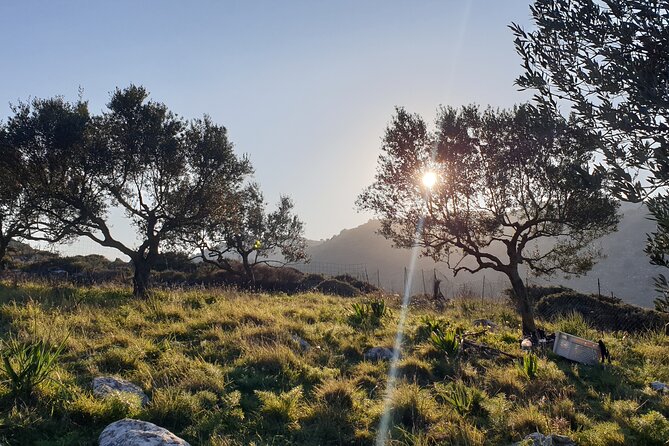
If you’re in Crete and you want to understand olive oil beyond the bottle label, Kritsa is a good place to start. The day is structured so you don’t just taste at random—you move from the natural origin of the oil (the groves) toward how the community organizes and supports olive production (the Cooperative of Kritsa).
What I like about this approach is that it helps you taste with your brain turned on. Instead of wondering why some olive oil hits peppery and others tastes softer, you can connect flavor to the overall care the olives receive and the local process behind the scenes. You’ll also spend time at a family-run taverna, Paradeisos, which keeps everything grounded in real food culture rather than turning it into a tourist show.
And yes, the day is built for people who like eating and learning at the same time. If you’re the type who asks what something is made from and how it’s used, this fits your style.
You can also read our reviews of more tours and experiences in Crete.


Getting There: 9:00 am Start and Hotel Pickup Timing
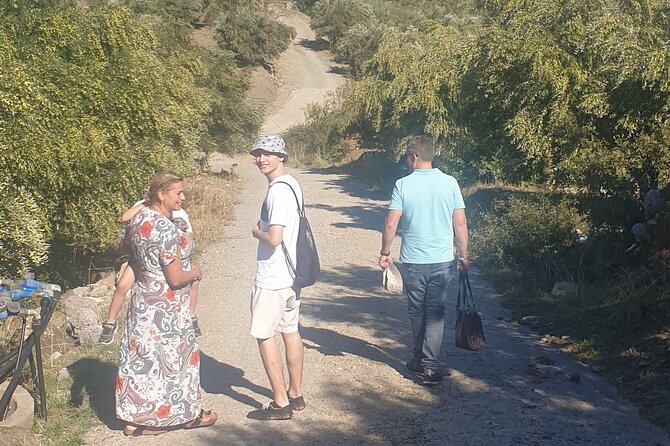
The tour begins at 9:00 am, with the meeting point at I.N. Panagías Kerás (Kimíseos Theotókou), Kritsa 721 00, Greece. It ends back at that same meeting point, so you’re not stuck negotiating the last leg after lunch.
Pickup is offered, but you’ll need to contact the operator to learn the exact pickup time from your hotel. That’s a normal thing for Cretan tours, where timing can vary based on where you’re staying. Still, it’s worth planning your morning to avoid arriving rushed—olive oil days are better when you’re early enough to settle in.
This is also a private tour/activity, meaning it’s only your group. For a food-and-culture experience like this, that matters. You can ask more questions without having to wait for a guide to finish a monologue for a big crowd.
Stop 1 in Kritsa: Olive Groves and the Cooperative Connection
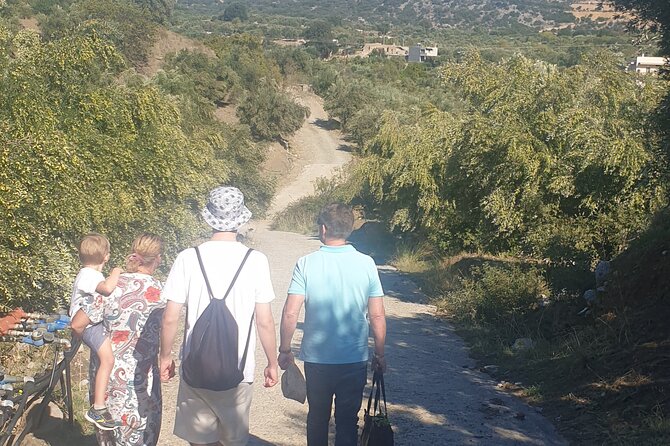
The day’s first big chapter takes you through Olive Groves in Kritsa. This is the part that sets the tone. You’re not starting with a tasting counter—you’re starting with where olive oil begins: the trees, the orchard setting, and the everyday presence of olives in the region.
From there, you visit the Cooperative of Kritsa. Even without getting overly technical, the value here is simple: you see how olive growing connects to a local system. The cooperative visit helps you understand that olive oil isn’t only a farmer’s task or a single household effort. It’s also about local organization and shared know-how—something you can feel when you’re actually there.
This stop is also where you’ll likely pick up the kind of details you can’t get from a menu. A guide named Nikos shares not just facts, but love for olive trees and olive oil making. That kind of storytelling is what makes the later tasting and cooking lesson land better.
The Taste Part: Olive Oil Tasting That Makes Food Sense
After the grove and cooperative visit, you get to olive oil tasting at Paradeisos. This is where the day clicks. Taste sessions can be awkward if you don’t know what to focus on, but this one is tied to a real food day: tasting, cooking, and lunch all in one flow.
Here’s how I suggest you approach the tasting so you get the most out of it:
- Smell first, then sip: let your nose set expectations before you commit
- Notice peppery vs. mild: don’t overthink it—just track the difference
- Pair it in your head: imagine the oil on bread, salad, or cooked dishes
You don’t need any formal training. If you came to Crete for food culture, you’re already halfway there. The point is to leave able to tell what you like and why, instead of picking oils randomly at home.
Paradeisos Taverna: Cooking Lesson and Lunch (Where It All Comes Together)
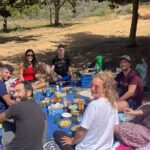
The heart of the day is at a family-run local taverna called Paradeisos. This is where you get the tasting plus a cooking lesson, and then you sit down for lunch.
I love the way the day is arranged here: the cooking lesson happens in the same place you’ll eat. That’s practical. It also keeps the lesson from feeling like a classroom exercise. You learn, you use what you learned immediately, and then you enjoy the result.
In the feedback I’ve seen from other participants, Paradeisos is described as a garden-to-table style experience, and Nikos is praised for combining olive tree knowledge with genuine warmth. That combination matters. When a guide explains the “why” behind the food—how olives become oil, how oil supports cooking—you start noticing small choices at the table.
Possible drawback: cooking lessons can be a bit hands-on. If you’re not comfortable with being active for a couple hours (standing, chopping, mixing, or moving around a kitchen area), you might want to plan around that. Still, the experience is listed as something most travelers can participate in, and it’s structured for regular visitors, not professional chefs.

What the 5 to 7 Hours Really Means for Your Day Plan
Tours that run half a day can feel short, but this one is doing multiple things: grove time, a cooperative visit, tasting, a cooking lesson, and lunch. Even though it’s roughly 5 hours in the itinerary outline, the broader time estimate of 5 to 7 hours is realistic once you factor in travel and the pace of private-group attention.
You should treat this like a main event in your schedule. If your Crete day is already packed with beaches, hikes, and late dinners, you might feel rushed. But if you build the rest of the day around it, it works nicely—especially because it ends back at the meeting point.
Also, it requires good weather. If conditions are poor and the tour can’t run, you’re offered a different date or a full refund. That’s worth keeping in mind when you’re booking around your most fixed plans.
Price and Value: Does $155.77 Make Sense?
Let’s talk value honestly. At $155.77 per person, this isn’t a budget “wander around town” activity. You’re paying for a full food day with guided visits, tastings, and a cooking lesson plus lunch, and you can also add hotel pickup.
Why I think it can be worth it:
- You’re not just tasting olive oil; you’re tasting it after seeing how the day connects from grove to local production to food
- You get a cooking lesson, which tends to be more memorable than passive listening
- Lunch is included, so you’re not paying extra for a meal at the end
- It’s a private tour, so your time feels less crowded and more flexible for questions
One consideration: if you only want to taste olive oil with no interest in cooking, then you might feel like you’re paying for more than you need. But if you want food knowledge you can use—and you like the idea of leaving with something you can reproduce—this price starts to look pretty fair.
Who Should Book This Olive Oil and Cooking Experience?
This works best for:
- People who like food culture and want a practical connection between ingredients and local life
- Travelers who enjoy asking questions, especially during tastings and hands-on lessons
- Groups who like a more personal pace (because it’s private)
It may be less ideal if:
- You hate early starts (it starts at 9:00 am)
- You get thrown off by outdoor-or-weather-dependent plans
- You want a slow, minimal-walking experience only
Good news: it’s listed as near public transportation, service animals are allowed, and most travelers can participate. So even if you’re not a hardcore hiker, you’re likely fine.
Should You Book It? My Decision Guide
If your goal is to understand Cretan olive oil the way locals experience it—trees, community, and table—then yes, I’d book this. The biggest strength is the whole-day logic: you taste and cook because you’ve already built context.
I’d skip it only if you’re mainly looking for a quick, low-commitment souvenir shopping stop, or if your schedule is too tight to spare 5 to 7 hours (especially with a weather dependency). Otherwise, it’s the kind of experience that makes your next meal in Crete taste more accurate.
One last tip: wear comfy shoes and plan to slow down afterward. You’ll likely want time to think about what you tasted and how you’d use that olive oil back home.
FAQ
What time does the tour start?
The start time is 9:00 am.
Where do we meet for the tour?
The meeting point is I.N. Panagías Kerás (Kimíseos Theotókou), Kritsa 721 00, Greece. The tour ends back at the meeting point.
Is hotel pickup available?
Pickup is offered. You’ll need to contact the operator to learn the exact pickup time from your hotel.
How long is the experience?
The duration is approximately 5 to 7 hours, including travel time.
Is this a private tour?
Yes. It’s a private tour/activity, so only your group participates.
What languages is the tour offered in?
The tour is offered in English.
What if the weather is bad?
This experience requires good weather. If it’s canceled due to poor weather, you’ll be offered a different date or a full refund.
Can I get a refund if I cancel?
Free cancellation is available. You can cancel up to 24 hours in advance for a full refund.
Are service animals allowed?
Yes, service animals are allowed.