Raki in the hills beats bar hopping. This 7-hour Crete outing pairs Skotino Cave and a Mount Juktas walk with real-life food and drink stops, not just a bus ride.
I really like that the day mixes viewpoints with hands-on-style cultural explanations, including how Cretans talk about olives, virgin olive oil, raki, and local wine. One caution: if you’re craving rough off-road driving or a fully wild “backcountry” feel, this route is more of a guided loop with photo/walk stops than an all-day dirt adventure.
In This Review
- Key things to know before you go
- A Cretan day trip built around raki, caves, and viewpoints
- Pickup, timing, and how the 7 hours feel in real life
- Skotino Cave: your first taste of Crete’s geology
- Kasteli coffee and Astritsi walks for that village rhythm
- Stironas lunch, wine tasting, and shopping time
- Mount Juktas: the real work portion of the day
- Juhtas raki and Cretan wine distillery: tasting with context
- The Cretan learning moments: olives, olive oil, and why they matter
- What’s included (and how that changes the value equation)
- What to bring, what to wear, and tour-day rules
- Who should book this Crete safari—and who should skip it
- Price and value for $101 per person
- Should you book the Safari with Juhtas, raki, and wine distillery?
- FAQ
- How long is the Safari: Juhtas mount, raki and wine distillery, explore Crete?
- What is included in the price?
- Are entrance fees included for archaeological sites?
- What languages is the guide available in?
- Where does pickup and drop-off happen?
- What should I bring for the day?
Key things to know before you go
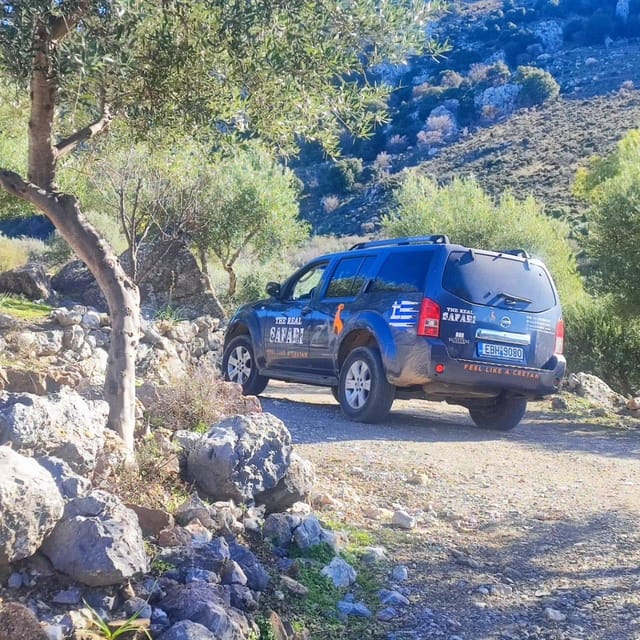
- Skotino Cave visit + photo time: short but memorable, especially if it’s your first time seeing this side of Crete.
- Mount Juktas walk (with hiking steps): expect uneven ground and plan for a real uphill effort.
- Lunch paired with tastings: you’re not just sampling drinks; you’re also eating traditional Cretan food.
- Raki and wine distillery focus: you’ll learn the story behind raki and Cretan wine, then taste.
- Village-style stops and sweet breaks: more “feel like a Cretan” than checklist tourism.
- Hotel pickup/drop in multiple areas: Malia, Heraklion, Hersonissos, Sisi, Anissaras, and more, depending on where you’re staying.
A Cretan day trip built around raki, caves, and viewpoints
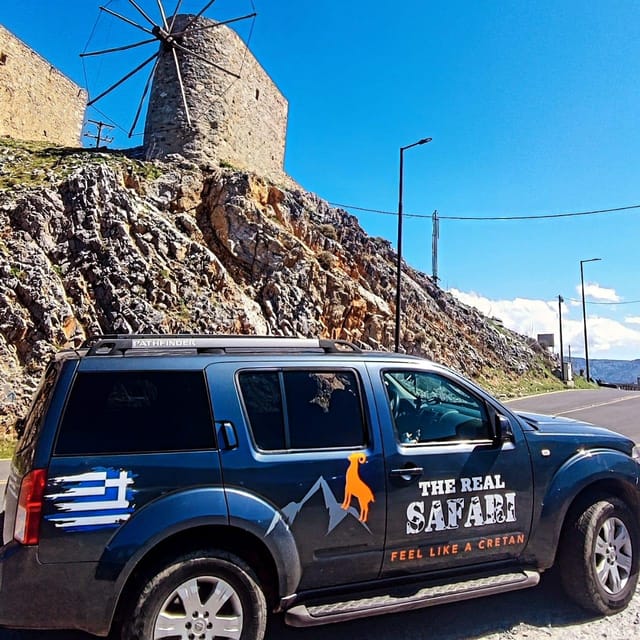
If you want Crete in one day, this kind of safari-style tour is the easiest match. You get a guided loop with several stops built for pictures, walking, and short cultural moments, then you finish with the island’s famous drinks. The vibe is simple: learn a little, taste a lot, and enjoy the scenery without planning a thing yourself.
The big win here is variety. You’ll bounce from cave time to coffee and short walks, then on to lunch and tastings, and finally up to Mount Juktas for a hike-style photo and viewpoint segment. That mix matters because Crete is best when it feels like a whole island, not just one site.
Also, the tour is intentionally “traditional Crete” focused. That means you’re meant to leave with stories about olive growing and olive oil, plus how raki and Cretan wine are made and enjoyed. Even if you’re not a wine person, it’s the kind of cultural context that makes the tastes feel more meaningful.
You can also read our reviews of more tours and experiences in Hersonissos.

Pickup, timing, and how the 7 hours feel in real life
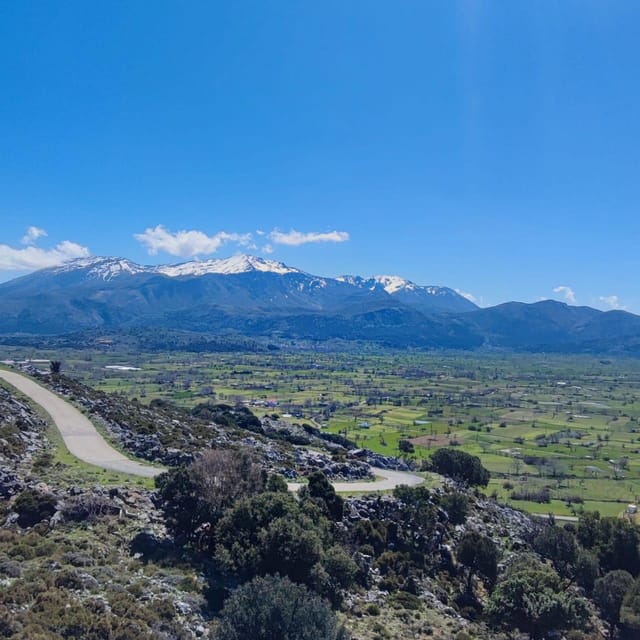
This is a 7-hour tour with hotel transfer included. That’s helpful if you’re staying in or near the popular north-coast areas and don’t want to rent a car for a one-day mission.
You’ll pick up from many locations across the north side of Crete—Malia, Anissaras, Kokkini Hani, Heraklion, Gournes Gouvon, Analipsi, Stalida, Sisi, Gouves, Hersonissos, and more (your exact option depends on where you’re booked). Drop-off mirrors those areas.
Because it’s only 7 hours, you should expect “see and do” segments rather than long stays. Some stops are photo stops with brief walks. Others include tastings and lunch where you’ll have time to sit. If you hate being on a schedule, this is something to keep in mind before booking.
Skotino Cave: your first taste of Crete’s geology
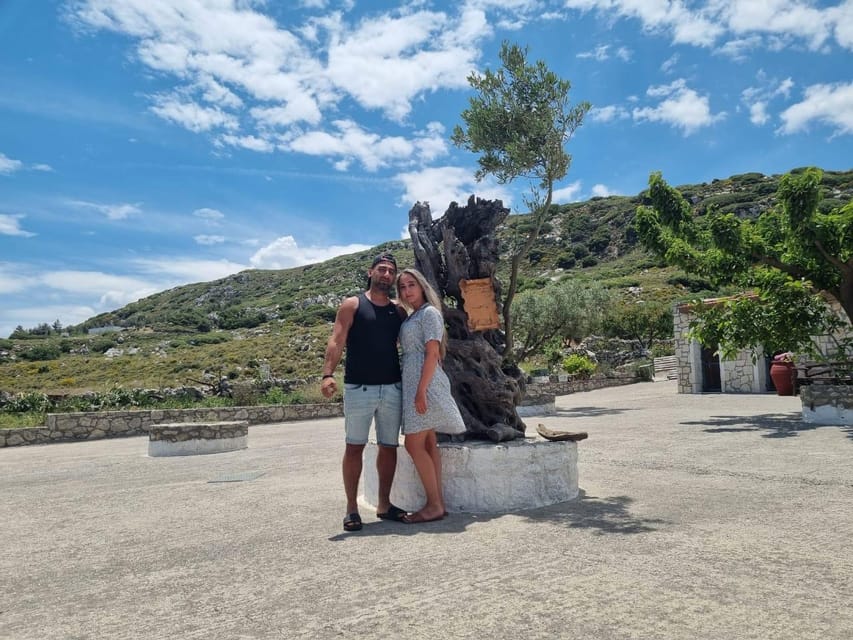
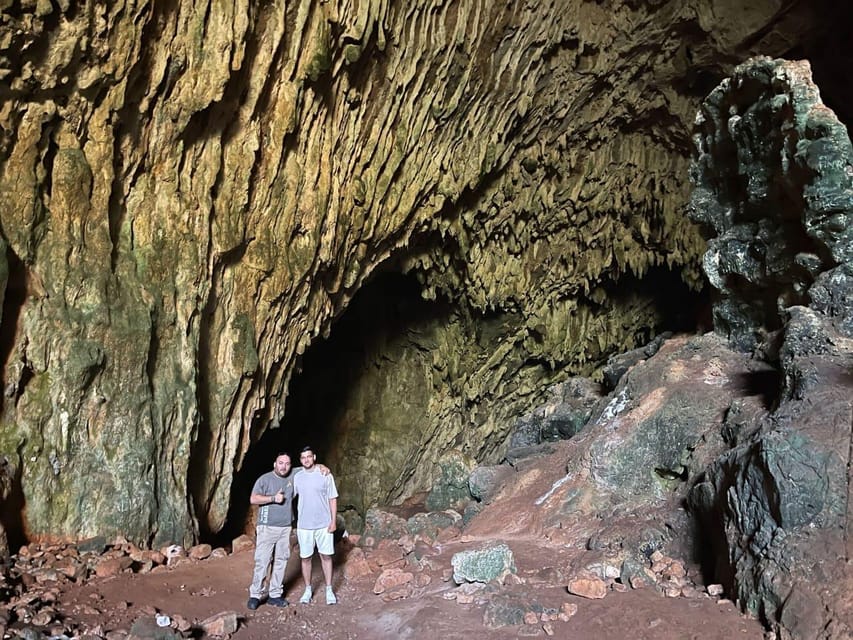
Skotino Cave is listed as a photo stop with a visit. So think: you’ll get a chance to get oriented, take pictures, and step inside long enough to feel the place without spending half a day underground.
What I like about a short cave visit on a tour like this is pacing. It gives you that “wow, caves exist here” moment early, then the day moves on to villages, coffee, and viewpoints while everyone still has energy.
One practical tip: wear comfortable shoes with grip. Caves often mean cooler air and sometimes slick surfaces, even if the time inside is short. Bring a camera you’re comfortable using quickly, since this is not a slow-motion, extended photo session.
Kasteli coffee and Astritsi walks for that village rhythm
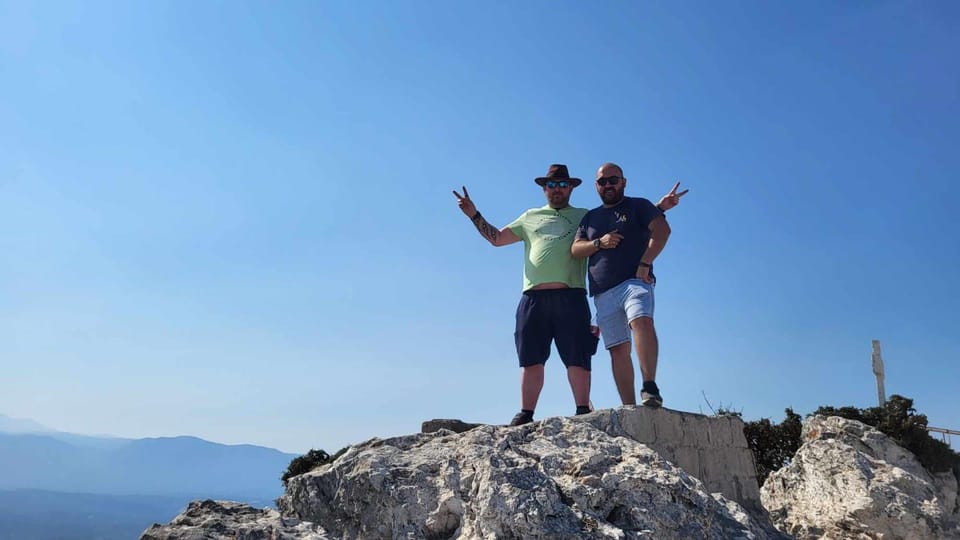
Between caves and mountains, the tour drops in at smaller stops that keep the day from feeling like a straight line.
Kasteli is a coffee stop. For many people, that’s the reset point—snack, caffeine, and a few minutes to talk with the guide about what you’re seeing next.
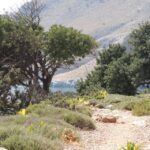
Then comes Astritsi: a photo stop plus a walk. This is the kind of segment that’s easy to underestimate. A “walk” on a tour is still your time to move your legs, take in views, and stretch your day out a bit—so pack shoes you can trust.
If you’re the type who likes local atmosphere, these pauses are where you’ll feel closest to everyday Crete, even though it’s guided and time-managed.
Stironas lunch, wine tasting, and shopping time
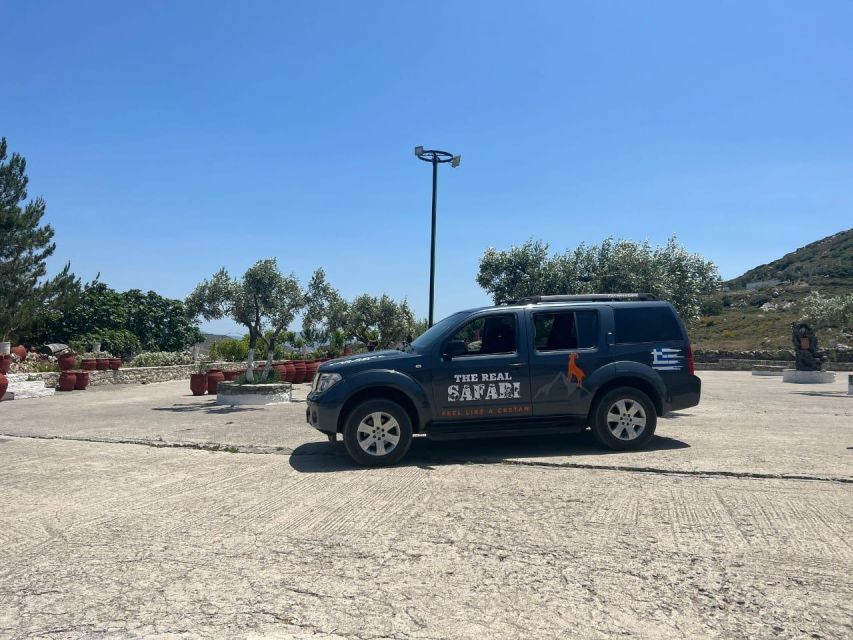
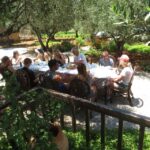
Stironas is where the day starts feeding you properly: lunch plus wine tasting and shopping. This stop is designed as the cultural and culinary anchor.
You’ll taste traditional Cretan cuisine and traditional Cretan sweets as part of the overall experience. That’s important because Crete’s food isn’t only about one “signature dish.” It’s often a mix of savory staples and desserts tied to local ingredients and traditions.
The wine tasting here is also more than a casual sip. The tour is framed around learning about Cretan wine and raki, so you’re likely to hear how the island talks about production and flavor before you taste.
Shopping can be a wildcard on tours. Sometimes it’s genuinely useful—small gifts, local items, souvenirs that feel related to what you’ve eaten and tasted. Other times it’s just “time filler.” If you’re not into buying, you can treat this as a break: sit, eat, taste, then browse only if something genuinely catches your eye.
You can also read our reviews of more tours and experiences in Hersonissos
Mount Juktas: the real work portion of the day
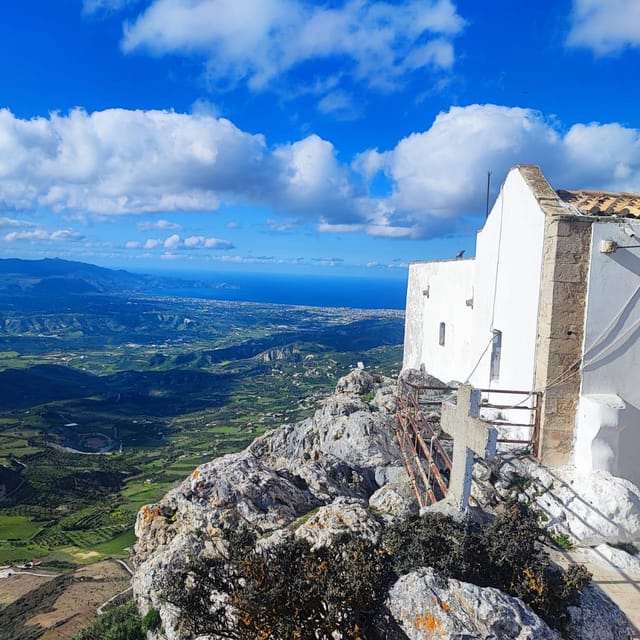
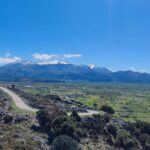
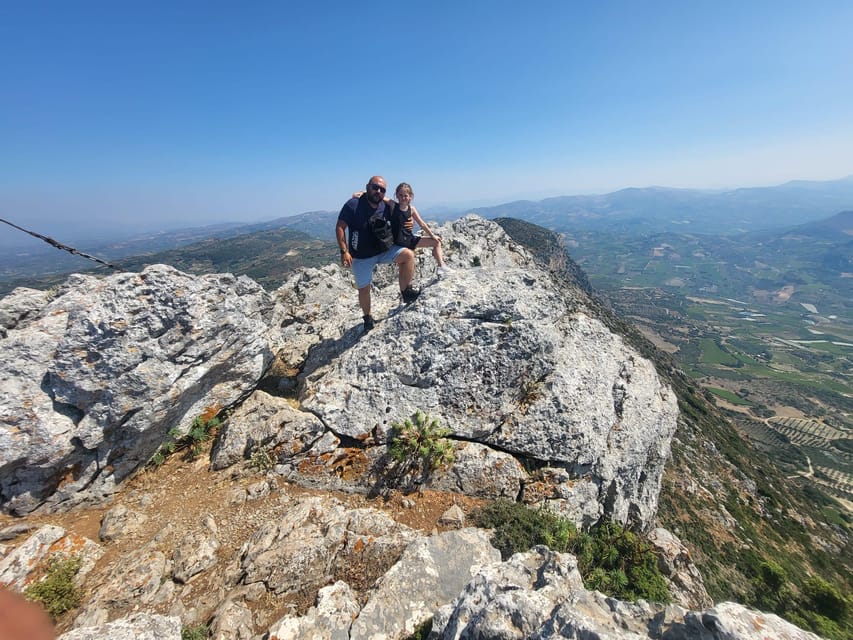
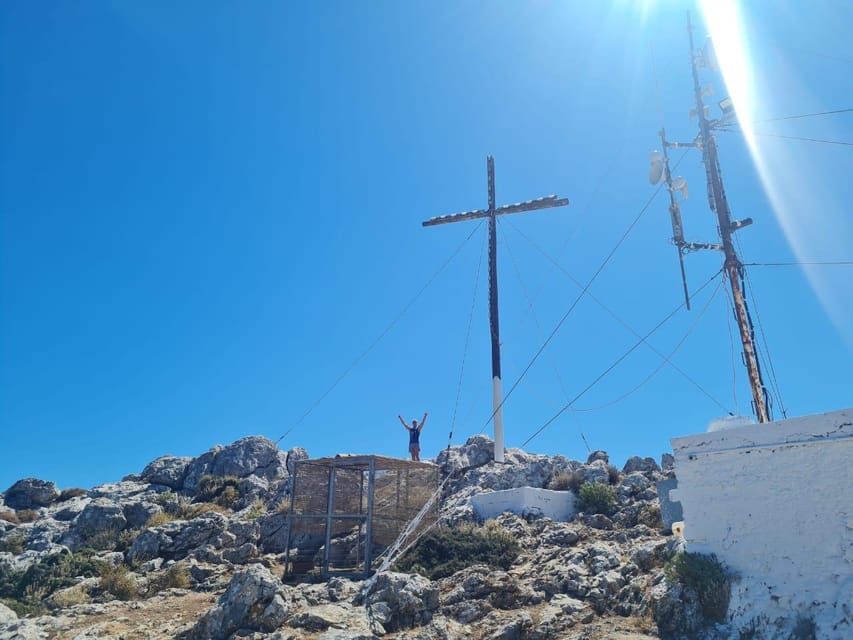
Mount Juktas is a highlight for a reason. It includes a photo stop, a visit, and a walk/hiking segment. This is where your day becomes physically real, not just scenic.
The tour recommends comfortable shoes, and I’m glad it does, because this part is not ideal for flip-flops or fancy footwear. You’ll also want a hat—sun and heat can hit hard even on a “half-day” adventure.
If you’re fit enough for short uphill walking, you’ll likely enjoy this segment because it gives you the “Crete at elevation” perspective, plus a chance to stretch out after the earlier village stops.
If you have back issues, mobility limitations, or have recently had surgery, this is exactly the kind of portion you should skip. The tour lists it as not suitable for people with back problems, mobility impairments, and recent surgeries.
Juhtas raki and Cretan wine distillery: tasting with context
The tour’s title includes raki and a wine distillery, and that focus shows up in what you’ll learn and taste. Expect raki and wine tastings, plus explanations tied to Cretan production traditions.
Here’s what makes this valuable: tastings feel random when you don’t know what you’re tasting. This tour is designed to pair the drinking with the story. You’ll learn about how raki is made and about Cretan wine, and you’ll also get cultural context around olives and virgin olive oil.
You’ll taste raki and wine, and there’s also lunch and water included—so you’re not just sampling hard alcohol on an empty stomach.
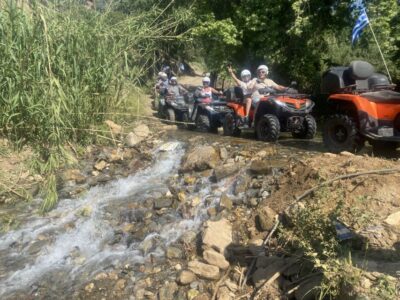
Now, one caution to keep you from feeling disappointed: if you’re expecting an ultra-rough, backcountry “off-the-grid” distillery visit or lots of winding off-road driving, it may feel more staged and commercial than you imagined. You still get the tastings and the learning component, but calibrate your expectations toward a structured tour day rather than a wild-road expedition.
The Cretan learning moments: olives, olive oil, and why they matter
This tour isn’t only about drinking and walking. The experience is built around “feel like a Cretan” and includes learning about everyday island pillars: olives and olive oil, plus local spirits and wine.
You’ll learn about collecting olives and the process behind virgin Cretan olive oil. Even if you don’t remember every detail, you’ll leave with clearer context for why Cretan cuisine leans so hard on olive oil, and why raki and wine are part of the island’s social culture.
You’ll also learn about raki and Cretan wine production. That matters because on Crete, these aren’t just beverages; they’re tied to how people gather, celebrate, and mark time through seasons.
If you’re the kind of traveler who likes to connect food with geography, this is a big part of the value. It’s not academic, but it gives you a usable mental map: what you’re eating and tasting and why it belongs here.
What’s included (and how that changes the value equation)
At $101 per person, the value is mainly about what’s bundled into the day.
Included:
- Transfer to and from your hotel
- Lunch, wine, and water
- Guided tour
- Wine and raki tasting
Not included:
- Entrance/admission fees to archaeological sites
- Personal expenses
That “transfer + lunch + tastings” bundle is what makes this tour feel like a bargain compared to trying to piece it together alone. You’re paying for a planned route, a guide, and the food/drink portion, not just transportation.
The one financial caveat: if your stops include sites with entry fees (the tour notes admission fees may apply), you’ll want some cash/card ready for those extras.
What to bring, what to wear, and tour-day rules
This is a practical tour, so pack like you’re doing a day of walking and tasting.
Bring:
- Comfortable shoes
- Hat
- Camera
- Water (even though water is included, you’ll still want it handy)
- Comfortable clothes
- Beachwear (the experience mentions hidden beaches, so having it ready can help)
Not allowed (important if you’re used to doing things casually):
- Smoking in the vehicle
- Drinks in the vehicle
- Food in the vehicle
- Alcohol and drugs
- Fireworks or explosive substances
Also: high-heeled shoes are not a good idea, and the tour asks for comfortable footwear for a reason.
Who should book this Crete safari—and who should skip it
This tour makes the most sense if you want:
- A single-day overview of different Crete settings (cave, villages, mountain, tastings)
- Guided explanations around olives, olive oil, raki, and wine
- Lunch plus tastings without managing logistics yourself
- Hotel pickup/drop-off convenience
It’s not a fit if:
- You’re pregnant, have back problems, mobility impairments, or recent surgery
- You need a fully stroller/baby-friendly schedule (babies under 1 year aren’t suitable)
- You’re over 95 (the tour lists age limits)
If you love planning your own food stops and prefer slow, independent travel, you might do better with a car and a short list of targets. But if you want a guided day that feels like Crete culture—not just photo stops—this is a strong contender.
Price and value for $101 per person
Let’s keep it real: $101 is not “cheap,” but it also isn’t just a transport fee. You’re paying for hotel transfers, a guided loop with multiple stops, lunch, and raki and wine tastings.
Where the price starts to feel fair is the inclusions. In the Mediterranean, once you add guided transportation, lunch, and tastings, the “extra” cost drops fast. The only extra spending you should anticipate is site admission fees and any personal purchases during the shopping stop.
So for most people doing a one-day Crete highlights run from the north coast, the cost-to-time ratio is solid.
Should you book the Safari with Juhtas, raki, and wine distillery?
I’d book it if you want a structured 7-hour Crete experience that mixes walking, viewpoints, and tastings, and you don’t want to wrestle with driving or planning between stops. It’s especially good if olives, olive oil, and local spirits are on your interest list.
I wouldn’t book it (or I’d adjust expectations) if you’re expecting heavy off-road adventure or a very “raw and rugged” distillery day. The day is built for guided comfort and multiple timed stops, not for extreme terrain.
If you’re in the middle—curious, active enough for short hikes, and happy to learn while you eat—this is the kind of trip that can turn into real stories you’ll remember long after the taste fades.
FAQ
How long is the Safari: Juhtas mount, raki and wine distillery, explore Crete?
It lasts 7 hours.
What is included in the price?
The tour includes hotel pickup and drop-off, lunch, wine and water, the guided tour, and wine and raki tasting.
Are entrance fees included for archaeological sites?
No. Entrance/admission fees to archaeological sites are not included.
What languages is the guide available in?
The live tour guide is available in English and Greek.
Where does pickup and drop-off happen?
Pickup and drop-off are available in multiple areas such as Malia, Heraklion, Hersonissos, Sisi, Anissaras, and Stalida, among others listed for the tour.
What should I bring for the day?
Bring comfortable shoes, a hat, a camera, water, comfortable clothes, and beachwear. High-heeled shoes are not allowed.