Windmills, caves, and a monastery in one long day. This guided loop hits three big draws: Lassithi Plateau windmill views and the Dictean Cave Zeus legend, plus a stop at Panagia Kera and a ceramics workshop. I like how the day has a clear story arc, not just random driving, and you get a local guide who can explain what you’re seeing in plain terms.
The only real catch is the pace: you’re on the move most of the day, and the cave/plateau route asks for some basic stamina. Add the extra monastery fee and any meals you choose, and the final cost can creep up a bit if you’re not planning for it.
In This Review
- Key things to know before you go
- Lassithi Plateau and Dictean Cave: the big why behind this day
- Getting from Heraklion: pickup, ride time, and group size reality
- Panagia Kera Monastery: a short visit with Cretan revolt context
- Dictean Cave: Zeus legend meets the uphill part of the day
- Lassithi Plateau and Termiado: why the windmills matter now
- Ceramics workshop: a real 30 minutes watching pots get made
- Price and value: what $36.46 really buys you
- The guide factor: clarity beats chaos
- Who should book this tour (and who should skip it)
- Should you book the Plateau of Lassithi, Monastery of Kera and Ceramics?
- FAQ
- How long is the tour?
- Does the tour include pickup?
- Is the vehicle air-conditioned and does it have Wi‑Fi?
- How much is the monastery admission fee?
- How long do you spend at the pottery workshop, and is admission included?
- What is the maximum group size?
Key things to know before you go
- Comfort-first transport with an air-conditioned vehicle and Wi‑Fi for the long north Crete pickup routes
- A compact group (up to 46), which usually keeps the day organized at stops
- Panagia Kera monastery includes a short, meaningful visit (plus a small add-on admission fee)
- Dictean Cave visit on the way to the Plateau gives you myth + real walking time
- Ceramics workshop time is short but included (30 minutes), so you can watch potters at work without eating your whole day
- A place that explains itself: Lassithi’s history starts with windmills—now only a few remain
Lassithi Plateau and Dictean Cave: the big why behind this day
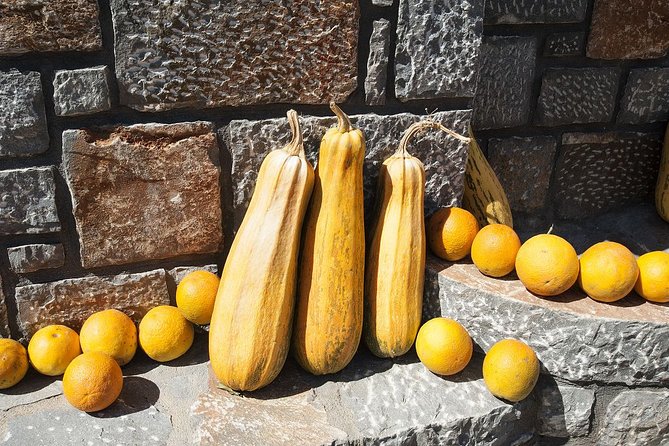
If you like Crete for more than beaches, this is the kind of day that makes sense. The Lassithi Plateau is famous for its windmills—long ago, it was said to be covered with 10,000 windmills, and the tour helps you understand what that meant for food, water, and daily life. Today there are only a few left, so the “sight” isn’t just scenery. It’s a contrast: past scale vs. present reality.
Then you hit Dictean Cave, traditionally linked to the birthplace story of Zeus. Even if you’re not a mythology superfan, the cave visit works because it’s paired with viewpoints outside and a bigger sense of place. You’re not just standing in one spot and moving on—you’re experiencing the plateau area like people have for centuries, guided by someone who can connect the legend to the geography.
You can also read our reviews of more tours and experiences in Heraklion.


Getting from Heraklion: pickup, ride time, and group size reality
This is built for convenience. You get pickup from many areas of north Crete, then you ride in an air-conditioned vehicle with Wi‑Fi. That matters here because an 8-hour day can feel longer if the transport is rough or slow. With AC and Wi‑Fi, you can treat the travel time as a breather instead of a grind.
The group max is 46 travelers, which is large enough to fill a full-day bus, but small enough that you’ll usually get called back to the vehicle without chaos. Also, this kind of tour tends to be popular, so the average booking time (about 19 days in advance) is a hint: dates can fill, especially in peak season.
One more practical note: the tour requires good weather. If conditions are poor, you’ll be offered a different date or a full refund—so it’s smart to keep an open day in your schedule if your trip timing is flexible.
Panagia Kera Monastery: a short visit with Cretan revolt context
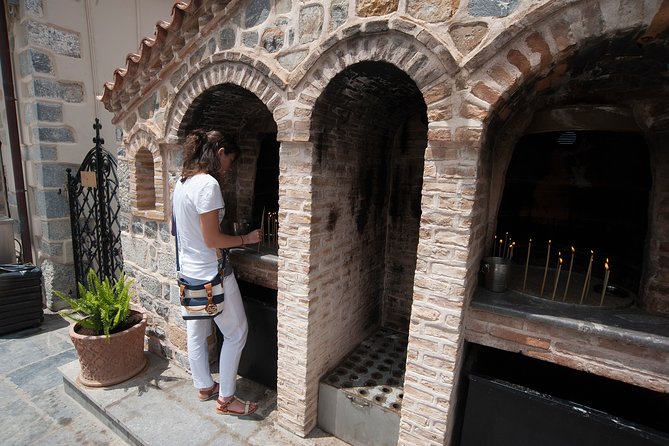
Stop number one is the Kera Kardiotissa Monastery, also known as Panagia Kera. You’re there about 45 minutes, and the important detail is the admission: it’s not included, with a €2 monastery fee listed separately.
This stop is more than a photo op. Panagia Kera is described as a major site during the Cretan Revolt and it suffered significant damage. That background helps you look beyond the walls. Instead of seeing only an old building, you can start noticing why people cared about it—religion, local identity, and political struggle all tangled together.
Is it a long stop? No. But that’s the point. You’re not meant to get stuck here. The monastery gives meaning early, then you move on to the more physical, outdoors-heavy parts of the day.
Dictean Cave: Zeus legend meets the uphill part of the day
Dictean Cave is where the tour turns from “history explained” into “you’ll move your legs.” The cave itself is the centerpiece of the legend: it’s said to be Zeus’s birthplace. In practical terms, you’re likely dealing with stairs or uneven ground, and the day’s schedule suggests you’ll want footwear that’s steady.
You also get value from what’s outside the cave. There’s a strong emphasis on the payoff you get when the route lets you look out from higher ground—views that keep rewarding you even when the walking feels like a lot. If you’re “pretty fit,” you’ll probably enjoy this stop. If you’re someone who hates climbing, plan for slower pacing and build in extra time in your head.
Bring the mindset of a hike you do in one day: drink water, keep a comfortable pace, and don’t sprint just because you’re in a group. The guide’s job is to keep you moving and informed, but you still control how hard you push.
Lassithi Plateau and Termiado: why the windmills matter now
After Dictean Cave, you head to Termiado, described as the capital of the Lassithi Plateau. This is the moment where the day’s “story” connects: the cave and monastery make cultural meaning, then the plateau shows the land’s role in daily survival.
The tour also highlights that old windmill network—again, that 10,000-windmill idea. Even if you don’t count anything, the context is useful. When you arrive, you’re not just thinking, Wow, neat hills. You’re thinking about how people engineered their environment for work and production, and how that system shrank over time.
Today, there are only a few windmills left, so don’t expect a full-on film set of them everywhere. What you’ll get instead is a clearer sense of the plateau’s scale and the reason it was worth powering up for centuries.

Ceramics workshop: a real 30 minutes watching pots get made

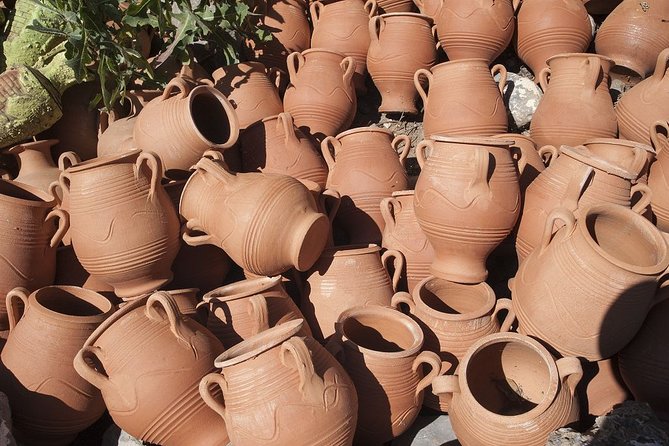
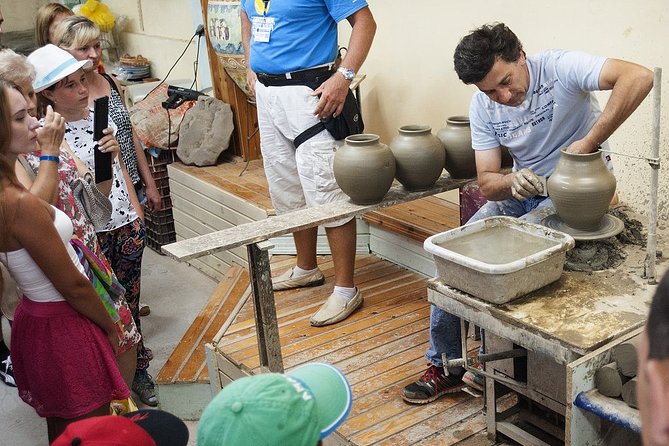
Next up is the ceramics stop in the Lassithi area. You’ll spend about 30 minutes at a pottery workshop, and here the admission is included. The best part is that you can watch skilled craftsmen make ceramic pots rather than just browsing a shop with no process.
This kind of stop is often misunderstood. It’s not meant to replace a full craft market. It’s meant to show you the “how.” Even in half an hour, you can usually spot what’s going on—hands, tools, and the rhythm of making something you can actually see take shape.
If you like souvenirs but hate tourist-mass production, this is the sweet spot: short enough that it doesn’t drag the day, structured enough that you see the craft work happen in front of you.
Price and value: what $36.46 really buys you
At about $36.46 per person, the value depends on how you judge a full-day loop. You’re paying for transport, a live guide, and the major geographic hits in one day: monastery, cave, plateau, and ceramics.
What’s included:
- air-conditioned vehicle
- insurance
- live tour guide
What’s not included (and can change your total):
- monastery admission fee (listed as €2)
- lunch (optional €14) plus any extras at coffee breaks
That optional lunch includes a specific menu: pork chop or chicken with potatoes cooked in the oven, Greek salad with feta, tzatziki, bread, and a glass of wine or a non-alcoholic drink.
So here’s how I’d think about it. If you’re the kind of traveler who hates hopping between buses and wants one organized route, this price can feel fair fast. If you usually travel light and want to skip lunches and add-ons, it stays closer to the listed amount. Either way, it’s not a “cheap and cheerful” day—it’s a guided, multi-stop outing, and the guide time is part of the cost.
The guide factor: clarity beats chaos
A huge part of why this tour seems to work well is the way guides handle explanation and customer care. One guide named Viola is specifically praised for exceptional service, and the style shows in how the day reads: you’re not stuck with vague facts. You’re getting useful context that makes the cave, monastery, and plateau feel connected.
The same guidance also tends to be delivered in more than one language (German and English are mentioned), which helps if you’re not traveling with a big group from your home country. In a day like this, good guiding is what turns “places on a list” into a sequence you remember.
Who should book this tour (and who should skip it)
This is a good match if you want:
- mythology-linked sights without needing a private driver
- a guided explanation at a monastery and a meaningful plateau stop
- a ceramics workshop that’s short and process-focused
- comfortable transport from north Crete with Wi‑Fi and AC
It’s less ideal if:
- you don’t like walking on uneven ground or climbing during cave visits
- you want a super-relaxed day with minimal transfers
- you’re the type who already has strong plans for other long drives and would rather not spend an entire day in transit
There’s also a smart planning tip for anyone considering other big sights that same day. If you’re thinking about pairing this with places farther out, remember that some combinations can make the day feel long—especially mountain roads and cave/plateau timing. If you want one major theme per day, this tour makes it easy.
Should you book the Plateau of Lassithi, Monastery of Kera and Ceramics?
I’d book this if your Crete trip is short and you want a single day that covers myth, religion, and regional life. The mix is practical: quick monastery context, cave experience, windmill history on the plateau, then a craft stop that’s included and not too long. Add in pickup from north Crete and that air-conditioned ride with Wi‑Fi, and you’ve got a solid structure for a full day outside Heraklion.
I’d think twice only if you’re trying to avoid any uphill effort or you hate extra fees adding up. With the cave and plateau elements, you should treat this as an active sightseeing day, not a gentle stroll.
FAQ
How long is the tour?
The experience runs for about 8 hours.
Does the tour include pickup?
Yes. Pickup is offered from many areas of north Crete.
Is the vehicle air-conditioned and does it have Wi‑Fi?
Yes. You travel in an air-conditioned vehicle with Wi‑Fi.
How much is the monastery admission fee?
The monastery admission is not included and is listed as €2.
How long do you spend at the pottery workshop, and is admission included?
You spend about 30 minutes at the pottery workshop, and admission is included.
What is the maximum group size?
The tour has a maximum of 46 travelers.