Clay time in Crete beats typical sightseeing. I like how this experience pairs a real pottery workshop tour with hands-on techniques you practice by hand or on the wheel, in a small group (max five). You also get a short route that includes a stop at Rouvas Gorge (Agiou Nikolaou) and then the Palace of Knossos, all starting from Iraklio in the late afternoon.
The big thing to know is timing: what you make needs 3–4 days to dry, and if you want to glaze it, you’ll wait for a second firing. That second baking isn’t included, and if you’re planning to ship your pieces overseas, shipping costs can get pricey.
In This Review
- Key Highlights You’ll Care About
- Inside Koumoulia: What the Pottery Course Feels Like
- Workshop Tour to Finished Object: Drying and Glazing Reality Check
- Rouvas Gorge (Agiou Nikolaou) Stop: A Breather Before the Big Landmark
- Palace of Knossos: A Short Visit with Serious Attention
- Price and Value: What $96.11 Per Person Really Covers
- Getting There Without Stress: Your Real Biggest Risk
- Techniques You’ll Likely Practice (And Why They Matter)
- Who Should Book This Course (And Who Might Not)
- Should You Book Koumoulia Ceramics in Crete?
- FAQ
- How long is the Koumoulia Ceramics course?
- What time does the experience start?
- Where does the experience meet and end?
- What is the price per person?
- Is the course offered in English?
- Do I get a mobile ticket?
- What is the group size?
- How long do my pottery pieces need before they can be glazed or picked up?
- Is the second baking included if I glaze my piece?
- Can I pick up my items or have them shipped?
- What is the cancellation policy?
Key Highlights You’ll Care About
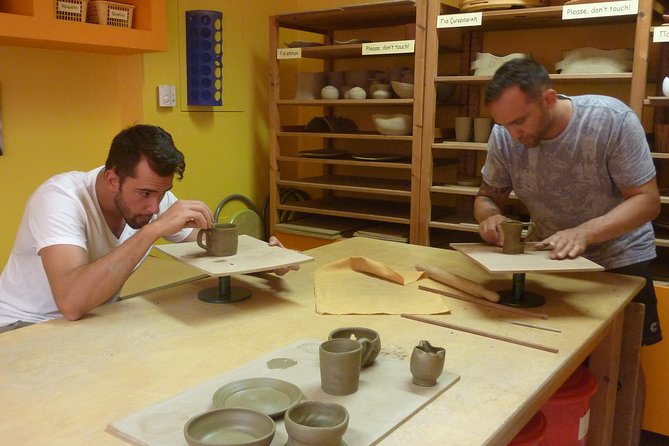
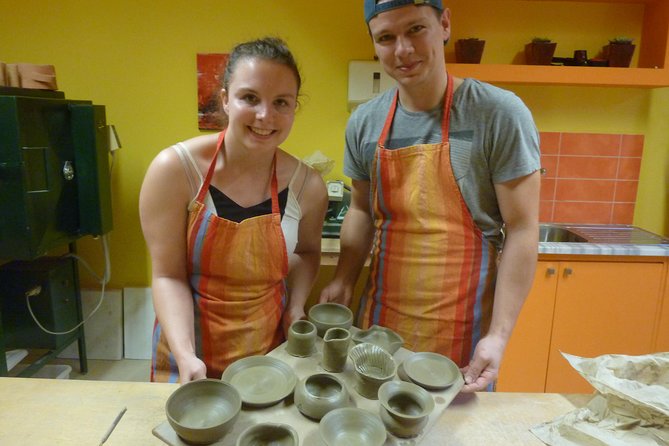
- Small group size: limited to 5 travelers, so you’re not just watching from the back row
- Workshop clarity: you get a guided look at how clay goes from mass to a usable object
- Hand + wheel practice: you can try creating items your own way, not just copying a sample
- Real planning for finish time: drying takes 3–4 days, and glazing adds another 2 days
- What you take home depends on firing + shipping: you can pick up at the workshop, or ship at your cost
Inside Koumoulia: What the Pottery Course Feels Like
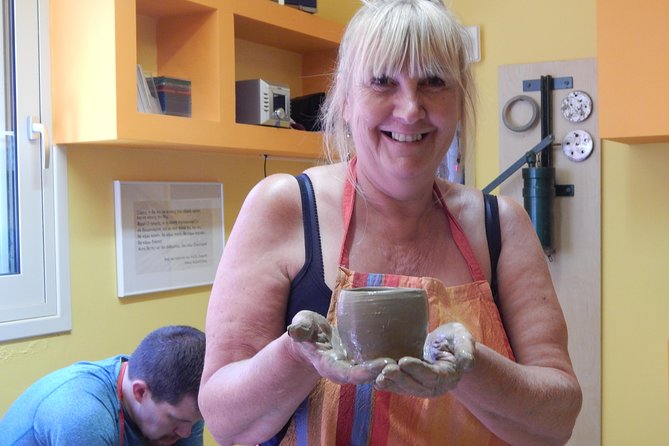
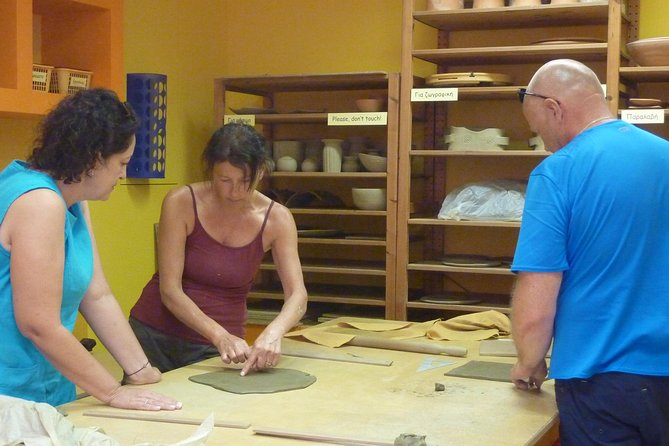
This is a hands-on pottery afternoon, not a passive demo. After meeting up at the start point in Iraklio (Unamed Road, Iraklio 700 13, Greece), you’ll spend time at the Koumoulia Ceramics workshop where the pace is relaxed but focused. The group stays small, which helps because pottery is hard to do well without feedback.
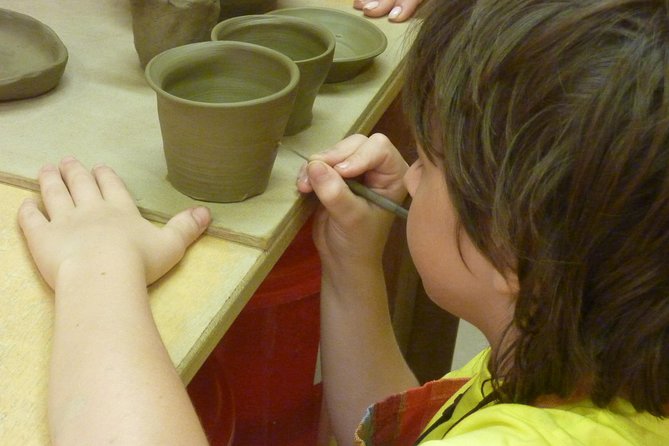
One of the best parts is the short guided workshop tour at the beginning. You’ll be shown the stages the clay goes through—from an amorphous mass to an object that can actually be used. That matters because it turns pottery from a vague art project into a process you understand.
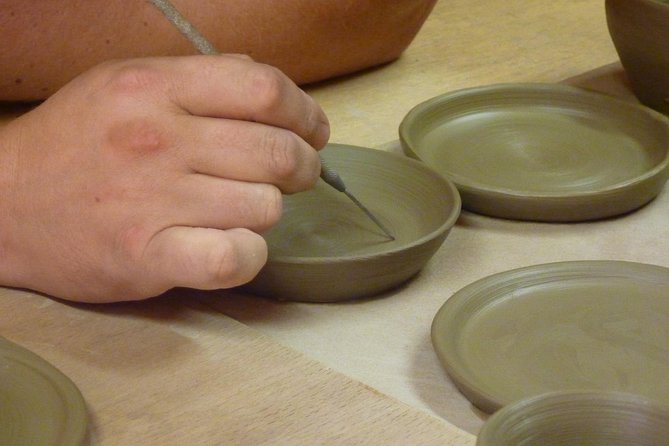
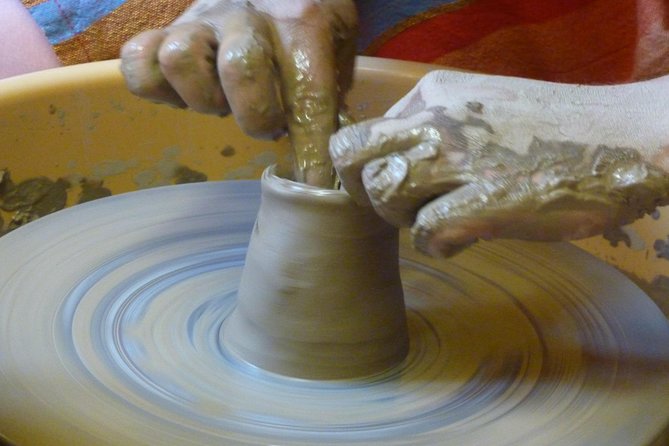
Then the session shifts to making. Your instructor shows different techniques you can use to create your own unique items, either by hand or on the wheel. Even if you’ve never touched clay before, the workshop flow is set up so you can try, adjust, and learn without feeling rushed.
You can also read our reviews of more tours and experiences in Crete.



Workshop Tour to Finished Object: Drying and Glazing Reality Check
Here’s the honest rhythm of what happens after you make your pieces. The creations you realize in the atelier take 3–4 days to dry, and the exact timing can shift with your specific piece and the weather.
After drying, you have a couple options. You can pick up what you made, or you can glaze it in the color you want. If you choose glazing, you’ll need to wait another 2 days for the second baking.
Two practical takeaways for you:
- If you want a finished, glazed item, plan for the time gap. You won’t get everything done instantly in the 2-hour session.
- If you’re counting on shipping, ask what’s included and what costs extra before you decide. The course price does not include the second baking, and shipping overseas can be fairly expensive.
One reason people either love this or feel disappointed is that pottery has stages. The workshop handles the process, but you still need to plan your expectations around drying, firing, and finishing.
Rouvas Gorge (Agiou Nikolaou) Stop: A Breather Before the Big Landmark
You’ll make a stop at Rouvas Gorge (Agiou Nikolaou) as part of this afternoon program. Think of it as a breather stop—enough time to reset, look around, and enjoy the fact that Crete isn’t only about monuments. You’ll be outdoors in the open, and that’s a nice counterweight to spending time working with clay indoors.
Because the program is short overall (about 2 hours), this isn’t the kind of day where you hike deeply or treat it like a full nature trip. Instead, it’s more like a viewpoint moment. If you like quick scenic stops that break up your day, this fits well.
What I’d do to make the stop easier: wear comfortable shoes with grip and bring sun protection. Even short breaks in late afternoon can still feel strong, especially when you’re walking between spots.
Palace of Knossos: A Short Visit with Serious Attention
Next up is a stop at the Palace of Knossos. Even with limited time, this is the kind of name that makes your brain switch into history mode. You’ll get the chance to see the site as part of a day that’s otherwise more hands-on and creative.
The value here is balance. Instead of doing only pottery, you connect it to place. Seeing a landmark like Knossos while you’re already in the region makes the afternoon feel more than a workshop session on its own.
Keep expectations realistic about time. With an overall duration of about 2 hours, you’re not getting a long, slow guided walkthrough in depth. You’ll want to be comfortable with a shorter stop and use that time to orient yourself—then decide if you want a deeper follow-up visit on another day.
Price and Value: What $96.11 Per Person Really Covers
The price is $96.11 per person, and the course runs about 2 hours. That covers the workshop experience itself—the guided look at the pottery stages and the practical teaching as you create. You’re also in a group capped at five, which is often where the real value comes from. With pottery, instruction quality matters.
But value in pottery is also about what happens after the class ends. Your piece needs days to dry, and glazing triggers additional time. The second baking is not included in the price. So if your plan is glazed pottery ready for pickup, you should budget for the second firing process and whatever handling steps are needed afterward.
Also consider destination logistics. Once cooked, your creation can be obtained from the workshop. Shipping is possible, but it’s at your expense, and shipping overseas can be fairly expensive.
If you’re coming from outside Europe and you want everything shipped home, this is the moment to ask direct questions:
- Will my pieces be fired at the stages that make them usable?
- What exact steps cost extra, if I want glazing?
- What’s the shipping estimate before I commit?
You don’t want surprises after you’ve made something and then learned the finish plan doesn’t match your home address.


Getting There Without Stress: Your Real Biggest Risk
One theme that comes up with small workshop tours is location complexity. The meeting point is listed as Unnamed Road, Iraklio 700 13, Greece, and that can be exactly the kind of description that makes navigation harder than it should be.
If you’re booking this, do yourself a favor: give yourself extra time to find the exact workshop area before the start time (3:00 pm). A calm arrival means you can actually enjoy the workshop tour and settle in before you start working with clay.
For the rest of your day, plan clothing like you’re doing a craft class. Clay can be messy. Wear something you’re okay getting dirty and bring layers in case the indoor/outdoor rhythm changes your comfort.
Small-group pottery can be fun when you’re relaxed. It’s not fun when you’re rushing and stressed while also trying to focus on technique.
Techniques You’ll Likely Practice (And Why They Matter)
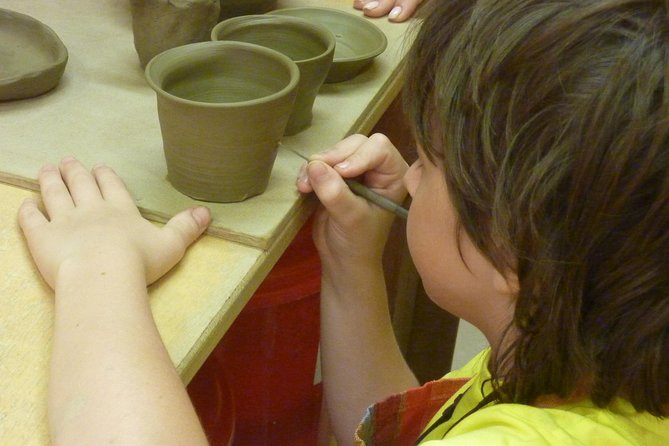
The workshop portion is built around showing multiple techniques and letting you try them yourself. You’re not just making one item in one way. You’ll learn various approaches to create unique items by hand or on the wheel.
That’s important for you even if you end up with a piece you don’t love. You’re still walking away with process knowledge and muscle memory. You’ll see how clay behaves, how shaping changes the outcome, and what different techniques are trying to accomplish.
The guided tour at the beginning also helps you connect the dots. When you understand the journey from clay mass to usable object, you stop treating pottery like magic. You start treating it like a craft with steps—drying, firing, glazing—each one shaping what the final piece becomes.
If you want a souvenir that’s more personal than a store-bought trinket, this is one of the better routes. Even if you don’t become a potter by the end, you’ll feel like you made something real.
Who Should Book This Course (And Who Might Not)
This is a great fit if you:
- want a hands-on activity that’s more interesting than another quick photo stop
- enjoy learning skills through doing, not just watching
- like smaller groups where your instructor can actually help while you work
- don’t mind that your final piece takes days to dry and may require extra steps for glazing
It may not be your best fit if:
- you need a finished, glazed item immediately during the 2-hour window
- you’re counting on everything being included with no extra firing or shipping cost
- you’re very sensitive to logistics and timing, especially for overseas shipping
If you’re flexible and you like the idea of planning a craft outcome over a few days, you’ll probably enjoy this a lot.
Should You Book Koumoulia Ceramics in Crete?
I think you should book it if you want an afternoon that mixes place with hands-on craft—and you’re ready for the pottery timeline. The small group setup and the workshop tour make it feel like instruction, not just a ticket to a process. If glazing is important to you, plan for the extra second baking step since it isn’t included.
One more practical note: double-check directions before you go. Getting lost can turn a fun craft afternoon into a stressful scramble. If you arrive on time and treat the process like a few-day project, this is the kind of activity that gives you a real memory you can keep.
FAQ
How long is the Koumoulia Ceramics course?
The duration is about 2 hours.
What time does the experience start?
It starts at 3:00 pm.
Where does the experience meet and end?
It starts at Unnamed Road, Iraklio 700 13, Greece, and ends back at the same meeting point.
What is the price per person?
The price is $96.11 per person.
Is the course offered in English?
Yes, it is offered in English.
Do I get a mobile ticket?
Yes, the ticket is mobile.
What is the group size?
The maximum group size is 5 travelers.
How long do my pottery pieces need before they can be glazed or picked up?
They take about 3–4 days to dry, depending on your realization and the weather.
Is the second baking included if I glaze my piece?
No. The second baking is not included in the price.
Can I pick up my items or have them shipped?
You can obtain the pieces from the workshop, or they can be sent to your address at your own expense. Shipping overseas can be expensive.
What is the cancellation policy?
This experience is non-refundable and cannot be changed for any reason.