Cretan villages, one day, lots of character. What makes this trip fun is the mix of Zaros village life with a real hike through the St. Antonios Gorge, plus stops that connect churches, water systems, and everyday traditions. I love the way you get to see how people live around spring water and farmed trout, and I love the hands-on feeling of tasting and learning local spirits and village customs.
The only real catch: it’s a long day with walking—especially in the gorge—so you’ll want comfortable shoes and you should be ready for a full schedule.
In This Review
- Key things you’ll notice
- Getting Started in Heraklion: Meeting Point and Timing That Matter
- Zaros First: Spring Water, Trout, and the Village Feel
- Vatos: Old School Rooms, Farming Tools, and Raki Time
- Spili’s Venetian Lion Heads: Cooling Water and Optional Lunch
- Lampini and Panagia: A Church With Frescoes From Two Centuries
- St. Antonios Gorge: Green Canyon Walking Up to the Cave
- Arkadi Monastery Moment: Why This Kind of Stop Hits
- Price and Value: Is $129 Worth a Full-Day Village + Gorge Mix?
- Practical Tips So Your Day Feels Easy
- Who Should Book This Tour (and Who Might Skip It)
- Should You Book? My Bottom Line
- FAQ
- FAQ
- What time does the tour start?
- Where is the meeting point in Heraklion?
- When does the tour return to Heraklion?
- What is included in the tour price?
- Is lunch included?
- Do I need to bring anything?
- Is the tour suitable for everyone?
- What languages are available for the guide?
Key things you’ll notice
- Zaros spring water culture: drinkable clarity, plus trout by Lake Votomos
- Vatos village traditions: old school, tool museum, and making raki
- Spili’s Venetian-style water system: the long row of lion-head spouts
- Lampini’s Panagia church: frescoes dated 12th to 14th century and its Episcopal past
- St. Antonios Gorge hike: lush, green canyon walking up toward the cave area
Getting Started in Heraklion: Meeting Point and Timing That Matter
Your day begins at 08:30, when you meet your guide at the terminal of Cretan Spiti Travel, across from the entrance of the Heraklion Archaeological Museum, in front of Hari’s Creperie. That’s a solid setup: you’re not trying to find a random back street, and it’s easy to orient yourself if you’re already near the museum area.
You’ll travel by air-conditioned motorcoach with a professional escort and a live guide. Tours like this run on good pacing—too many places and you feel rushed, too few and you feel bored. Here, the plan is built around short village walks, a gorge hike, and a few culture-heavy stops, which makes it feel like you’re sampling real Crete instead of just driving past it.
You’ll be back in Heraklion at around 18:30. Translation: this is not a slow afternoon. Plan an early start, and treat your evening meal like the prize.
Zaros First: Spring Water, Trout, and the Village Feel
Zaros is a great first stop because it sets the tone right away. The village is known for spring water that’s now bottled and sold across Greece—so it’s not just a local curiosity, it’s a product with real reach. You’ll get the chance to drink the water and experience why people bother to treat it as a daily resource.
From there, the trip connects Zaros to food and nature. You’ll also visit Lake Votomos, where trout is a big deal. The idea isn’t just to see a lake—it’s to understand how the local landscape supports farming and meals. You’ll learn about the farm-raised trout and then enjoy it served in tavernas around town and at the lake area.
This is one of the more practical “value for your time” parts of the day. Food and water show up in lots of Greek experiences, but here they’re tied to specific local identity: springs, bottling, and trout culture.
If you’re hoping for dramatic scenery right away, Zaros may not feel like that at first. It’s more grounded than postcard-pretty. But that’s part of why it works: you’ll feel like you’re meeting people and routines, not just ticking off sights.
Vatos: Old School Rooms, Farming Tools, and Raki Time
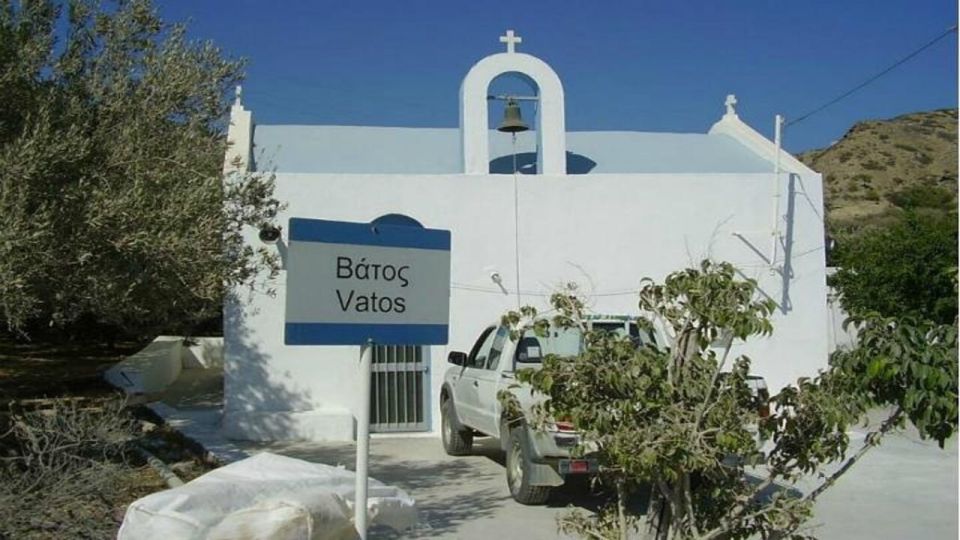
Next comes Vatos, a traditional Cretan village that feels tucked into greenery and small lanes. This stop is all about village texture. You’ll walk down alleys and visit a very old school area along with a fountain—small, but memorable because you can actually picture daily life in a way that big monuments usually don’t.
Then you’ll step into a museum focused on farming tools and older utensils. That’s the kind of stop that pays off later in the day: once you see how people worked, later churches and monasteries make more sense as part of a society that depended on agriculture and community rhythms.
The highlight here is finishing at the village cauldron, where you make raki—Crete’s famous spirit. Even if you already know what raki is, the experience of making it with guidance adds a layer you don’t get from a typical tasting. It becomes part lesson, part celebration.
One practical note: raki is part of your cultural learning here, but it’s still alcohol. If you’re sensitive to it, keep your pace slow and sip thoughtfully, especially since you’ll have more walking afterward.
Spili’s Venetian Lion Heads: Cooling Water and Optional Lunch
Spili is known for its Venetian snake—more specifically, a long line of stone lion heads that run cool water from their mouths. It’s one of those sights that’s simple, but you’ll keep noticing it while you wander. There’s something about water infrastructure that always feels clever, because it’s both practical and decorative.
In Spili, you can also choose to add lunch. It’s optional, and it costs €20 if you do it at a restaurant during the tour. Drinks and beverages during the meal aren’t included, so budget accordingly.
What makes Spili worthwhile is that it’s not only “see this thing.” You’ll have the chance to pause, refresh, and then move on to the next church-and-museum stop. That break matters on a long day.
If you’re the type who likes to snack constantly while walking, this is your cue to plan your timing—either take the optional lunch or make sure you have water and something small in your day bag.
Lampini and Panagia: A Church With Frescoes From Two Centuries
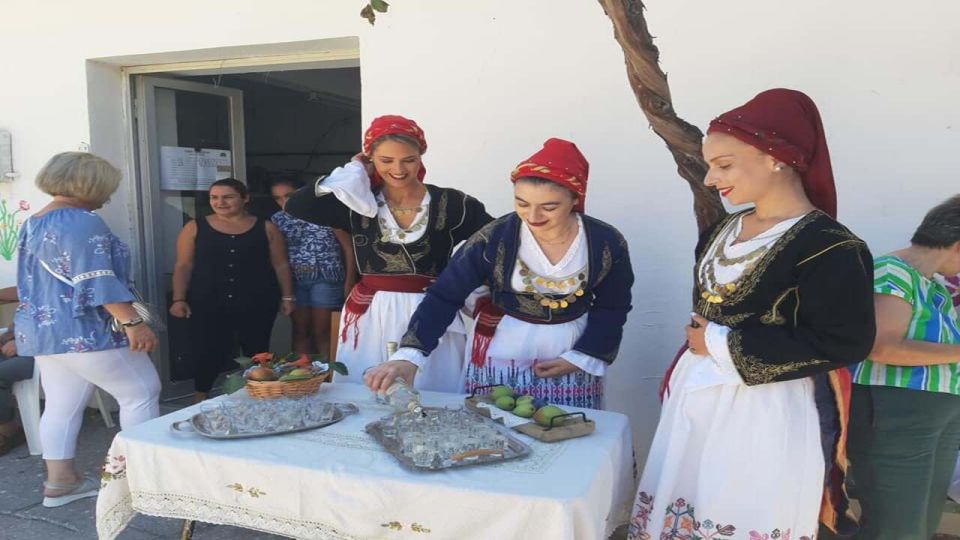
After Spili, you head to Lampini, where the main focus is the church and museum of Panagia. This is the kind of stop where architecture and religious art actually connect to history.
The church has an inscription about its cupola, and you’ll see frescoes that date from the 12th to the 14th century. Those centuries cover a lot of change, which makes the church feel like a living timeline. You’re not just looking at old paint; you’re seeing how long traditions can last in a single place.
Lampini also has an Episcopal angle. The village once accommodated the seat of the Episcopate of Lampis, and that existed since 431. That means you’re not only visiting a remote church. You’re stepping into the story of how power, religion, and community organization worked in earlier Crete.
Museums are sometimes hit-or-miss on day tours, but this one fits the theme of the day: local life shaping religious architecture and vice versa.
A consideration: churches can have limited time inside on coach tours, so don’t expect a long, slow art-history session. Go in ready to look carefully for details and enjoy the short window.
St. Antonios Gorge: Green Canyon Walking Up to the Cave
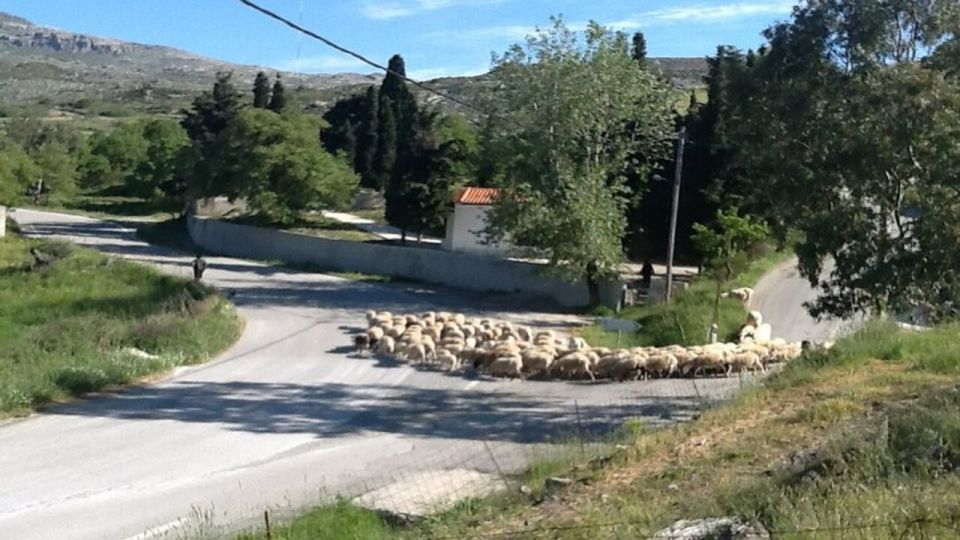
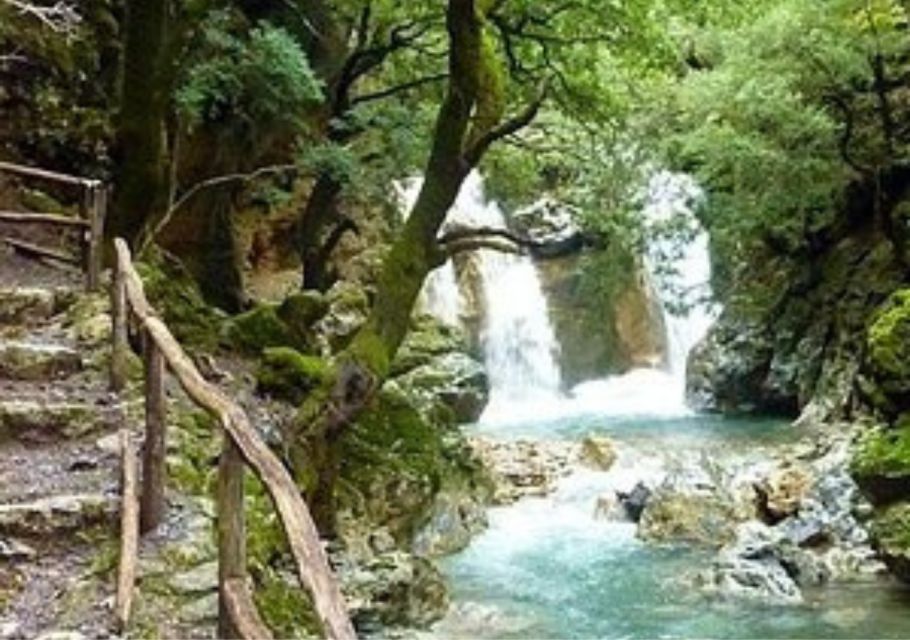
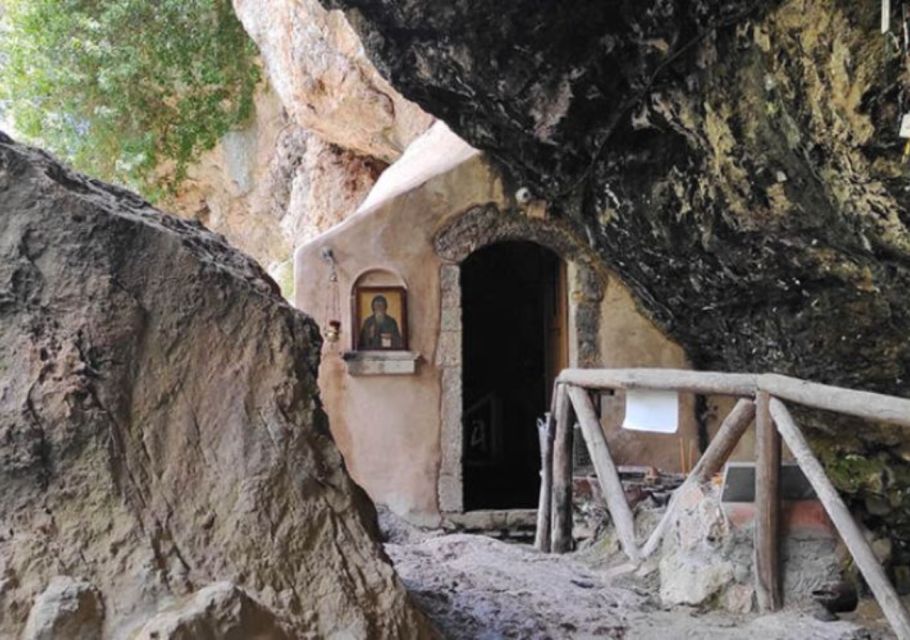
Then the day turns more active. You’ll drive to the Gorge of St. Antonios and walk a hiking trail through very lush, green surroundings. You’ll go up toward the cave of St. Antonios, which gives the hike a clear endpoint beyond just “walking because walking.”
This is the stop that most strongly determines how you feel about the whole trip. If the weather is comfortable and you’ve got decent shoes, the gorge can feel like a payoff: fresh air, shade, and a change in pace from village lanes and museum rooms.
The drawback is obvious but important: it’s not suitable for people with mobility impairments, and it isn’t a “sit and take photos” walk. The tour also advises comfortable shoes, which is your hint that you’ll be stepping on uneven ground and staying on your feet.
If you’re unsure about your hiking comfort level, be honest with yourself. A gorge walk can be beautiful and still be more than your body wants that day.
Arkadi Monastery Moment: Why This Kind of Stop Hits
One of the most emotional stops on this kind of Crete route is Arkadi Monastery, and in this case it’s described as touching with an impressive heroic history. I’m sharing that because it’s often the part people remember later, even if they’re not sure they loved every single village stop.
Monasteries can become political and human—places where faith meets real hardship. When a tour includes a site like this, it gives the day an emotional backbone, so your earlier church-and-fresco moments don’t feel like random culture stops. They feel like connected chapters.
Don’t rush through it. If you only give it a quick look while you’re thinking about the next coach departure, you’ll miss what makes it land.
Price and Value: Is $129 Worth a Full-Day Village + Gorge Mix?
At $129 per person, this trip sits in the mid-range for guided day experiences out of Heraklion. The included items matter: you get an air-conditioned motorcoach, a professional escort, and VAT and legal taxes included.
Where the value really comes from is the combination. You’re not paying only for one church or one museum. You’re getting multiple village experiences across several themes:
- water and food culture in Zaros and around Lake Votomos
- everyday history in Vatos (old school and farming tools)
- local craft/ritual through raki making
- religious art and institutional history in Lampini
- active nature time in St. Antonios Gorge
- plus a monastery stop that people often remember for its story
What may affect value for you is the extra spending. Lunch isn’t included (it’s optional and listed at €20), and drinks during the meal aren’t included. Also, there’s no pick-up/drop-off transfer—so you’ll need to make your own way to the meeting point across from the Heraklion Archaeological Museum entrance.
So, is it worth $129? If you want a guided structure that strings together multiple kinds of Crete—town life, church art, village tradition, and a real hike—then yes, this is a fair price for the number of stops and the variety.
If you’re mainly here for one big sight, you might feel you’re paying for movement between places. That’s not a bad thing; it’s just a different travel style.
Practical Tips So Your Day Feels Easy
A few things will help you enjoy the day more:
- Bring comfortable shoes. You’ll be walking in villages and hiking in the gorge.
- Plan your food budget. Lunch in Spili is optional and costs €20, and drinks aren’t included with that meal.
- Expect a full schedule. You’ll be moving from stop to stop, so don’t plan any late-afternoon commitments in Heraklion.
- Know the guide language. Tours are offered in Spanish, Italian, French, and English. If you need a specific language, check availability before you book.
Also, just to keep expectations realistic: it’s not listed as suitable for people with mobility impairments. And unaccompanied minors aren’t allowed.
Who Should Book This Tour (and Who Might Skip It)
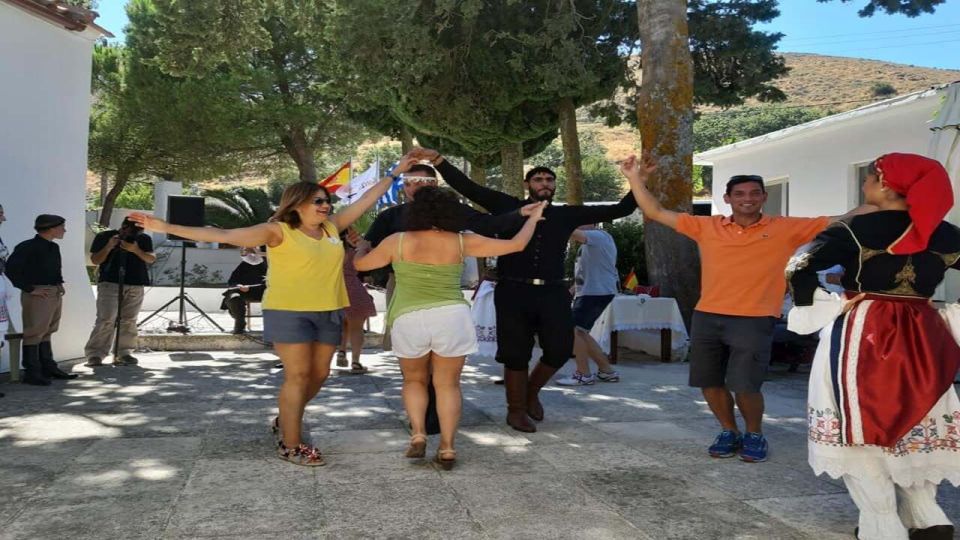
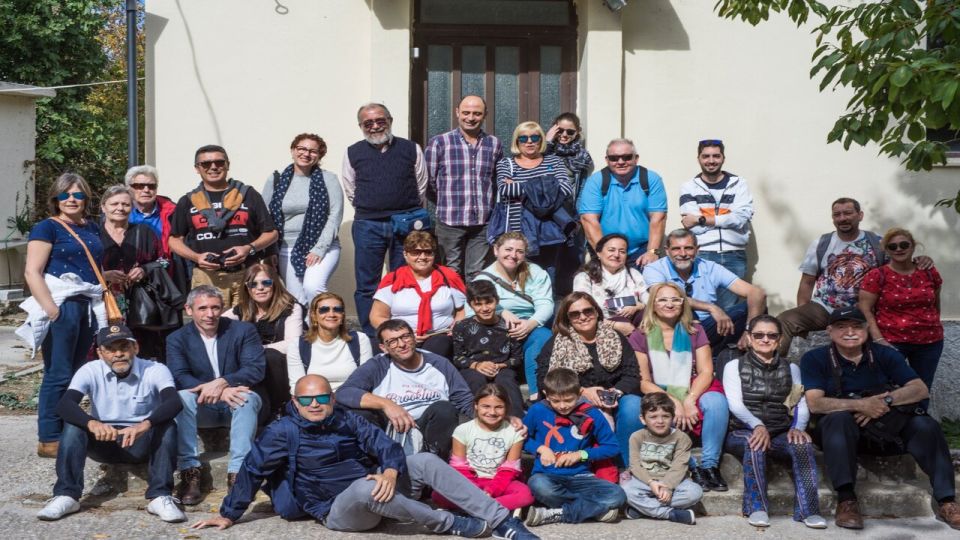
You’ll probably love this tour if you like:
- guided walks through actual village areas, not just bus views
- church art and the stories behind it
- nature that includes a hike, not only scenery from a viewpoint
- food and drink moments tied to local customs (like trout and raki)
You might want to skip it if:
- you don’t handle walking well, especially in a gorge setting
- you prefer free time to wander without a set schedule
- you’d rather spend the day on one major site than multiple stops
Should You Book? My Bottom Line
I’d book this tour if you want a full Crete day that feels human: springs, villages, church frescoes, and a gorge walk with a clear destination. It’s built to mix culture and movement, and the raki-making moment plus the Arkadi Monastery stop give the day an emotional and memorable edge.
If you’re strong on walking and you’re okay with paying extra for lunch and drinks, the experience looks like good value. Just respect the fact that this is a real 10-hour outing, not a short add-on.
FAQ
FAQ
What time does the tour start?
You meet at 08:30 at the terminal of Cretan Spiti Travel.
Where is the meeting point in Heraklion?
It’s across from the entrance of the Heraklion Archaeological Museum, in front of Hari’s Creperie.
When does the tour return to Heraklion?
You return late in the afternoon at 18:30.
What is included in the tour price?
It includes an air-conditioned motorcoach, a professional escort, and VAT and all legal taxes.
Is lunch included?
Lunch in a restaurant during the tour is not included. It costs €20 if you choose to have it at the meal stop (listed for Spili).
Do I need to bring anything?
You should bring comfortable shoes.
Is the tour suitable for everyone?
It is not suitable for people with mobility impairments. Unaccompanied minors are also not allowed.
What languages are available for the guide?
The live tour guide is available in Spanish, Italian, French, and English.