Chania Old Town rewards a slow stroll. This private 3-hour walking tour threads together the Venetian harbor, Ottoman landmarks, and Orthodox churches, then finishes with a coffee and tasting that feels local rather than staged. Two things I really like are the small, focused route (so you’re not rushed from photo spot to photo spot) and the inclusion of Greek coffee plus raki and cheese.
One thing to consider: it’s a walk through historic streets, so you’ll want comfortable shoes and the energy to cover multiple stops in one afternoon or morning.
In This Review
- Key things that make this Chania Old Town walk work
- A 3-hour plan that helps you read Chania fast
- Price and value: what $114.65 buys you in real terms
- Meeting point to finish line: why the route ends at a mosque
- Venetian Lighthouse: your first landmark for orienting Old Town Chania
- Hassan Pascha Mosque exhibition: Ottoman layers without a long detour
- Cathedral of Eisodion tis Theotokou: Orthodox faith in the middle of town
- Splantzia Square Greek coffee: the pause that makes the tour feel local
- Municipal Market: goat cheese and raki that feel tied to everyday life
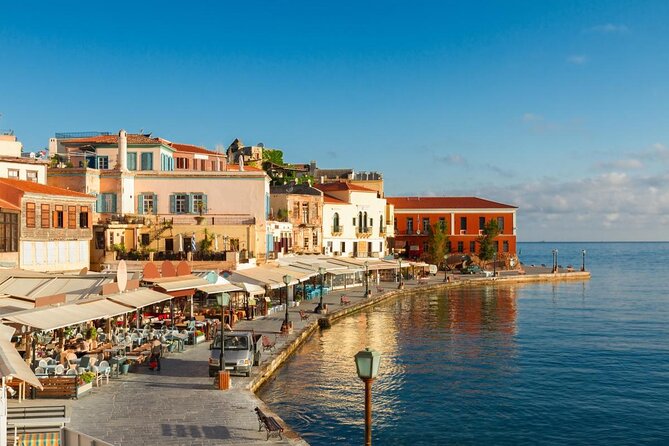
- Old Venetian Harbor and the little streets: where the walk really clicks
- What to expect from the guide: real personalities, real stories
- Who this tour suits best (and who might want something else)
- Quick practical tips so you enjoy every stop
- Should you book Chania Old Town through a local?
- FAQ
- How long is the Chania Old Town walking tour?
- Is the tour private?
- What food and drinks are included?
- Where does the tour start and where does it end?
- What language is the tour offered in?
- Is there an age limit for the raki tasting?
- What happens if weather is bad?
Key things that make this Chania Old Town walk work
- Private, local-guide pacing: your group sets the tempo, not a giant bus schedule
- Coffee and tastings included: Splantzia Square coffee plus raki and goat cheese at the market
- Big-history sites in short visits: quick stops at the Venetian Lighthouse, Hassan Pascha Mosque exhibition, and an Orthodox cathedral
- Old Town navigation help: you’ll learn which alleyways connect the dots in the Venetian harbor area
- Start-to-finish on purpose: meeting at Alpha Bank and ending near Küçük Hasan Mosque keeps the route efficient
A 3-hour plan that helps you read Chania fast
Chania is one of those places where the streets can feel like a maze—pretty, yes, but also easy to wander in circles. This walk gives you a clean first pass. You’re not trying to see everything. You’re learning how the Old Town fits together: sea first, then fortifications and faith, then the daily life spaces where people actually eat and drink.
I like the length for a first timer. Three hours is long enough to pick up context and hit the key visual landmarks, but short enough that you still have energy afterward to explore on your own. If you’re coming from a cruise day, it also fits well when time is tight and you’d rather skip the big-group choreography.
You’ll also get what the best local tours do: a guide who points out the small stuff. That’s how the Venetian harbor stops looking like generic pretty buildings and starts looking like a lived-in timeline.
You can also read our reviews of more tours and experiences in Crete.
Price and value: what $114.65 buys you in real terms
At about $114.65 per person, this isn’t a bargain-basement add-on. The value comes from three things that matter on the ground:
First, it’s a private experience. You’re not sharing a guide with dozens of people, so questions, photo stops, and pace feel more natural.
Second, it’s not just “watch me walk.” You get Greek coffee plus raki and goat cheese tasting, which can easily cost extra if you’re doing it on your own. That changes the math from sightseeing-only to a food-and-streets combo.
Third, the route is designed around easy wins. You visit recognizable anchors—the Venetian Lighthouse, a mosque exhibition stop, an Orthodox cathedral—then land where locals slow down: a square coffee moment and the municipal market.
So yes, you’re paying for guidance and inclusions. If you enjoy structured walking with local food moments, this price makes sense.
Meeting point to finish line: why the route ends at a mosque
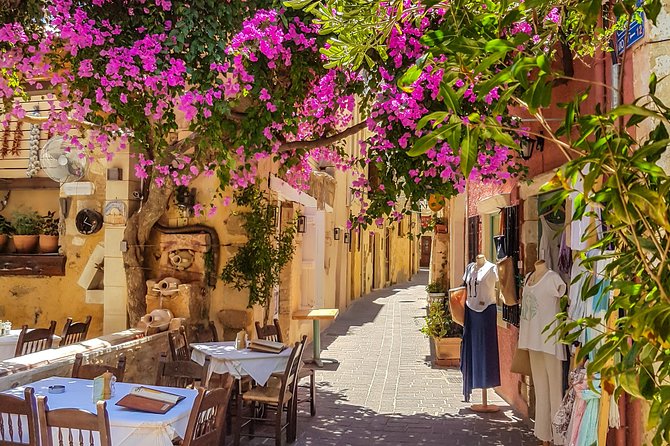
The tour starts near Alpha Bank on Chalidon (Chania 731 31) and ends near Küçük Hasan Mosque on Sourmelis (Chania 731 32). That end point choice isn’t random. It’s a way to keep you near the Old Town area you’ll likely want to continue exploring anyway.
No hotel pickup means you should plan to arrive a few minutes early and get your bearings. Since it ends near the waterfront and Old Town lanes, you can often roll right into your next plan—lunch, browsing, or just another wander with the streets now making more sense.
Also, you’ll be walking between sites. Reviews flag that this is a real walking tour, so if you’re balancing limited mobility with sightseeing, think carefully about your comfort level.
Venetian Lighthouse: your first landmark for orienting Old Town Chania
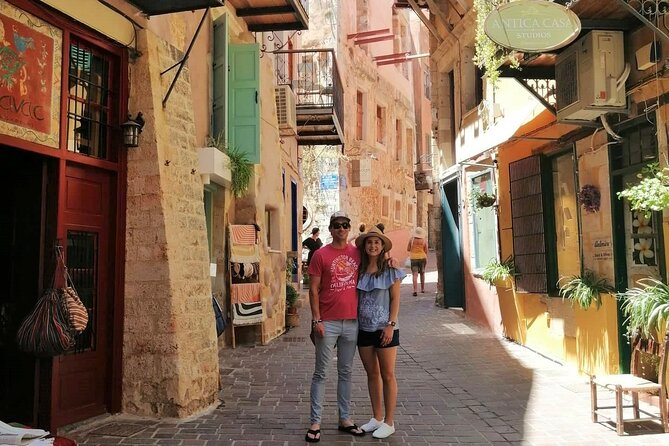
Your walk begins at the Venetian Lighthouse—a defining Chania landmark that helps you anchor the whole area. Even when the visit itself is brief, it sets the visual frame: this is a port town, and everything else—churches, mosques, commerce—sits in relation to the sea.
What I’d do on your own first-time visit is exactly what a good guide does here: connect the lighthouse view to the streets you’ll be walking. Once you understand where the harbor is in relation to the alleys, the Old Town becomes less confusing. It’s not about “one cool tower.” It’s about learning the layout.
You don’t need a long stop to get value from this moment. Think of it like the first page of a map.
Hassan Pascha Mosque exhibition: Ottoman layers without a long detour
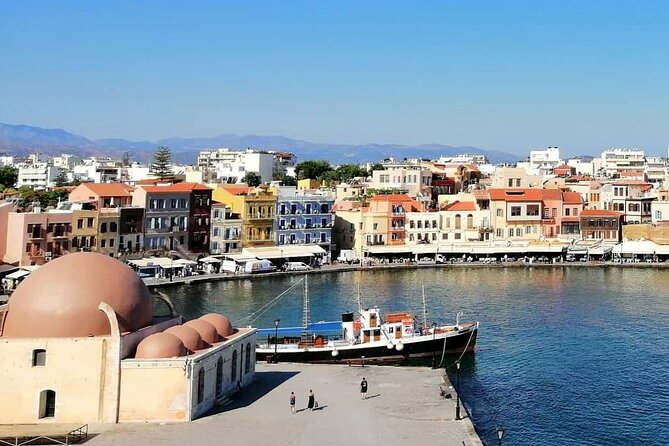
Next up is Hassan Pascha Mosque, where you’ll visit the exhibition presented in the mosque. Even for a short stop, it matters because it shows you Chania as more than a postcard harbor. This is where the Ottoman-era presence becomes part of what you’re seeing—not just something you read later.
The practical upside: the visit is short, so you’re not losing the momentum of the walk. The cultural upside: you’re getting context from a place that’s active in the city’s identity.
If you like your travel to feel grounded in real places (not only open-air ruins), this stop is a good fit. It also works well because you move from one type of architecture and storytelling to another in a smooth sequence.

Cathedral of Eisodion tis Theotokou: Orthodox faith in the middle of town
You’ll also visit the Cathedral of Eisodion tis Theotokou and talk about the Orthodox church. This is another quick stop, but it helps you balance the earlier Venetian and Ottoman layers.
For me, the value here is perspective. Chania isn’t just a museum of foreign styles. It’s a living city with faith communities that have shaped daily life for generations. When you see the cathedral and hear how the Orthodox church fits into the local story, you’ll start noticing details elsewhere too—how people arrange spaces, how buildings sit in relation to streets, how religion shows up in city rhythm.
Dress thoughtfully. Even though this is a tour with short visits, churches and mosques generally expect respectful attire and quiet behavior.
Splantzia Square Greek coffee: the pause that makes the tour feel local
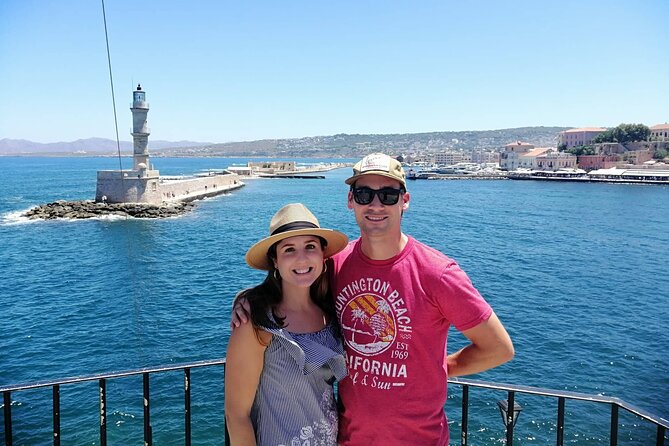
Then you get the human reset: Splantzia Square and traditional Greek coffee. This part is timed for a reason—about 20 minutes—so you can slow down, chat, and actually taste what you’re seeing.
Coffee in Greece is more than caffeine. It’s a social rhythm. In a square like Splantzia, you can watch locals and feel the pace of the Old Town when it’s not just tourists hurrying between stops.
I like that this stop is included. If you’re trying to plan your own walk, you end up debating where to stop, what to order, and whether you picked the right place. Here, the tour hands you a built-in break.
One note: coffee shops can be busy, especially in the peak season. The short stop keeps it manageable.
Municipal Market: goat cheese and raki that feel tied to everyday life
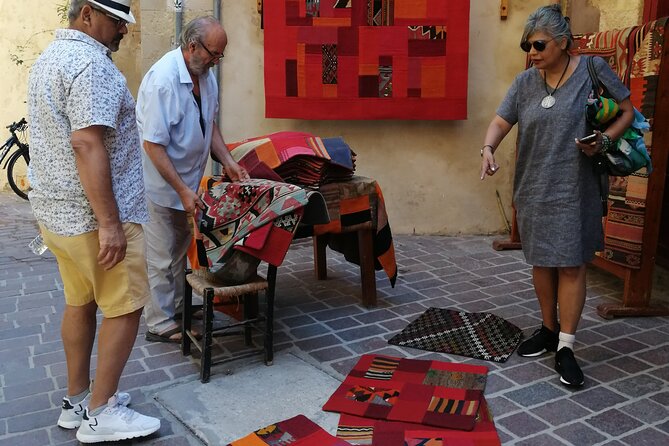
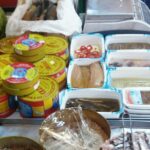
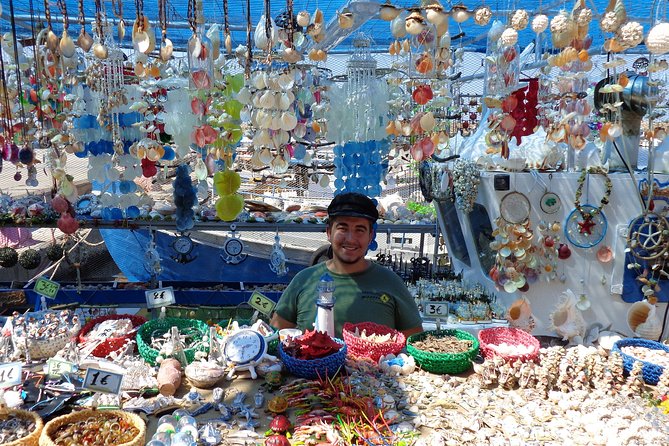
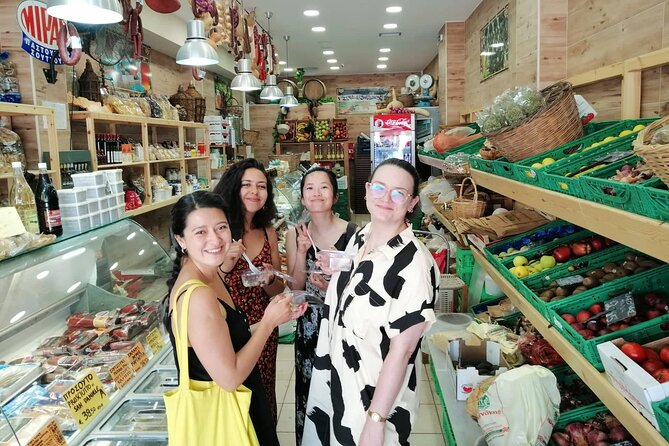
The tour ends at the Municipal Market of Chania, where you stroll around and taste goat cheese and raki. This is a great contrast to the harbor architecture: it’s the city’s flavor side, the kind of stop that makes you remember Chania by taste, not just by photos.
The tasting inclusion matters. Goat cheese and raki are local staples, but tasting them during a guided walk means you’re not guessing what to try. It’s also a more natural way to learn about food culture than a sit-down meal where you’re focused only on eating.
Practical consideration: there’s a minimum drinking age of 18. If your group includes teens or you’re planning around adults-only alcohol tastings, make sure everyone meets the requirement.
And because this is a market, expect a bit of sensory energy—smells, sounds, and lots of stalls. That’s part of the charm, just wear your “market shoes.”
Old Venetian Harbor and the little streets: where the walk really clicks
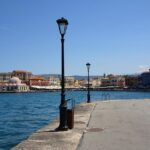
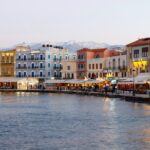
The last major segment takes you to the Old Venetian Harbor, where you admire Venetian building architecture and walk through the smaller streets of the Old Town. This is the payoff zone. You’ve now seen enough cultural layers that the harbor looks more meaningful than scenery.
The guide’s role here is often the difference between seeing and understanding. When someone points out how the lanes connect and where the best photo angles are (without turning it into a strict “photo line”), you get that satisfying moment where Chania starts to make sense.
I also like the time allotment—around 30 minutes—because it’s enough to enjoy the waterfront atmosphere, then move inward for those tight alley glimpses that you’d miss if you only stayed at the edges.
If you want to keep exploring afterward, this is a strong ending stretch. You’re right where you’d probably go next anyway.
What to expect from the guide: real personalities, real stories
This is a private tour, so you’re getting one local guide for your group. Based on past experiences shared by others, guides often bring a mix of stories and practical recommendations—everything from mythology-style storytelling to suggestions for where to eat and what to look for while shopping.
I’ve heard names come up often, including Goldie, Adonis, Antonis, Russo, Manos, Kelly, and Roussus. The common theme isn’t just facts. It’s the way they connect sites with everyday Crete—what locals notice, not only what history books say.
That matters for first-time visitors. When you’re new to the city, you want a guide to help you interpret what you see and what you can safely ignore.
Who this tour suits best (and who might want something else)
This is a solid choice if:
- you’re a first-time visitor to Chania and want your bearings fast
- you like walking tours that include food moments (coffee, raki, cheese)
- you want a private experience with your own group pace
- you’d rather learn street-level context than only check boxes
It may feel less ideal if:
- you need minimal walking time or prefer fewer stops
- you’re hoping for a long, deep specialist history lecture (this is short-stop, story-driven pacing)
It’s also a nice fit for cruise-day travelers. When port time is limited, a focused route with included tastings is often the best way to make the day feel complete.
Quick practical tips so you enjoy every stop
- Wear comfortable shoes. The streets are uneven and the walk adds up.
- If you’re drinking raki, plan for the taste moment and pace yourself.
- Have a small amount of patience for market and square energy—this is where people actually gather.
- Bring a light layer. Even in warm months, maritime wind in the harbor area can cool you down.
Should you book Chania Old Town through a local?
I’d book this if you want a first-pass that feels both educational and human. You get a smart mix: major landmarks (Venetian lighthouse, Ottoman mosque exhibition, Orthodox cathedral), plus the two local anchors that make the day memorable—Greek coffee at Splantzia Square and goat cheese and raki tasting in the Municipal Market.
If your travel style is walking + short site visits + included food moments, this is a good match for your time in Chania. If you prefer long museum-style explanations or you’re not up for repeated walking segments, you might be happier with a slower, fewer-stop option.
FAQ
How long is the Chania Old Town walking tour?
It runs about 3 hours.
Is the tour private?
Yes. It’s private, meaning only your group participates.
What food and drinks are included?
You’ll get local coffee plus raki and cheese tasting. Coffee and/or tea are included as well.
Where does the tour start and where does it end?
It starts at Alpha Bank, Chalidon 106, Chania 731 31, Greece and ends at Küçük Hasan Mosque, Sourmelis 18, Chania 731 32, Greece.
What language is the tour offered in?
The tour is offered in English.
Is there an age limit for the raki tasting?
Yes. The minimum drinking age is 18 years.
What happens if weather is bad?
The experience requires good weather. If it’s canceled due to poor weather, you’ll be offered a different date or a full refund.