Crete is best tasted off the main road. This jeep safari-style day pairs real olive oil learning with stops in small villages, plus lunch where you can actually feel how rural Cretans live and eat. I especially liked Maria’s cooking stop and the hands-on rhythm of shepherd-life activities, with Costa and Janic style guiding keeping the day moving at a friendly pace. One thing to consider: parts of the cheese/winery experience can feel more like explanation than hands-on, depending on the day and how the visits run.
You’re also paying attention to small costs that can pop up late—mainly the winery entrance (around 10–11 euros). If you hate surprise extras, read that line in advance and mentally budget for it.
If you want a day that’s more practical than scenic-photo-only, this fits. You’ll get lots of short stops, tasting moments, and walking stretches, not a slow beach day.
In This Review
- Key things I’d plan around
- Price and what 104 USD really buys you
- Getting picked up and moving like locals
- Stop 1: Aposelemis Dam and the Sfentyli photo break
- Avdou village: guided wandering, shopping, and food tasting
- Thrapsano: the olive oil and wine thread starts to connect
- The Kato Karouzana stretch: views, guided time, and a long break
- Herb gathering with goats: the “rural Crete” moment
- Raki in a traditional village: architecture, snacks, and a warm pace
- Shepherd’s house: cheese production with animals in the mix
- Lunch and Cretan sweets: where the tour wins hearts
- Guides and the small-group energy (why Costa and Janic mattered)
- The main drawback to plan for: winery and hands-on expectations
- What to bring so the day feels easy
- Who this tour is best for
- Should you book this Jeep Safari Wine & Olive Oil testing day?
- FAQ
- FAQ
- How long is the tour?
- What’s included in the price?
- Is winery entrance included?
- What are the main activities during the day?
- Where does the tour pick you up?
- Do I get drop-off back to the same area?
- What should I bring?
- Is the tour private or group-based?
- What languages is the guide available in?
- Is it suitable for people with mobility issues?
Key things I’d plan around
- Aposelemis Dam and Sfentyli views: quick photo time on a route that shows you the sunken village area.
- A central Crete rhythm: villages, farm time, raki breaks, then a winery visit before the shepherd-house segment.
- Olive oil farm focus: you’ll see how Cretan olive oil is produced, not just taste it.
- Cretan cheese production at the shepherd’s house: expect animals and participation, but the exact level of showing vs. telling can vary.
- Cretan sweets meal finish: the day often ends with a traditional tavern experience where sweets are made.
Price and what 104 USD really buys you
At about $104 per person for roughly 8 hours, this tour is priced in the mid-range for a full-day tasting + driving circuit. The value comes from the combination: transport in a Land Rover Defender or Nissan Pathfinder, a guided day through central Crete, and a lunch built around local products (with local wine and water).
Where the “value math” gets tricky is the winery entrance. The tour includes wine tasting, but you’ll likely pay about 10–11 euros to enter the winery itself. In practice, that’s small compared to the overall day price, but it’s big enough to change the feel of the experience if you expected the winery visit to be fully included.
So here’s my advice: treat the $104 as your base for the driving + multiple cultural stops, then add a small line item for the winery entrance. If you do that, the day usually reads as fair.
You can also read our reviews of more tours and experiences in Malia.
Getting picked up and moving like locals
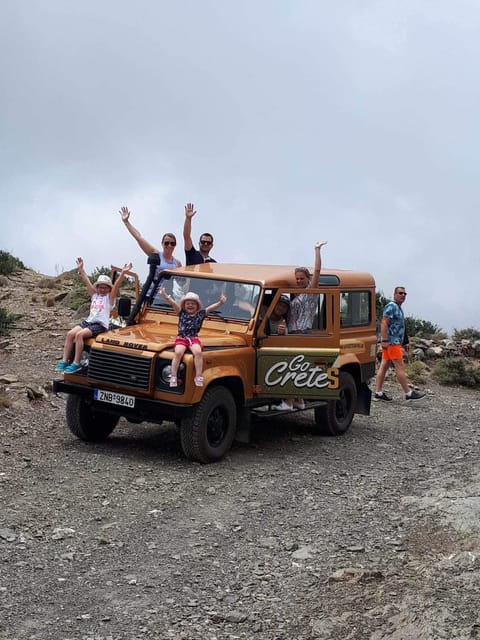
Pickup is included from a wide set of hotels across eastern and central Crete options like Heraklion, Malia, Hersonissos, Analipsi, Sisi, Milatos, and more. You’ll wait in the lobby about 15 minutes before pickup. After that, the driver won’t wait more than 10 minutes past the scheduled time.
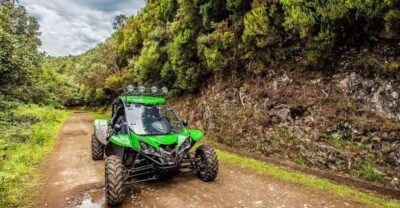
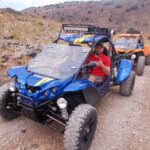
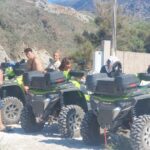
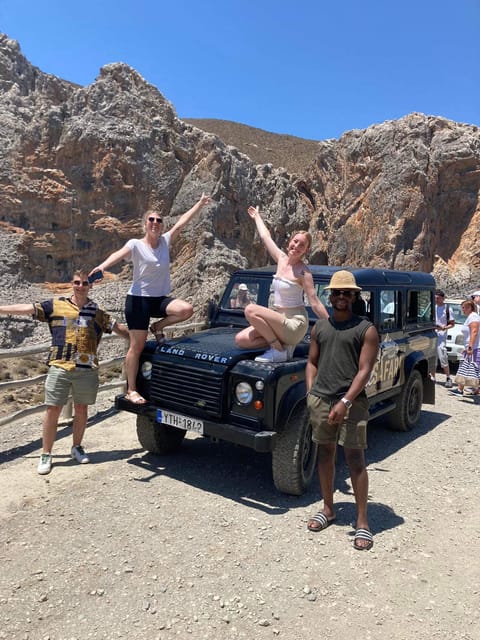
You’ll ride in a bigger off-road vehicle (Land Rover Defender or Nissan Pathfinder). That matters because these routes can include narrower roads and frequent short stops. This is not a chill “one long highway drive” day.
Also, the tour isn’t a fit if you have mobility limits or recent surgery. Even if there’s no heavy hiking listed, there are walking moments, steps, and uneven ground at village stops and during animal-related segments.
Stop 1: Aposelemis Dam and the Sfentyli photo break
Your first meaningful scenic moment is at Aposelemis Dam. You’ll have about 20 minutes for photos and views on the way.
The interesting part here is the reference to the sunken village area of Sfentyli. That’s the kind of detail that makes you look twice when you see water where you expected old land. Even if the stop is short, it sets the tone: this day isn’t only about tastings; it’s also about how central Crete looks when you understand what changed over time.
Practical tip: bring your camera ready. The time is brief, and the best photos usually happen right when you first arrive.
Avdou village: guided wandering, shopping, and food tasting
Next comes Avdou with a guided visit, plus time for shopping and food tasting for about 40 minutes.
This is the kind of stop that works best when you treat it as a reset. You’ll move from one tasting focus to another tasting-by-proxy: local snacks, small purchases, and the chance to ask questions about daily life. If you enjoy small-town details—house styles, doorways, the pace of conversation—this is where you’ll feel it.
Keep expectations realistic: you’re not here for a long museum-style visit. It’s a living village stop built into the route.
Thrapsano: the olive oil and wine thread starts to connect
The itinerary then moves toward Thrapsano, where you get a guided wine tasting with local snacks for about 1 hour.
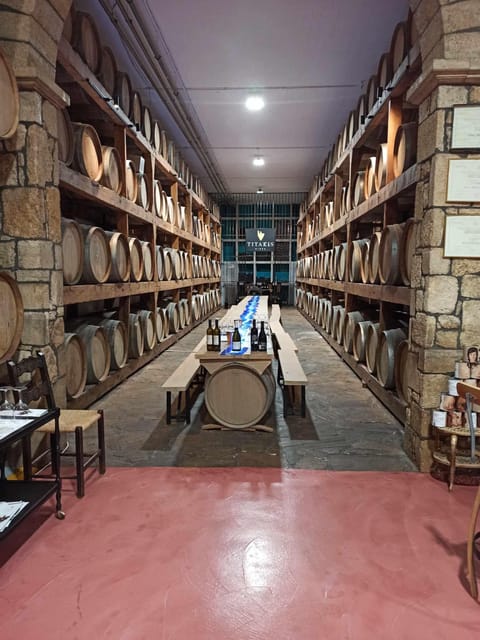
Important: the winery entrance cost is separate (around 10 euros per person, sometimes described as about 11 euros). That means you might do tastings and still pay an extra entry fee. Some days feel totally smooth; other days can feel like you’re paying twice for what you expected to be part of the tour day.
Here’s what to watch for: if the winery visit includes only a limited walk-through, you’ll want the guide to explain the production side clearly. In a couple of experiences, people felt the wine part was light on production details and focused more on tasting than learning. If that’s your priority, ask the guide at the start what you’ll see during the winery stop.
You can also read our reviews of more tours and experiences in Malia
The Kato Karouzana stretch: views, guided time, and a long break
There are two Kato Karouzana segments, which is a sign the day builds in both short exploration and later downtime.
The first includes a photo stop plus a guided visit for around 35 minutes. The second gives you a longer block—about 1.5 hours—with break time, wine, lunch elements, free time, and local snacks.
This split format is useful because you can catch the scenery and then later settle in. It also helps if you’re thirsty or sun-tired; you get a real chance to slow down without ending the day early.
One thing I like about this kind of structure: you’re never stuck rushing the same moment twice. If you’re the type who likes to linger, the second block is your time.
Herb gathering with goats: the “rural Crete” moment
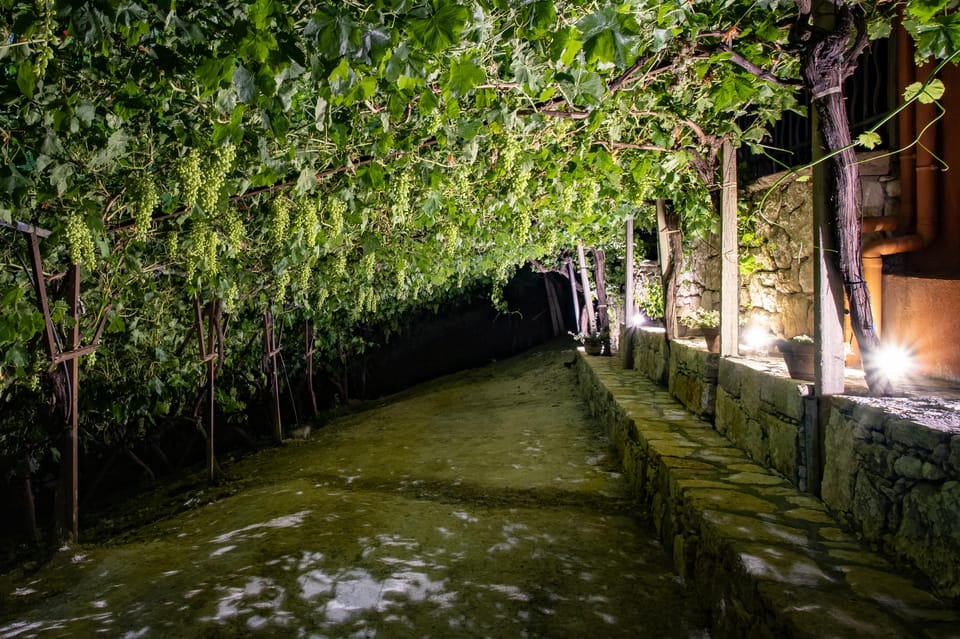
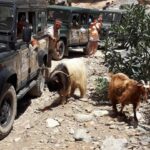
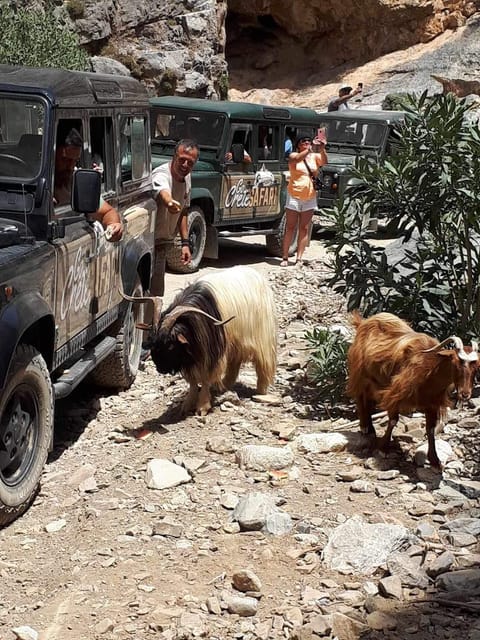
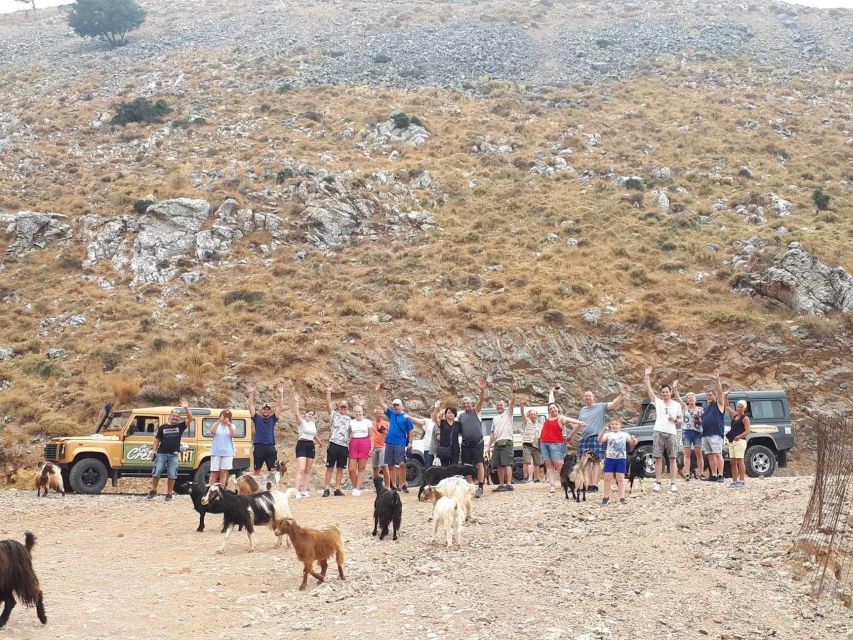
Between village stops, the tour includes a walk with Cretan goats and a chance to gather herbs together.
This is the part that makes the day feel Cretan rather than just tasting-themed. It’s not a formal workshop you can replicate at home. You learn by watching how people move through rural space: how they handle animals, how they pick and use plants, and how that connects to food.
Wear comfortable shoes for this segment. Even if the walking distance isn’t specified, it’s enough to deserve grip.
Raki in a traditional village: architecture, snacks, and a warm pace
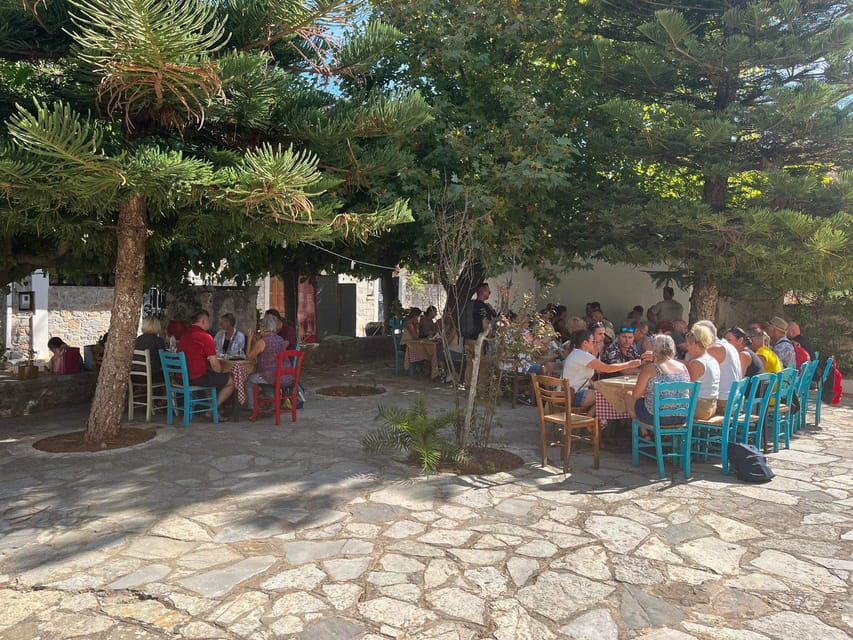
Another highlight is a traditional village stop where you enjoy raki with local delicacies. You’ll also admire local architecture and see how inhabitants live.
This kind of stop works because it’s social, not just educational. Raki isn’t just a drink here—it’s tied to how rural gatherings happen. The snack pairing also matters: it makes the tasting feel like a meal culture, not only a sample parade.
If you’re sensitive to alcohol, keep your pace slow. Raki plus driving can add up quickly, especially on hot days.
Shepherd’s house: cheese production with animals in the mix
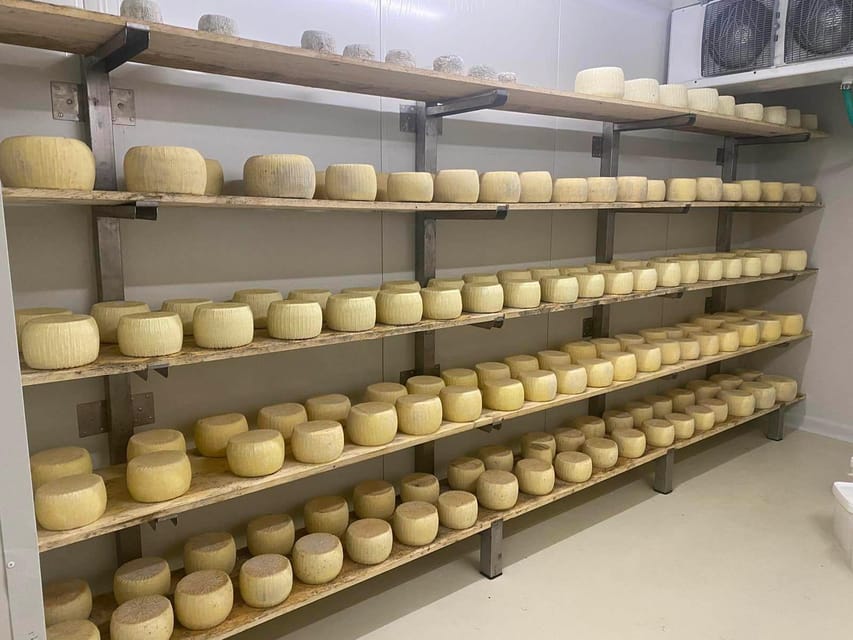
Later you arrive at the shepherd-house segment, where you’ll participate in authentic cheese production and spend time seeing animals.
This is one of the most appealing parts of the day on paper—and in practice it can be great. I’d just manage expectations based on what people have experienced: some days include more real demonstration and participation, while other days can lean more toward explanation than hands-on showing.
Either way, the value is in the theme: you’re moving from olive oil and wine into the food system that supports rural Crete—sheep, milk, and the work behind the cheese you’ll never think about the same way again.
If this is your top reason for booking, here’s your best move: when you’re onboard, ask your guide how hands-on the cheese part will be and whether you’ll do specific steps or primarily watch. You’ll get a more accurate picture for your day.
Lunch and Cretan sweets: where the tour wins hearts
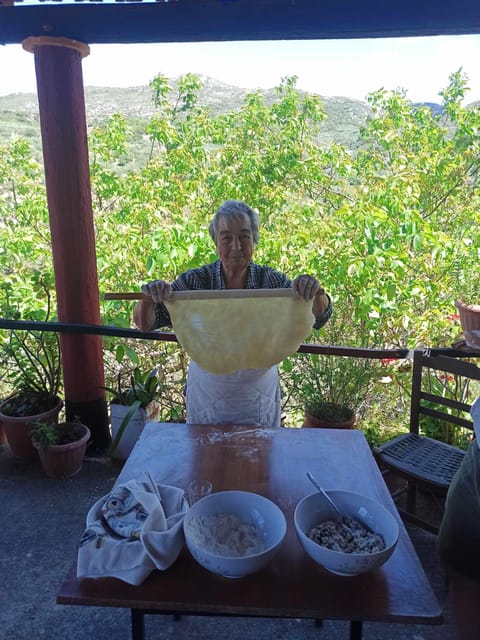
The day ends with a traditional meal at a tavern that includes a focus on Cretan sweets—described as a unique experience where you make sweets as part of the visit.
This is where I think the tour’s strongest “feel” happens. A lunch like this is not just fuel. It’s a window into how food wraps up the day’s effort: olive oil flavor, wine warmth, raki conversations, then a sweet finish.
One reason this stands out is the cooking stop tied to Maria, which multiple people praised. They loved the meal and appreciated how the cooking portion helped the day feel authentic, relaxed, and personal.
If you’re deciding whether to book, this is the part you should picture most clearly: good food, guided by local care, not a staged production line.
Guides and the small-group energy (why Costa and Janic mattered)
The tour seems to work best when the guide is active and engaged. Names that came up with strong praise include Costa and Janic.
People liked that guides answered questions well and kept the day light—laughter, easy conversation, and a pace that didn’t drag. That kind of guiding matters because the day is packed with multiple micro-stops. A good guide turns those stops into a coherent story.
If you’re the type who enjoys interaction—asking about farming, food, and daily village life—this is where you’ll feel the payoff.
The main drawback to plan for: winery and hands-on expectations
If I had to pick one possible letdown pattern, it’s this: the day can include a winery stop where the visit feels thin on production details, and you still pay the winery entrance fee.
One experience described a winery tour that involved mostly barrels and a tasting of three wines, with no deep production walk-through. Another pointed out that the cheese-making segment felt more like being told than shown, and a village stop near the dam felt like it was viewed mostly from the vehicle.
That doesn’t mean the day is bad. It means you should align your expectations:
- You’re buying a full-day experience with multiple themes.
- Some stops are more about tasting and seeing than doing.
- Costs like winery entrance can change your sense of value.
My suggestion: treat this as a culture + food driving day. If you’re specifically hunting for a long, detailed production tour, you might want to prioritize a separate olive oil or winery tour that’s more focused.
What to bring so the day feels easy
Bring the basics listed by the operator, because they genuinely matter on this kind of route:
- Comfortable shoes (for walking and rough ground)
- Sunglasses and sun hat
- Camera (you’ll want it for dam views and village scenes)
- Comfortable clothes for warm weather and short walks
Also pack water if you tend to run thirsty, even though water is included with lunch.
Who this tour is best for
I’d put this on your shortlist if you:
- Love food travel: olive oil, wine, raki, cheese, and sweets
- Want a driven day that mixes villages with hands-on moments
- Prefer short guided stops over long museum sessions
- Enjoy rural life details and talking with locals through the guide
I’d reconsider if you:
- Need fully wheelchair-friendly pacing or recent-surgery precautions apply
- Want only hands-on demonstrations with no variations
- Get irritated by extra fees that show up at the winery entrance
Should you book this Jeep Safari Wine & Olive Oil testing day?
Yes, if your priority is a full Crete day that connects olive oil + wine + shepherd-life food + a sweet closing meal, and you’re comfortable with a few short stops plus one extra winery entrance cost. It’s a strong choice for first-timers who want central Crete beyond the beach corridor.
Maybe choose something else if you want a deep, uninterrupted, production-heavy winery tour with no extra entry fee and a very hands-on cheese process every time. This day can feel more variable on those parts, even when the overall vibe is excellent.
FAQ
FAQ
How long is the tour?
It runs for about 8 hours.
What’s included in the price?
Pickup and drop-off to your hotel, transportation in a Land Rover Defender or Nissan Pathfinder with fuel, an experienced driver/guide, and a traditional Cretan lunch with local wine and water are included.
Is winery entrance included?
No. Winery entrance is extra, about 10 euros per person (sometimes noted as about 11 euros).
What are the main activities during the day?
You’ll visit an olive oil farm, have a winery stop with wine tasting, enjoy raki with local delicacies, visit a shepherd’s house for cheese-related activity, and finish with a traditional tavern meal where Cretan sweets are made.
Where does the tour pick you up?
Pickup is available from multiple locations including Analipsi, Stalida, Gouves, Hersonissos, Heraklion, Malia, Anissaras, Sisi, Milatos, and others listed by the operator.
Do I get drop-off back to the same area?
Yes. Drop-off is at the same locations as pickup.
What should I bring?
Wear comfortable shoes and clothes, and bring sunglasses, a sun hat, and a camera.
Is the tour private or group-based?
A private group option is available, but otherwise it’s described as a group tour.
What languages is the guide available in?
The live guide can be Dutch, English, German, French, Greek, Italian, and Russian.
Is it suitable for people with mobility issues?
No. It’s not suitable for people with mobility impairments or recent surgeries.